Can You Get Rsv Twice
Can You Get Rsv Twice? Breaking Down RSV Reinfection and Immunity
If you or someone in your family has recently battled Respiratory Syncytial Virus (RSV), you know just how miserable it can be. This common respiratory bug often hits hard, especially for young children and older adults. Once you recover, a natural question pops into your mind: Is that it? Am I immune for life?
The short answer to the burning question, "Can you get RSV twice?" is a definitive yes. Unfortunately, having had RSV once does not guarantee lifelong protection. In fact, reinfection is incredibly common. But before you panic, it's important to understand why this happens and what a second infection usually looks like.
We are going to dive deep into how your body fights RSV, why immunity is tricky with this particular virus, and what steps you can take to stay protected during the peak season.
Understanding RSV and the Complexity of Immunity
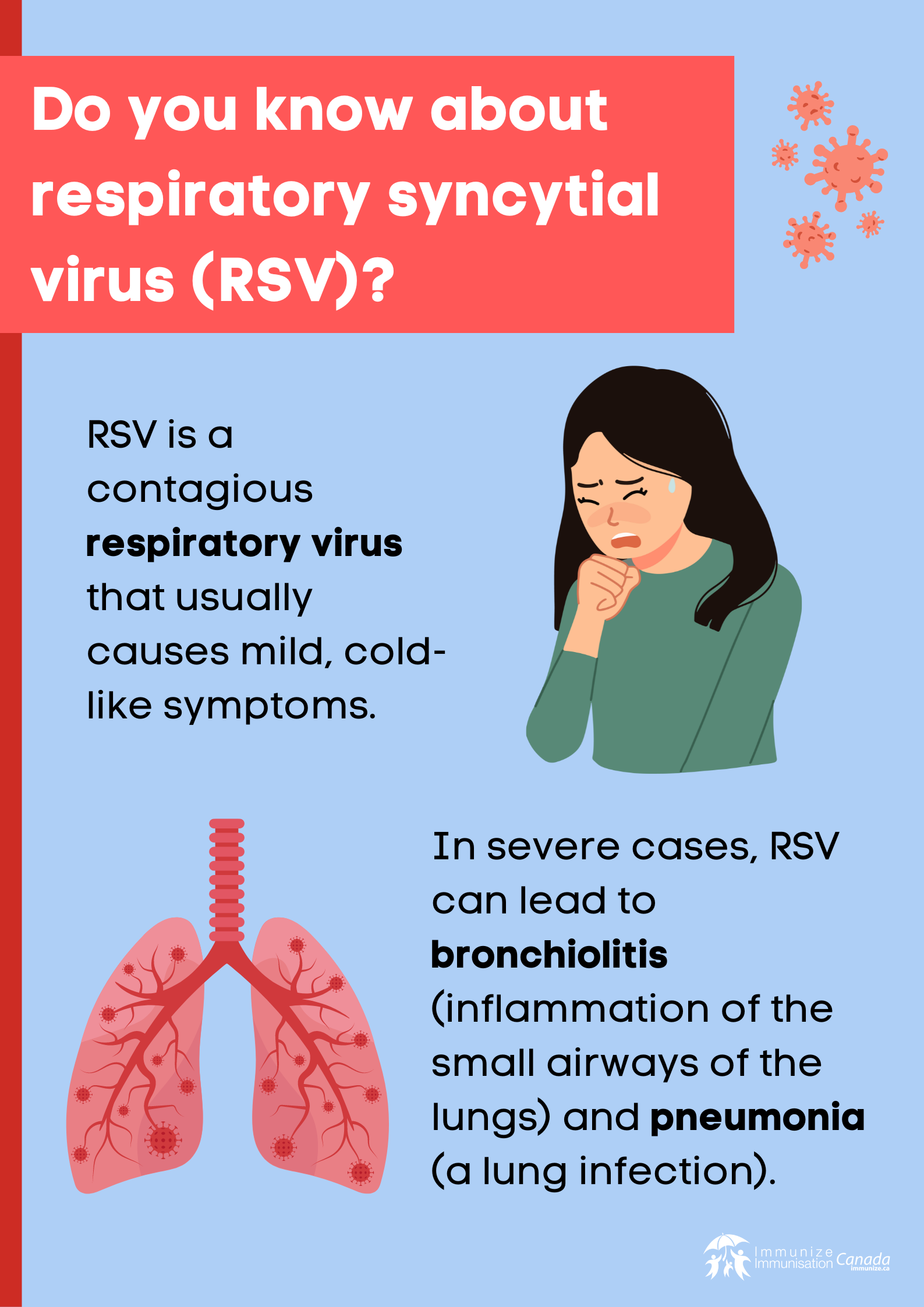
RSV is a highly contagious virus that affects the lungs and breathing passages. Most people think of it as a severe cold, but it can cause more serious issues like bronchiolitis and pneumonia, especially in vulnerable populations. When your body encounters any virus, it creates antibodies to fight the current infection and memory cells to recognize and attack the virus if it returns.
With viruses like measles or chickenpox, these memory cells provide incredibly strong, long-lasting immunity. You typically get them once and you are protected for decades. RSV, however, is much trickier. The immunity produced after an RSV infection is often short-lived and incomplete.
Studies show that antibody levels start to wane significantly within just a few months after recovery. This means that your body may not have enough protection built up when the next RSV season rolls around, leaving you vulnerable to catching it again.
Why Reinfection Happens: RSV's Strains and Variations
One of the main reasons you may get RSV twice (or multiple times) is that the virus comes in different flavors. Like influenza, RSV has two major antigenic subgroups, or strains: RSV-A and RSV-B. While these strains are similar, they are distinct enough that immunity against one doesn't always fully protect you against the other.
If you contract RSV-A one year, you are still susceptible to contracting RSV-B the following year, or even RSV-A again if your immunity has dropped. Therefore, it's not just a matter of weak immunity, but also the variety of strains circulating in the environment.
The severity of your second or subsequent infection depends on several factors, including:
- Which strain caused your previous infection versus the current one.
- How much time has passed since your last illness (how much your immunity has waned).
- Your current age and overall health status.
- The amount of virus you were exposed to.
Who is Most at Risk for Repeat Infections?
While everyone can get RSV multiple times, certain groups are not only more susceptible to reinfection but also face a higher risk of severe disease when reinfection occurs. It is crucial for these individuals and their caregivers to be vigilant about prevention.
The groups most vulnerable to severe, repeat RSV infections include:
- **Infants and Toddlers (especially under age 2):** Their immune systems are still developing, and their tiny airways are more likely to swell shut during infection. Most children will have had RSV at least once by their second birthday, and repeated infections are standard throughout childhood.
- **Older Adults (Ages 60 and Up):** Immune senescence (the natural decline of the immune system with age) makes it harder for them to fight off the virus, leading to potential complications like pneumonia or hospitalization, even if they had RSV before.
- **Individuals with Underlying Conditions:** People living with chronic lung disease (like asthma or COPD), heart disease, or neuromuscular disorders face much higher risks.
- **The Immunocompromised:** Those undergoing chemotherapy, receiving transplants, or living with HIV often cannot mount an effective defense against the virus, making repeat, severe infections a distinct possibility.
The Experience of Getting RSV the Second Time
If you are an otherwise healthy adult, the good news is that your subsequent RSV infections are typically much milder than your first. Your immune system still has some memory, allowing it to recognize the invader quickly and limit its severity. It might just feel like a bad head cold with a persistent cough.
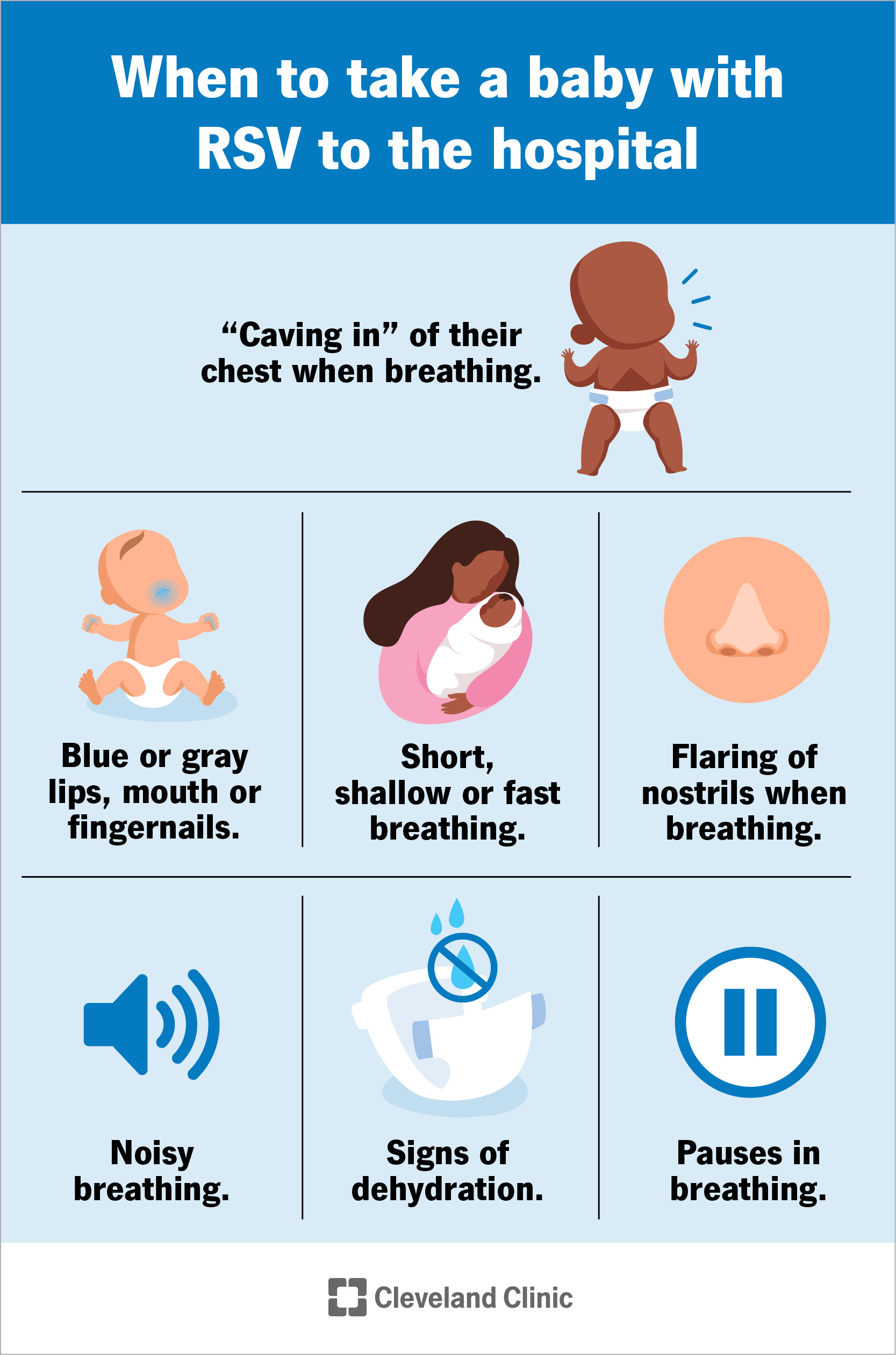
However, this rule doesn't always apply, especially for high-risk individuals. For a newborn or a frail elderly person, even a second infection can quickly escalate into a medical emergency requiring oxygen support or intensive care.
It's important to note that just because you are less likely to get severe symptoms as an adult, you are still highly contagious. This means you can easily pass the virus on to a vulnerable baby or grandparent in your household, even if you just feel slightly under the weather.
How to Tell the Difference: RSV vs. Flu or Cold
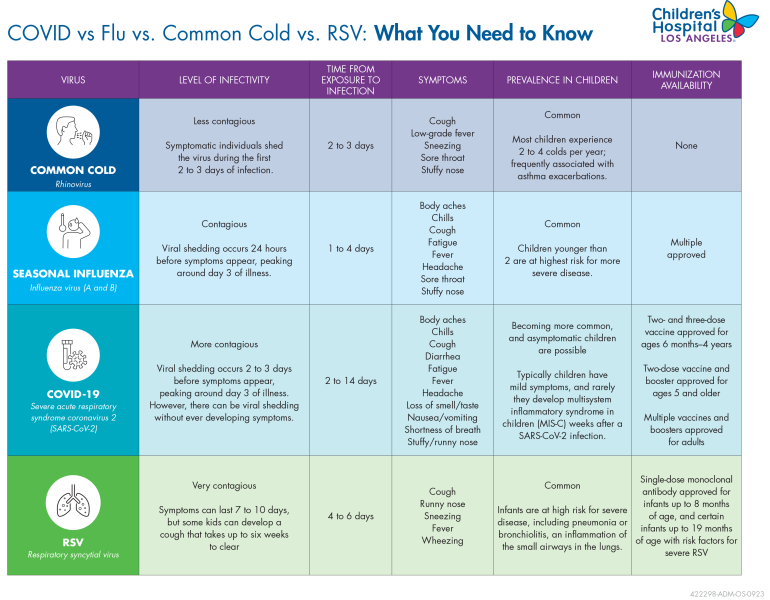
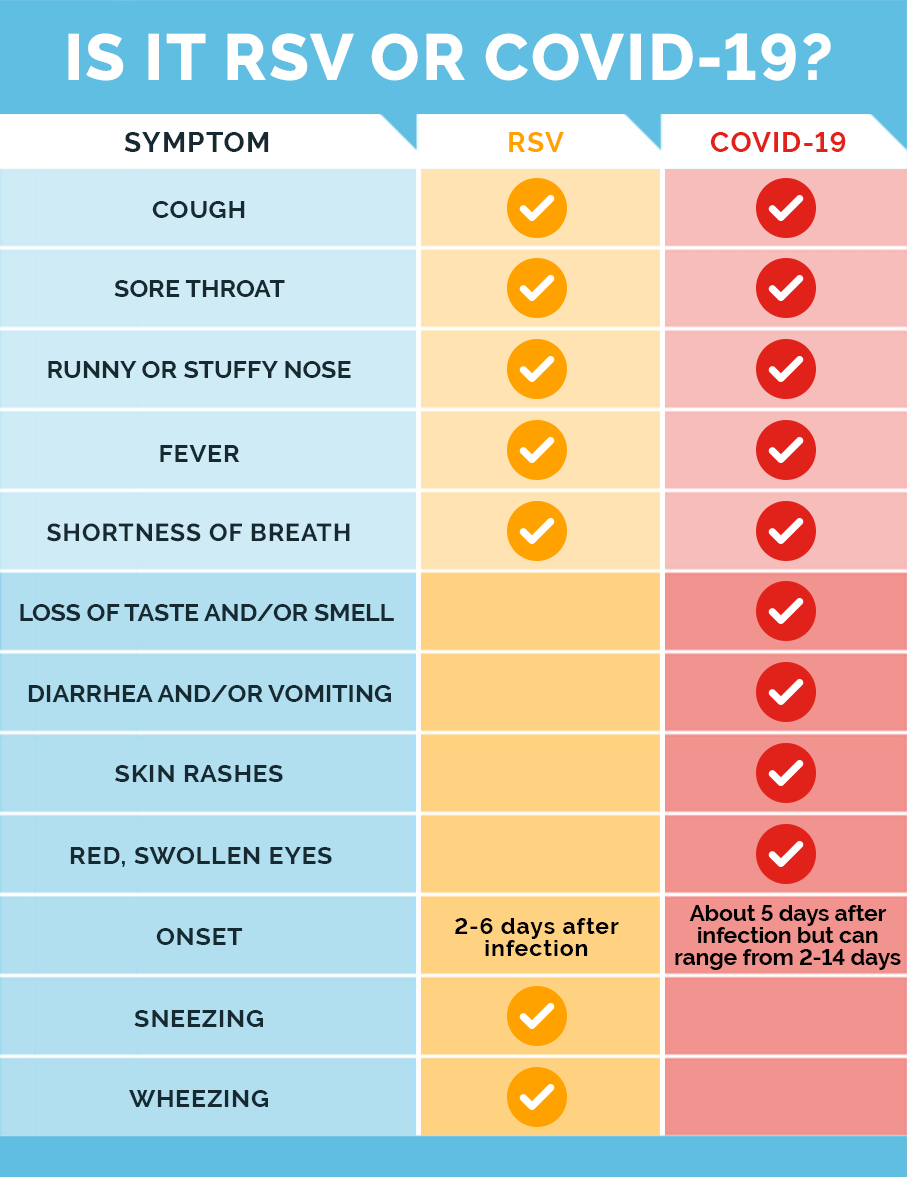
Many respiratory viruses—RSV, the flu, and the common cold—share similar symptoms like runny nose, sore throat, and coughing. When you are feeling sick, it can be nearly impossible to determine which virus you have contracted. The severity of symptoms doesn't always give a clear answer, especially if you get RSV twice and the second time is milder.
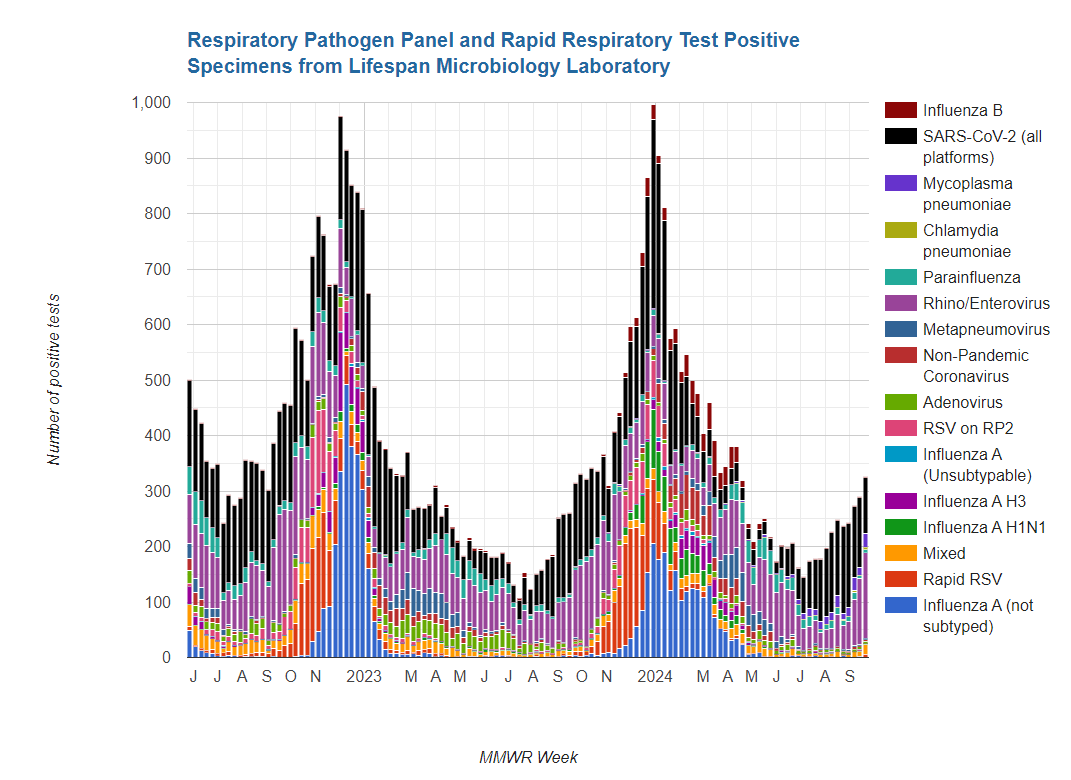
For definitive diagnosis, especially if you have an underlying health condition or if symptoms are severe, you need lab testing. Your doctor can administer a simple swab test to confirm if RSV is the culprit. Knowing the cause is important for deciding on appropriate supportive care and isolation measures, particularly during simultaneous outbreaks of RSV and influenza.
Prevention and Moving Forward in the Age of New Tools
Since we know you can get RSV twice, preventing initial infection and subsequent reinfection becomes vital. Standard prevention techniques are always effective. Good hygiene practices limit the spread of all respiratory viruses, including RSV. Remember to practice these fundamental protective measures diligently.
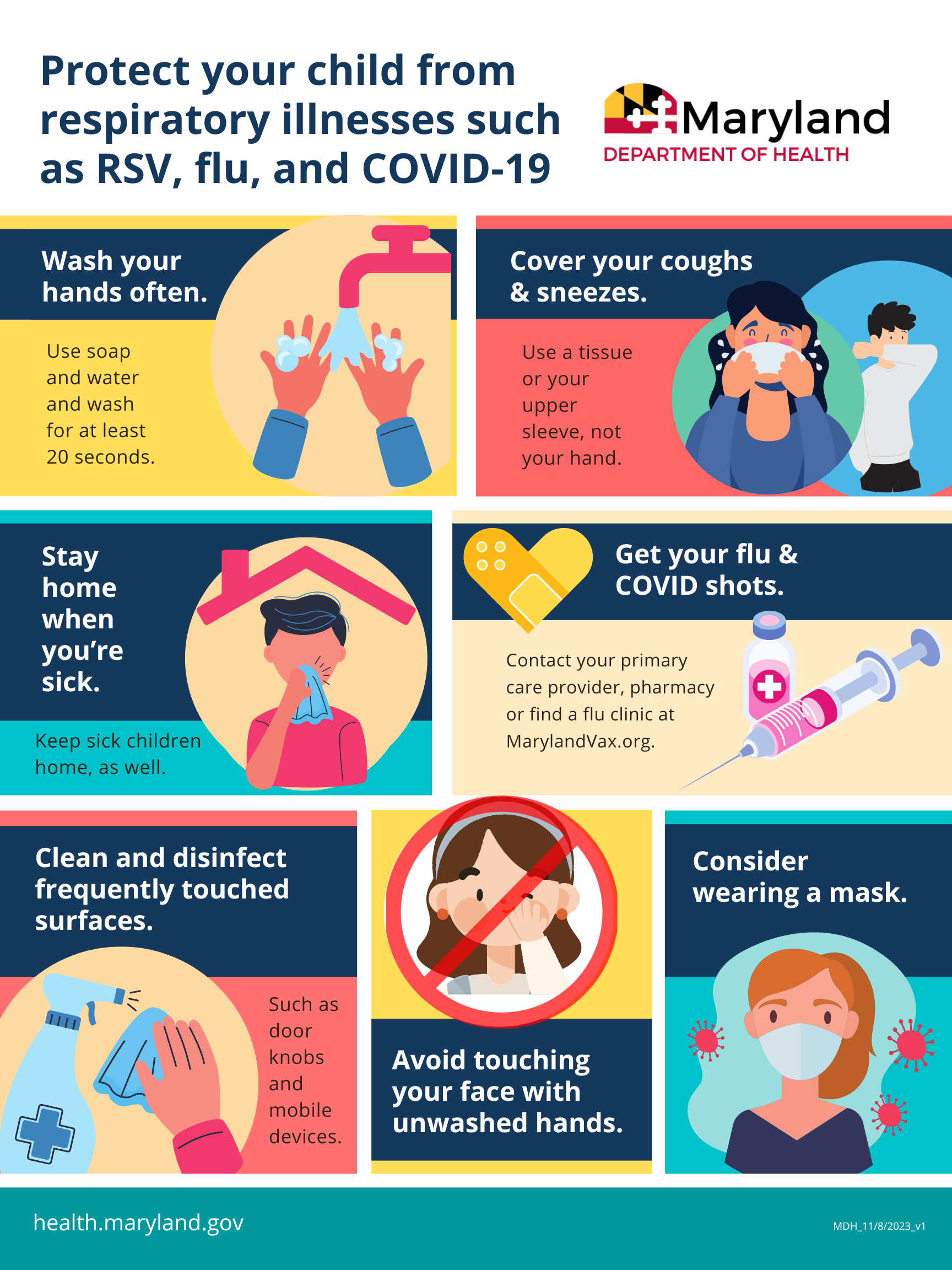
Key preventative actions include frequent hand washing, avoiding touching your face, and staying home when you are sick. Furthermore, disinfecting frequently touched surfaces can help eliminate the virus, as RSV can survive on surfaces for several hours.
For high-risk individuals, especially during peak season, avoiding large crowds and close contact with sick people is highly recommended. The combined approach of excellent hygiene and proactive medical intervention offers the best defense.
New Tools: Vaccines and Monoclonal Antibodies Against Repeat Infection
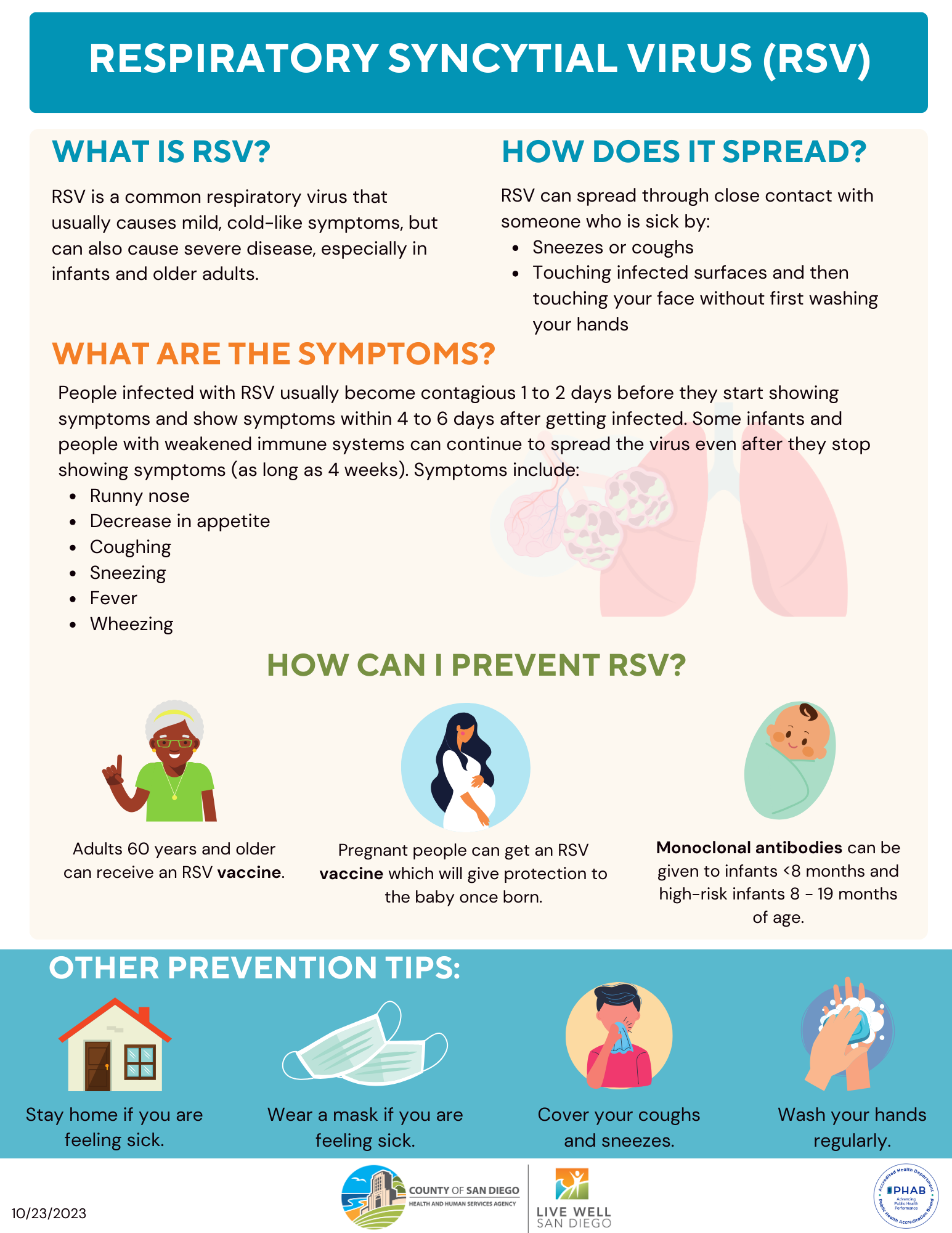
The medical landscape for RSV has recently undergone a massive shift, offering incredible new opportunities to protect vulnerable groups from severe infection, whether it's the first or the fifth time they are exposed to the virus. These new tools are a game-changer for RSV prevention.
For the first time, we have preventative options designed to shield those most likely to suffer severe complications:
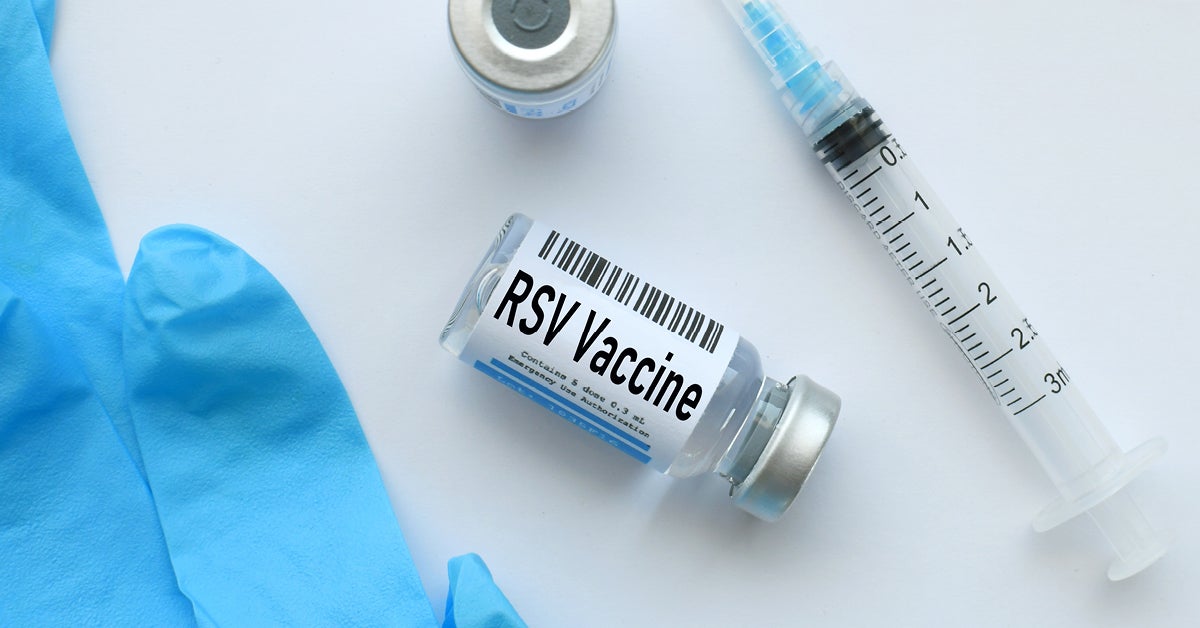
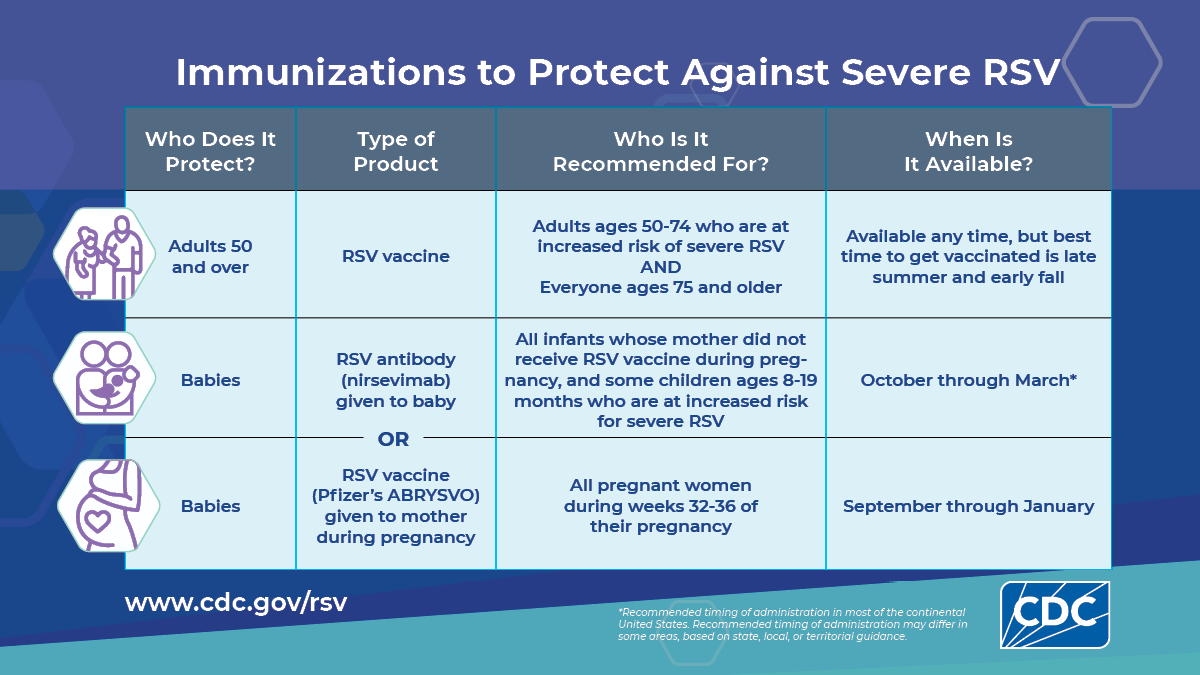
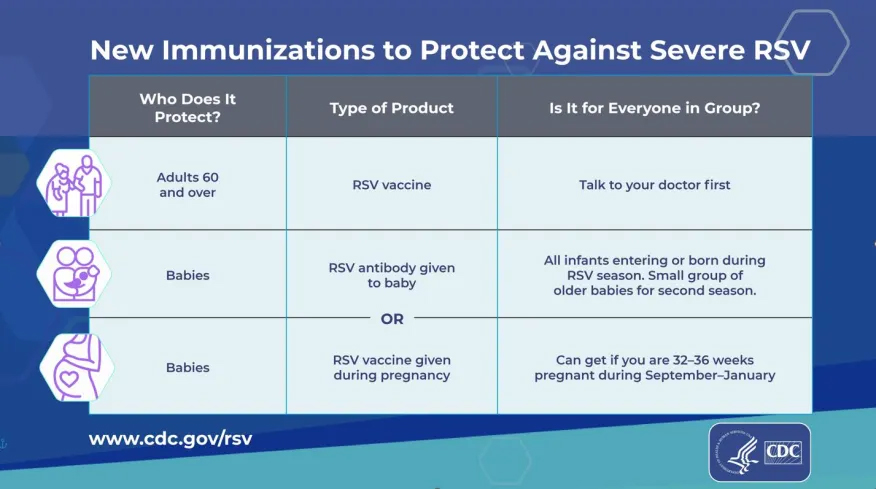
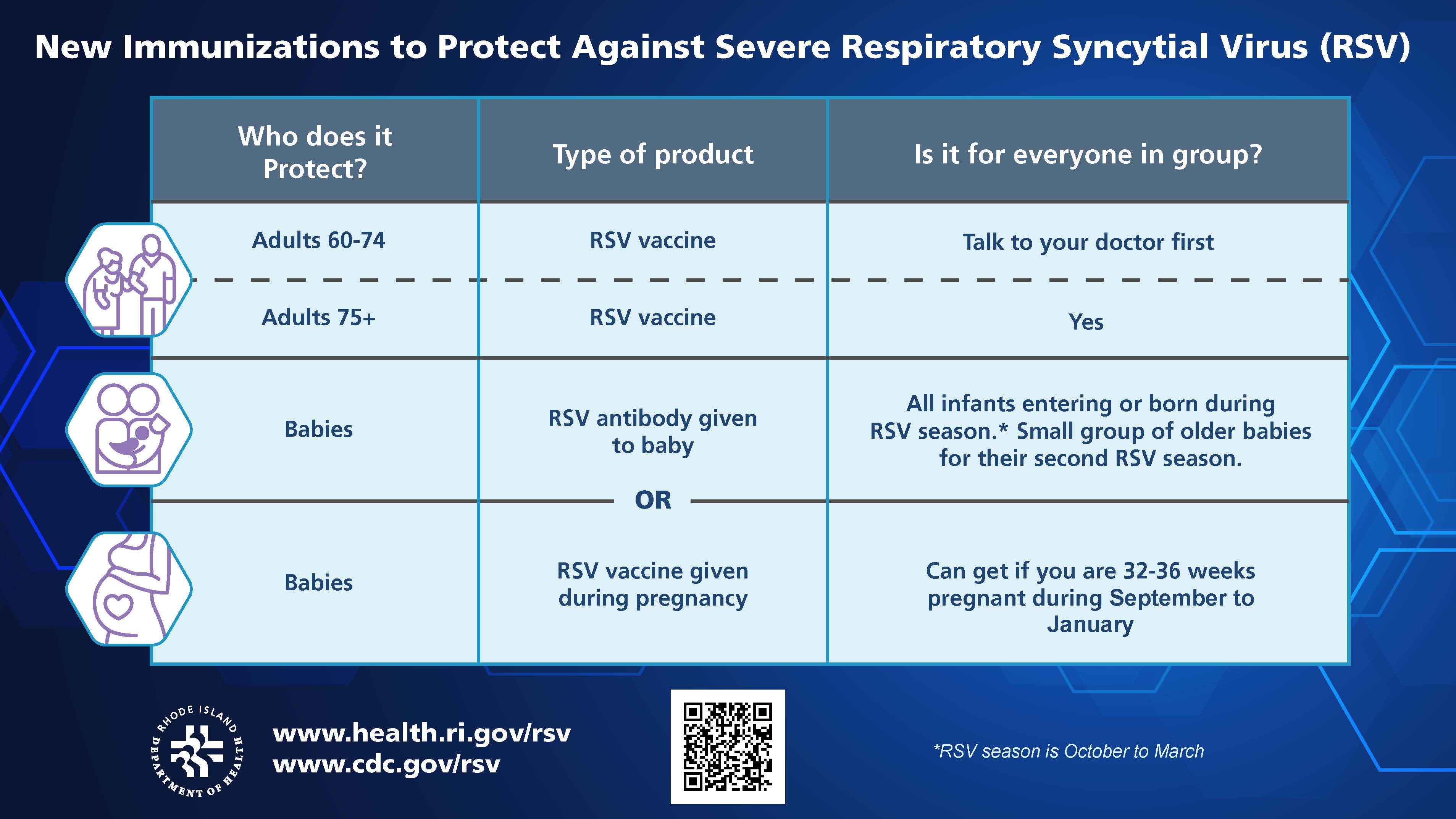
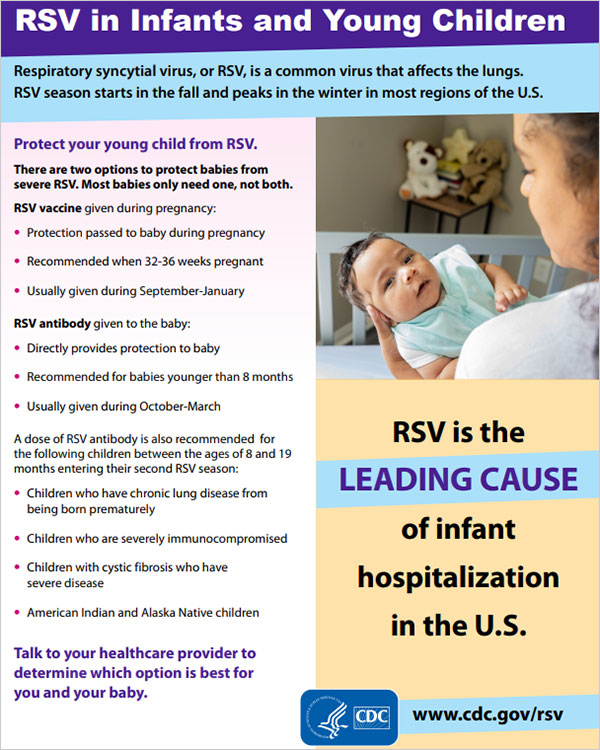
- **Adult and Maternal Vaccines:** Vaccines are now available for adults aged 60 and over. Furthermore, a maternal vaccine can be given to pregnant individuals to pass protective antibodies directly to their developing baby, offering protection during the critical first few months of life.
- **Monoclonal Antibodies (Nirsevimab):** This preventative shot offers protection for infants and high-risk toddlers before and during RSV season. Unlike a vaccine, which stimulates the body's immune response, this is a ready-made antibody that provides immediate, passive immunity to fight off the virus.
Consulting with your healthcare provider about who in your family is eligible for these preventative measures is the single most important action you can take to minimize the risk of severe illness this season, especially since we know you can get RSV twice.
Conclusion: The Reality of RSV Reinfection
So, can you get RSV twice? Absolutely. Due to the incomplete and temporary nature of immunity and the circulation of different strains (A and B), getting reinfected with Respiratory Syncytial Virus is the norm, not the exception, throughout a person's lifetime. While subsequent infections are often milder for healthy adults, the risk remains significant for babies, the elderly, and those with compromised immune systems.
Understanding that immunity wanes is the first step toward proactive health management. Fortunately, with revolutionary new vaccines and monoclonal antibody treatments now available, protecting those most at risk from severe disease has never been easier. Stay informed, practice good hygiene, and utilize these medical breakthroughs to keep yourself and your loved ones healthy this RSV season.
Frequently Asked Questions (FAQ) About Getting RSV Twice
- Can a baby get RSV twice in the same season?
- While less common, yes, a baby can get RSV twice in the same season, particularly if the circulating strains change (e.g., they contract RSV-A followed by RSV-B). Their weak, developing immune systems struggle to build lasting protection quickly.
- Is a second RSV infection always milder than the first?
- For generally healthy children and adults, a second infection is usually milder. However, for high-risk groups (such as the elderly or those with chronic heart or lung disease), the severity of the second infection can still be life-threatening and may require hospitalization.
- How long does immunity last after an RSV infection?
- Immunity is relatively short-lived. Significant antibody levels typically start to decrease within a few months after initial infection, leaving individuals vulnerable to reinfection within the next year, especially during the subsequent RSV season.
- If I was exposed to RSV, how soon could I get symptoms?
- The typical incubation period for RSV is about four to six days after exposure. Symptoms usually start subtly, often mimicking a common cold before potentially worsening, especially in infants.
- Can the new RSV vaccines prevent me from getting the virus at all?
- The available RSV vaccines (for adults 60+) are primarily designed to prevent severe disease, hospitalization, and death, rather than preventing all infection. They significantly reduce the chance of serious illness, even if you are exposed to the virus again.
Can You Get Rsv Twice
Can You Get Rsv Twice Wallpapers
Collection of can you get rsv twice wallpapers for your desktop and mobile devices.
Breathtaking Can You Get Rsv Twice Image in 4K
Transform your screen with this vivid can you get rsv twice artwork, a true masterpiece of digital design.
Stunning Can You Get Rsv Twice Scene in HD
Immerse yourself in the stunning details of this beautiful can you get rsv twice wallpaper, designed for a captivating visual experience.
Spectacular Can You Get Rsv Twice Moment for Your Screen
A captivating can you get rsv twice scene that brings tranquility and beauty to any device.
Mesmerizing Can You Get Rsv Twice Abstract Digital Art
Transform your screen with this vivid can you get rsv twice artwork, a true masterpiece of digital design.

Serene Can You Get Rsv Twice Design Concept
Explore this high-quality can you get rsv twice image, perfect for enhancing your desktop or mobile wallpaper.
Beautiful Can You Get Rsv Twice Wallpaper Photography
Discover an amazing can you get rsv twice background image, ideal for personalizing your devices with vibrant colors and intricate designs.
Beautiful Can You Get Rsv Twice Scene Collection
Discover an amazing can you get rsv twice background image, ideal for personalizing your devices with vibrant colors and intricate designs.
Crisp Can You Get Rsv Twice Picture in HD
Find inspiration with this unique can you get rsv twice illustration, crafted to provide a fresh look for your background.
Mesmerizing Can You Get Rsv Twice Background for Mobile
Explore this high-quality can you get rsv twice image, perfect for enhancing your desktop or mobile wallpaper.

Serene Can You Get Rsv Twice View for Your Screen
Discover an amazing can you get rsv twice background image, ideal for personalizing your devices with vibrant colors and intricate designs.

Captivating Can You Get Rsv Twice Background Photography
A captivating can you get rsv twice scene that brings tranquility and beauty to any device.

Spectacular Can You Get Rsv Twice Artwork in 4K
This gorgeous can you get rsv twice photo offers a breathtaking view, making it a perfect choice for your next wallpaper.

Exquisite Can You Get Rsv Twice Wallpaper in 4K
Immerse yourself in the stunning details of this beautiful can you get rsv twice wallpaper, designed for a captivating visual experience.

Lush Can You Get Rsv Twice Capture Concept
Find inspiration with this unique can you get rsv twice illustration, crafted to provide a fresh look for your background.
Crisp Can You Get Rsv Twice Abstract for Your Screen
Find inspiration with this unique can you get rsv twice illustration, crafted to provide a fresh look for your background.

Mesmerizing Can You Get Rsv Twice Design for Mobile
Explore this high-quality can you get rsv twice image, perfect for enhancing your desktop or mobile wallpaper.
Gorgeous Can You Get Rsv Twice Image Concept
This gorgeous can you get rsv twice photo offers a breathtaking view, making it a perfect choice for your next wallpaper.
Mesmerizing Can You Get Rsv Twice Design in 4K
Transform your screen with this vivid can you get rsv twice artwork, a true masterpiece of digital design.
Captivating Can You Get Rsv Twice Picture Collection
Find inspiration with this unique can you get rsv twice illustration, crafted to provide a fresh look for your background.
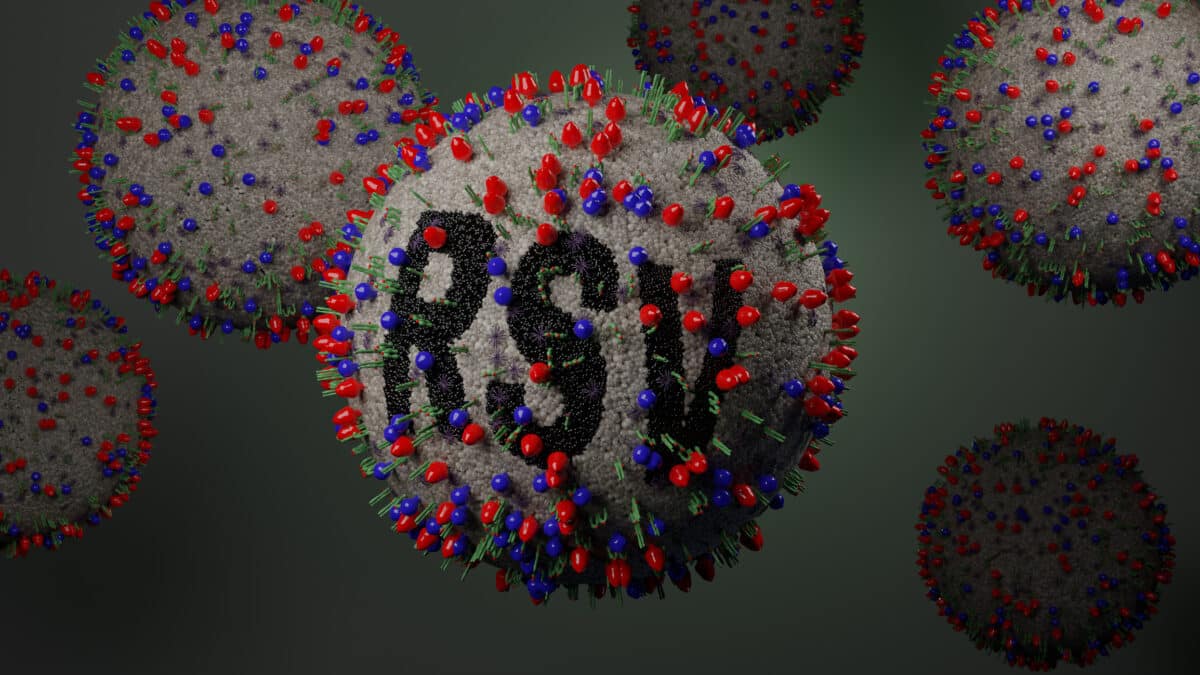
Artistic Can You Get Rsv Twice Landscape Collection
Immerse yourself in the stunning details of this beautiful can you get rsv twice wallpaper, designed for a captivating visual experience.
Download these can you get rsv twice wallpapers for free and use them on your desktop or mobile devices.