Can You Get Type 1 Diabetes As An Adult
Can You Get Type 1 Diabetes As An Adult? Understanding LADA
If you have recently experienced worrying symptoms and your doctor mentioned diabetes, you might be wondering, "Can you get Type 1 diabetes as an adult?" The short answer is a definitive yes, and you are far from alone in asking this important question.
For decades, Type 1 Diabetes (T1D) was known primarily as juvenile diabetes, a condition that usually strikes during childhood or adolescence. However, medical research now confirms that the autoimmune process that causes T1D can begin at any age, even well into your 30s, 40s, or 50s.
When T1D appears later in life, doctors often refer to it by a different name: Latent Autoimmune Diabetes in Adults, or LADA. Understanding LADA is the key to understanding how you can get Type 1 Diabetes as an adult, and ensuring you receive the correct diagnosis and treatment.
The Truth About Adult-Onset Type 1 Diabetes (LADA)
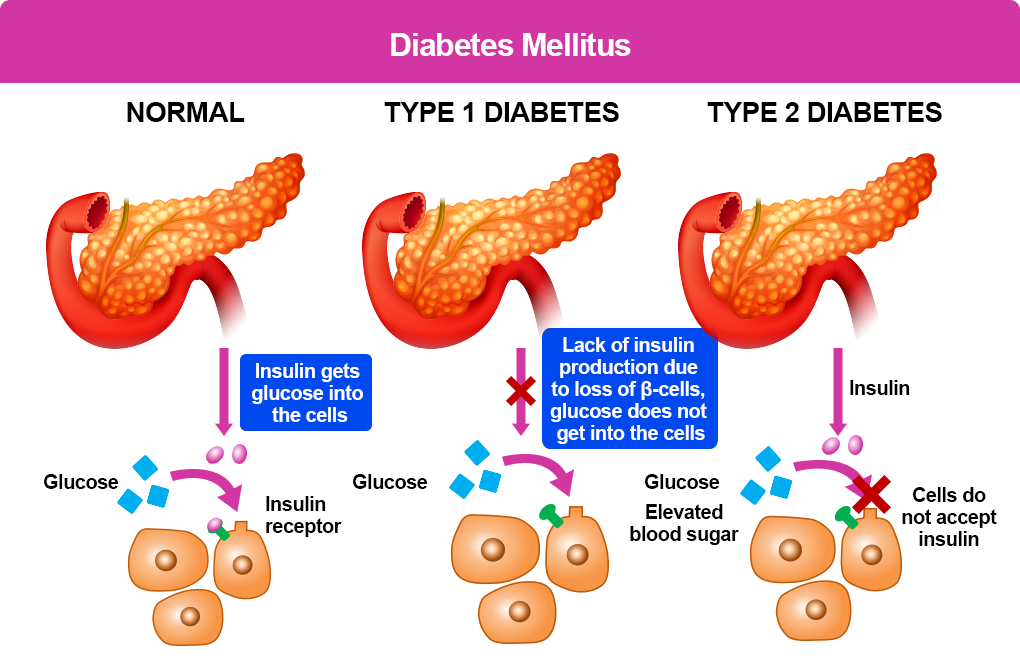
LADA is essentially Type 1 Diabetes with a slow burn. It is an autoimmune condition where your body mistakenly attacks the insulin-producing beta cells in your pancreas. While children diagnosed with T1D often experience a rapid onset of severe symptoms, LADA progresses much more gradually, which is why it took longer for doctors to formally recognize it.
LADA accounts for up to 10% of all diagnosed diabetes cases. This means millions of adults worldwide are living with a form of Type 1 Diabetes that was previously overlooked or misidentified. If you are an adult considering if you could have T1D, knowing the distinction of LADA is crucial.
Why Is It Often Misdiagnosed?
The primary reason LADA is frequently misdiagnosed is its similarity to Type 2 Diabetes (T2D) during the early stages. Both conditions affect adults and initially, LADA patients might still produce enough insulin to manage their blood sugar, mimicking T2D.
Many adults diagnosed with LADA are initially told they have Type 2 Diabetes because they might be overweight, have family history of T2D, or be over the age of 30. Doctors assume insulin resistance is the core issue, not autoimmune destruction.
However, unlike T2D, which involves insulin resistance, LADA involves the progressive destruction of the insulin-producing cells. Within months or a few years, patients with LADA typically become fully dependent on insulin injections, a telltale sign they never had T2D to begin with.
Recognizing the Symptoms in Adulthood
While the symptoms of LADA can develop slowly, they are fundamentally the same as classic Type 1 Diabetes. Pay close attention to these indicators, especially if you have a family history of autoimmune disorders.
Key symptoms to look out for include:
- Unexplained and often rapid weight loss.
- Extreme thirst (polydipsia) and frequent urination (polyuria).
- Chronic fatigue and lethargy.
- Blurred vision that comes and goes.
- Recurrent infections (like yeast infections or skin infections).
If these symptoms seem familiar, it is time to talk to your doctor about specialized testing, particularly if standard T2D treatments like metformin are not effective in controlling your blood sugar levels long-term.
What Causes Type 1 Diabetes Later in Life?
Whether it strikes a child or an adult, Type 1 Diabetes is rooted in an autoimmune response. The exact trigger for this response remains unknown, but researchers believe it is a complex interaction between genetic predisposition and environmental factors.
When the condition appears later in life as LADA, the underlying cause is the same: the immune system targets and destroys the beta cells. The difference lies in the rate of destruction, which is significantly slower in adults.
Genetic and Environmental Factors
Genetics play a major role in determining who is susceptible to LADA and Type 1 Diabetes generally. Certain genes, particularly those related to the Human Leukocyte Antigen (HLA) system, increase the risk of developing an autoimmune response.
However, genetics alone are not enough; an environmental "trigger" is often necessary to switch on the autoimmune attack. Potential triggers include:
- **Viral Infections:** Certain viruses (like Coxsackievirus B, mumps, or rubella) are suspected of mimicking the structure of beta cells, causing the immune system to mistakenly target both the virus and the pancreatic cells.
- **Toxins and Diet:** Early exposure to specific environmental toxins or certain dietary elements (such as early introduction of cow's milk in infancy) has been debated as a contributing factor, though evidence remains inconclusive.
- **Stress:** While stress doesn't cause diabetes, acute physical or psychological stress can sometimes push a latent autoimmune condition into active disease onset.
The key takeaway is that the autoimmune process was likely simmering for years before sufficient beta cell damage occurred to produce noticeable symptoms in adulthood.
How LADA Differs from Typical Type 1 and Type 2
It's important to clarify the distinct progression of LADA compared to the other two main types of diabetes. This understanding is vital for correct treatment.
Childhood T1D is characterized by very rapid beta cell failure, requiring immediate insulin therapy. T2D, on the other hand, begins with insulin resistance, and the pancreas may fail only after many years.
LADA sits in the middle. The pace of beta cell destruction in LADA is slow, often allowing adults to manage blood sugar with diet, exercise, or oral medications for a period of time—sometimes up to five years. Crucially, because it is an autoimmune attack, LADA patients will inevitably require insulin as their beta cells completely fail.
Diagnosis and Management for Adults
If you suspect you may have LADA, or if you have been diagnosed with T2D but find oral medications ineffective, you need specialized testing. Standard blood sugar tests cannot differentiate between T2D and LADA.
To confirm that you truly can get Type 1 Diabetes as an adult, your doctor needs to look for markers of autoimmunity. There are two primary tests used for this purpose.
- **GAD Antibody Test (GAD-65):** This is the gold standard for LADA diagnosis. It tests for the presence of antibodies against Glutamic Acid Decarboxylase (GAD). High levels of GAD antibodies strongly indicate an ongoing autoimmune attack on the pancreas, confirming T1D/LADA.
- **C-Peptide Test:** This test measures how much insulin your body is producing. Very low C-peptide levels indicate significant beta cell destruction, confirming Type 1 Diabetes, even if the onset was slow.
Treating LADA: Protecting Residual Function
Management of LADA differs significantly from typical T2D management. While Type 2 often benefits most from diet, exercise, and medications that increase insulin sensitivity, LADA requires treatment aimed at preserving the remaining beta cell function.
Early insulin therapy is often recommended for LADA patients, even if they aren't fully insulin-dependent yet. Research suggests that introducing insulin early can give the exhausted beta cells a rest, potentially slowing down the autoimmune destruction process.
Standard oral T2D medications, particularly those that stimulate the pancreas heavily (like sulfonylureas), can accelerate beta cell burnout in LADA patients. Therefore, correct diagnosis is essential to prevent unnecessary pancreatic strain.
Living with adult-onset Type 1 Diabetes requires ongoing education and consistent management. Working closely with an endocrinologist is paramount to establishing a management plan that incorporates regular blood glucose monitoring, carefully dosed insulin, and healthy lifestyle choices.
Conclusion
If you were worried and asked, "Can you get Type 1 Diabetes as an adult?" please remember that LADA is a recognized and common condition. While often mistaken for Type 2 Diabetes, LADA is an autoimmune disorder that requires Type 1 management, including eventual insulin dependency.
If you are an adult experiencing unexplained weight loss or severe thirst, do not settle for a generic T2D diagnosis. Request the GAD antibody and C-peptide tests. Receiving an accurate diagnosis is the critical first step in managing LADA effectively and maintaining your long-term health. Knowledge is power, and knowing that you can get Type 1 Diabetes as an adult ensures you receive the care you need.
Frequently Asked Questions (FAQ) About Adult-Onset T1D
- What is the difference between LADA and Type 2 Diabetes?
- LADA is an autoimmune disease (Type 1) where the body attacks insulin-producing cells. Type 2 Diabetes is primarily characterized by insulin resistance, where cells do not respond effectively to insulin. People with LADA eventually become insulin dependent, while T2D patients may or may not need insulin.
- Is LADA hereditary?
- There is a strong genetic component. If a close family member has Type 1 Diabetes or another autoimmune disorder, your risk of developing LADA is increased. However, environment triggers are still needed for the condition to manifest.
- If I manage LADA with diet and exercise now, will I always need insulin?
- Because LADA involves the ongoing destruction of beta cells, the process is progressive and irreversible. While diet and exercise help manage blood sugar, almost all LADA patients eventually require insulin therapy, typically within a few years of diagnosis.
- At what age does LADA typically appear?
- While it can appear earlier, LADA typically affects individuals over the age of 30, with many diagnoses occurring between the ages of 35 and 50. It is defined as a late-onset autoimmune diabetes.
Can You Get Type 1 Diabetes As An Adult
Can You Get Type 1 Diabetes As An Adult Wallpapers
Collection of can you get type 1 diabetes as an adult wallpapers for your desktop and mobile devices.
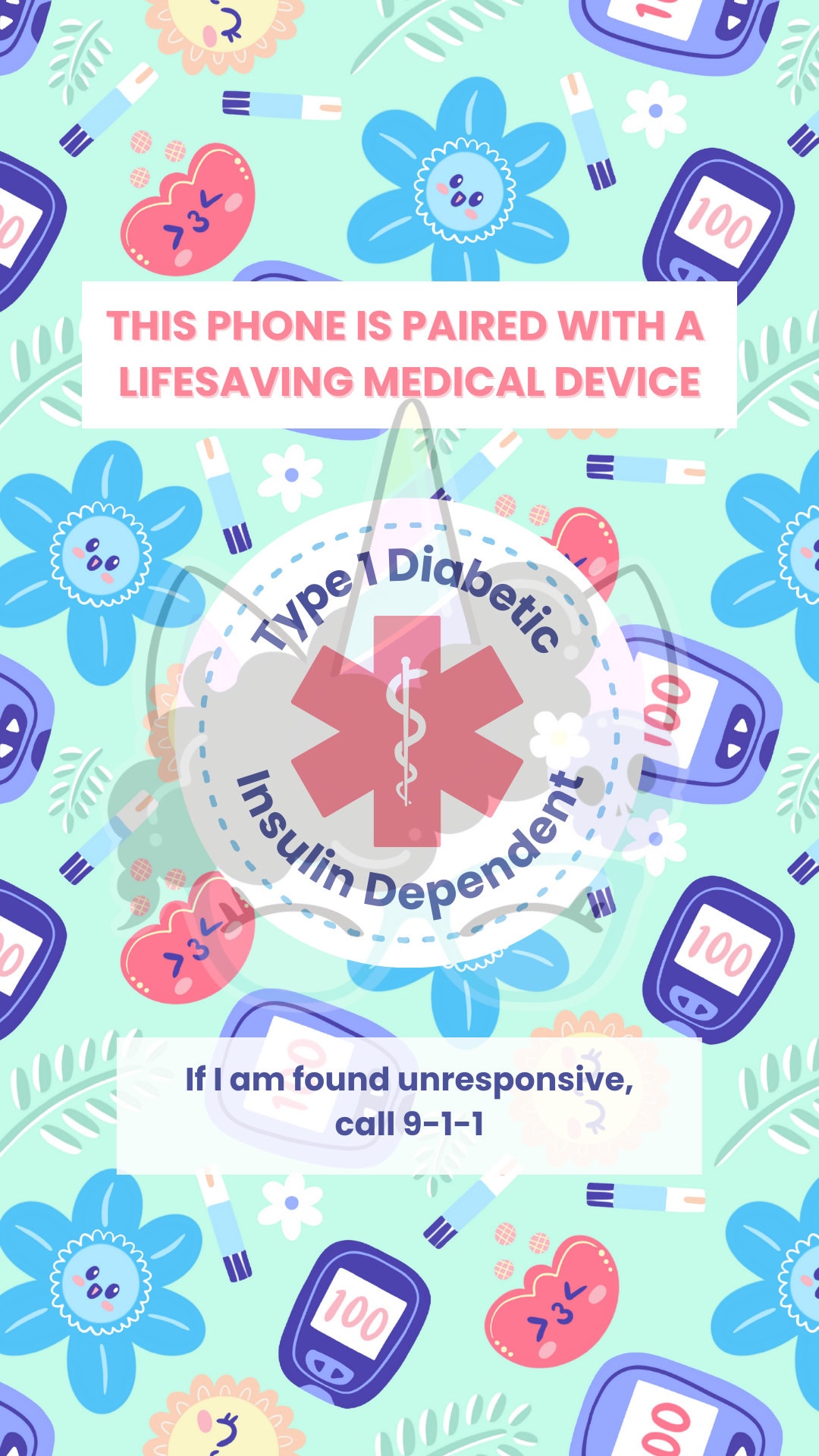
Breathtaking Can You Get Type 1 Diabetes As An Adult View Illustration
Transform your screen with this vivid can you get type 1 diabetes as an adult artwork, a true masterpiece of digital design.

Lush Can You Get Type 1 Diabetes As An Adult Abstract Photography
This gorgeous can you get type 1 diabetes as an adult photo offers a breathtaking view, making it a perfect choice for your next wallpaper.

Beautiful Can You Get Type 1 Diabetes As An Adult Moment Nature
Discover an amazing can you get type 1 diabetes as an adult background image, ideal for personalizing your devices with vibrant colors and intricate designs.
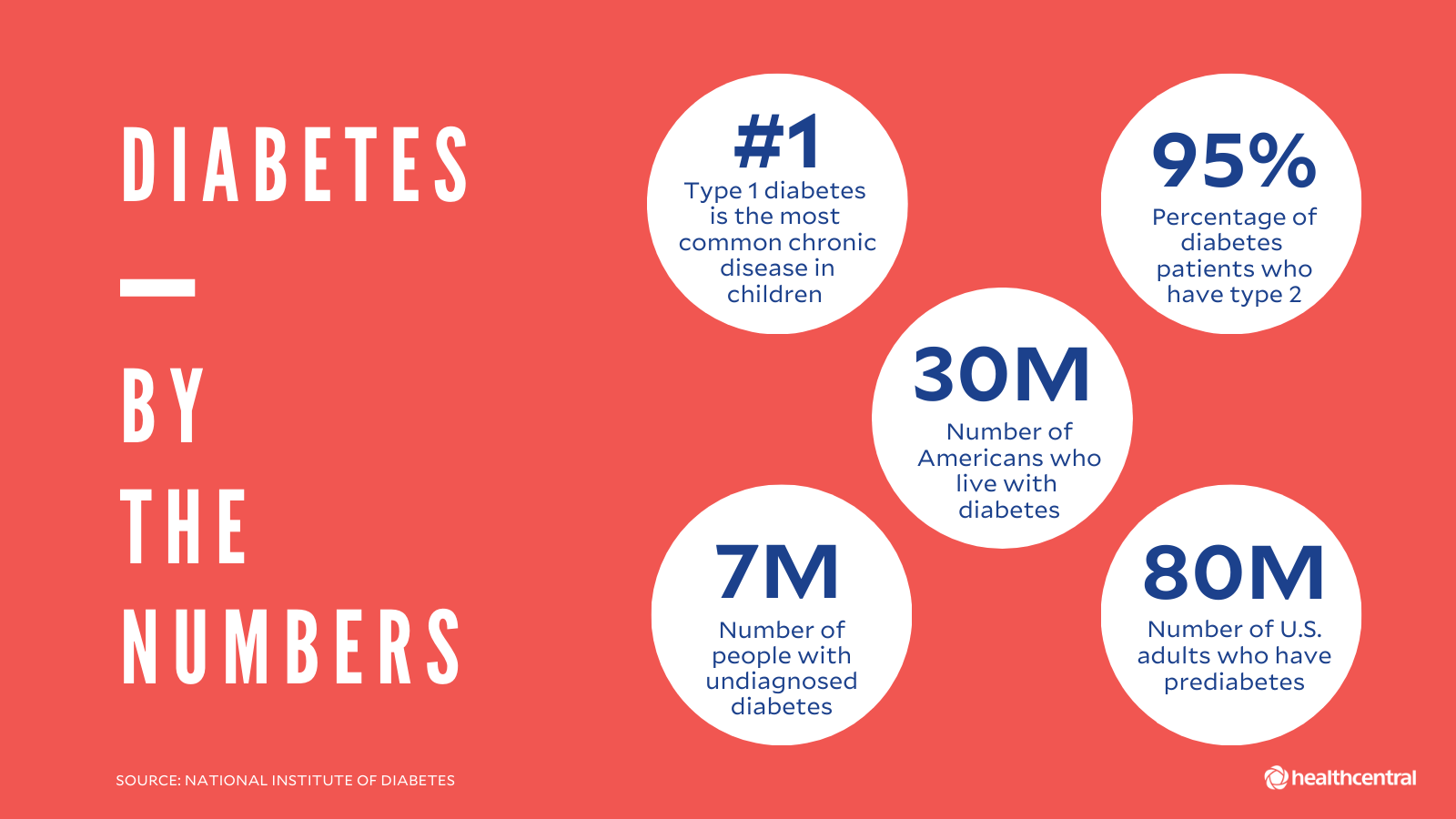
Serene Can You Get Type 1 Diabetes As An Adult Artwork Concept
Discover an amazing can you get type 1 diabetes as an adult background image, ideal for personalizing your devices with vibrant colors and intricate designs.
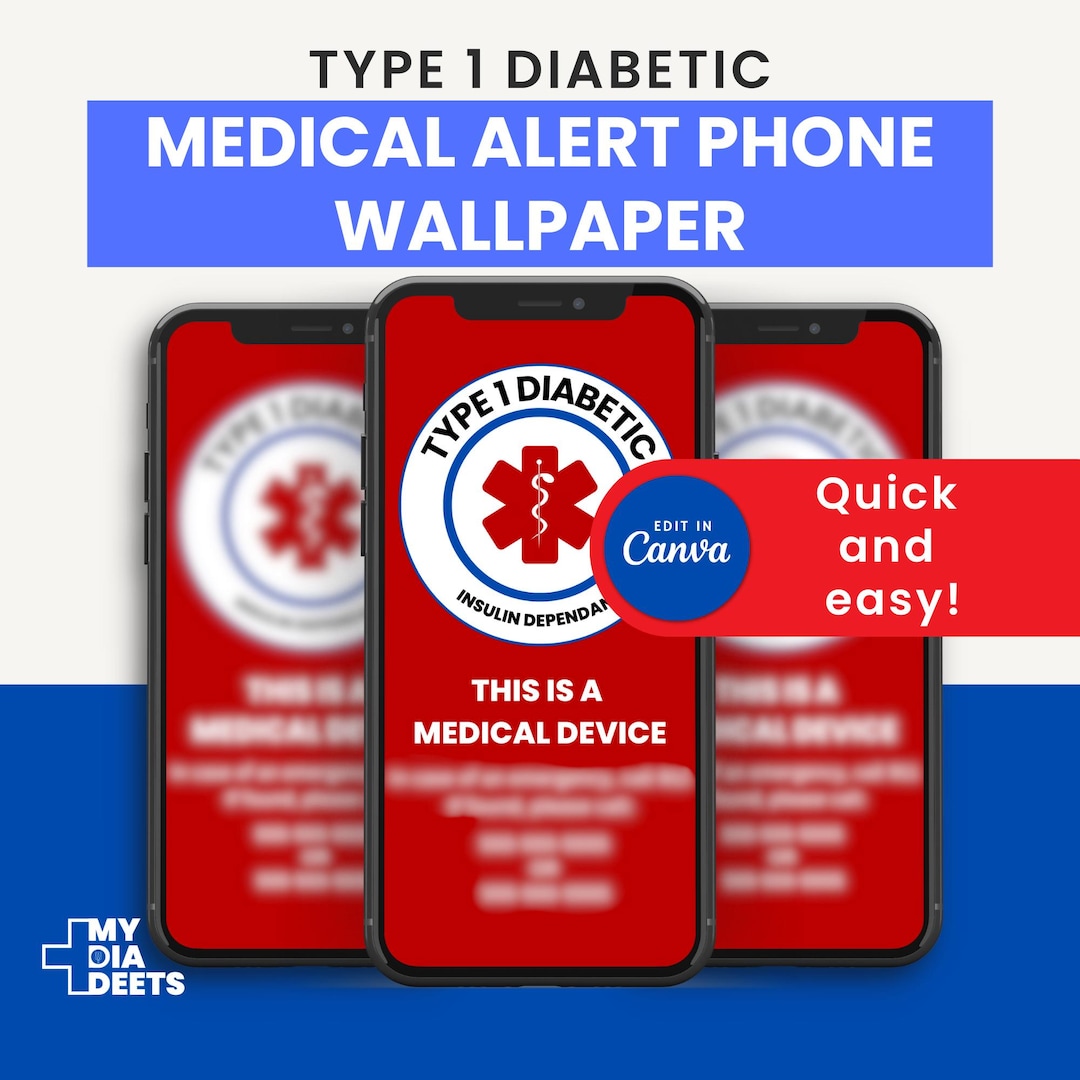
Exquisite Can You Get Type 1 Diabetes As An Adult Image Concept
A captivating can you get type 1 diabetes as an adult scene that brings tranquility and beauty to any device.
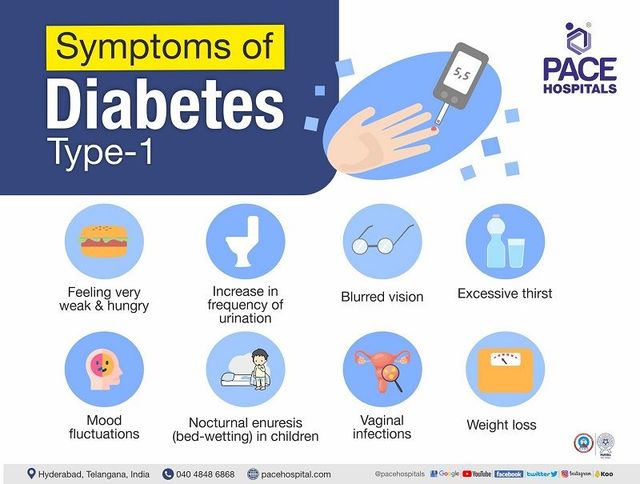
Exquisite Can You Get Type 1 Diabetes As An Adult Photo Nature
Find inspiration with this unique can you get type 1 diabetes as an adult illustration, crafted to provide a fresh look for your background.

Mesmerizing Can You Get Type 1 Diabetes As An Adult Picture Illustration
Experience the crisp clarity of this stunning can you get type 1 diabetes as an adult image, available in high resolution for all your screens.
Gorgeous Can You Get Type 1 Diabetes As An Adult Wallpaper in HD
Find inspiration with this unique can you get type 1 diabetes as an adult illustration, crafted to provide a fresh look for your background.

Vibrant Can You Get Type 1 Diabetes As An Adult Background Art
Experience the crisp clarity of this stunning can you get type 1 diabetes as an adult image, available in high resolution for all your screens.

Gorgeous Can You Get Type 1 Diabetes As An Adult Photo Illustration
This gorgeous can you get type 1 diabetes as an adult photo offers a breathtaking view, making it a perfect choice for your next wallpaper.
Amazing Can You Get Type 1 Diabetes As An Adult Landscape for Desktop
Explore this high-quality can you get type 1 diabetes as an adult image, perfect for enhancing your desktop or mobile wallpaper.

Dynamic Can You Get Type 1 Diabetes As An Adult Design Photography
This gorgeous can you get type 1 diabetes as an adult photo offers a breathtaking view, making it a perfect choice for your next wallpaper.

Captivating Can You Get Type 1 Diabetes As An Adult View Art
This gorgeous can you get type 1 diabetes as an adult photo offers a breathtaking view, making it a perfect choice for your next wallpaper.
Spectacular Can You Get Type 1 Diabetes As An Adult Moment Art
This gorgeous can you get type 1 diabetes as an adult photo offers a breathtaking view, making it a perfect choice for your next wallpaper.
Mesmerizing Can You Get Type 1 Diabetes As An Adult Image Illustration
Transform your screen with this vivid can you get type 1 diabetes as an adult artwork, a true masterpiece of digital design.

Detailed Can You Get Type 1 Diabetes As An Adult Capture for Desktop
Discover an amazing can you get type 1 diabetes as an adult background image, ideal for personalizing your devices with vibrant colors and intricate designs.
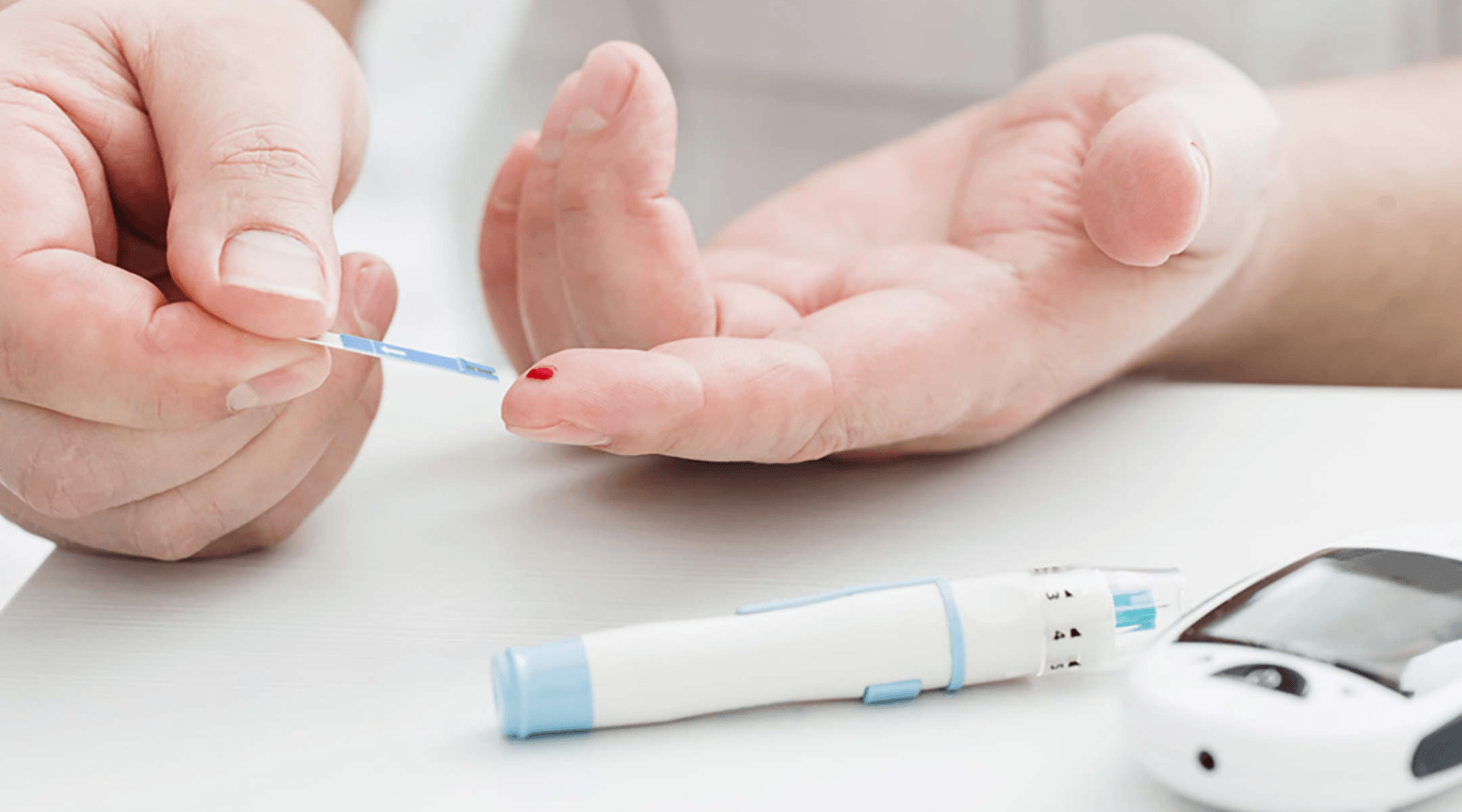
Lush Can You Get Type 1 Diabetes As An Adult Image Nature
Immerse yourself in the stunning details of this beautiful can you get type 1 diabetes as an adult wallpaper, designed for a captivating visual experience.

Amazing Can You Get Type 1 Diabetes As An Adult Artwork Nature
Transform your screen with this vivid can you get type 1 diabetes as an adult artwork, a true masterpiece of digital design.
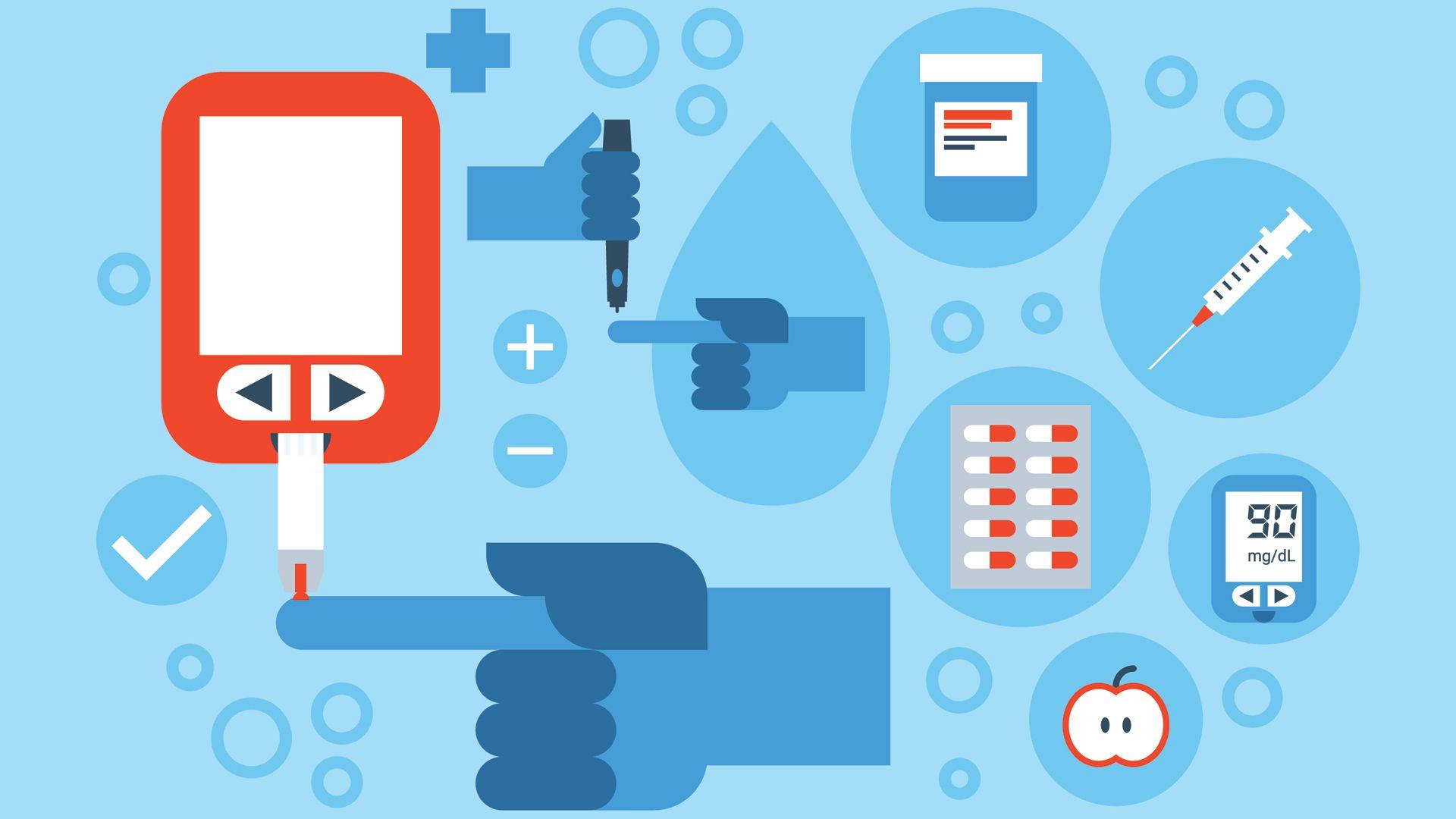
Breathtaking Can You Get Type 1 Diabetes As An Adult View in 4K
Explore this high-quality can you get type 1 diabetes as an adult image, perfect for enhancing your desktop or mobile wallpaper.
Detailed Can You Get Type 1 Diabetes As An Adult Background Collection
Explore this high-quality can you get type 1 diabetes as an adult image, perfect for enhancing your desktop or mobile wallpaper.
Download these can you get type 1 diabetes as an adult wallpapers for free and use them on your desktop or mobile devices.