How Do You Get Jigger Fleas
How Do You Get Jigger Fleas? Understanding Tungiasis and Prevention
If you've ever found yourself worrying about tiny parasites burrowing into your skin, you've probably come across the term "jigger fleas." These aren't your typical house fleas; they are the cause of a painful and serious skin condition called tungiasis. The core question on everyone's mind, especially those living in or traveling to endemic areas, is simple: How do you get jigger fleas?
The short answer is through direct contact with contaminated soil or sand. But understanding the specific ways these microscopic troublemakers find their way onto your body is crucial for effective prevention. We're going to break down exactly what jigger fleas are, where they live, and the steps you can take to keep yourself safe.
What Exactly are Jigger Fleas (Tunga Penetrans)?
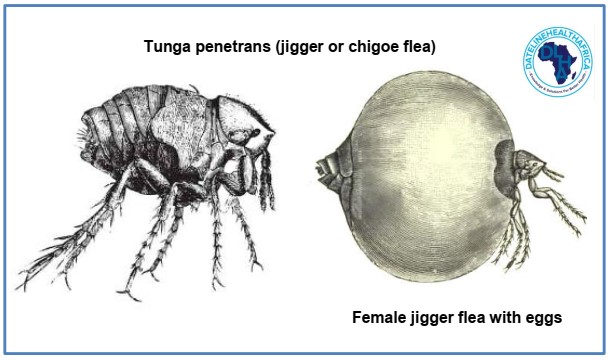
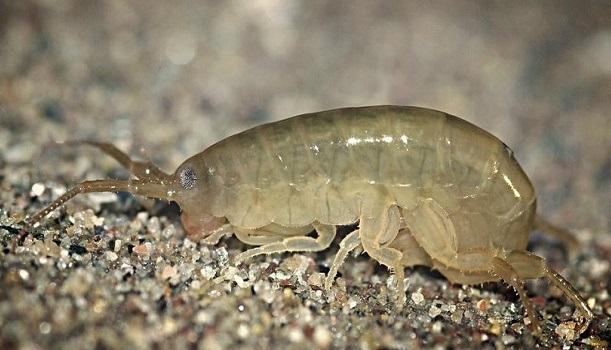
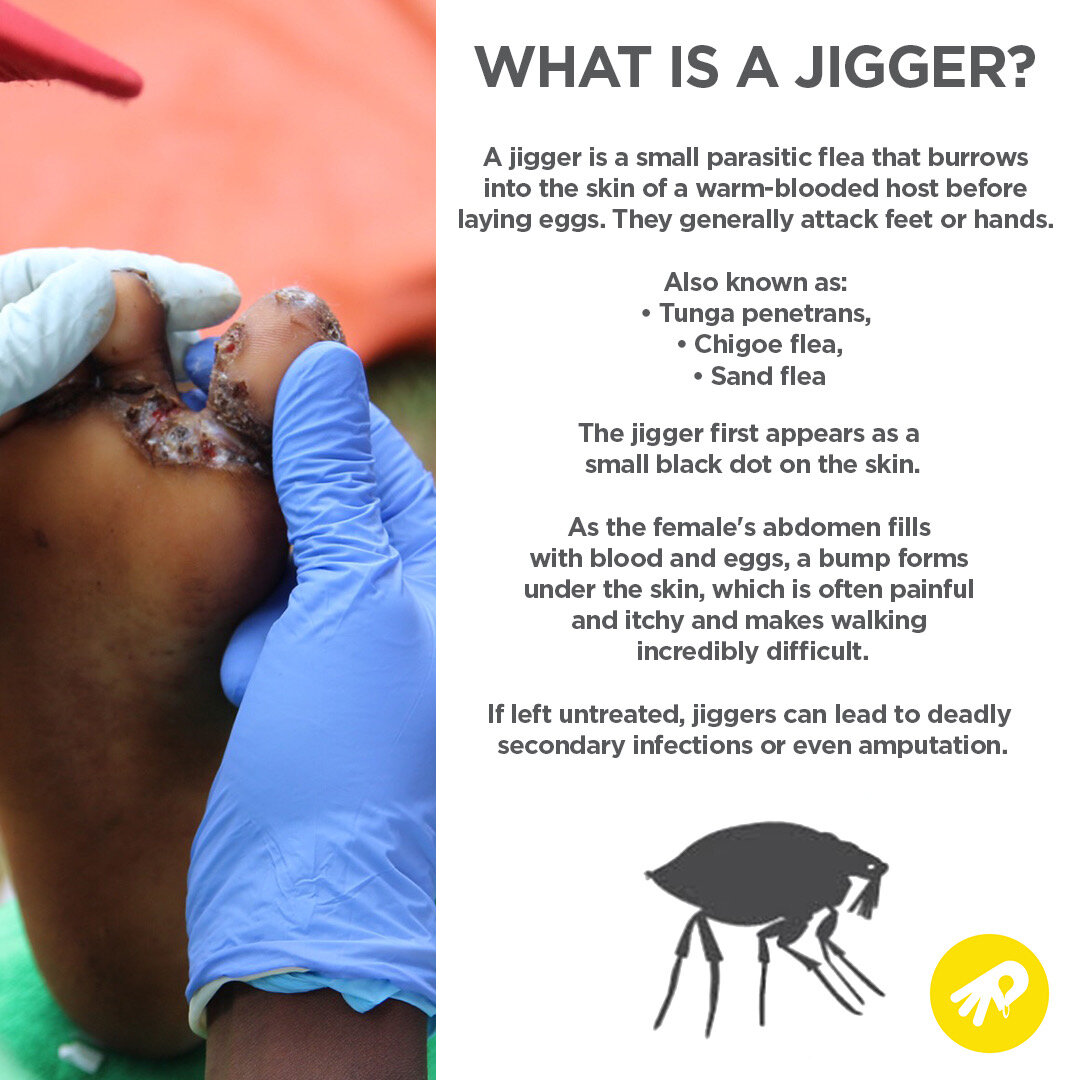
Before we discuss how you get jigger fleas, let's clarify what they are. Jigger fleas are not actually fleas in the traditional sense, but rather a type of sand flea known scientifically as Tunga penetrans. They are the smallest known flea species, measuring less than a millimeter long.
These parasites thrive in tropical and subtropical regions across Central and South America, the Caribbean, and Africa. Unlike common fleas, which feed briefly and move on, the female jigger flea is unique because she burrows into the skin of warm-blooded hosts, including humans and animals, to feed and lay eggs.
This burrowing action is what causes the intense pain, inflammation, and potential secondary infections associated with tungiasis. It's a significant public health issue in poverty-stricken communities where living conditions increase exposure.
Where Do Jigger Fleas Live and Thrive?
Jigger fleas spend most of their life cycle in the environment, specifically in dry, dusty, or sandy areas. They are usually found close to where people and animals congregate. Understanding their habitat helps us understand the transmission risk.
Their preferred nesting grounds include:
- Dirt floors in homes and shelters.
- Sandy areas where livestock or domestic animals (like pigs and dogs) sleep.
- Beaches or fields contaminated by animal waste.
- Schools and play areas with exposed soil.
In short, if the soil is warm, dry, and frequently visited by mammals, it could potentially harbor Tunga penetrans.
So, How Do You Get Jigger Fleas? The Transmission Process
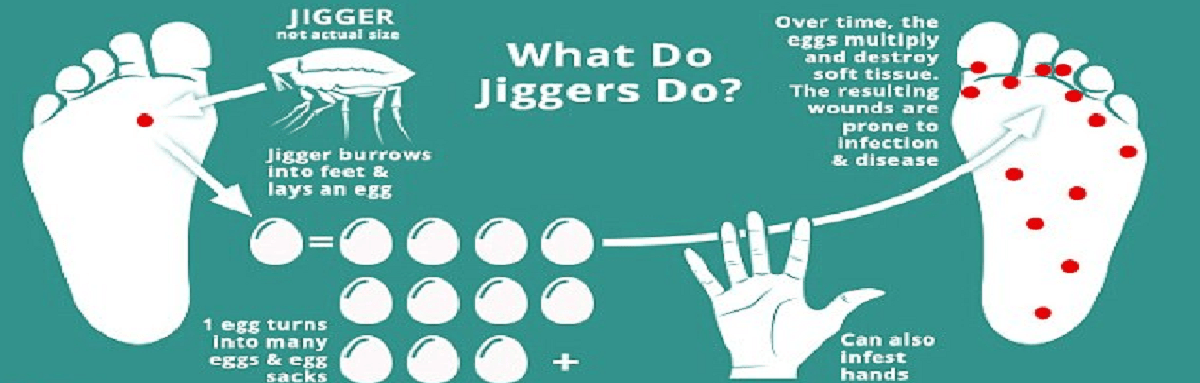
The transmission process is shockingly simple, and it boils down to direct skin contact. When you walk, sit, or lie down on infested ground, the fleas jump onto the skin. Only the female flea is capable of burrowing and causing tungiasis.
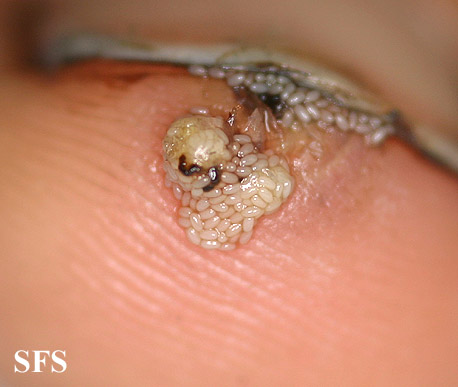
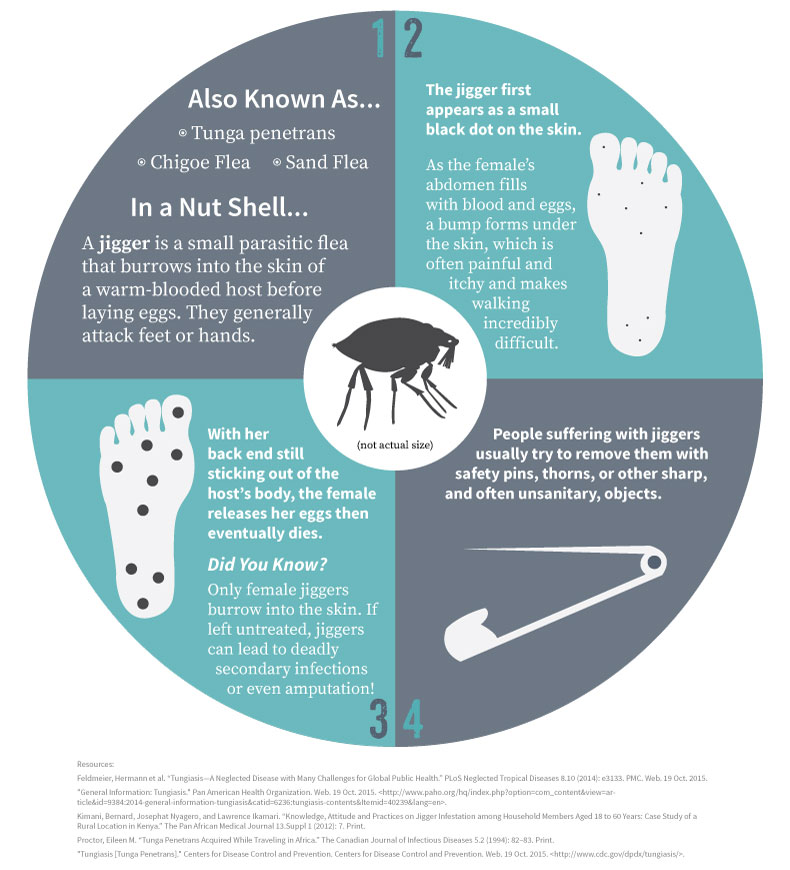
Once on your skin, the female quickly seeks a soft spot, often between the toes or under the toenails, and starts to dig in. This process usually happens very rapidly, often within minutes of contact. Once she has penetrated the skin, she anchors herself in the epidermis (the top layer) and begins to feed on your blood.
The flea will remain burrowed for about two weeks, swelling up significantly as she produces hundreds of eggs, which are eventually expelled onto the ground to continue the cycle. This entire process is exactly how you get jigger fleas—it's a matter of unlucky contact with a parasite-laden environment.
High-Risk Environments and Activities
Exposure risk is greatly increased by certain activities and conditions, particularly those involving minimal protective barriers between your skin and the ground. If you are traveling or living in areas where jigger fleas are common, pay extra attention during these times:
- **Walking Barefoot:** This is the number one cause. Bare feet offer zero protection against fleas lurking in the soil.
- **Sleeping on the Floor:** In areas with poor housing infrastructure, people often sleep directly on dirt or mud floors, increasing prolonged exposure.
- **Children Playing:** Kids playing in communal, dusty areas are highly susceptible, often leading to large numbers of infestations.
- **Poor Hygiene:** Not washing feet regularly after being outdoors allows fleas more time to find a burrowing spot.
Common Points of Entry on the Body
While jigger fleas can burrow anywhere on the body, they have a strong preference for areas where the skin is thin or where they can easily remain undisturbed. These areas are usually the first to come into contact with the ground.
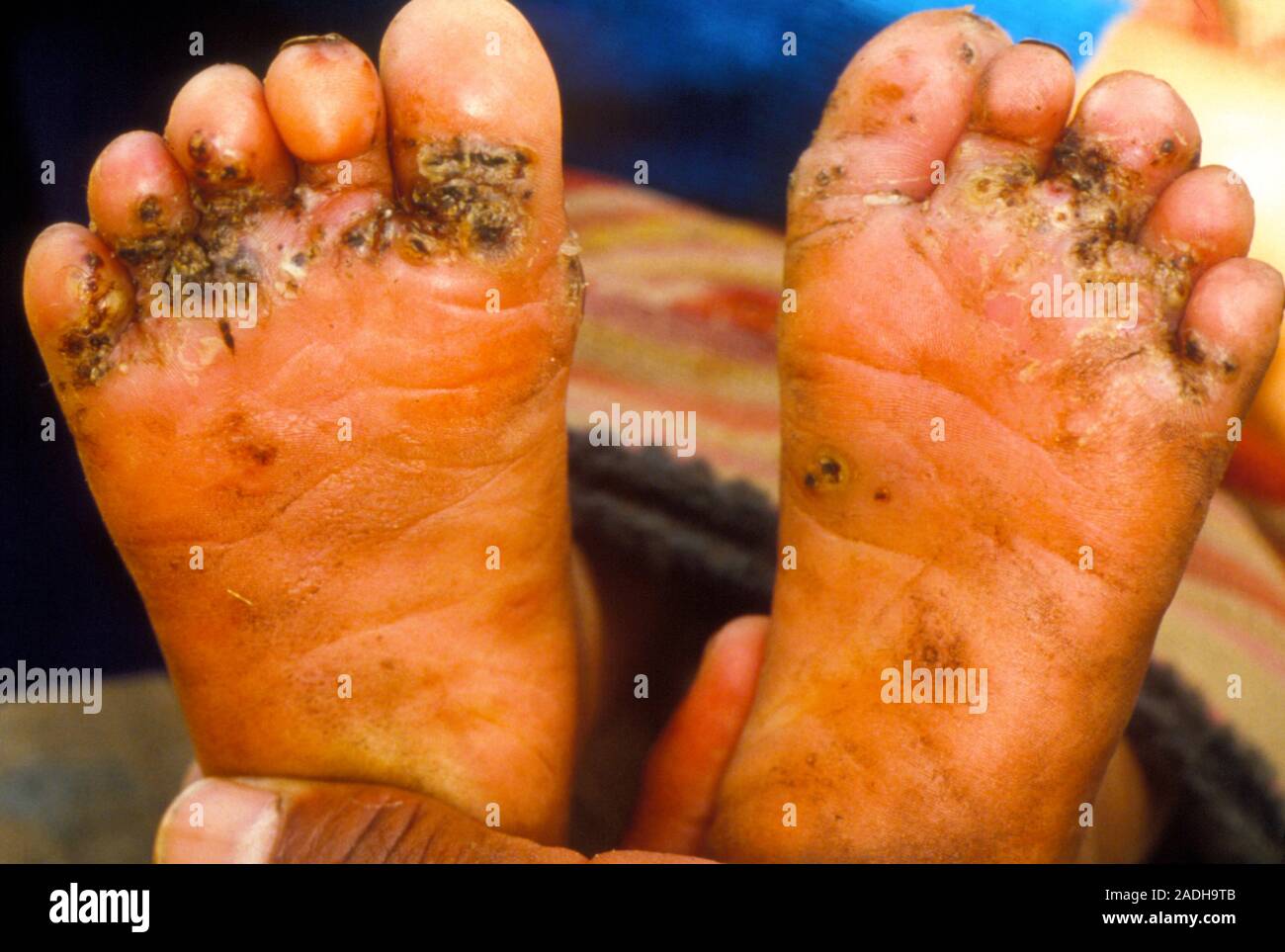
- The soles of the feet.
- Spaces between the toes.
- Around the toenails.
- The heels.
In severe cases, especially among bedridden or disabled individuals, infestations can occur on the hands, elbows, buttocks, and even the torso.
Recognizing the Signs of Jigger Infestation
If you suspect you have been exposed, knowing the signs is vital. The initial burrowing can feel like a quick prick, often mistaken for a common insect bite. However, once the female settles in, the symptoms become quite distinct.
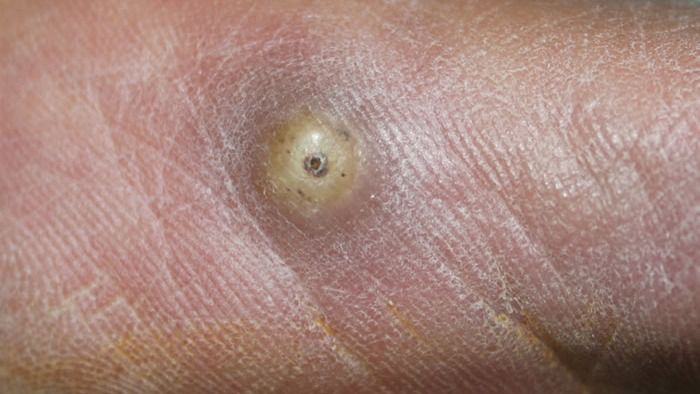
The primary visual sign is a small, raised lesion—a whitish or yellowish bump with a dark spot at the center. This dark spot is the posterior end of the flea, which it uses to breathe and expel eggs.
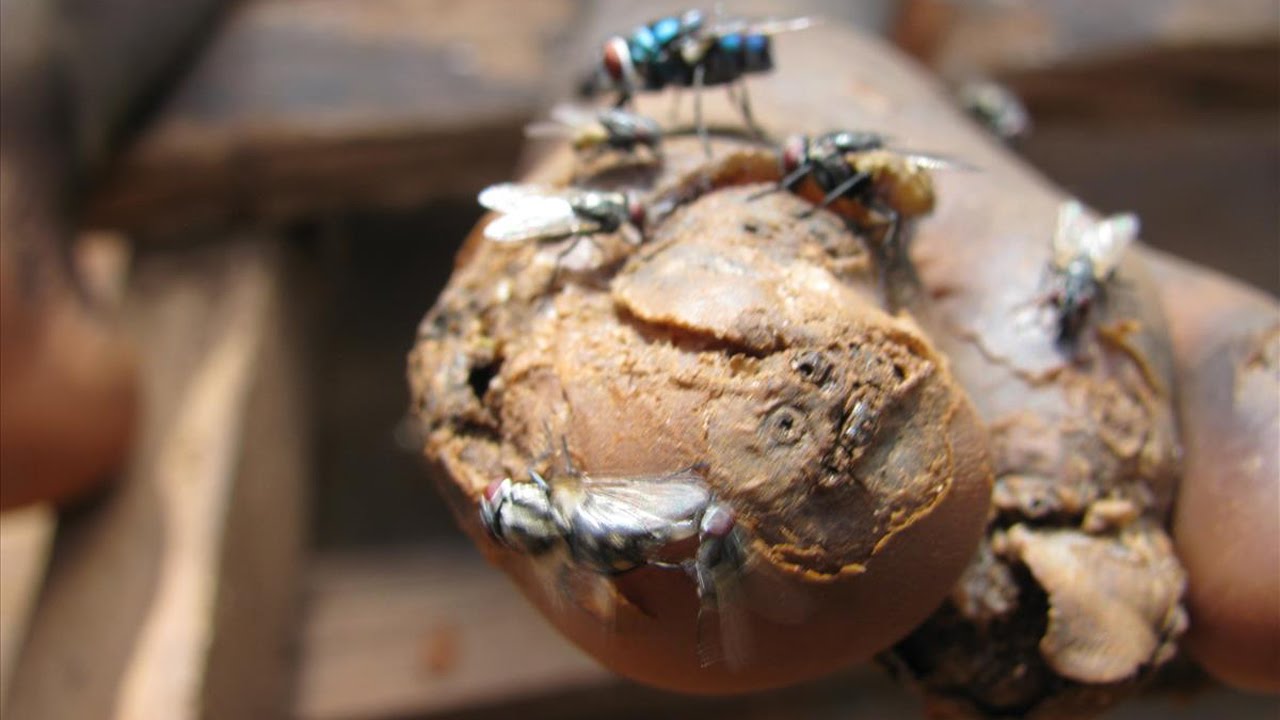
Other symptoms include intense itching (pruritus), pain, inflammation, and redness around the affected area. If multiple fleas are present, walking or using the affected limb can become incredibly difficult.
The Stages of Tungiasis (What Happens After Exposure)
Tungiasis progresses through specific stages as the female flea develops inside the host's skin. Understanding these stages is important for timely removal and treatment.
- **Stage I (Penetration):** Initial entry, often signaled by localized itching or a burning sensation.
- **Stage II (Growth):** The flea begins to feed and grow. The affected area becomes a small, white papule with a dark center. Pain and inflammation start.
- **Stage III (Maximum Swelling):** The nodule reaches its maximum size (up to 1 cm). Severe pain, swelling, and secondary bacterial infection are common at this stage.
- **Stage IV (Resolution):** The flea dies and the expulsion of the remnants begins. The skin starts to heal, but scabbing and scarring remain.
If left untreated, severe cases can lead to secondary infections, abscess formation, tissue loss, and even tetanus or gangrene, which is why early detection and removal are critical.
Practical Tips for Jigger Flea Prevention
Since the primary way you get jigger fleas is through contact with contaminated soil, prevention strategies focus entirely on creating barriers and avoiding high-risk environments. This is good news because prevention is highly effective.
Here are the best ways to protect yourself and your family:
- **Wear Closed Shoes:** Always wear proper, closed-toe footwear, especially when walking in endemic areas or on unpaved ground. Avoid sandals or flip-flops where the soles of your feet are exposed.
- **Regular Foot Inspection and Washing:** Inspect your feet daily and wash them thoroughly with soap and water, paying special attention to the areas between the toes and under the nails.
- **Apply Repellents:** Use insect repellents (such as DEET) on your feet and ankles, or apply a thick layer of petroleum jelly to create a physical barrier against the fleas.
- **Improve Home Sanitation:** If living in an endemic area, treating dirt floors with insecticides or covering them with cement or proper flooring significantly reduces the flea population indoors.
- **Animal Control:** Treat domestic animals (like dogs and pigs) for jigger fleas, as they are reservoirs for the parasites.
Conclusion
Understanding how you get jigger fleas—through simple skin contact with infested dirt or sand—is the key to avoiding tungiasis. The female Tunga penetrans is a persistent pest, but the transmission cycle is easily broken by basic preventative measures.
Whether you are a traveler or a resident of an endemic region, prioritizing footwear and rigorous hygiene, especially foot care, will drastically reduce your risk. While treatment involves careful extraction of the parasite, the easiest path is always prevention. Stay vigilant, keep your feet protected, and you can effectively avoid this painful infestation.
Frequently Asked Questions (FAQ)
- Can jigger fleas jump very high?
- No. Unlike typical fleas, jigger fleas have limited jumping capability. They usually wait in the top layer of sand or soil and latch onto a host through direct contact with the skin, especially the feet.
- Is tungiasis contagious from person to person?
- Tungiasis is not contagious in the traditional sense. You cannot catch it directly from an infected person. Infestation occurs only through contact with the infected environment (soil/sand) where the female flea lives.
- How long does a jigger flea stay in the skin?
- A female jigger flea will typically remain burrowed in the skin for 10 to 14 days. After this period, she dies, and the body of the flea is usually expelled as the skin heals, though this can leave scarring.
- Is it safe to remove jigger fleas myself?
- While it is possible to remove a jigger flea, it is highly recommended that extraction be performed by trained health personnel under sterile conditions. Improper removal can lead to secondary infections, abscesses, or the incomplete removal of the parasite, leading to further complications.
How Do You Get Jigger Fleas
How Do You Get Jigger Fleas Wallpapers
Collection of how do you get jigger fleas wallpapers for your desktop and mobile devices.
Spectacular How Do You Get Jigger Fleas Photo in 4K
Immerse yourself in the stunning details of this beautiful how do you get jigger fleas wallpaper, designed for a captivating visual experience.

Vivid How Do You Get Jigger Fleas View for Desktop
Discover an amazing how do you get jigger fleas background image, ideal for personalizing your devices with vibrant colors and intricate designs.
Lush How Do You Get Jigger Fleas Picture Illustration
This gorgeous how do you get jigger fleas photo offers a breathtaking view, making it a perfect choice for your next wallpaper.
Captivating How Do You Get Jigger Fleas Abstract Photography
A captivating how do you get jigger fleas scene that brings tranquility and beauty to any device.

Crisp How Do You Get Jigger Fleas Moment in HD
Find inspiration with this unique how do you get jigger fleas illustration, crafted to provide a fresh look for your background.

Lush How Do You Get Jigger Fleas Image Illustration
This gorgeous how do you get jigger fleas photo offers a breathtaking view, making it a perfect choice for your next wallpaper.
Detailed How Do You Get Jigger Fleas Landscape Collection
Transform your screen with this vivid how do you get jigger fleas artwork, a true masterpiece of digital design.
Exquisite How Do You Get Jigger Fleas Moment Nature
This gorgeous how do you get jigger fleas photo offers a breathtaking view, making it a perfect choice for your next wallpaper.

Beautiful How Do You Get Jigger Fleas Abstract Art
Transform your screen with this vivid how do you get jigger fleas artwork, a true masterpiece of digital design.
Lush How Do You Get Jigger Fleas Scene Concept
Immerse yourself in the stunning details of this beautiful how do you get jigger fleas wallpaper, designed for a captivating visual experience.

High-Quality How Do You Get Jigger Fleas Moment Collection
Discover an amazing how do you get jigger fleas background image, ideal for personalizing your devices with vibrant colors and intricate designs.
Serene How Do You Get Jigger Fleas Capture Art
Discover an amazing how do you get jigger fleas background image, ideal for personalizing your devices with vibrant colors and intricate designs.

Mesmerizing How Do You Get Jigger Fleas Wallpaper Digital Art
Transform your screen with this vivid how do you get jigger fleas artwork, a true masterpiece of digital design.

Beautiful How Do You Get Jigger Fleas Picture in 4K
Experience the crisp clarity of this stunning how do you get jigger fleas image, available in high resolution for all your screens.
Vibrant How Do You Get Jigger Fleas Picture Illustration
Discover an amazing how do you get jigger fleas background image, ideal for personalizing your devices with vibrant colors and intricate designs.

Beautiful How Do You Get Jigger Fleas Image Illustration
Discover an amazing how do you get jigger fleas background image, ideal for personalizing your devices with vibrant colors and intricate designs.

Serene How Do You Get Jigger Fleas Abstract in HD
Transform your screen with this vivid how do you get jigger fleas artwork, a true masterpiece of digital design.

Breathtaking How Do You Get Jigger Fleas Capture Photography
Explore this high-quality how do you get jigger fleas image, perfect for enhancing your desktop or mobile wallpaper.
Crisp How Do You Get Jigger Fleas Scene in HD
Find inspiration with this unique how do you get jigger fleas illustration, crafted to provide a fresh look for your background.

Vibrant How Do You Get Jigger Fleas Landscape for Desktop
Experience the crisp clarity of this stunning how do you get jigger fleas image, available in high resolution for all your screens.
Download these how do you get jigger fleas wallpapers for free and use them on your desktop or mobile devices.