How To Get A Delusional Person To Seek Help
How To Get A Delusional Person To Seek Help: A Compassionate Guide
If you have a loved one who is experiencing delusions, you know how confusing, frustrating, and heartbreaking the situation can be. Watching someone you care about live in a reality that doesn't exist is terrifying, and the major hurdle is often figuring out How To Get A Delusional Person To Seek Help when they genuinely believe nothing is wrong.
This guide is designed to offer compassionate and actionable steps. Remember, you are not alone in this challenge. The key is approaching the situation with patience, empathy, and strategically sound communication techniques.
Understanding Delusions and Why Seeking Help is Hard
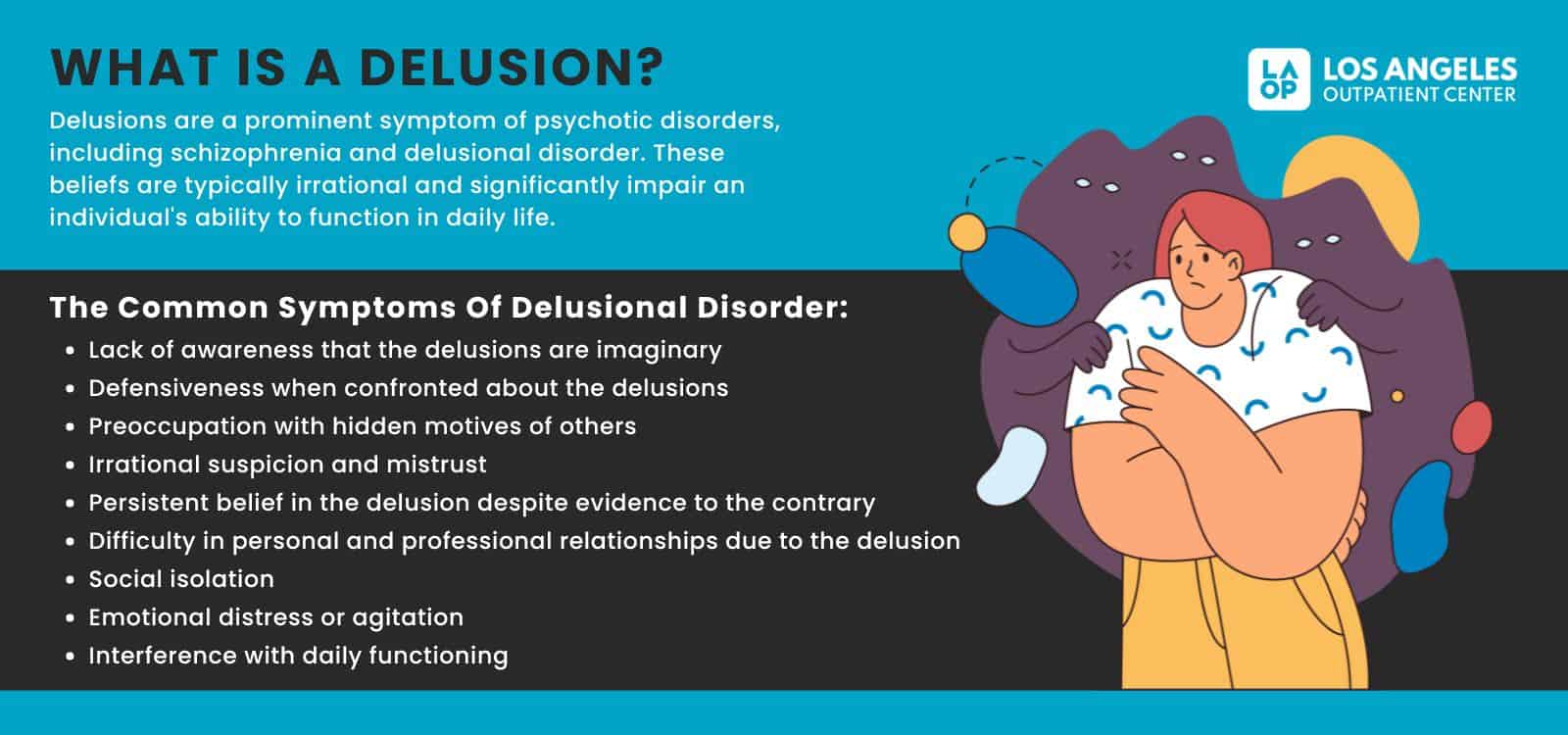
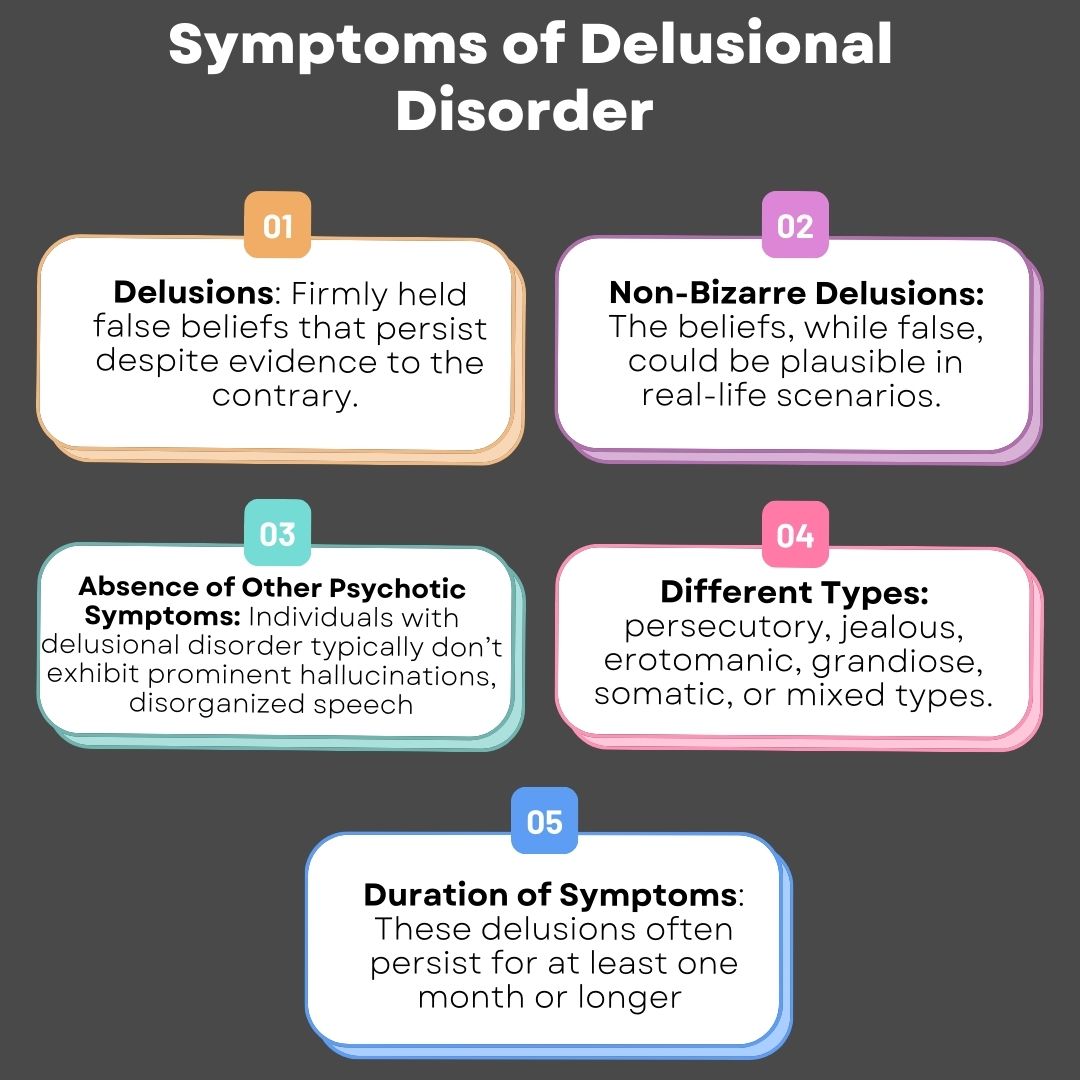
Delusions are fixed, false beliefs that conflict with reality but are strongly maintained even in the face of contradictory evidence. They are often symptoms of conditions like schizophrenia, severe bipolar disorder, or schizoaffective disorder.
For the person experiencing them, these beliefs are 100% real. Imagine trying to convince someone the sky isn't blue—that is the level of certainty they feel. This fundamental difference in reality makes seeking help incredibly difficult.
The Core Challenge: Lack of Insight
One of the primary symptoms accompanying delusions is "anosognosia," or lack of insight. This means the person genuinely does not realize they are ill. If they believe the FBI is monitoring their phone, why would they go to a therapist? They believe they need protection, not treatment.
Therefore, the traditional strategy of reasoning or presenting evidence usually backfires. It can increase their distress, causing them to withdraw further and solidify their conviction that you, too, are part of the perceived threat or plot.
Before You Act: Safety and Preparation
Before initiating the conversation about treatment, you must ensure both your safety and theirs. Delusional thinking, especially if combined with paranoia or command hallucinations, can sometimes lead to unpredictable behavior.
Prioritizing Your Own Well-being
Caring for someone experiencing severe mental illness is exhausting. You must maintain your own support system. This is a marathon, not a sprint, and burnout will render you ineffective.
- Seek counseling for yourself to cope with the stress.
- Establish clear boundaries regarding acceptable and unacceptable behavior.
- Have an emergency plan in place should the situation escalate to a crisis.
Consulting Professionals (Even Before They Agree)
It is crucial to consult a mental health professional, such as a psychiatrist or a clinical social worker, even if your loved one is refusing treatment. They can provide tailored advice on How To Get A Delusional Person To Seek Help based on the specific type of delusion and the severity of the symptoms.
In the US, organizations like the National Alliance on Mental Illness (NAMI) offer resources and educational materials that can help you understand the legal options and best communication practices.
Gentle Strategies: How To Get A Delusional Person To Seek Help (The Approach)
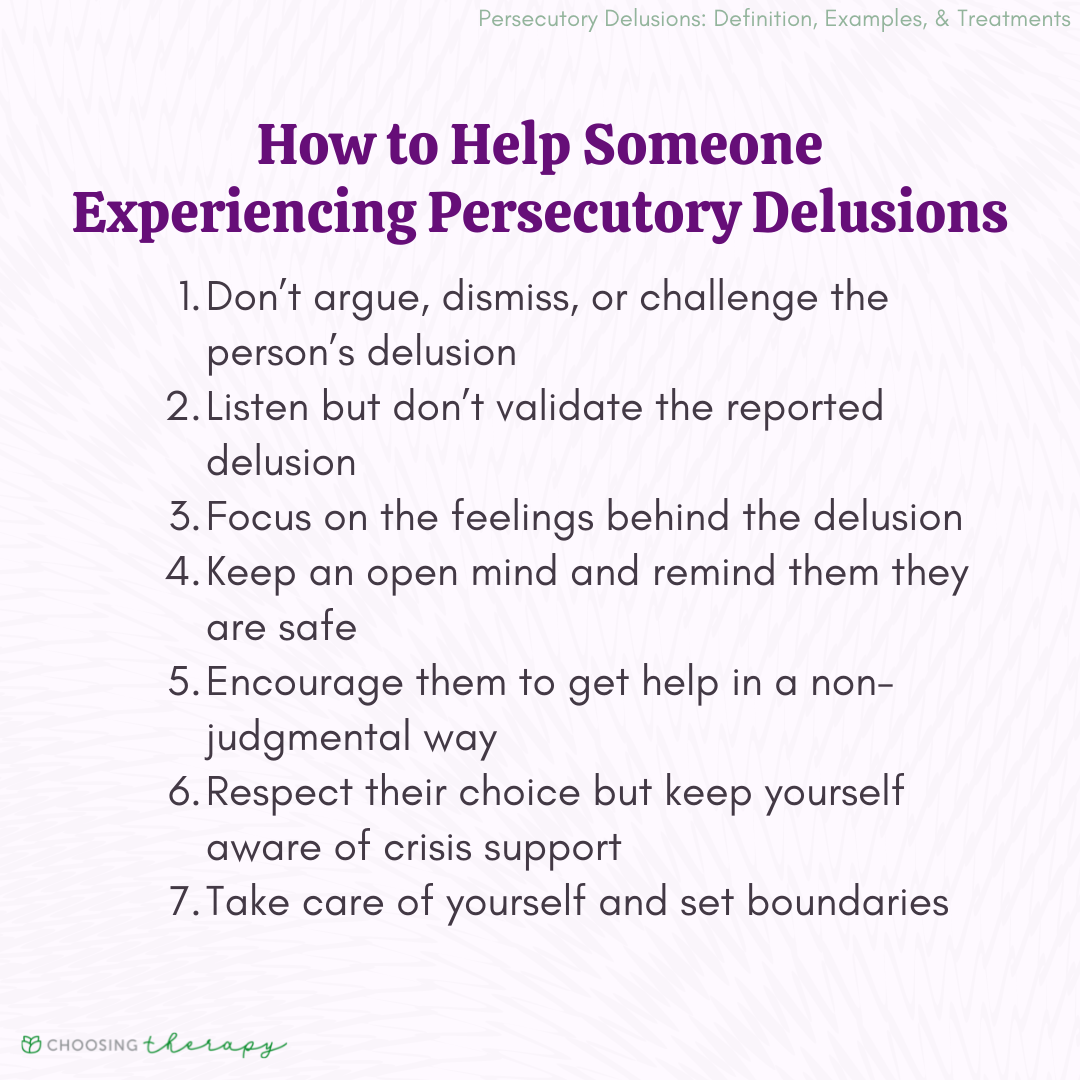
The core of successfully nudging a delusional person toward treatment lies in bypassing the delusions entirely and focusing on secondary issues they might acknowledge. Never try to prove them wrong, as this only fosters antagonism.
Don't Challenge the Delusion Directly
Challenging the delusion is a guaranteed roadblock. If they say, "The TV is sending me secret messages," responding with "That's impossible, the TV is broken" will be interpreted as a betrayal. Instead, use validating but non-committal language.
Try responses like: "That sounds terrifying," or "I understand why you believe that," or simply, "I hear you." This validates their experience of distress without confirming the reality of the delusion.
Focus on Feelings, Not Facts (Using Empathy)
The most effective strategy is connecting treatment to symptoms they find uncomfortable, such as anxiety, insomnia, or intense sadness. Frame therapy or medication as a tool to relieve these acknowledged problems, rather than a fix for their belief system.
For example, if the person is paranoid and isn't sleeping, you could say: "I see you are very stressed and haven't slept well in weeks. Could we talk to a doctor about helping you relax and get better rest?" This shifts the focus from their "false beliefs" to their genuine, recognized suffering.
Using "I" Statements Effectively
When communicating distress, use "I" statements to describe how their behavior impacts you, rather than focusing on how "sick" they are. This reduces defensiveness.
- "I feel worried when you stay awake all night talking about the surveillance cameras."
- "I would feel much safer if we could schedule a check-up with the family doctor, just to rule out any physical causes for your anxiety."
- "I miss spending time with you when you are feeling so distant and stressed. Let's find something that helps relieve that stress."
The goal is small wins. Sometimes the first step is agreeing to see a general practitioner for an acknowledged physical complaint (like a headache or difficulty concentrating). That GP can then initiate a referral to a psychiatric specialist.
When Crisis Hits: Recognizing the Need for Urgent Intervention
Despite your best efforts, there are times when the situation escalates beyond voluntary engagement. In these moments, safety is paramount, and involuntary intervention may become necessary. This is especially true if the person becomes a danger to themselves or others.
If you reach a point where your loved one's delusions are guiding dangerous actions, you must act decisively. Contacting emergency services (911 or a mental health crisis line) is appropriate.
In most jurisdictions, involuntary commitment (often called a '72-hour hold' or similar legal status) requires the person to meet specific criteria:
- They pose an immediate danger to themselves (e.g., suicidal ideation tied to the delusion).
- They pose an immediate danger to others (e.g., threats of violence prompted by paranoia).
- They are gravely disabled (unable to provide for their basic needs like food, shelter, or hygiene, often due to delusional preoccupation).
Before calling for help, be clear with the dispatcher that this is a mental health crisis involving delusions. Ask specifically for a Crisis Intervention Team (CIT) officer if your local police force has one, as they are trained to de-escalate these situations with minimal force.
Ultimately, making the decision for involuntary treatment is agonizing, but it is often necessary to ensure the long-term survival and stability of the person struggling with severe delusions. It is an act of care, not control.
Conclusion
Learning How To Get A Delusional Person To Seek Help is one of the most demanding challenges a family can face. It requires shifting your focus from convincing them of reality to validating their emotional distress. Start small, focus on improving recognized symptoms like sleep or anxiety, and always prioritize maintaining a compassionate and trusting relationship.
Remember that professional intervention, whether voluntary or involuntary, is the pathway to stability and recovery. Be patient, protect your own health, and keep seeking professional guidance throughout this journey.
Frequently Asked Questions (FAQ)
- What should I absolutely NOT say to someone experiencing delusions?
- Do not argue, mock, dismiss, or try to logically prove their delusion is wrong. Avoid statements like, "That's crazy," or "You need to snap out of it." These phrases destroy trust and increase isolation.
- Is it okay to lie to get them to the doctor?
- While it is tempting, deception usually backfires. If they find out you lied about where you were going (e.g., telling them it's a coffee date when it's an appointment), the resulting paranoia can severely damage trust. It is generally better to focus on minor, non-threatening complaints (like needing a check-up for a non-psychiatric issue) that a doctor can then use to initiate a mental health assessment.
- Can delusions disappear without medication?
- While mild, temporary delusional thoughts can sometimes resolve on their own (especially if tied to severe sleep deprivation or acute stress), persistent delusions associated with conditions like schizophrenia generally require pharmaceutical intervention (antipsychotics) to stabilize. Therapy alone is usually not sufficient for active delusional symptoms.
- How long does it take for treatment to work?
- It varies greatly. Once medication is started, it may take several weeks or even months to find the right dosage and combination of drugs that successfully reduce or eliminate the delusional thinking. Consistency and adherence to the treatment plan are essential for long-term recovery.
How To Get A Delusional Person To Seek Help
How To Get A Delusional Person To Seek Help Wallpapers
Collection of how to get a delusional person to seek help wallpapers for your desktop and mobile devices.

Exquisite How To Get A Delusional Person To Seek Help Photo Collection
Immerse yourself in the stunning details of this beautiful how to get a delusional person to seek help wallpaper, designed for a captivating visual experience.

Vivid How To Get A Delusional Person To Seek Help Capture Photography
Transform your screen with this vivid how to get a delusional person to seek help artwork, a true masterpiece of digital design.

Breathtaking How To Get A Delusional Person To Seek Help Design in HD
Experience the crisp clarity of this stunning how to get a delusional person to seek help image, available in high resolution for all your screens.

Dynamic How To Get A Delusional Person To Seek Help Background for Mobile
This gorgeous how to get a delusional person to seek help photo offers a breathtaking view, making it a perfect choice for your next wallpaper.

Serene How To Get A Delusional Person To Seek Help Moment for Mobile
Discover an amazing how to get a delusional person to seek help background image, ideal for personalizing your devices with vibrant colors and intricate designs.

Detailed How To Get A Delusional Person To Seek Help Photo for Desktop
Explore this high-quality how to get a delusional person to seek help image, perfect for enhancing your desktop or mobile wallpaper.

Beautiful How To Get A Delusional Person To Seek Help Wallpaper Collection
Discover an amazing how to get a delusional person to seek help background image, ideal for personalizing your devices with vibrant colors and intricate designs.
Detailed How To Get A Delusional Person To Seek Help Artwork Digital Art
Transform your screen with this vivid how to get a delusional person to seek help artwork, a true masterpiece of digital design.

Breathtaking How To Get A Delusional Person To Seek Help Moment Photography
Explore this high-quality how to get a delusional person to seek help image, perfect for enhancing your desktop or mobile wallpaper.

Amazing How To Get A Delusional Person To Seek Help Image Concept
Discover an amazing how to get a delusional person to seek help background image, ideal for personalizing your devices with vibrant colors and intricate designs.
Artistic How To Get A Delusional Person To Seek Help View for Your Screen
Immerse yourself in the stunning details of this beautiful how to get a delusional person to seek help wallpaper, designed for a captivating visual experience.

Vibrant How To Get A Delusional Person To Seek Help Scene for Mobile
Discover an amazing how to get a delusional person to seek help background image, ideal for personalizing your devices with vibrant colors and intricate designs.

Spectacular How To Get A Delusional Person To Seek Help Picture Digital Art
This gorgeous how to get a delusional person to seek help photo offers a breathtaking view, making it a perfect choice for your next wallpaper.

Gorgeous How To Get A Delusional Person To Seek Help Wallpaper Nature
Find inspiration with this unique how to get a delusional person to seek help illustration, crafted to provide a fresh look for your background.

Amazing How To Get A Delusional Person To Seek Help Image Photography
Discover an amazing how to get a delusional person to seek help background image, ideal for personalizing your devices with vibrant colors and intricate designs.

Gorgeous How To Get A Delusional Person To Seek Help Artwork for Desktop
This gorgeous how to get a delusional person to seek help photo offers a breathtaking view, making it a perfect choice for your next wallpaper.
Serene How To Get A Delusional Person To Seek Help Artwork Digital Art
Transform your screen with this vivid how to get a delusional person to seek help artwork, a true masterpiece of digital design.

Serene How To Get A Delusional Person To Seek Help Artwork Concept
Discover an amazing how to get a delusional person to seek help background image, ideal for personalizing your devices with vibrant colors and intricate designs.

Beautiful How To Get A Delusional Person To Seek Help Landscape in HD
Transform your screen with this vivid how to get a delusional person to seek help artwork, a true masterpiece of digital design.

High-Quality How To Get A Delusional Person To Seek Help Wallpaper Concept
Experience the crisp clarity of this stunning how to get a delusional person to seek help image, available in high resolution for all your screens.
Download these how to get a delusional person to seek help wallpapers for free and use them on your desktop or mobile devices.