When Did Women Get The Right To Work
When Did Women Get The Right To Work: A Historical Look at Labor Equality
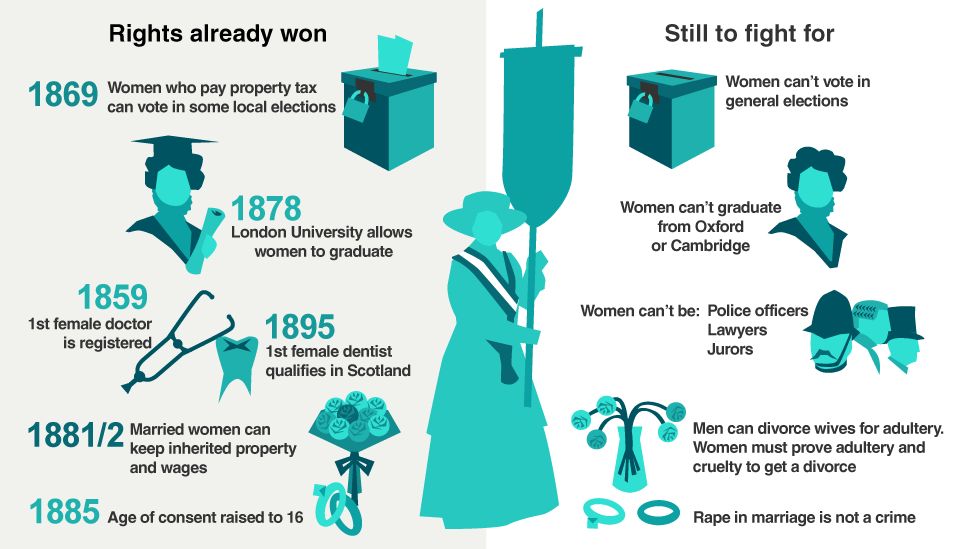
That is a fantastic question, and one that often leads us down a complex rabbit hole of history, economics, and civil rights. When we ask, "When Did Women Get The Right To Work," we aren't just asking when women started earning money—because women have always worked. Instead, we are inquiring about the critical point in history when women secured the legal right to pursue employment, receive equal treatment, and access opportunities without being barred solely due to their gender.
The journey toward true employment equality has been long and fraught with challenges. It's not a single date we can circle on the calendar, but rather a series of legislative victories and profound social shifts, primarily occurring throughout the 20th century. Let's dive into the history to understand the pivotal moments that shaped the modern workplace.
The Early Days: Work as Necessity, Not Right
Before the Industrial Revolution, work was often inextricably linked to the home and family farm. Women played vital, though frequently unpaid, roles in production, from weaving clothes to managing livestock. While essential, this labor was rarely recognized in the public sphere or granted the same status as male labor.
As industrialization took hold, many women, particularly those from working-class or immigrant families, entered factories, textile mills, and domestic service. They worked brutal hours for meager wages, often performing the most dangerous and tedious tasks. Crucially, this employment was seen as a temporary measure—a necessity until marriage, or an economic stop-gap for the family—rather than a lifetime career or inherent right.
In many sectors, protective labor laws, ironically, hindered equality. While intended to shield women from exploitation, these laws often restricted the hours women could work or banned them from certain high-paying, industrial jobs entirely, effectively limiting their economic potential and reinforcing the idea that women were the "weaker sex" unfit for strenuous work.
Wartime Shifts: Rosie the Riveter and Economic Necessity
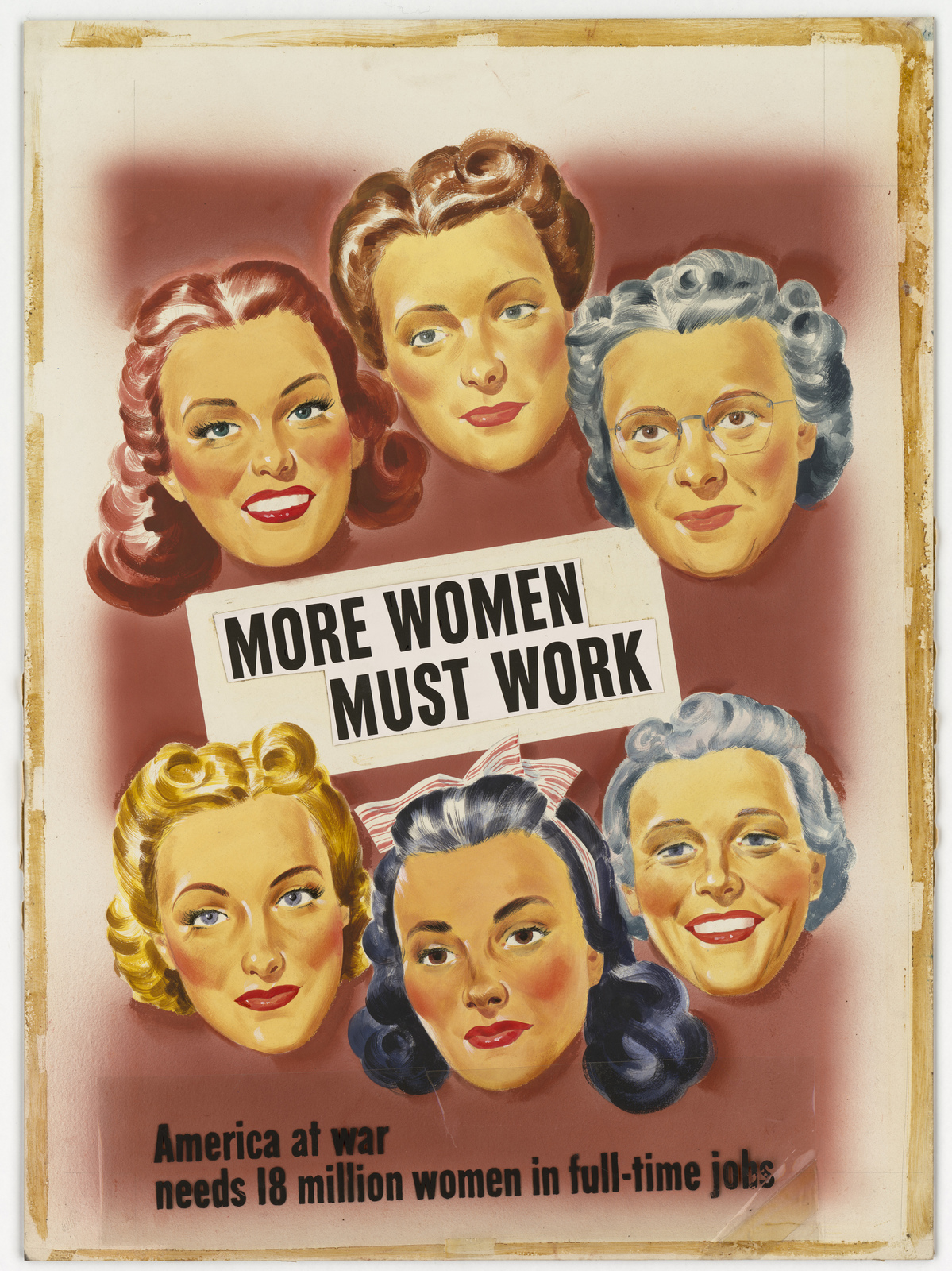
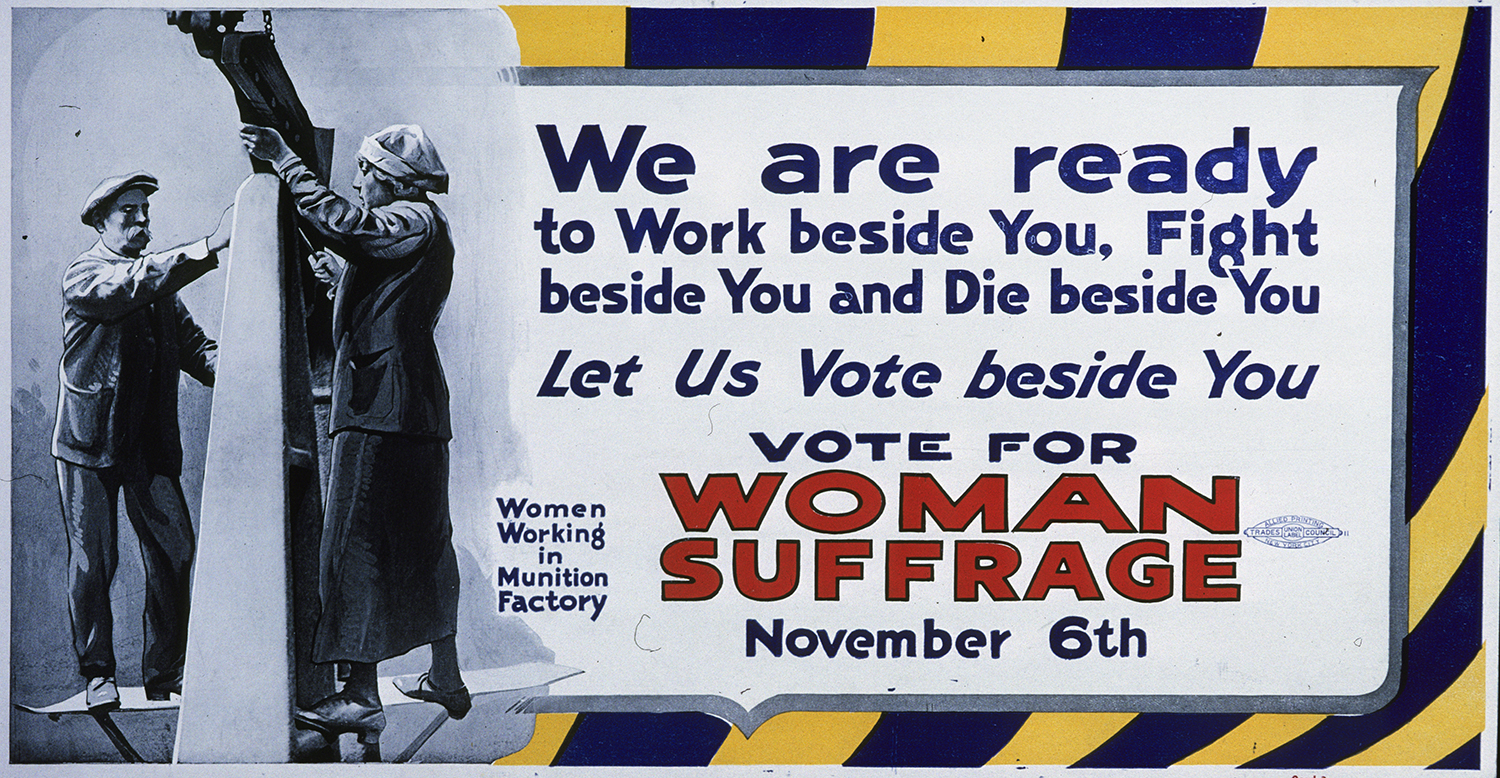
World War I and, even more significantly, World War II served as massive accelerators for women's entry into diverse professional fields. When millions of men left their jobs to join the military, women stepped into heavy industry, manufacturing, and technical roles that were previously deemed exclusively male.
The iconic image of "Rosie the Riveter" symbolized this shift. It proved, beyond a shadow of a doubt, that women were perfectly capable of handling complex, demanding, and high-skilled labor. Though many women were laid off when the veterans returned, this period permanently changed the national conversation about women's capabilities and their place in the formal economy. It laid the foundation for demanding the official right to work.
Legal Battles and Legislative Wins
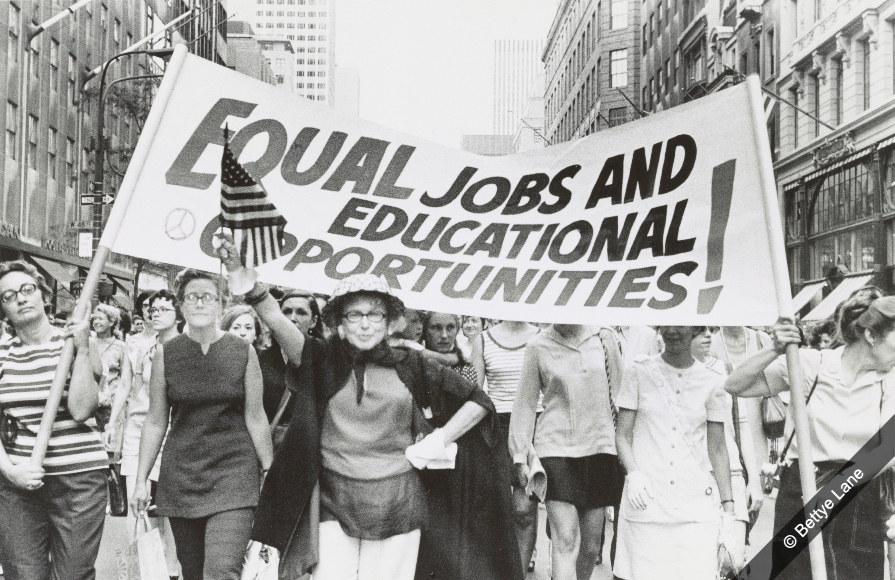
The 1960s stand as the true inflection point for the question, "When Did Women Get The Right To Work" in the legal sense. This decade saw critical legislation passed in the United States that finally protected women against blatant workplace discrimination. These legal frameworks didn't just allow women to work; they demanded that they be treated fairly while working.
Before these major changes, job postings could legally specify "Men Only" or offer significantly lower wages to women for performing the exact same duties. The following legislation made these practices illegal and enforceable:
- The Equal Pay Act of 1963: Addressed wage gaps based on sex.
- Title VII of the Civil Rights Act of 1964: Banned broader employment discrimination.
- Executive Order 11375 (1967): Required federal contractors to ensure non-discrimination based on sex.
The Civil Rights Act of 1964 and Title VII
The most important piece of legislation answering the question of when women got the right to work is undeniably the Civil Rights Act of 1964, specifically Title VII. While the Act is largely recognized for ending racial discrimination, its inclusion of "sex" as a protected characteristic was revolutionary—and, notably, added almost as an afterthought to try and derail the bill!
Title VII makes it illegal for an employer to discriminate against any individual with respect to hiring, firing, compensation, terms, conditions, or privileges of employment because of the individual's sex. This landmark law provided the legal teeth necessary for women to fight against systemic workplace bias. After 1964, women finally had a clear, federally protected "right to work" in nearly any job they qualified for.
Fighting Wage Discrimination: The Equal Pay Act
Prior to the passage of Title VII, President John F. Kennedy signed the Equal Pay Act (EPA) into law in 1963. While Title VII is broader, the EPA specifically targeted the pervasive issue of wage disparity. It requires that men and women be given equal pay for equal work in the same establishment.
Even if the jobs have slightly different titles, if they require substantially equal skill, effort, and responsibility, and are performed under similar working conditions, the pay must be the same. The EPA was a necessary precursor, ensuring that once women gained access to professional roles, they wouldn't automatically be undervalued financially compared to their male colleagues. The combined power of the EPA and Title VII finally codified the right to work on equal terms.
Beyond Legislation: Social Acceptance and Modern Challenges
While the right to work was legally secured in the 1960s, the battle for true equality continues. Legislation provides a framework, but social and cultural barriers often take longer to dismantle. We still see challenges in areas like leadership representation and juggling family responsibilities.
For instance, the Pregnancy Discrimination Act of 1978 and the Family and Medical Leave Act (FMLA) of 1993 were later additions, acknowledging that biological differences related to childbearing cannot be a legitimate reason to deny women opportunity or fire them. These acts recognize that having the right to work must also mean having the right to manage family life without sacrificing one's career entirely.
Today, the discussion focuses less on whether women have the legal right to work, and more on eliminating the persistent "glass ceiling," addressing the residual wage gap, and improving workplace flexibility. The right is secured, but maximizing the opportunity requires ongoing effort.
Here are some of the areas where the fight for workplace equality continues:
- Achieving true pay transparency across industries.
- Increasing female representation in STEM fields and executive leadership.
- Ensuring adequate parental leave and childcare support for working families.
- Combating subtle, unconscious biases during hiring and promotion processes.
Conclusion
The question, "When Did Women Get The Right To Work," moves from ancient history—where necessity dictated work—to the mid-20th century, where legal rights were finally established. Though women have contributed to the economy for centuries, the legal recognition of their equal right to employment largely arrived in the United States in 1964 with the passage of the Civil Rights Act and Title VII.
This legislation was transformative, banning discrimination based on sex and providing the foundation for modern workplace equality. While the battle for equitable treatment, equal pay, and representation continues, it is the revolutionary decade of the 1960s that cemented women's standing as legally protected, independent economic actors with the enforceable right to pursue any career path.
Frequently Asked Questions (FAQ)
- When did women first start working outside the home?
- Women have always worked outside the home, particularly in agriculture or domestic service. However, large-scale entry into industrial and factory jobs began significantly during the Industrial Revolution (late 18th/early 19th centuries).
- What specific law granted women the legal right to work?
- The most crucial legal framework is Title VII of the Civil Rights Act of 1964. This law prohibited discrimination in employment based on sex, effectively securing the legal right to work without gender-based barriers.
- Did the Suffrage Movement help women get the right to work?
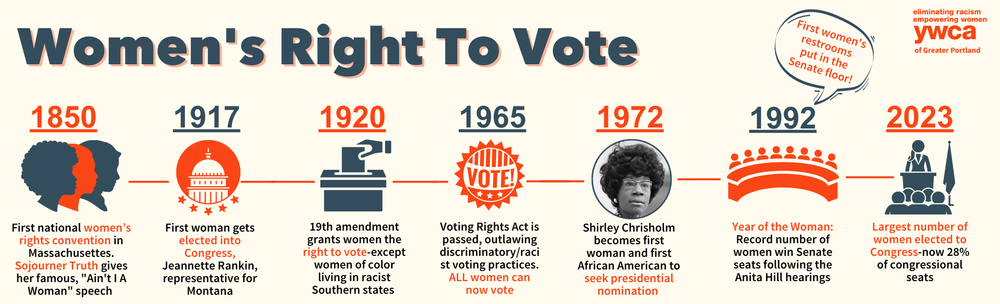
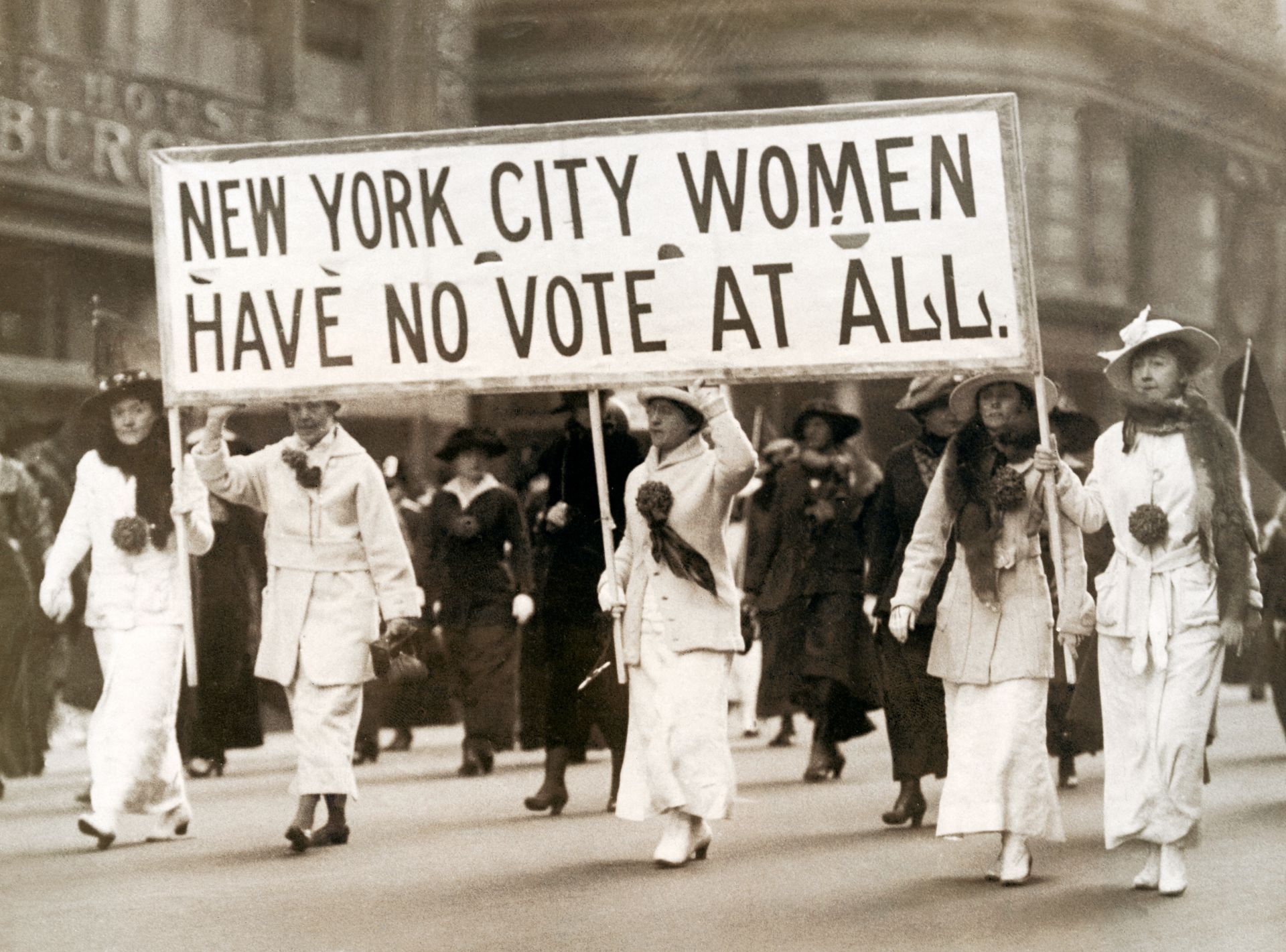
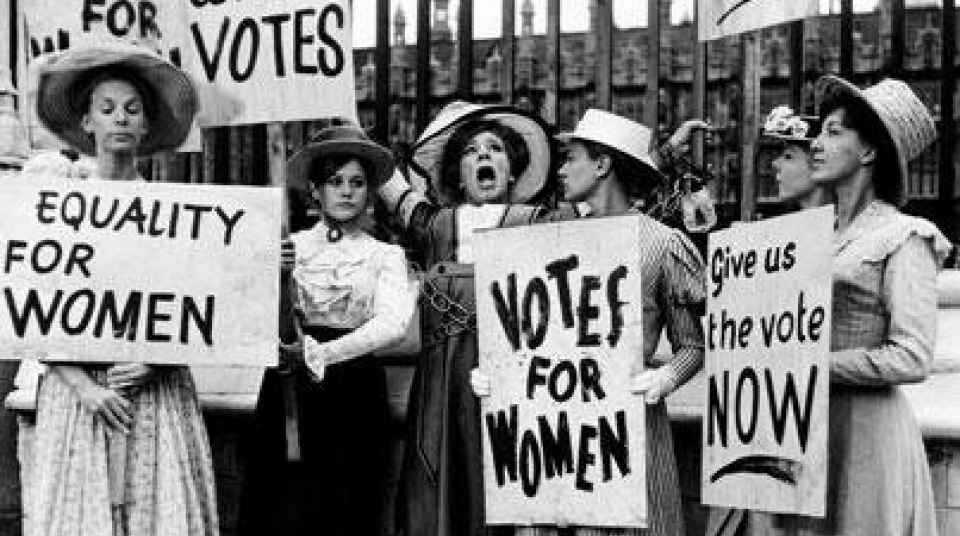
- Yes, indirectly. The Suffrage Movement (which secured voting rights in 1920) was crucial in establishing women as full citizens. This political power laid the necessary groundwork for future legislative achievements regarding employment and economic rights.
- Why is the fight for equal pay still ongoing if the Equal Pay Act passed in 1963?
- The Equal Pay Act addresses pay disparities for "equal work." However, the persistent gap is often due to systemic issues like women being tracked into lower-paying fields, career interruptions due to childrearing (the "motherhood penalty"), and unconscious bias in salary negotiation and promotion, which requires more complex solutions than just comparing salaries for identical roles.
When Did Women Get The Right To Work
When Did Women Get The Right To Work Wallpapers
Collection of when did women get the right to work wallpapers for your desktop and mobile devices.
Breathtaking When Did Women Get The Right To Work Moment for Mobile
Explore this high-quality when did women get the right to work image, perfect for enhancing your desktop or mobile wallpaper.

Vibrant When Did Women Get The Right To Work Design for Your Screen
Explore this high-quality when did women get the right to work image, perfect for enhancing your desktop or mobile wallpaper.
Spectacular When Did Women Get The Right To Work Abstract for Mobile
Find inspiration with this unique when did women get the right to work illustration, crafted to provide a fresh look for your background.
Mesmerizing When Did Women Get The Right To Work Abstract Collection
Explore this high-quality when did women get the right to work image, perfect for enhancing your desktop or mobile wallpaper.

Stunning When Did Women Get The Right To Work Moment Nature
A captivating when did women get the right to work scene that brings tranquility and beauty to any device.
Captivating When Did Women Get The Right To Work Design Photography
This gorgeous when did women get the right to work photo offers a breathtaking view, making it a perfect choice for your next wallpaper.
Artistic When Did Women Get The Right To Work Abstract Digital Art
This gorgeous when did women get the right to work photo offers a breathtaking view, making it a perfect choice for your next wallpaper.
Captivating When Did Women Get The Right To Work Moment in HD
This gorgeous when did women get the right to work photo offers a breathtaking view, making it a perfect choice for your next wallpaper.

Gorgeous When Did Women Get The Right To Work Moment for Your Screen
This gorgeous when did women get the right to work photo offers a breathtaking view, making it a perfect choice for your next wallpaper.
Gorgeous When Did Women Get The Right To Work Scene Digital Art
Find inspiration with this unique when did women get the right to work illustration, crafted to provide a fresh look for your background.
Vibrant When Did Women Get The Right To Work View in 4K
Experience the crisp clarity of this stunning when did women get the right to work image, available in high resolution for all your screens.
Breathtaking When Did Women Get The Right To Work Moment Photography
Transform your screen with this vivid when did women get the right to work artwork, a true masterpiece of digital design.

Beautiful When Did Women Get The Right To Work Picture Concept
Explore this high-quality when did women get the right to work image, perfect for enhancing your desktop or mobile wallpaper.

Lush When Did Women Get The Right To Work Picture in 4K
Find inspiration with this unique when did women get the right to work illustration, crafted to provide a fresh look for your background.

Amazing When Did Women Get The Right To Work Scene in HD
Explore this high-quality when did women get the right to work image, perfect for enhancing your desktop or mobile wallpaper.

Beautiful When Did Women Get The Right To Work Moment Art
Explore this high-quality when did women get the right to work image, perfect for enhancing your desktop or mobile wallpaper.
Crisp When Did Women Get The Right To Work Wallpaper Collection
This gorgeous when did women get the right to work photo offers a breathtaking view, making it a perfect choice for your next wallpaper.
Dynamic When Did Women Get The Right To Work Artwork for Your Screen
Immerse yourself in the stunning details of this beautiful when did women get the right to work wallpaper, designed for a captivating visual experience.
Lush When Did Women Get The Right To Work Background for Your Screen
A captivating when did women get the right to work scene that brings tranquility and beauty to any device.

Mesmerizing When Did Women Get The Right To Work Picture for Mobile
Transform your screen with this vivid when did women get the right to work artwork, a true masterpiece of digital design.
Download these when did women get the right to work wallpapers for free and use them on your desktop or mobile devices.