When Should You Get Your First Colonoscopy
When Should You Get Your First Colonoscopy? Everything You Need to Know
If you've hit your 40s, or perhaps even earlier, you've likely started hearing the phrase: "It's time for your colonoscopy." It sounds daunting, but this routine screening is truly one of the most powerful tools we have against colorectal cancer. It's totally normal to feel a little nervous or confused about the timing.
So, let's cut through the noise and answer the big question directly: When Should You Get Your First Colonoscopy? The guidelines have shifted recently, and understanding when you need to schedule this procedure can literally save your life. We are here to guide you through the current recommendations, especially if you have specific risk factors that might push your timeline forward.
The Standard Guideline: Hitting the Magic Age
For decades, the standard advice was to get your first routine colonoscopy when you turned 50. However, data has clearly shown a worrying trend: colorectal cancer is increasing in younger adults. This rise has prompted major medical organizations to update their recommendations.
Today, the standard recommendation for most average-risk individuals is much earlier. The American Cancer Society (ACS) and the U.S. Preventive Services Task Force (USPSTF) now advise:
Age 45: This is the new benchmark for individuals considered to be at average risk for colorectal cancer. If you are generally healthy, have no troubling symptoms, and no strong family history of the disease, 45 is your target age for initial screening.
Why the change? Screening at 45 allows doctors to detect and remove small polyps—which are precancerous growths—before they have a chance to develop into full-blown cancer. This simple adjustment in timing maximizes the procedure's preventative power.
Why Have the Guidelines Changed Recently?
The updated guidelines aren't just arbitrary; they are a direct response to a significant public health trend. While the overall rate of colon cancer has dropped in older adults (thanks to successful screening programs), rates among those under 50 have steadily climbed.
This rise in early-onset colorectal cancer has necessitated an earlier intervention point. By moving the initial screening age to 45, doctors hope to catch these cancers earlier, dramatically improving survival rates for this younger demographic.
Understanding Colorectal Cancer Risk Factors
Even if you haven't reached 45, understanding your risk factors is essential. Average risk means you don't have certain predispositions that accelerate your timeline. High risk, however, means you need to consult your doctor about earlier screening.
Factors that can increase your average risk, even without a strong family history, include:
- Being overweight or obese.
- Having a diet low in fiber and high in red or processed meats.
- Smoking cigarettes.
- Heavy alcohol use.
- Physical inactivity or a sedentary lifestyle.
- Having Type 2 diabetes.
These lifestyle factors compound over time, making screening even more crucial at the recommended age, if not earlier.
The Importance of Early Screening
The beauty of the colonoscopy procedure lies not just in diagnosis, but in prevention. A colonoscopy is the only screening tool that allows a doctor to remove precancerous lesions (polyps) immediately during the same procedure.
If polyps are detected and removed, the entire cancer pathway is stopped before it begins. This is why early screening, specifically asking yourself When Should You Get Your First Colonoscopy, is so important—it's proactive healthcare at its finest.
When Should You Get Your First Colonoscopy Sooner? (High-Risk Categories)
While 45 is the general rule, some people cannot wait that long. If you fall into a high-risk category, your doctor may recommend screening 5, 10, or even 15 years before the standard age.
If any of the following factors apply to you, stop relying on the standard 45-year guideline and talk to your gastroenterologist immediately about scheduling your procedure.
Family History Matters
The single most common reason for earlier screening is a strong family history of colorectal cancer or advanced polyps.
If you have a first-degree relative (parent, sibling, or child) who was diagnosed with colorectal cancer or advanced adenomas (a type of high-risk polyp) before age 60, your screening timeline is dramatically accelerated.
The common rule of thumb here is to begin screening 10 years earlier than the age your youngest relative was diagnosed, or age 40—whichever comes first. For example, if your father was diagnosed at 48, you should start screening at age 38.
Other specific medical conditions that require early screening include:
- Personal history of inflammatory bowel disease (Crohn's disease or ulcerative colitis).
- Personal history of specific hereditary syndromes like Familial Adenomatous Polyposis (FAP) or Lynch Syndrome (HNPCC).
- A previous finding of specific types of polyps during an earlier, non-screening procedure.
Recognizing Warning Signs (Don't Ignore These)
Screening is for asymptomatic people. If you start experiencing persistent symptoms, you need a diagnostic colonoscopy regardless of your age. Waiting until you are 45 while experiencing symptoms can be very dangerous.
Talk to your doctor immediately if you notice:
- Rectal bleeding or blood in your stool.
- Persistent changes in bowel habits (e.g., new onset of constipation or diarrhea lasting more than a few days).
- Persistent abdominal discomfort (cramps, gas, or pain).
- Unexplained weight loss.
- Feeling that your bowel doesn't empty completely.
If you are experiencing these symptoms, the question of When Should You Get Your First Colonoscopy is answered immediately: now.
What to Expect During Your Colonoscopy
The procedure itself is straightforward, comfortable, and usually takes less than an hour while you are sedated. The part people worry about most is the preparation, but trust us—it's manageable.
The prep involves following a clear liquid diet the day before and drinking a special solution to cleanse your colon. A clean colon is essential for the doctor to see the lining clearly and detect any tiny polyps.
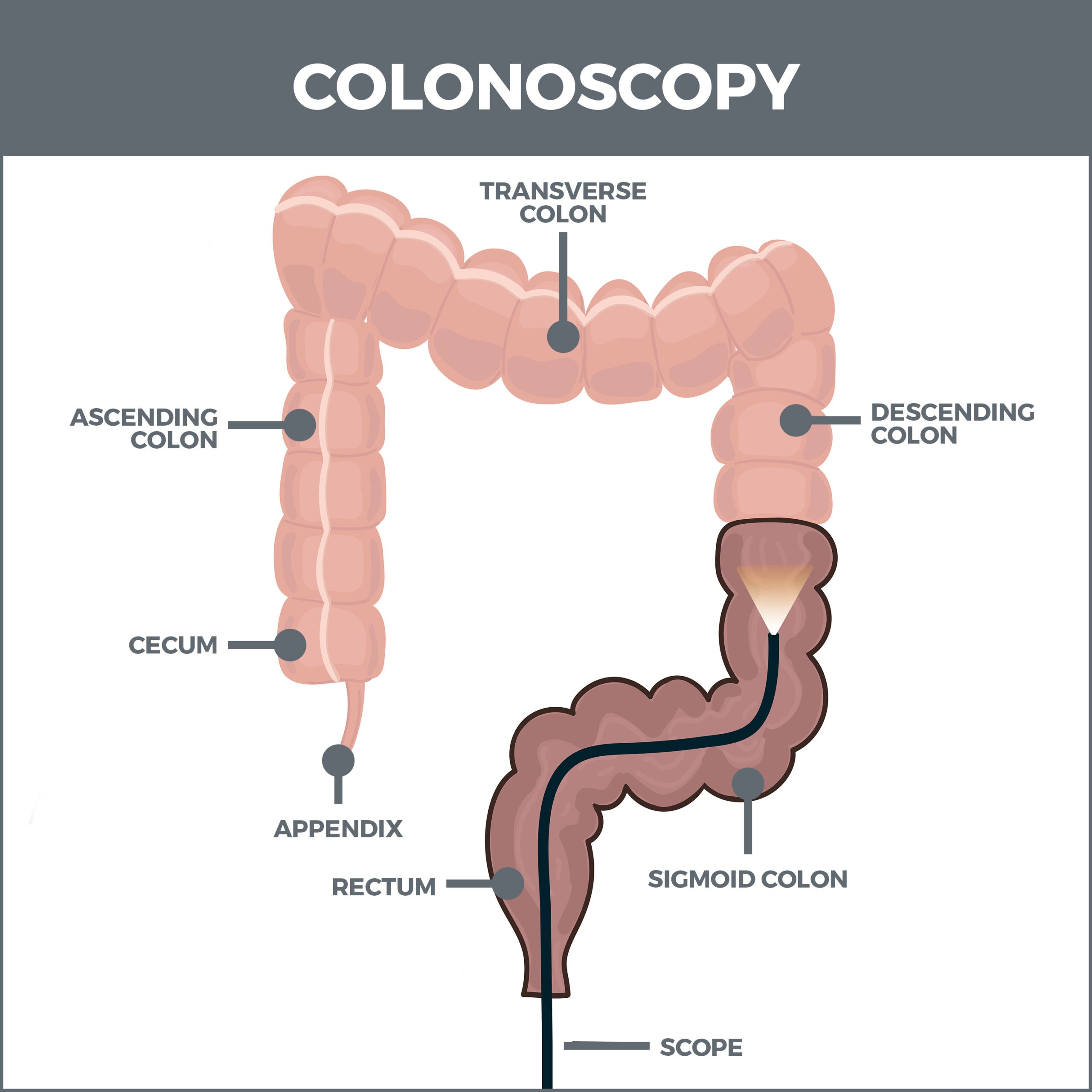
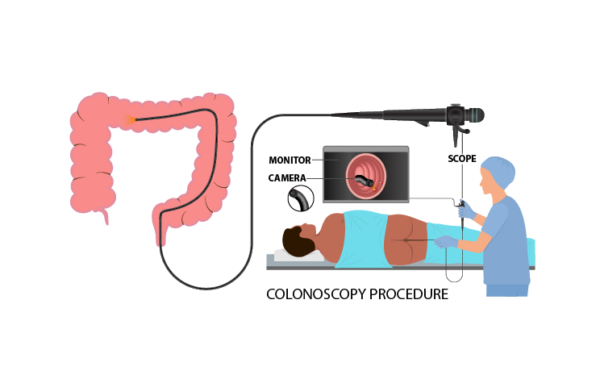
During the procedure, you will be given sedation, meaning you won't feel pain and likely won't remember anything. The doctor uses a flexible tube with a camera (the colonoscope) to examine the entire large intestine. If polyps are found, they are removed painlessly right then and there.
Afterward, you'll spend about an hour in recovery while the sedation wears off. You must have someone drive you home, and you should plan to take the rest of the day easy.
Conclusion
The new standard age for your initial colon cancer screening is 45 for average-risk individuals. However, if you have strong family history, existing inflammatory bowel disease, or are experiencing warning symptoms, you must schedule your first procedure sooner. Taking control of When Should You Get Your First Colonoscopy is the best preventative step you can take for your long-term health.
Don't put off this vital conversation with your healthcare provider. Early detection saves lives, and a colonoscopy is the gold standard for prevention.
Frequently Asked Questions (FAQ) About Your First Colonoscopy
- What if I am 45 and still feel perfectly healthy?
- The age 45 guideline is based on population statistics, not symptoms. Colorectal cancer often develops silently without symptoms until advanced stages. If you are 45, you should schedule your screening regardless of how healthy you feel.
- How often do I need a colonoscopy after the first one?
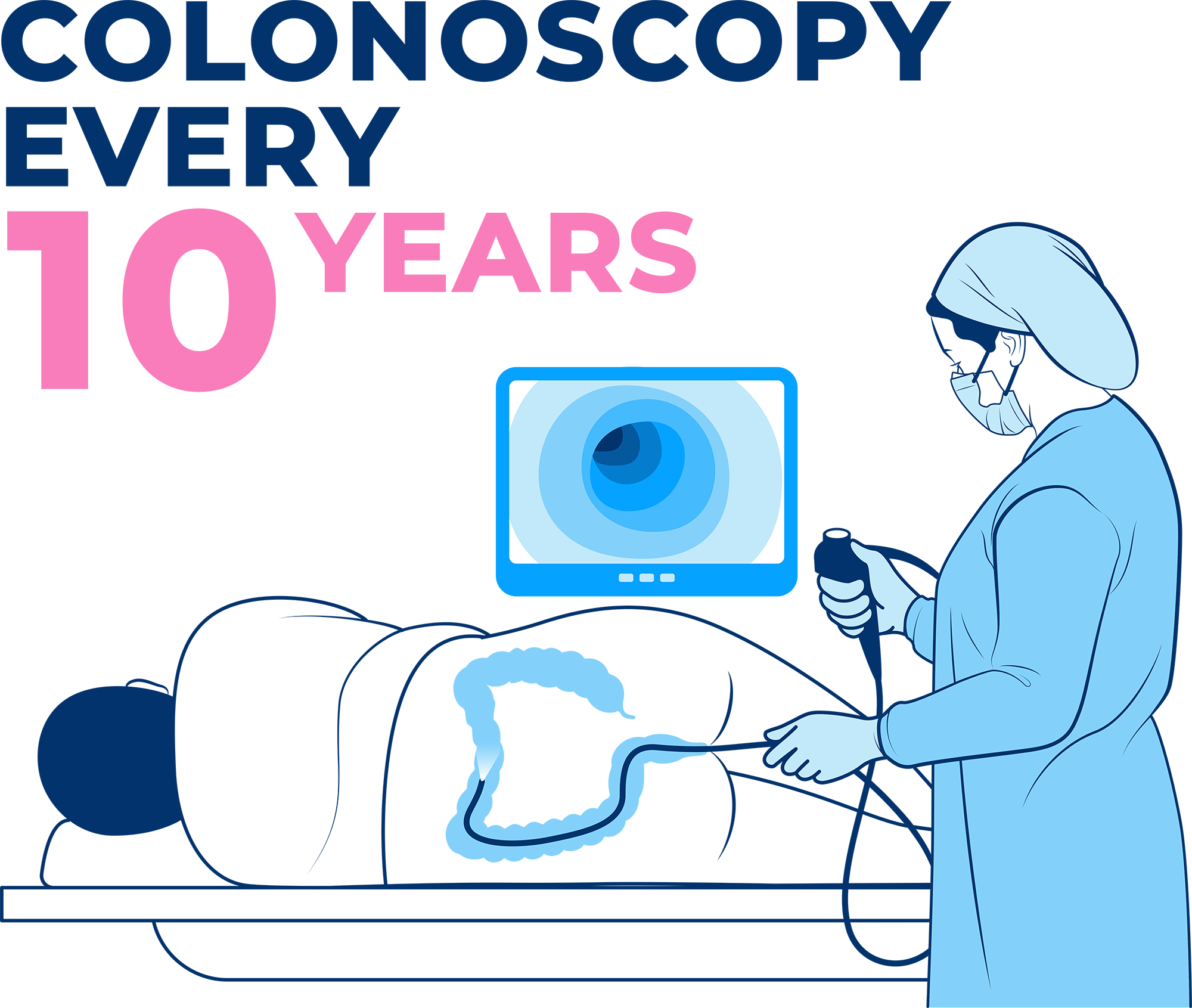
- If your first colonoscopy is clear (no polyps found), the standard interval is every 10 years. If polyps are found, your doctor will recommend a shorter interval, usually 3 to 5 years, depending on the type and number of polyps.
- Are there alternatives to a colonoscopy?
- Yes, there are non-invasive screening options like stool-based tests (FIT or Cologuard). However, if one of these tests comes back positive, a full colonoscopy will still be required to confirm the findings and remove any polyps. The colonoscopy remains the only test that is both diagnostic and preventative.
- Does the procedure hurt?
- No. Because you are sedated (either consciously or fully), you will not feel any pain during the procedure. The only discomfort is usually related to the preparation the day before.
When Should You Get Your First Colonoscopy
When Should You Get Your First Colonoscopy Wallpapers
Collection of when should you get your first colonoscopy wallpapers for your desktop and mobile devices.

Exquisite When Should You Get Your First Colonoscopy Wallpaper Concept
A captivating when should you get your first colonoscopy scene that brings tranquility and beauty to any device.
Spectacular When Should You Get Your First Colonoscopy View Art
A captivating when should you get your first colonoscopy scene that brings tranquility and beauty to any device.

Breathtaking When Should You Get Your First Colonoscopy Artwork Illustration
Explore this high-quality when should you get your first colonoscopy image, perfect for enhancing your desktop or mobile wallpaper.
Beautiful When Should You Get Your First Colonoscopy Artwork in HD
Explore this high-quality when should you get your first colonoscopy image, perfect for enhancing your desktop or mobile wallpaper.

Gorgeous When Should You Get Your First Colonoscopy Scene Digital Art
Find inspiration with this unique when should you get your first colonoscopy illustration, crafted to provide a fresh look for your background.

Crisp When Should You Get Your First Colonoscopy Photo Nature
A captivating when should you get your first colonoscopy scene that brings tranquility and beauty to any device.
/4014117_color-5bb5325746e0fb0026d849e4.png "High-Quality When Should You Get Your First Colonoscopy Capture Photography")
High-Quality When Should You Get Your First Colonoscopy Capture Photography
Discover an amazing when should you get your first colonoscopy background image, ideal for personalizing your devices with vibrant colors and intricate designs.
Dynamic When Should You Get Your First Colonoscopy Scene for Mobile
Immerse yourself in the stunning details of this beautiful when should you get your first colonoscopy wallpaper, designed for a captivating visual experience.

Detailed When Should You Get Your First Colonoscopy Wallpaper Digital Art
Experience the crisp clarity of this stunning when should you get your first colonoscopy image, available in high resolution for all your screens.

Amazing When Should You Get Your First Colonoscopy Landscape in HD
Transform your screen with this vivid when should you get your first colonoscopy artwork, a true masterpiece of digital design.

Artistic When Should You Get Your First Colonoscopy Wallpaper Nature
Immerse yourself in the stunning details of this beautiful when should you get your first colonoscopy wallpaper, designed for a captivating visual experience.

Spectacular When Should You Get Your First Colonoscopy Background for Mobile
Immerse yourself in the stunning details of this beautiful when should you get your first colonoscopy wallpaper, designed for a captivating visual experience.

Crisp When Should You Get Your First Colonoscopy View Nature
A captivating when should you get your first colonoscopy scene that brings tranquility and beauty to any device.
:max_bytes(150000):strip_icc()/VWH-JessicaOlah-WhentoGetaColonoscopy-Standard-38484c64e90a4aeabaf353e646b977b0.jpg "Breathtaking When Should You Get Your First Colonoscopy Wallpaper Collection")
Breathtaking When Should You Get Your First Colonoscopy Wallpaper Collection
Explore this high-quality when should you get your first colonoscopy image, perfect for enhancing your desktop or mobile wallpaper.

Vibrant When Should You Get Your First Colonoscopy Picture for Desktop
Explore this high-quality when should you get your first colonoscopy image, perfect for enhancing your desktop or mobile wallpaper.

Gorgeous When Should You Get Your First Colonoscopy Wallpaper in 4K
Immerse yourself in the stunning details of this beautiful when should you get your first colonoscopy wallpaper, designed for a captivating visual experience.
Crisp When Should You Get Your First Colonoscopy Image Illustration
This gorgeous when should you get your first colonoscopy photo offers a breathtaking view, making it a perfect choice for your next wallpaper.

Mesmerizing When Should You Get Your First Colonoscopy Moment Nature
Transform your screen with this vivid when should you get your first colonoscopy artwork, a true masterpiece of digital design.
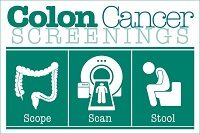
Vivid When Should You Get Your First Colonoscopy Design Photography
Transform your screen with this vivid when should you get your first colonoscopy artwork, a true masterpiece of digital design.

Mesmerizing When Should You Get Your First Colonoscopy Design Digital Art
Transform your screen with this vivid when should you get your first colonoscopy artwork, a true masterpiece of digital design.
Download these when should you get your first colonoscopy wallpapers for free and use them on your desktop or mobile devices.