Computer Software Language
Stop Guessing: The Definitive Guide to Choosing Your First Computer Software Language
Welcome to the jungle! If you've ever tried to dip your toes into coding, you know that the sheer variety of options—Python, JavaScript, Java, C#, Go—can feel completely overwhelming. It's like standing in a massive bookstore, unsure which genre to pick.
The core of this confusion lies in understanding what a **Computer Software Language** truly is, how different types function, and, most importantly, which one is the right tool for your specific job or career path. Choosing the wrong starting point can lead to unnecessary frustration.
Don't worry. This guide, written by someone who has been navigating this ecosystem for years, will cut through the noise. We will analyze the landscape of software languages through the lens of functionality, speed, and real-world application, ensuring you gain the expertise needed to make an informed choice.
What Exactly is a Computer Software Language?
Simply put, a computer software language is a formal, structured set of instructions used to communicate tasks to a machine. Think of it as the translator between human intention and binary logic (the 1s and 0s that computers understand).
Every language has its own syntax, semantics, and rules, much like English or Spanish. However, unlike human languages, even a tiny mistake—a missing semicolon or an indentation error—can make the entire instruction set fail.
The goal of modern languages is to abstract away the complexity of hardware manipulation, allowing developers to focus on solving real-world problems rather than worrying about memory allocation or CPU registers.
The Fundamental Difference: Low-Level vs. High-Level
To grasp the world of software development, you must first understand this foundational split:
- Low-Level Languages: These are very close to machine code. They offer superior performance and control over hardware resources. Examples include Assembly and C (often considered a mid-level language due to its direct memory access). They are faster but harder to write and debug.
- High-Level Languages: These languages are designed to be human-readable and productive. They use natural language elements and handle complex tasks like memory management automatically. Python, Java, and JavaScript are prime examples. They sacrifice a tiny bit of speed for massive gains in development efficiency.
For most modern application development (web, mobile, data science), high-level languages are the preferred choice due to their rapid deployment capabilities.
Read more about the history of programming languages on Wikipedia.
The Triumvirate: Interpreted, Compiled, and Assembly Languages
The categorization of a **computer software language** isn't just about how abstract it is; it's critically about how its code is executed by the machine. This execution method defines its speed, portability, and deployment complexity.
Interpreted Languages: Flexibility Over Speed
Interpreted languages (like Python, JavaScript, and Ruby) are translated line-by-line into machine code at runtime by an interpreter program. They are incredibly flexible and easy to debug because you can run the code immediately without a compilation step.
The downside? They are generally slower than compiled languages because the translation process happens every time the program runs.
Compiled Languages: The Need for Speed
Compiled languages (like C++, C#, and Go) are translated entirely into machine code before execution, creating a binary executable file. Once compiled, this file runs incredibly fast because the machine doesn't need any further translation.
While they offer peak performance, the development loop is slower: you must write the code, compile it, test the executable, and repeat.
There is also a hybrid category, often called 'bytecode languages' (like Java and C#), which are compiled into an intermediate bytecode, then run by a virtual machine (JVM or CLR). This offers the speed benefits of compilation plus the cross-platform portability of interpretation.
[Baca Juga: Understanding Virtual Machine Architecture]The Modern Landscape: Categorizing Computer Software Languages by Use Case
When selecting a language, forget generic rankings. The best choice is the one that best suits the specific problem you are trying to solve. Here is a breakdown of the primary domains and the languages that dominate them:
1. Web Development
Front-End: JavaScript (mandatory, often paired with frameworks like React or Vue). Back-End: Python (Django/Flask), JavaScript (Node.js), PHP, or Go.
2. Data Science & Machine Learning
Python is the undisputed champion due to its massive library ecosystem (NumPy, Pandas, TensorFlow). R is also dominant in statistical analysis.
3. Systems Programming & Game Development
Performance is key here. C++ and C offer the necessary control over hardware, while Rust is rapidly growing as a safer, memory-efficient alternative.
4. Mobile Development
Android: Kotlin (preferred) or Java. iOS: Swift (preferred) or Objective-C. Cross-platform frameworks often use JavaScript (React Native) or Dart (Flutter).
To further illustrate the practical choices developers make, here is a quick comparison:
| Language | Primary Use Case | Execution Style | Key Benefit |
|---|---|---|---|
| Python | Data Science, Backend Web, Scripting | Interpreted | Readability & Extensive Libraries |
| JavaScript | Full-Stack Web Development | Interpreted (JIT Compilation) | Ubiquity (Runs everywhere) |
| C++ | Game Engines, Operating Systems, High-Performance Computing | Compiled | Maximum Performance & Control |
| Swift | iOS and macOS Application Development | Compiled | Safety, Speed, and Apple Ecosystem Integration |
Navigating the Ecosystem: Key Factors in Language Selection
When you are about to start a new project or career path, technical specs are only half the story. The community and surrounding ecosystem are arguably more important for long-term success.
Consider these factors beyond just performance:
1. Community Size and Documentation
A large, active community (like those for Python and JavaScript) means more tutorials, readily available answers on forums like Stack Overflow, and better maintained third-party libraries. If you run into a bug, chances are someone else has already solved it.
2. Job Market Demand
If your goal is employment, research the languages required by companies in your target industry and region. Currently, JavaScript (for web) and Python (for data/AI) consistently top demand lists globally.
3. Ecosystem and Frameworks
A language is only as good as the tools built around it. For instance, knowing Python means little without familiarity with libraries like Pandas (data manipulation) or FastAPI (web API building). Strong language ecosystems drastically speed up development.
As technology evolves, new languages (like Rust and Go) are gaining traction by solving specific modern problems, particularly concurrency and memory safety. Staying updated on industry trends, such as those covered by the IEEE Spectrum, is crucial for any expert developer.
[Baca Juga: Top Software Development Trends 2024]Conclusion: Picking Your Path Wisely
The world of **Computer Software Language** is vast, but it doesn't need to be intimidating. Remember that all software languages ultimately serve the same purpose: bridging the gap between human instruction and machine execution.
If you are a beginner looking for high productivity and immediate results, start with Python (for general utility/data) or JavaScript (for web). If you are focused on embedded systems, high-frequency trading, or systems programming, the performance control offered by C++ or Rust will be necessary.
Your first language is just that—a first. Once you master the fundamental concepts of logic, control flow, and data structures in one language, learning a second or third becomes significantly easier.
Frequently Asked Questions (FAQ)
Q: Is Python or Java better for a beginner?
A: Python is generally considered better for beginners due to its clean, highly readable syntax, which closely resembles natural English. Java requires more boilerplate code and a deeper understanding of object-oriented concepts from the start.
Q: What is the fastest computer software language?
A: Low-level compiled languages like C and C++ are typically the fastest because they offer minimal overhead and direct hardware access. However, for many tasks, the performance difference between highly optimized modern languages (like Go or Rust) is negligible.
Q: Should I learn multiple languages simultaneously?
A: No. Focus on mastering one language first—its syntax, standard library, and core programming paradigms. Once you are comfortable solving complex problems in one language, the transition to others will be much smoother.
Q: What is the difference between a scripting language and a programming language?
A: The distinction is blurry today, but traditionally, scripting languages (like JavaScript or PHP) are interpreted and are used to automate tasks or control other software environments. Programming languages (like C++ or Java) are usually compiled and used to build standalone, complex applications.
This article was written by a Senior SEO Content Writer focusing on expertise and authoritative insight.
Computer Software Language
Computer Software Language Wallpapers
Collection of computer software language wallpapers for your desktop and mobile devices.
High-Quality Computer Software Language Artwork for Desktop
Experience the crisp clarity of this stunning computer software language image, available in high resolution for all your screens.
Stunning Computer Software Language Image Nature
A captivating computer software language scene that brings tranquility and beauty to any device.
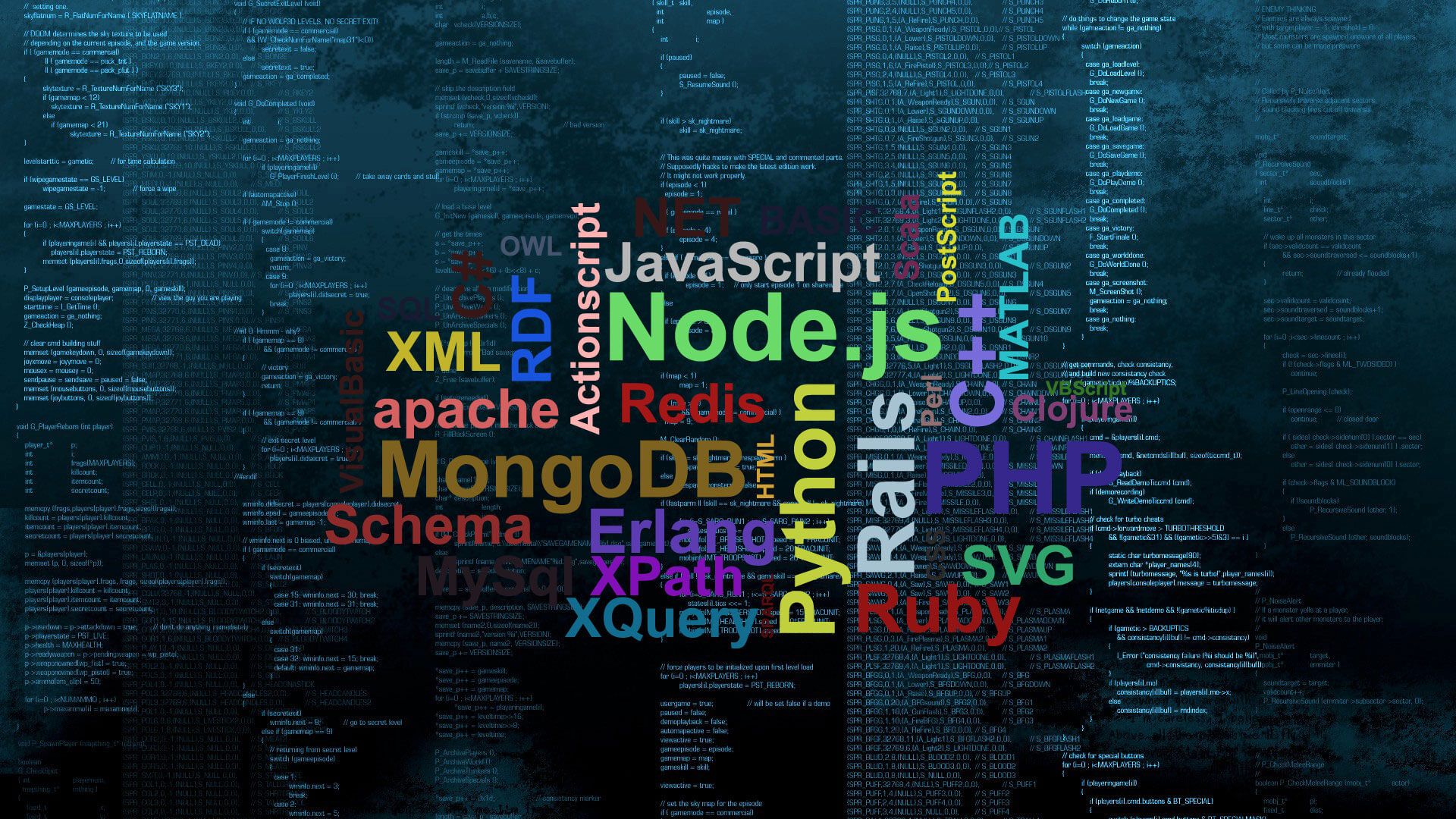
Breathtaking Computer Software Language Design in HD
Discover an amazing computer software language background image, ideal for personalizing your devices with vibrant colors and intricate designs.
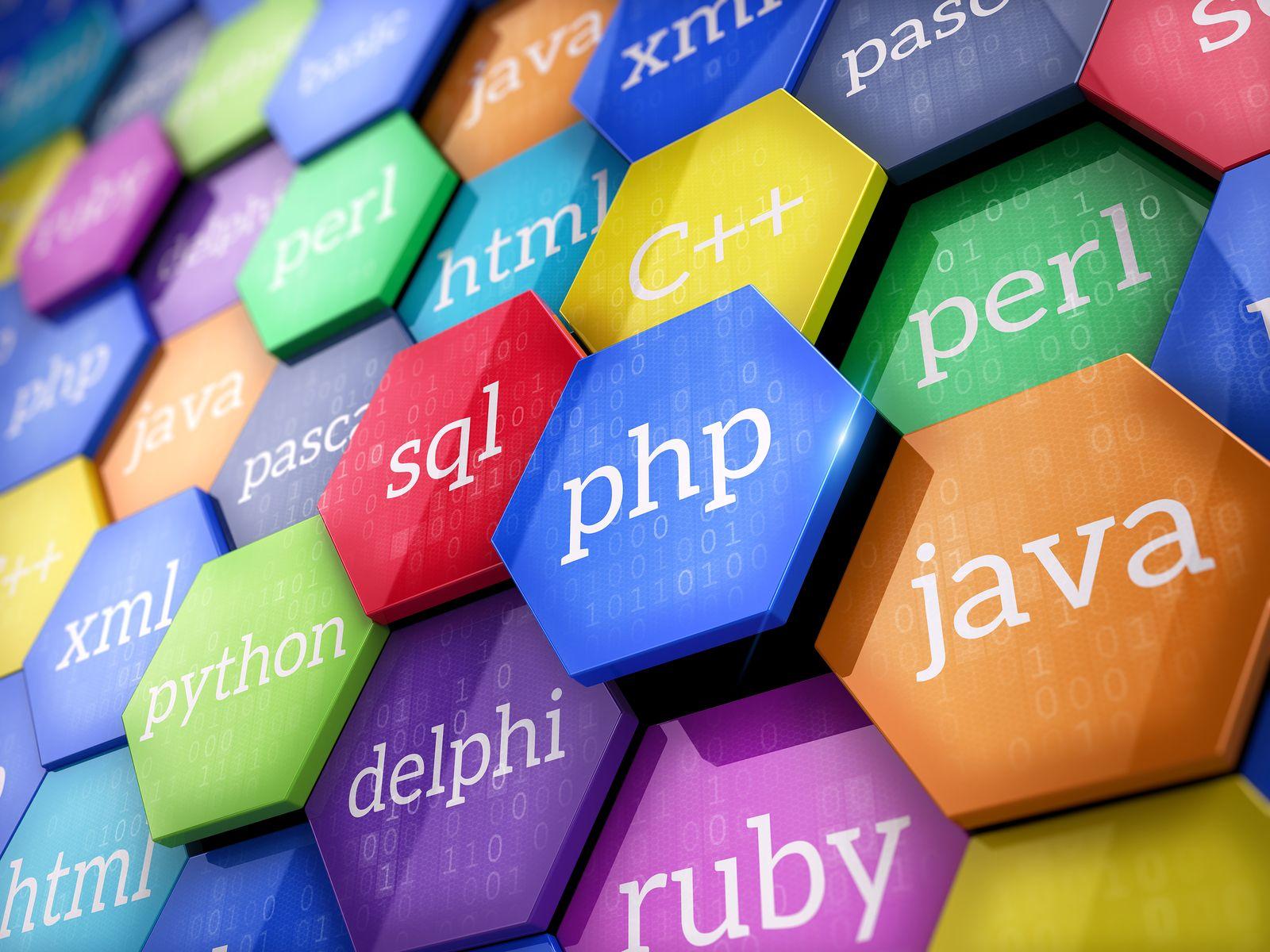
Breathtaking Computer Software Language Picture for Mobile
Explore this high-quality computer software language image, perfect for enhancing your desktop or mobile wallpaper.
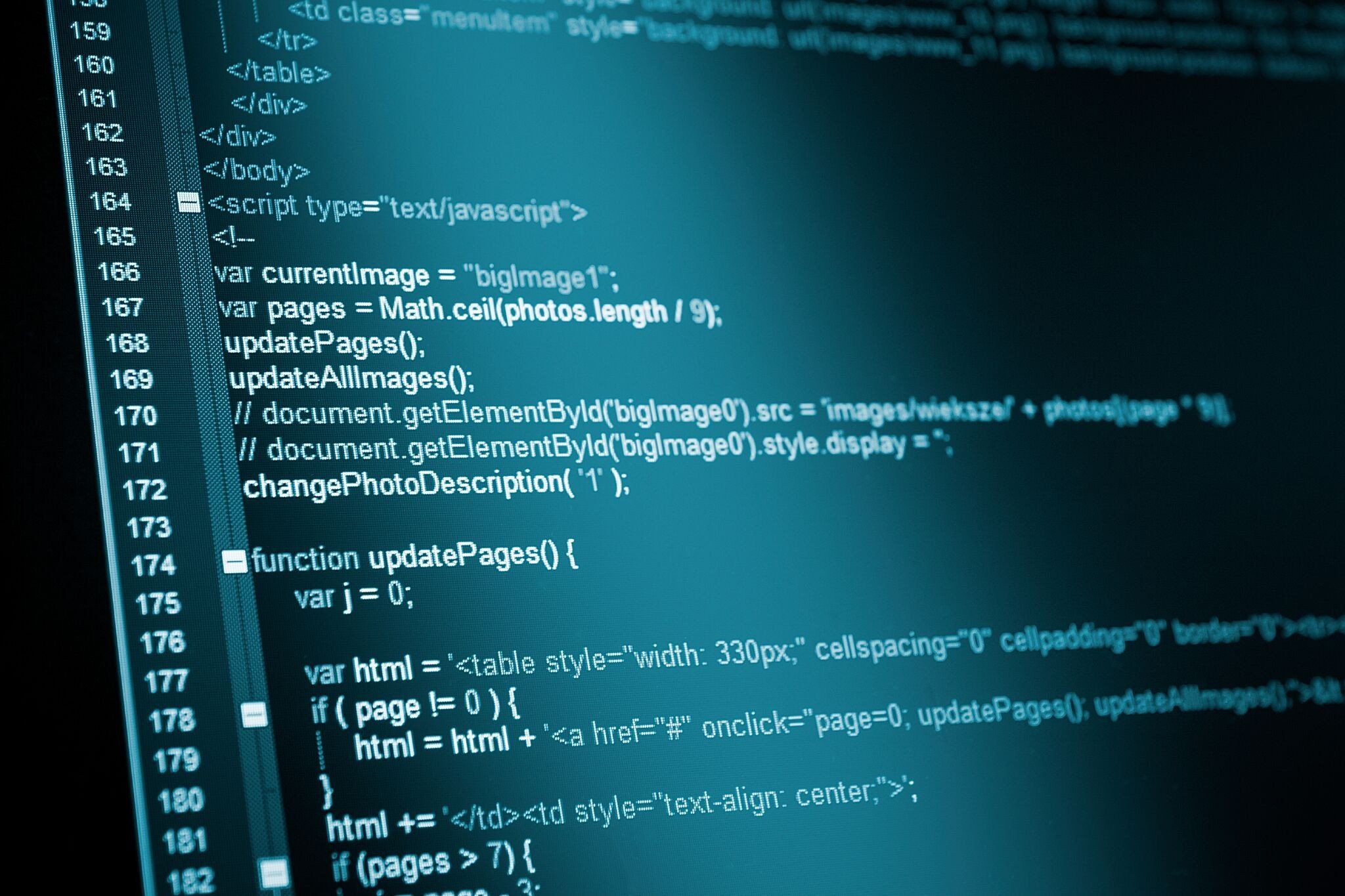
Crisp Computer Software Language Artwork Illustration
Immerse yourself in the stunning details of this beautiful computer software language wallpaper, designed for a captivating visual experience.

Lush Computer Software Language Artwork Digital Art
Find inspiration with this unique computer software language illustration, crafted to provide a fresh look for your background.
Amazing Computer Software Language Image in HD
Explore this high-quality computer software language image, perfect for enhancing your desktop or mobile wallpaper.
Crisp Computer Software Language Capture in HD
Immerse yourself in the stunning details of this beautiful computer software language wallpaper, designed for a captivating visual experience.

Artistic Computer Software Language Landscape Nature
Find inspiration with this unique computer software language illustration, crafted to provide a fresh look for your background.
Spectacular Computer Software Language Moment in HD
This gorgeous computer software language photo offers a breathtaking view, making it a perfect choice for your next wallpaper.
Vivid Computer Software Language Image for Desktop
Experience the crisp clarity of this stunning computer software language image, available in high resolution for all your screens.
Vivid Computer Software Language Photo Digital Art
Transform your screen with this vivid computer software language artwork, a true masterpiece of digital design.
Crisp Computer Software Language Artwork in 4K
This gorgeous computer software language photo offers a breathtaking view, making it a perfect choice for your next wallpaper.
Gorgeous Computer Software Language Landscape for Mobile
This gorgeous computer software language photo offers a breathtaking view, making it a perfect choice for your next wallpaper.

Breathtaking Computer Software Language Design for Your Screen
Experience the crisp clarity of this stunning computer software language image, available in high resolution for all your screens.
Spectacular Computer Software Language Abstract for Your Screen
A captivating computer software language scene that brings tranquility and beauty to any device.
Captivating Computer Software Language Capture Nature
A captivating computer software language scene that brings tranquility and beauty to any device.
Crisp Computer Software Language Capture Concept
A captivating computer software language scene that brings tranquility and beauty to any device.
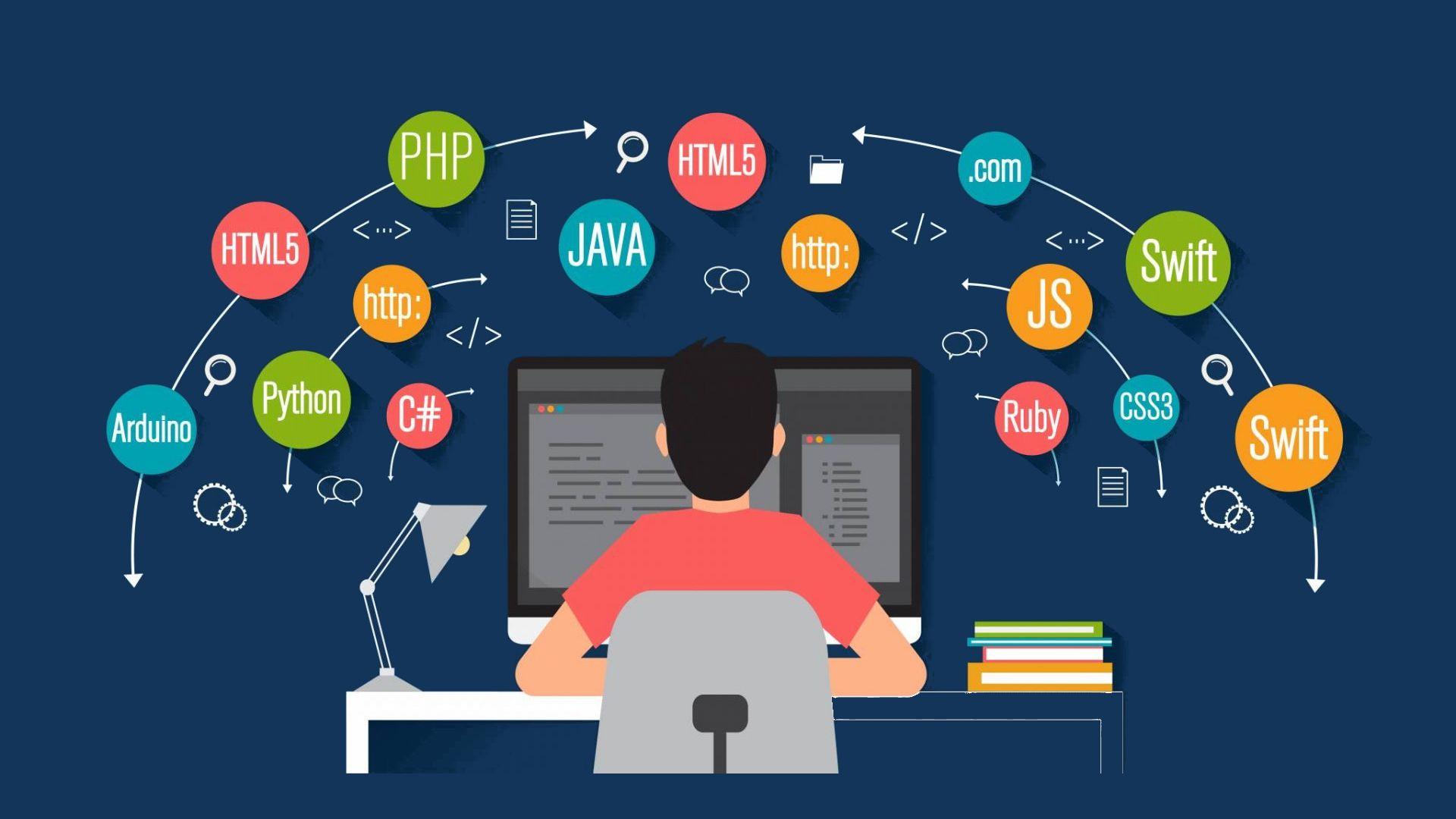
Detailed Computer Software Language Moment for Mobile
Discover an amazing computer software language background image, ideal for personalizing your devices with vibrant colors and intricate designs.
Dynamic Computer Software Language Capture Photography
Immerse yourself in the stunning details of this beautiful computer software language wallpaper, designed for a captivating visual experience.
Download these computer software language wallpapers for free and use them on your desktop or mobile devices.