Crossover Software
Stuck on macOS? How Crossover Software Finally Lets You Run Windows Apps Natively
We've all been there: You love your streamlined operating system—be it macOS or a Linux distribution—but that one crucial piece of software, perhaps an industry-specific utility, a legacy accounting tool, or a demanding PC game, only runs on Windows. Historically, the solution was dual-booting or the heavy performance hit of a full virtual machine (VM). But today, there is a far more elegant solution.
Welcome to the world of **Crossover Software**. This isn't just another tech trend; it's a foundational shift in application compatibility, allowing you to bridge the gap between operating systems (OS) without the overhead. If you're looking for seamless integration and top-tier performance for your essential Windows programs, you need to understand how this technology works and why it might be the perfect fit for your workflow.
What Exactly Is Crossover Software, and Why Do You Need It?
At its simplest, Crossover Software is a compatibility layer that enables software written for one operating system (primarily Windows) to run on another (like macOS or Linux). Unlike a virtual machine, which simulates an entire secondary computer, Crossover doesn't require you to install a full copy of Windows.
Think of it as a translator. When a Windows application tries to make a system call—say, "save this file" or "draw this window"—Crossover intercepts that command and translates it into a format that the host operating system (macOS/Linux) can understand and execute. This process bypasses the need for resource-intensive OS virtualization.
The primary benefit? Efficiency. Because Crossover doesn't allocate huge chunks of RAM and CPU to run a separate OS kernel, the Windows application runs much closer to native speed, often feeling indistinguishable from a true native application.
This efficiency is critical for professionals using specialized software, designers who need specific tools, or gamers seeking high frame rates without needing a dedicated Windows partition.
[Baca Juga: Virtual Machine vs Emulator: Mana yang Tepat untuk Anda?]The Core Mechanics: How Crossover Software Achieves Compatibility
To truly appreciate the engineering behind Crossover solutions, we must look at the backbone of this technology: **WINE** (Wine Is Not an Emulator). Crossover is a commercially supported derivative of the open-source WINE project.
WINE acts as a translation layer. It doesn't emulate the CPU or the hardware; instead, it provides an implementation of the Windows API (Application Programming Interface) for POSIX-compliant operating systems. This means it re-implements the standard Windows libraries (like DLLs, Registry functions, etc.) directly on the host OS.
When an application attempts to access a specific Windows function, WINE handles the request by converting it into the equivalent command using the host OS's native frameworks (e.g., using X11 or Wayland on Linux, or the native graphics drivers on macOS).
The Importance of Compatibility Databases
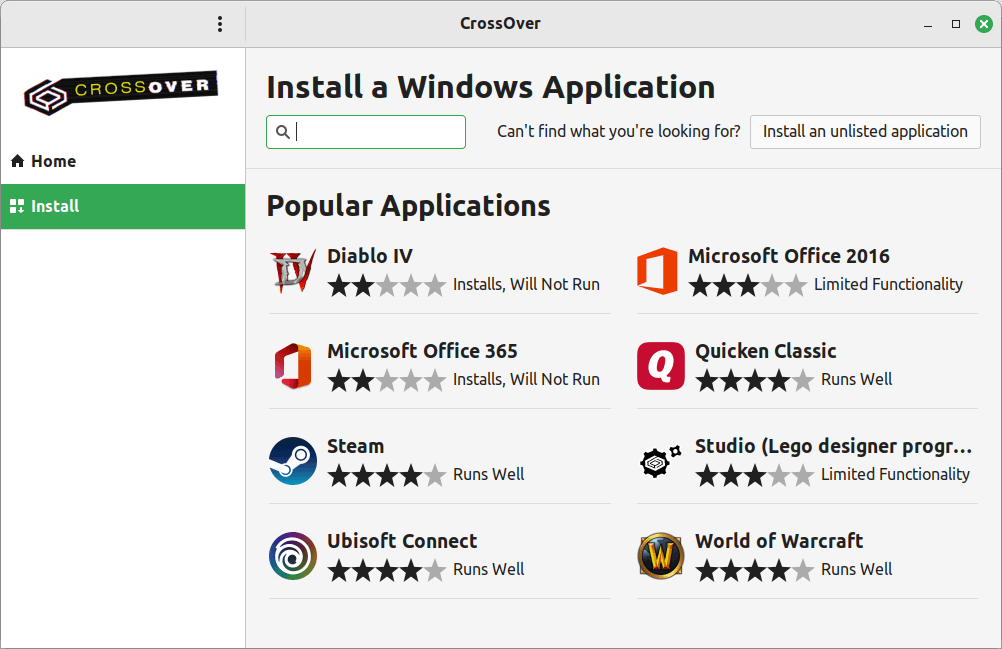
Because Windows applications are vast and varied, compatibility is never guaranteed out of the box. High-quality Crossover Software relies heavily on massive compatibility databases. These databases document thousands of applications, listing specific tweaks, fixes, or necessary dependencies required to make a non-native application run smoothly. This is the value proprietary solutions like CodeWeavers bring to the table, investing heavily in debugging and tailoring these configurations.
For more technical details on the WINE architecture, you can read the official project documentation: WINE Project Overview (External Link).
Key Players in the Crossover Ecosystem: Choosing the Right Tool
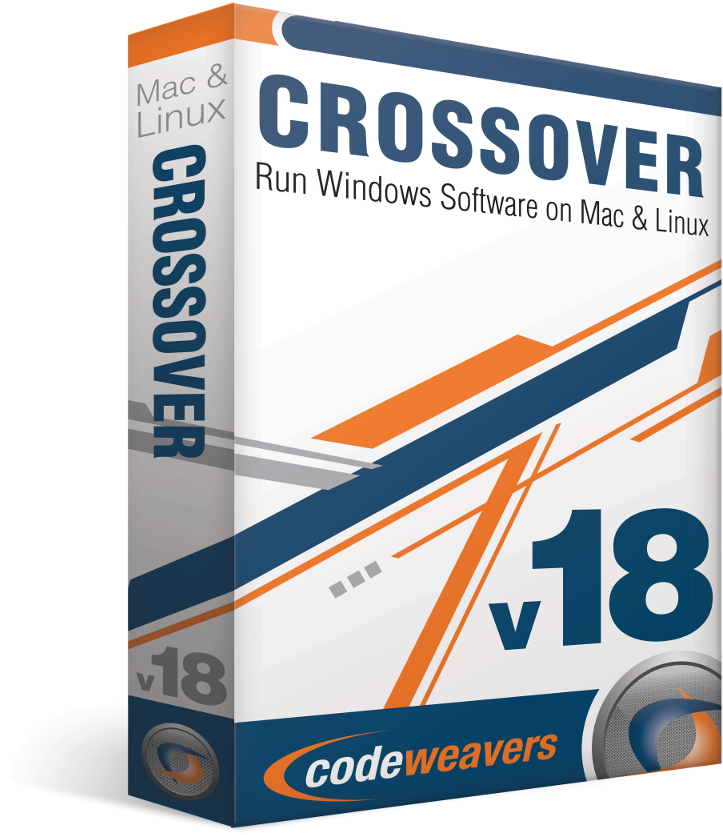
While the term "Crossover Software" might sometimes be used generically, the most famous commercial implementation is the product named "CrossOver" by CodeWeavers. However, the ecosystem includes both paid, polished products and highly configurable open-source solutions.
Here is a quick comparison of the most popular tools available:
| Software Name | OS Support | Ease of Use | Best For |
|---|---|---|---|
| **CrossOver (CodeWeavers)** | macOS, Linux | High (GUI-driven, commercial support) | Professional users needing guaranteed stability for key business apps. |
| **WINE** (Open Source) | Linux, macOS (via WINE wrappers) | Low to Medium (Command-line often required) | Developers, advanced Linux users, and those comfortable with configuration. |
| **Proton (Steam)** | Linux (Integrated into Steam Deck/Client) | Extremely High (Fully automated for gaming) | Gamers focused on running Windows games on Linux. |
The choice between commercial Crossover products and open-source WINE often boils down to time vs. money. CrossOver provides a polished installer, guaranteed support, and often faster updates for newer Windows APIs, making it a reliable business choice. Learn more about CodeWeavers CrossOver (External Link).
Crossover vs. Virtual Machines: Decoding the Performance Difference
While Virtual Machines (VMs) like Parallels or VMware Fusion also solve the compatibility problem, their approach is fundamentally different, impacting resource usage and performance.
- **Virtual Machines (VMs):** Achieve 100% compatibility by simulating the entire hardware stack (CPU, RAM, GPU, etc.) and running a complete second OS (Windows) on top of your host OS.
- **Crossover Software:** Achieves compatibility through API translation. It doesn't run a second OS; it merely translates Windows commands into native OS commands.
For applications heavily reliant on graphics processing (like advanced CAD software or modern video games), Crossover Software generally offers superior performance because it allows the application to directly access the host machine's native graphics drivers, bypassing a virtualization layer bottleneck. The performance difference can be substantial, sometimes approaching 80-90% of native speed, whereas VMs often cap out lower, depending on their graphic virtualization capabilities.
The drawback of Crossover is partial compatibility. If an application relies on extremely deep, low-level kernel features specific to Windows, Crossover may fail, whereas a VM will almost always succeed. However, for 90% of common applications, Crossover provides the better UX due to its speed and lightness.
[Baca Juga: Running PC Games on Linux: The Rise of Proton and Crossover]Best Practices for Optimizing Your Crossover Experience
To ensure your chosen Windows application runs as smoothly as possible, follow these practical tips, focusing on maximizing stability and speed:
- **Check the Compatibility Database:** Before installing a complex application, always consult the compatibility list provided by your Crossover vendor (like CodeWeavers) or the WINEHQ database. This saves hours of troubleshooting.
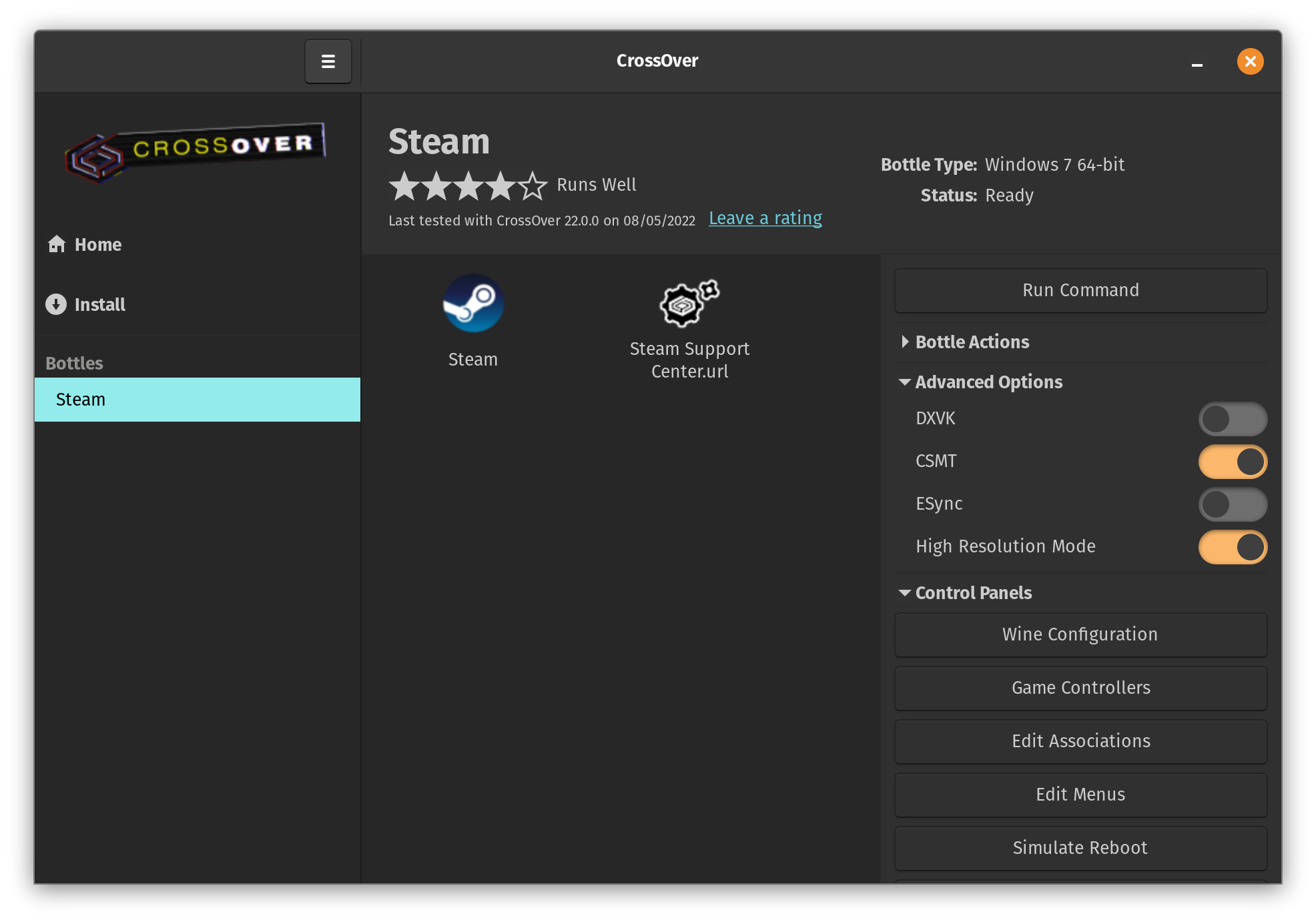
- **Use Dedicated Bottles/Containers:** Crossover often uses the concept of "bottles," which are isolated Windows environments (registry, files, DLLs) for each application. Avoid installing multiple, unrelated applications into the same bottle to prevent dependency conflicts.
- **Keep Your Host OS Updated:** Compatibility tools rely on the latest drivers and patches from your host OS. Ensure macOS or Linux is fully updated, especially regarding graphic drivers (Mesa, NVIDIA, etc.).
- **Install Necessary Dependencies Manually:** Some older applications might require specific .NET Framework versions, Visual C++ runtimes, or DirectX versions. You may need to install these dependencies into the specific bottle before the primary application will launch correctly.
- **Enable DXVK or VKD3D:** For modern gaming or demanding 3D applications, ensure your Crossover software is utilizing translation layers like DXVK (DirectX over Vulkan) or VKD3D (DirectX 12 over Vulkan). These layers significantly boost graphic performance.
Adopting these practices ensures you harness the full power of Crossover technology. For a highly technical deep dive into graphics API translation, see this research: ACM Digital Library: Graphics API Translation Layers (External Link).
Conclusion: The Future of Seamless Computing
Crossover Software represents a fascinating and highly effective midpoint between native execution and full virtualization. By offering resource-light, high-speed compatibility, tools like CrossOver and Proton have fundamentally altered how users interact with traditionally incompatible software. Whether you are a business user relying on a single Windows utility or a dedicated gamer moving to Linux, Crossover technology is now robust enough to handle demanding tasks, promising a future where the choice of operating system is truly independent of the applications you need to run.
Frequently Asked Questions (FAQ)
- Q: Is Crossover Software legal?
A: Yes. Crossover Software (and WINE) is a clean-room reverse-engineered implementation of the Windows API. It does not contain any Microsoft code and is therefore completely legal to use. You still need a legitimate license for the proprietary Windows software you install, however.
- Q: Does Crossover run all Windows programs?
A: No, not all. While compatibility is high (especially for productivity apps like Microsoft Office and popular games), applications that rely heavily on unique, proprietary Windows kernel features, specific hardware drivers, or robust DRM (Digital Rights Management) systems may still fail. Always check the official compatibility lists.
- Q: Is Crossover free?
A: The core technology, WINE, is free and open source. Commercial versions like CodeWeavers CrossOver are paid products. These commercial versions include user-friendly graphical interfaces, dedicated technical support, and extensive pre-configured patches, offering significant value for users prioritizing convenience and stability.
- Q: Can Crossover run Windows-only video games efficiently?
A: Absolutely. Thanks to specialized efforts like Valve's Proton (which is based on WINE/Crossover), performance for modern games on Linux has improved dramatically. Many demanding AAA titles now run at near-native speeds on compatible Linux hardware.
Crossover Software
Crossover Software Wallpapers
Collection of crossover software wallpapers for your desktop and mobile devices.
Beautiful Crossover Software View for Your Screen
Discover an amazing crossover software background image, ideal for personalizing your devices with vibrant colors and intricate designs.
Lush Crossover Software Artwork in HD
This gorgeous crossover software photo offers a breathtaking view, making it a perfect choice for your next wallpaper.
Serene Crossover Software Capture Digital Art
Transform your screen with this vivid crossover software artwork, a true masterpiece of digital design.
Crisp Crossover Software Abstract for Your Screen
This gorgeous crossover software photo offers a breathtaking view, making it a perfect choice for your next wallpaper.
Breathtaking Crossover Software Design for Mobile
Transform your screen with this vivid crossover software artwork, a true masterpiece of digital design.
Detailed Crossover Software Background Art
Explore this high-quality crossover software image, perfect for enhancing your desktop or mobile wallpaper.
Stunning Crossover Software View Photography
Find inspiration with this unique crossover software illustration, crafted to provide a fresh look for your background.
Vibrant Crossover Software Landscape for Desktop
Explore this high-quality crossover software image, perfect for enhancing your desktop or mobile wallpaper.
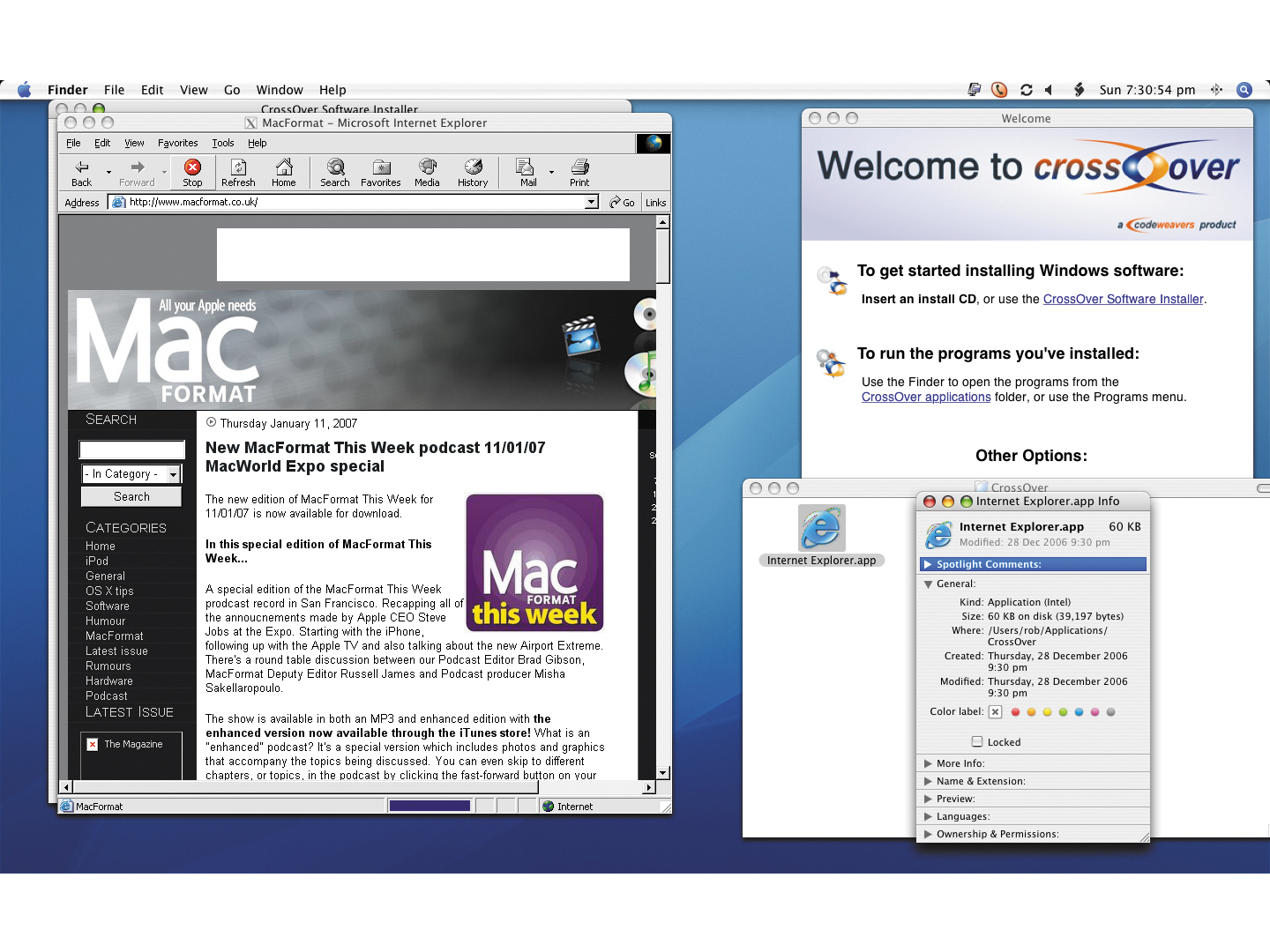
Lush Crossover Software Artwork Concept
Find inspiration with this unique crossover software illustration, crafted to provide a fresh look for your background.

Mesmerizing Crossover Software Image Collection
Transform your screen with this vivid crossover software artwork, a true masterpiece of digital design.
Captivating Crossover Software Photo in 4K
Find inspiration with this unique crossover software illustration, crafted to provide a fresh look for your background.
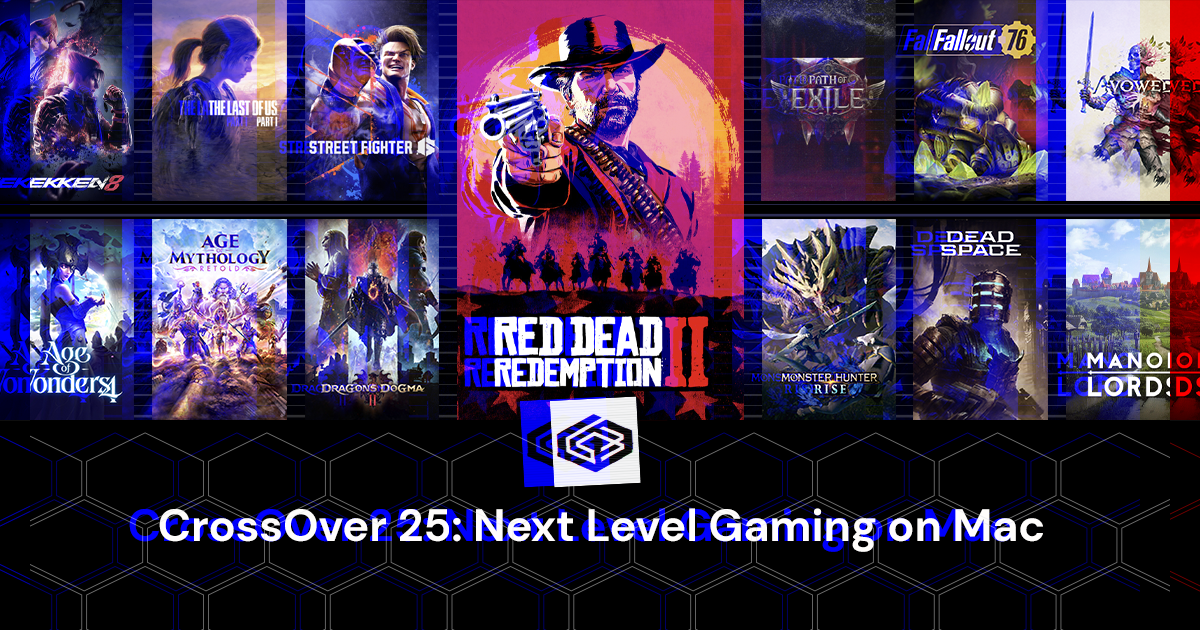
Artistic Crossover Software Moment Nature
This gorgeous crossover software photo offers a breathtaking view, making it a perfect choice for your next wallpaper.
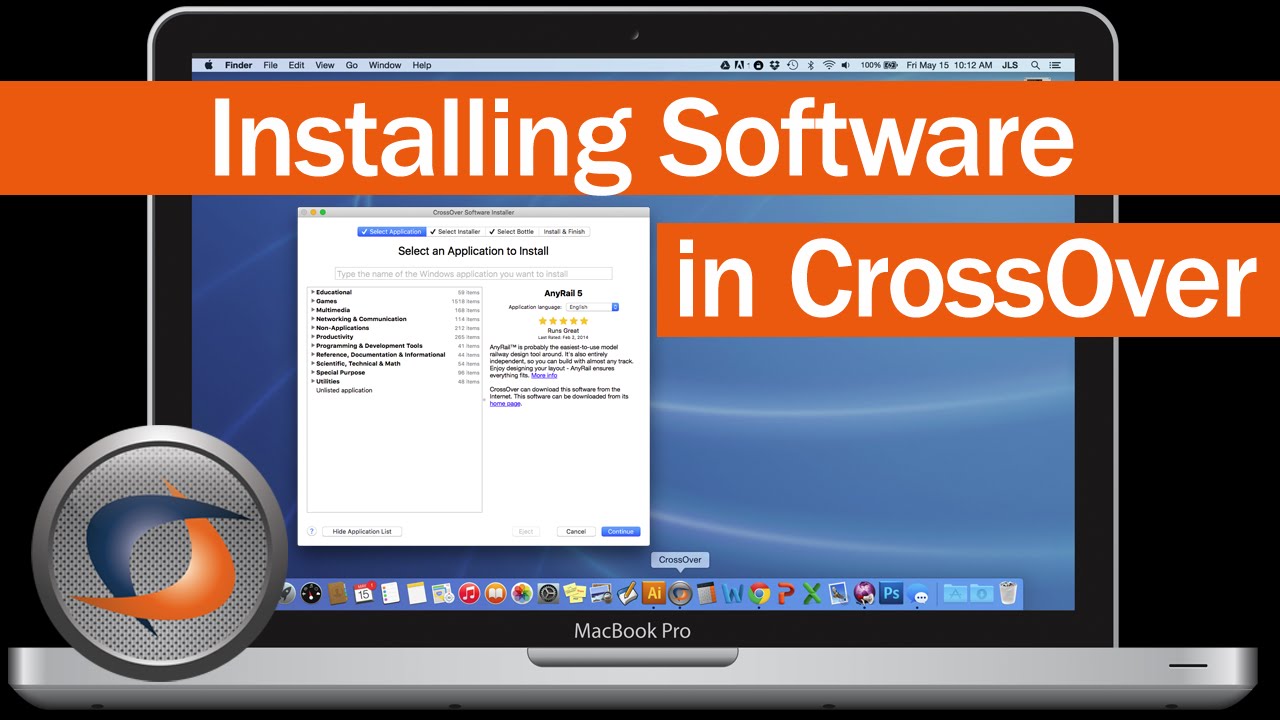
Vibrant Crossover Software View Photography
Explore this high-quality crossover software image, perfect for enhancing your desktop or mobile wallpaper.
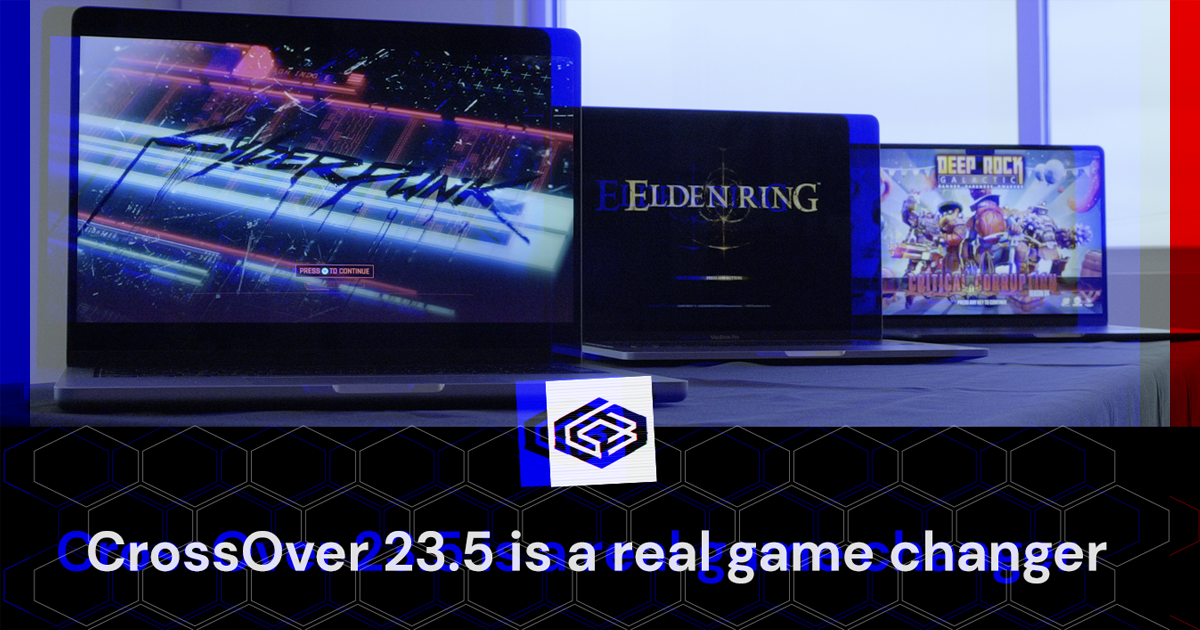
Spectacular Crossover Software Abstract Concept
A captivating crossover software scene that brings tranquility and beauty to any device.
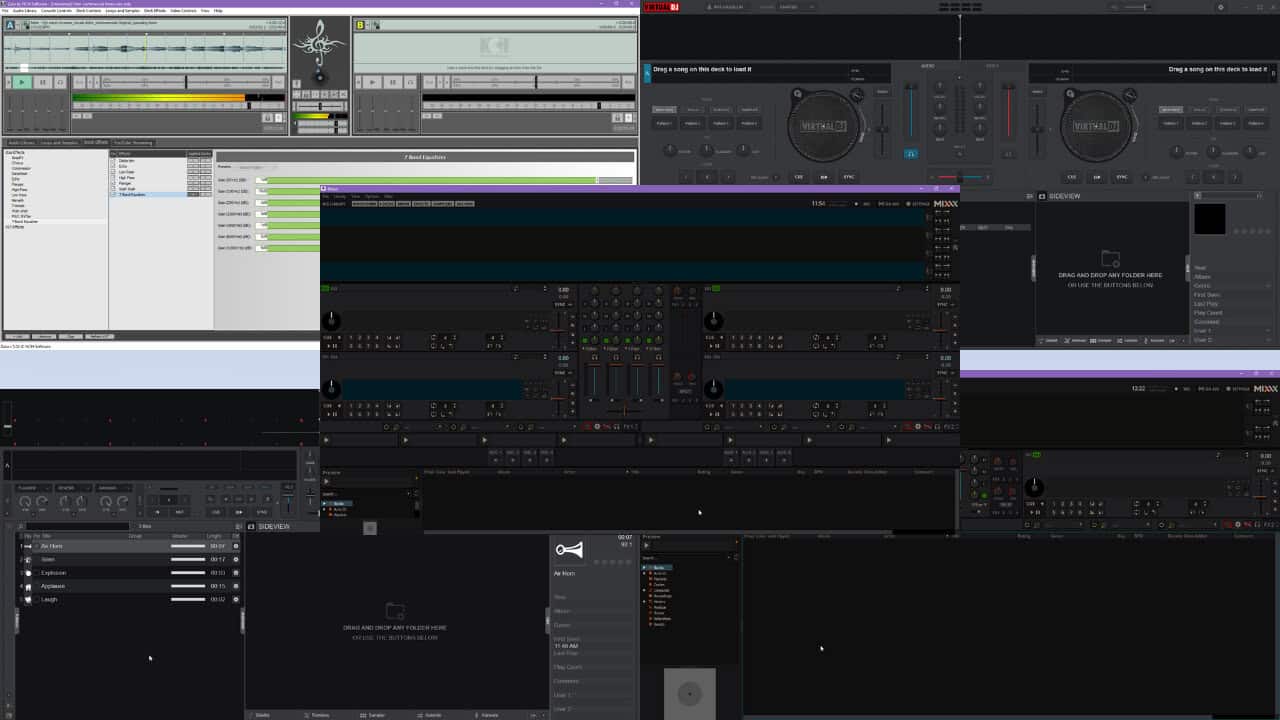
Gorgeous Crossover Software Wallpaper Art
Find inspiration with this unique crossover software illustration, crafted to provide a fresh look for your background.
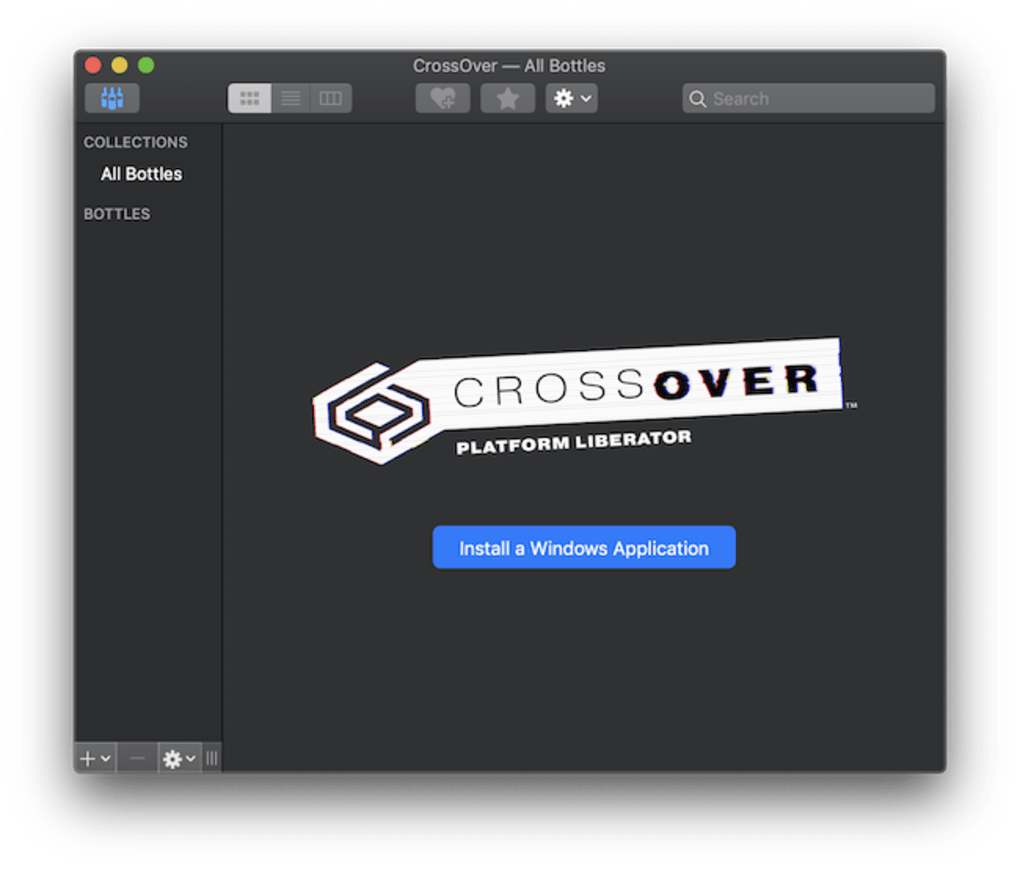
Gorgeous Crossover Software Abstract Digital Art
A captivating crossover software scene that brings tranquility and beauty to any device.

Dynamic Crossover Software Scene Digital Art
A captivating crossover software scene that brings tranquility and beauty to any device.

Gorgeous Crossover Software Landscape Photography
A captivating crossover software scene that brings tranquility and beauty to any device.

Crisp Crossover Software Background Art
Immerse yourself in the stunning details of this beautiful crossover software wallpaper, designed for a captivating visual experience.
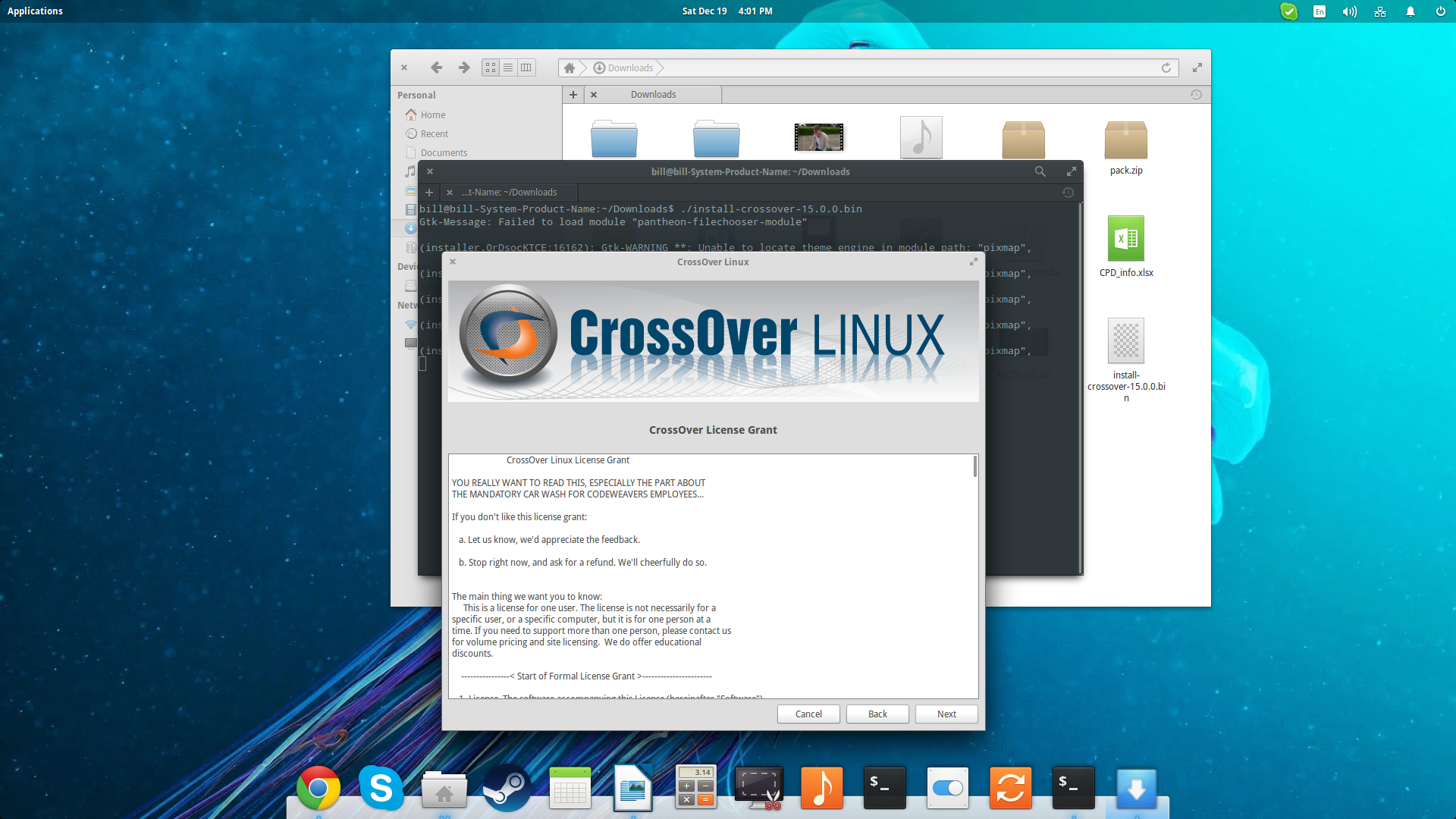
Amazing Crossover Software Image for Desktop
Transform your screen with this vivid crossover software artwork, a true masterpiece of digital design.
Download these crossover software wallpapers for free and use them on your desktop or mobile devices.