How Big Can Jellyfish Get
How Big Can Jellyfish Get? Preparing for the Giant Jellies
If you have ever spotted a jellyfish gently pulsing in the ocean, you likely wondered about their amazing, alien-like structure. But beyond the typical palm-sized bell, just how big can jellyfish get? The answer might genuinely shock you! Forget the dinner plate size; we are talking about creatures that can rival the length of a blue whale, or at least its heart.
Jellyfish are invertebrates belonging to the phylum Cnidaria, and they come in a dazzling array of shapes and sizes. Their growth potential is dictated heavily by the species, their environment, and the availability of food. While most commonly encountered jellies are small, a few species have evolved to become true ocean giants, dominating cold northern waters.
Understanding these colossal creatures requires moving beyond simple assumptions. Let's dive deep into the metrics, meet the largest species on the planet, and explore what factors allow them to achieve such staggering dimensions.
Defining Jellyfish Size: Bell Diameter vs. Tentacle Length
When scientists talk about the size of a jellyfish, they typically focus on two primary measurements. It's crucial to understand both, because a jelly might have a modest bell but astonishingly long tentacles, making it much larger overall.
- Bell Diameter: This refers to the width across the top, umbrella-like part of the jellyfish (the bell or medusa). This is often the measurement cited when comparing the 'body size' of different species.
- Tentacle Length: This is the crucial factor that pushes some jellyfish into true giant territory. The stinging tentacles can stream out behind the bell for incredible distances, significantly increasing the overall length and hunting area of the organism.
For example, a common moon jelly might have a bell diameter of 12 inches (30 cm) and tentacles that only trail a few feet. Conversely, the true giants boast bells that are many feet across, paired with tentacles that stretch longer than some skyscrapers are tall!
Meet the Titans: The Largest Jellyfish Species
To truly answer the question of how big can jellyfish get, we must look at the outliers—the species that have set records for both bell size and tentacle reach. These creatures are mostly found in the frigid, nutrient-rich waters of the Arctic and North Atlantic, where competition is fierce but food is plentiful.
The Lion's Mane Jellyfish: The Undisputed Champion
If there is one name synonymous with gigantic size in the jellyfish world, it is Cyanea capillata, or the Lion's Mane Jellyfish. This species holds the record for the longest animal ever recorded, potentially rivaling the length of the mighty Blue Whale, though the whale is far heavier.
These massive jellies get their name from their thick, flowing mass of reddish-orange tentacles that resemble the mane of a lion. They are typically found in the cold waters of the North Atlantic and Pacific oceans, where they feed on plankton, small fish, and even smaller jellyfish.
Record-Breaking Measurements
The largest specimen ever recorded, washed ashore in Massachusetts in 1870, provided the data that solidifies the Lion's Mane as the size champion. This specimen demonstrated exactly how big can jellyfish get under optimal conditions:
- Maximum Bell Diameter: Reported up to 7 feet 6 inches (2.3 meters). That's taller than the average human!
- Maximum Tentacle Length: Measured at 120 feet (36.6 meters). This is equivalent to an 11-story building lying on its side.
- Weight: Although mostly water, they can weigh hundreds of pounds when fully grown.
It is important to note that while specimens reaching these maximum sizes are rare, even average adult Lion's Manes are impressive, typically featuring bells 3 feet across and tentacles exceeding 20 feet.
The Nomura's Jellyfish: Heavyweight Contender
While the Lion's Mane takes the record for length, the Nomura's Jellyfish (Nemopilema nomurai) is perhaps the most impressive in terms of sheer mass and weight. These monsters are primarily found in the waters between China and Japan.
Unlike the Lion's Mane, which is long and trailing, the Nomura's is a sphere of pure bulk. These jellies are known for causing chaos in the Japanese fishing industry due to their massive size and tendency to clog fishing nets by the thousands.
A full-grown Nomura's Jellyfish frequently reaches over 6 feet (1.8 meters) in bell diameter and can weigh upwards of 440 pounds (200 kg). Imagine encountering a gelatinous organism the size and weight of a full-grown pig! When considering how big can jellyfish get by volume and weight, the Nomura's is definitely top tier.
Size vs. Danger: Are the Biggest Jellies the Most Lethal?
It's natural to assume that the bigger the jellyfish, the more dangerous it must be. After all, a 120-foot tentacle is certainly terrifying. However, the world of cnidarians often defies this logic. While giant jellyfish can certainly deliver a powerful, painful sting, the most lethal jellies are often surprisingly small and inconspicuous.
The Lion's Mane, despite its incredible size, possesses a sting that is rarely fatal to humans, generally causing pain, redness, and muscle cramping. Its danger lies more in the massive area its tentacles cover, making avoidance difficult.
The Box Jellyfish Paradox (Size Doesn't Always Matter)
The infamous Box Jellyfish (various species, particularly Chironex fleckeri) proves that lethality is not correlated with maximum size. These jellies rarely exceed a bell diameter of 10 to 12 inches, yet their venom is neurotoxic and cardiotoxic—potent enough to cause cardiac arrest within minutes.
These deadly creatures show us that when examining how big can jellyfish get, we must also consider the intensity of their weapon, not just the reach. Box jellies possess nematocysts (stinging cells) that are among the most powerful in the animal kingdom.
Here are some examples of smaller, yet highly dangerous jellyfish species:
- Sea Wasp (Chironex fleckeri): The classic box jelly, extremely lethal but rarely exceeding one foot in diameter.
- Irukandji Jellyfish (various species): The smallest of the deadliest! These rarely grow larger than a thumbnail (about 0.2 inches) but their sting causes "Irukandji syndrome," which can be fatal.
- Portuguese Man O' War (Physalia physalis): Technically a siphonophore (a colony of organisms, not a single jelly), its float is only 6 inches long, but its tentacles can stretch up to 50 feet and deliver agonizing stings.
Factors Influencing Jellyfish Growth
Jellyfish are opportunistic feeders and their growth rate is incredibly fast. They don't spend decades growing like a whale; they typically reach full size in a single season. This rapid growth is why they can achieve such staggering sizes so quickly.
The environment plays a massive role in dictating how big can jellyfish get. A Nomura's jellyfish, for instance, starts as a minuscule polyp and explodes in size in a matter of months. What drives this explosive growth?
Key factors include:
- Food Availability: Jellyfish primarily feed on zooplankton and small crustaceans. In areas with high plankton blooms (often linked to rising sea temperatures or nutrient runoff), jellies can consume vast amounts of food, fueling rapid somatic growth.
- Temperature and Seasonality: Larger jellyfish species often thrive in cold, temperate waters where metabolic rates are slightly slower, allowing them to allocate more energy to growth rather than constant maintenance. Furthermore, annual life cycles mean they must maximize growth during the short feeding season.
- Lack of Predators: Most large jellyfish have few natural predators that can handle their massive bulk or stinging capabilities, allowing them to survive long enough to reach maximum size potential.
The recent increase in 'jellyfish blooms'—massive aggregations of jellyfish—is concerning scientists. This phenomenon is often linked to overfishing (removing their competitors for plankton) and warming oceans, suggesting that the conditions for achieving maximum size are becoming more common.
Conclusion: The True Scale of Ocean Giants
When you ask, "How big can jellyfish get?" the answer is truly monumental. While the common backyard pool-sized jellyfish exists, the record-holders, particularly the Lion's Mane, push the boundaries of animal dimension, easily reaching the length of a professional basketball court.
Ultimately, whether we measure their massive bells or their astonishingly long, flowing tentacles, giant jellyfish like the Lion's Mane and Nomura's serve as stunning reminders of the biological extremes found deep within our oceans. Their size ensures they are apex predators in their ecosystems, cementing their status as some of the most impressive, albeit strange, creatures on Earth.
Frequently Asked Questions About Jellyfish Size
- How long do the biggest jellyfish live?
- Most large jellyfish, including the Lion's Mane and Nomura's, have relatively short life spans, typically completing their entire life cycle (from polyp to full medusa) within one year. They usually die after reproducing.
- Is the Lion's Mane Jellyfish the largest animal in the world?
- No. While the Lion's Mane possesses the longest recorded appendage (tentacles up to 120 feet), the Blue Whale is considered the largest animal by mass and volume. The Lion's Mane is incredibly long, but its body mass is minimal compared to a whale.
- Do jellyfish continue to grow their entire life?
- Jellyfish grow rapidly during their short medusa phase. They do not have fixed size limits and will continue to grow as long as food is abundant and they have the energy to support their bell. This is why their size can vary so dramatically based on environmental conditions.
- Can a jellyfish be bigger than a human?
- Absolutely. Many species can have bell diameters that easily surpass the height of an average adult human, such as the Nomura's Jellyfish, which can reach 6 feet across and weigh over 400 pounds.
How Big Can Jellyfish Get
How Big Can Jellyfish Get Wallpapers
Collection of how big can jellyfish get wallpapers for your desktop and mobile devices.
Mesmerizing How Big Can Jellyfish Get Background in HD
Discover an amazing how big can jellyfish get background image, ideal for personalizing your devices with vibrant colors and intricate designs.
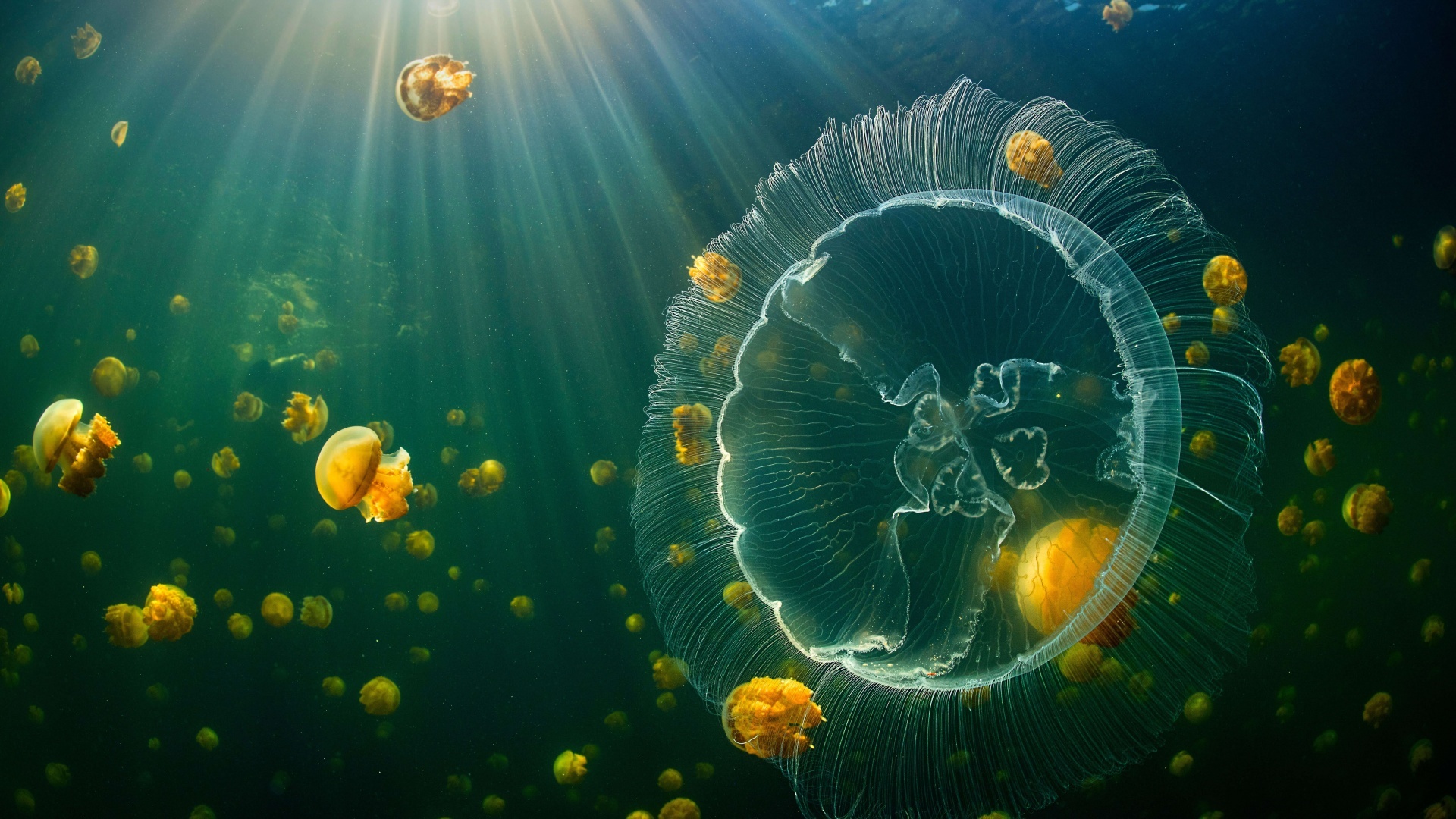
Spectacular How Big Can Jellyfish Get Landscape in 4K
This gorgeous how big can jellyfish get photo offers a breathtaking view, making it a perfect choice for your next wallpaper.
Vivid How Big Can Jellyfish Get Wallpaper in HD
Experience the crisp clarity of this stunning how big can jellyfish get image, available in high resolution for all your screens.
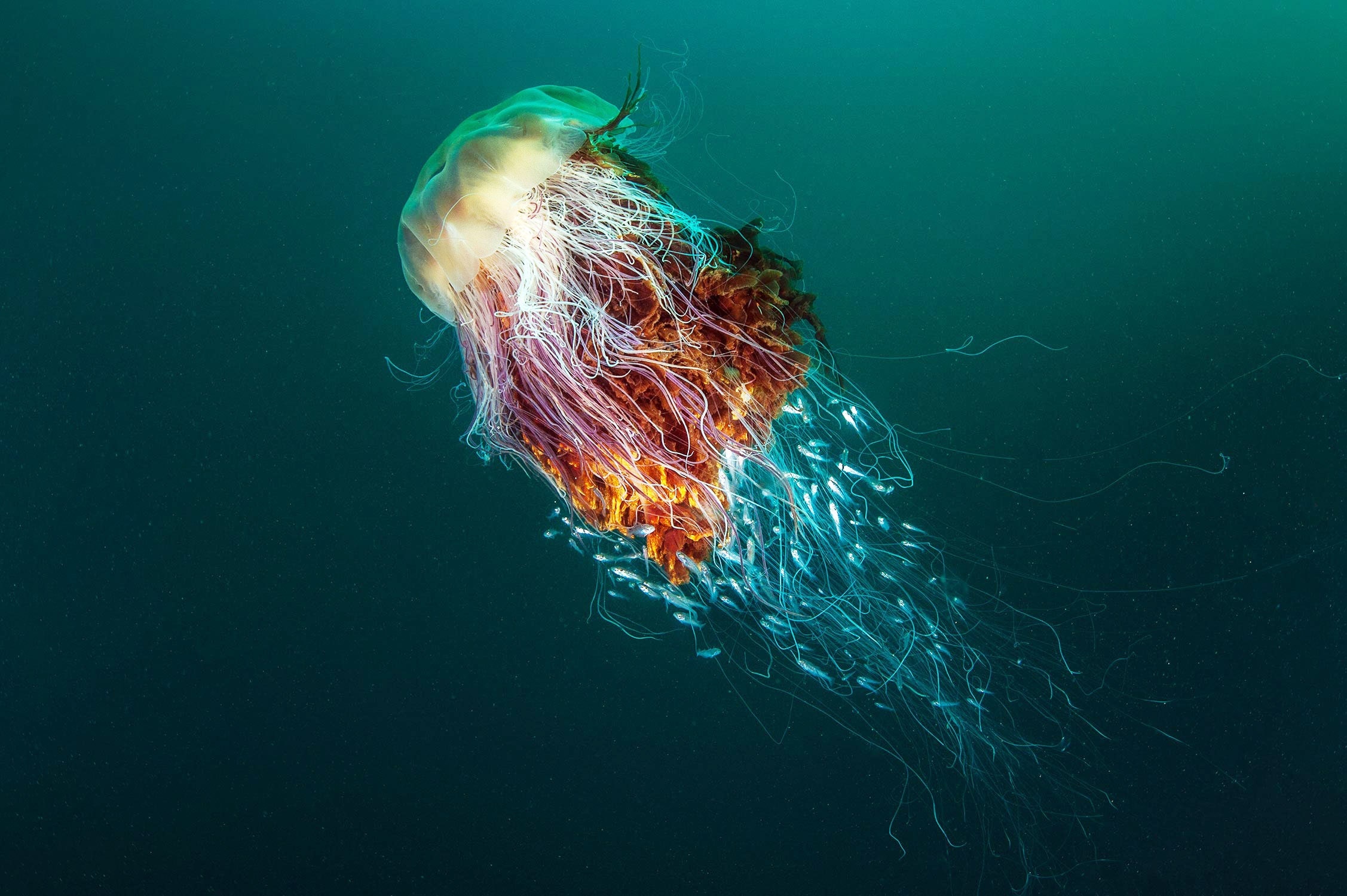
Crisp How Big Can Jellyfish Get View Collection
This gorgeous how big can jellyfish get photo offers a breathtaking view, making it a perfect choice for your next wallpaper.
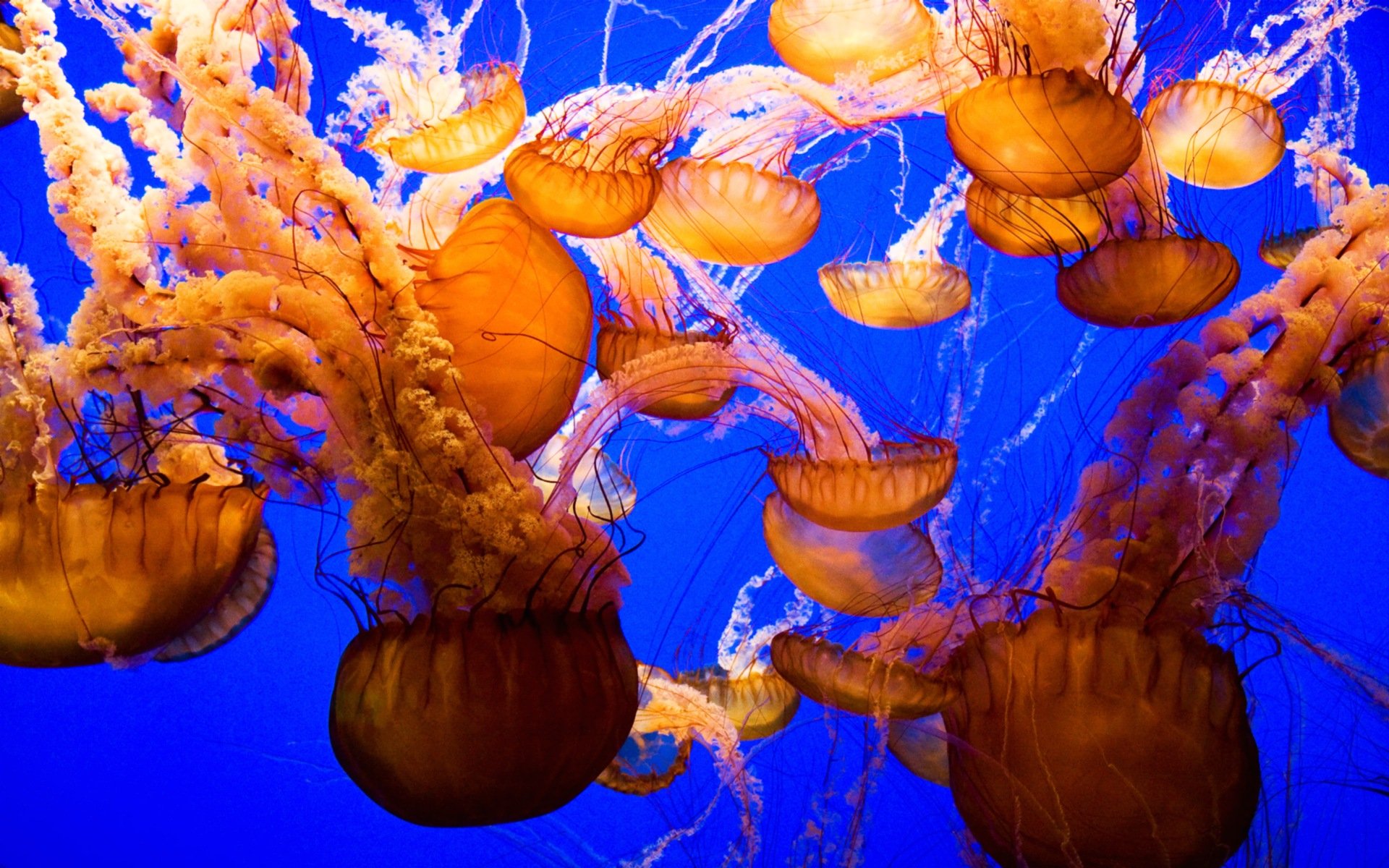
High-Quality How Big Can Jellyfish Get Scene Concept
Transform your screen with this vivid how big can jellyfish get artwork, a true masterpiece of digital design.
Vivid How Big Can Jellyfish Get Artwork Collection
Discover an amazing how big can jellyfish get background image, ideal for personalizing your devices with vibrant colors and intricate designs.
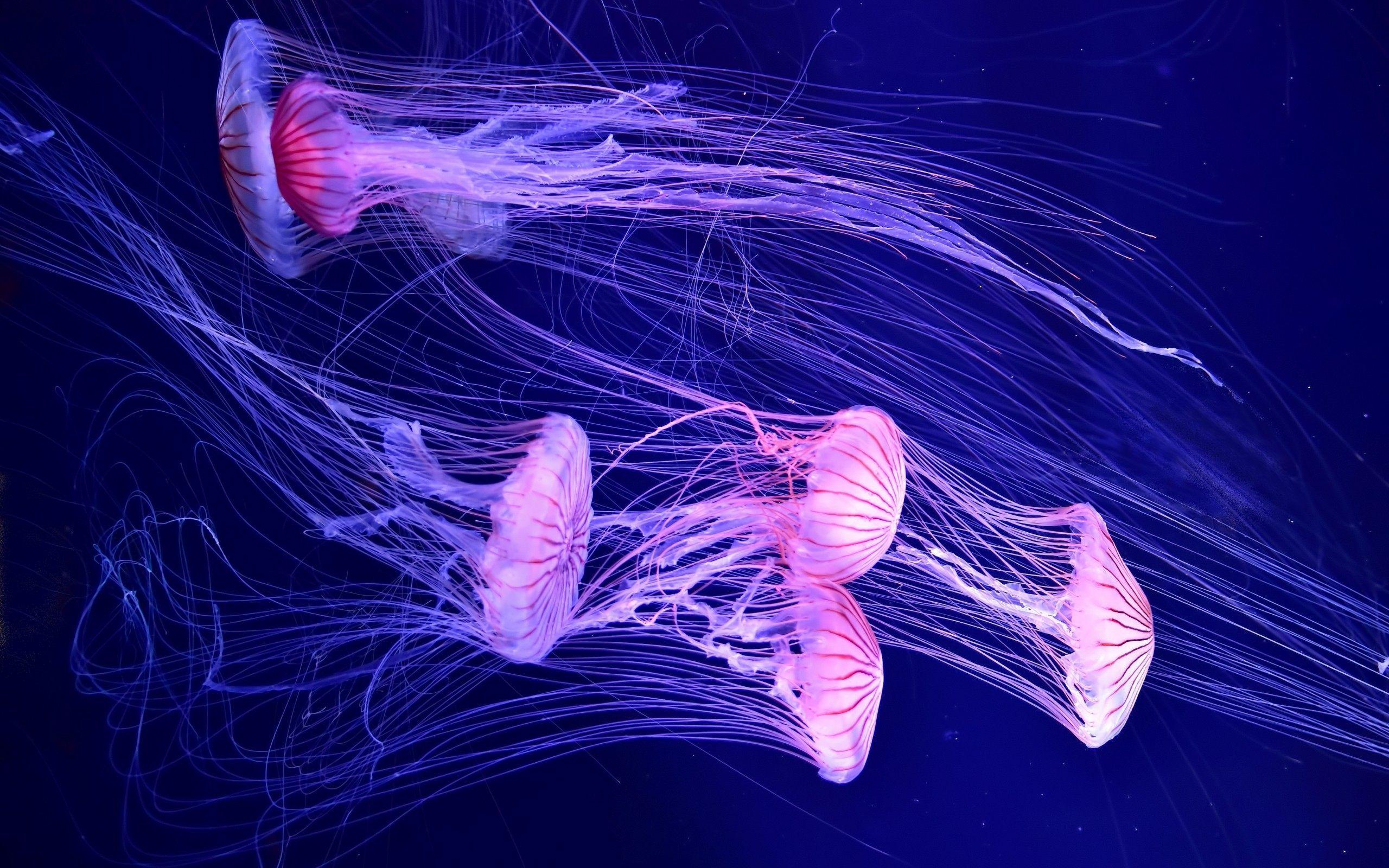
Amazing How Big Can Jellyfish Get View Collection
Transform your screen with this vivid how big can jellyfish get artwork, a true masterpiece of digital design.
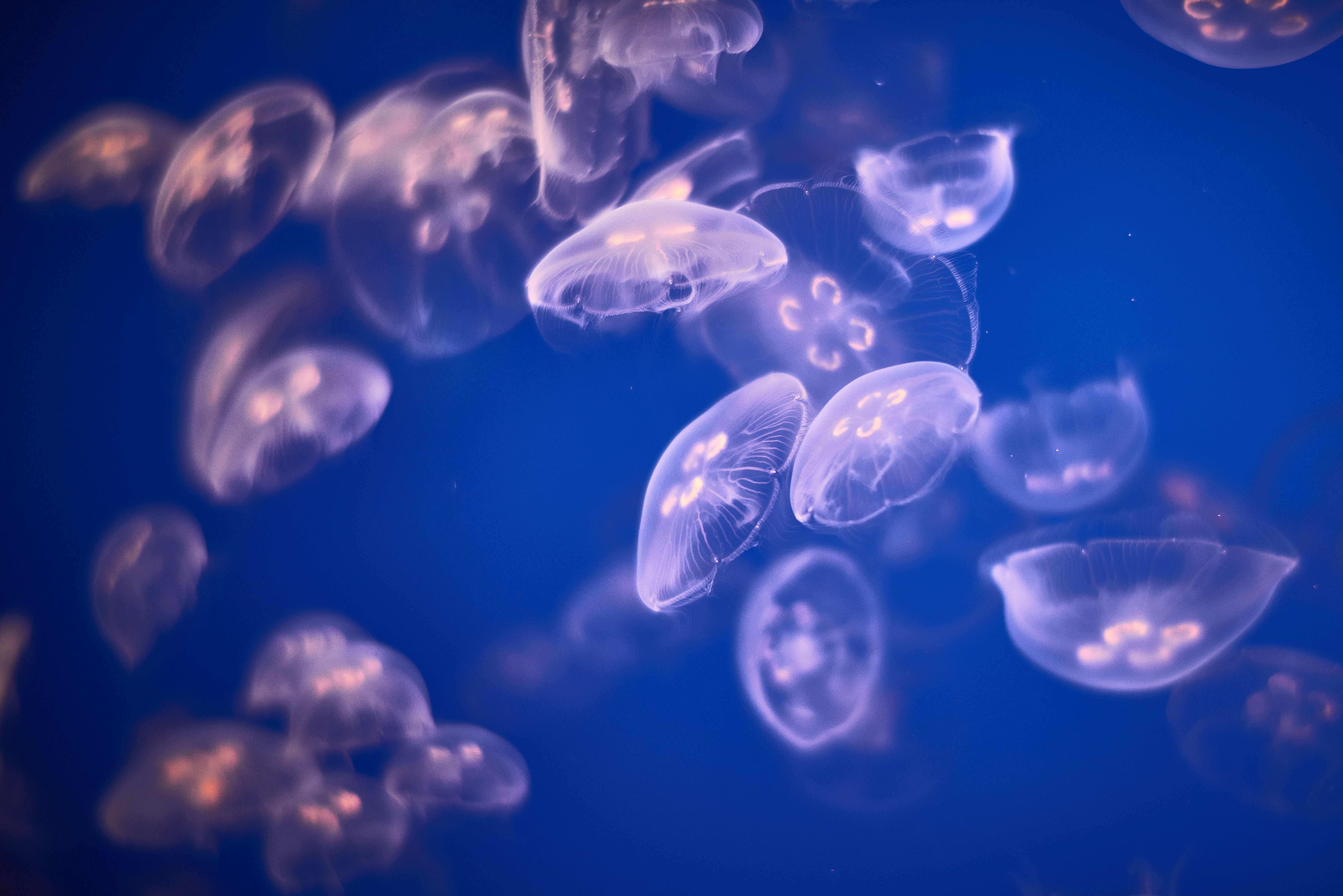
Spectacular How Big Can Jellyfish Get Landscape Digital Art
Immerse yourself in the stunning details of this beautiful how big can jellyfish get wallpaper, designed for a captivating visual experience.
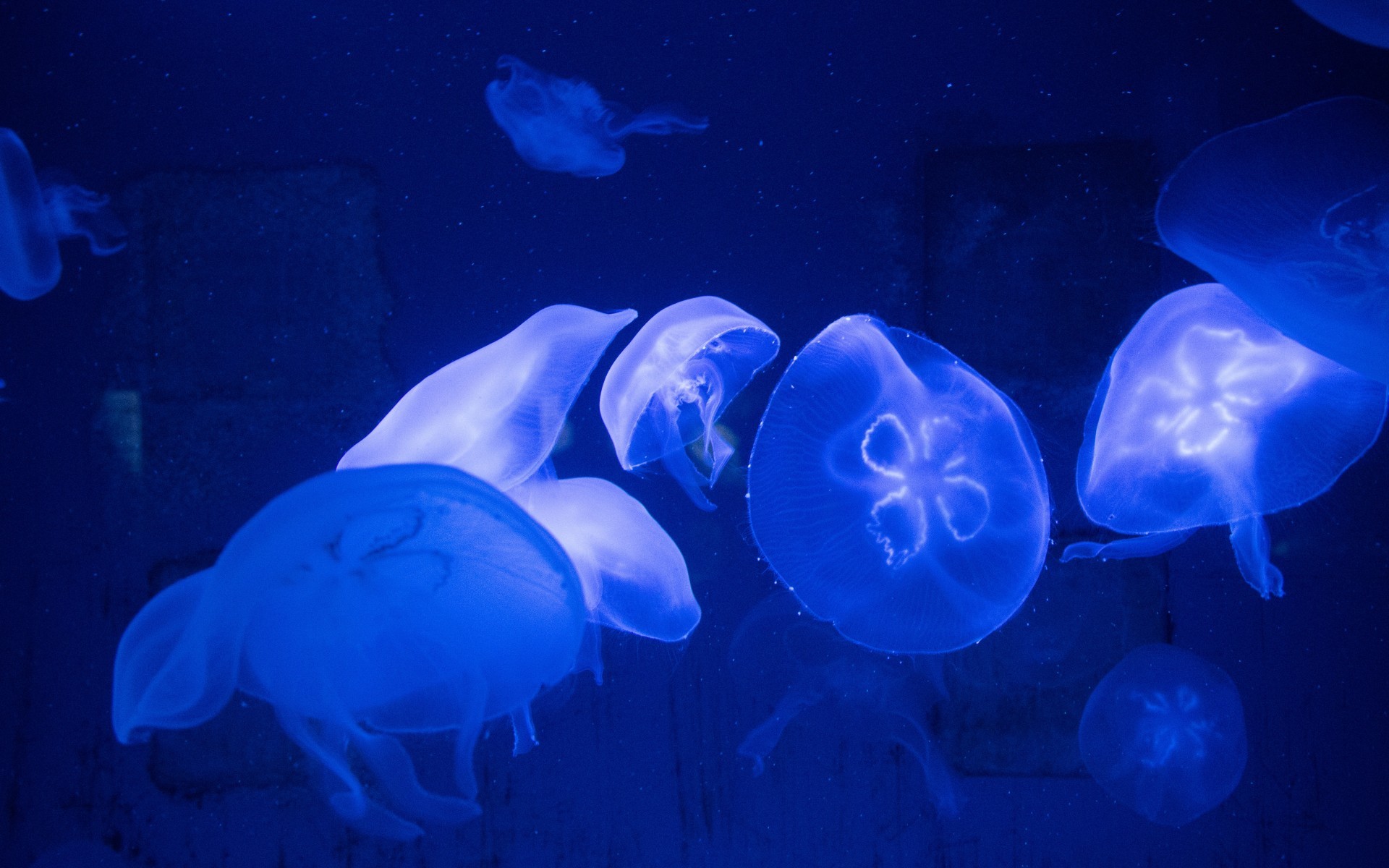
Amazing How Big Can Jellyfish Get Image for Mobile
Experience the crisp clarity of this stunning how big can jellyfish get image, available in high resolution for all your screens.
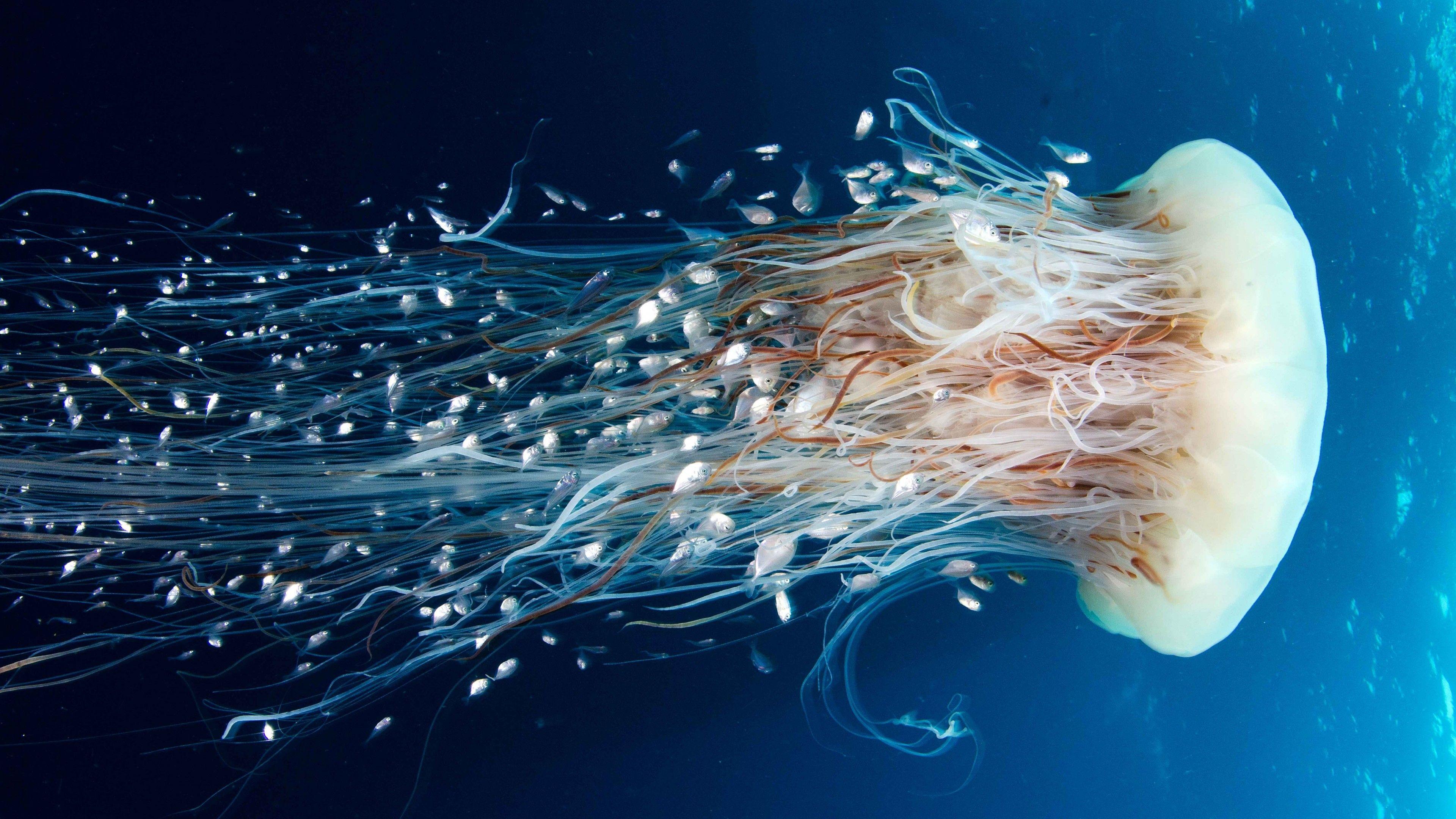
Amazing How Big Can Jellyfish Get Scene for Mobile
Experience the crisp clarity of this stunning how big can jellyfish get image, available in high resolution for all your screens.
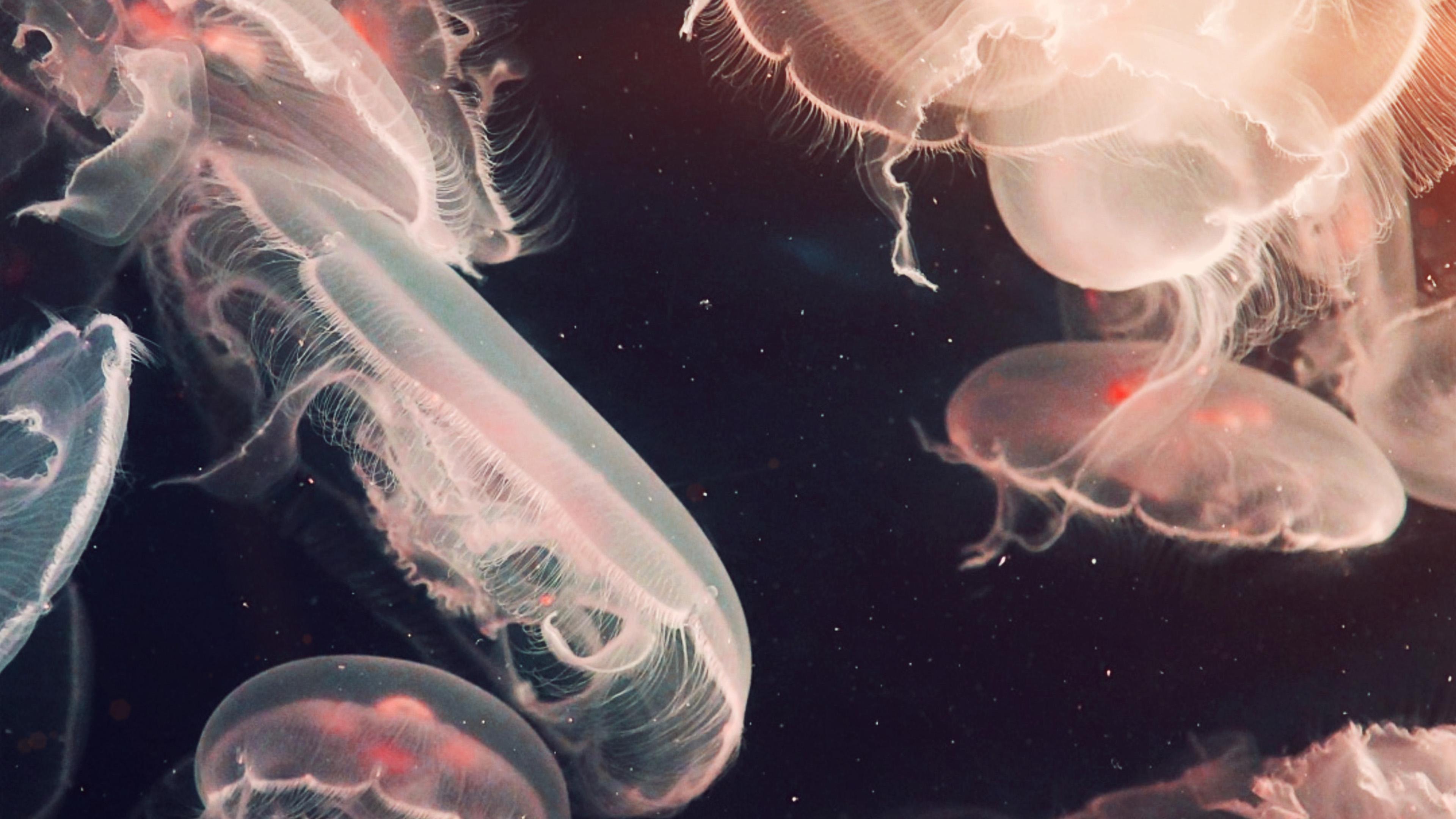
Dynamic How Big Can Jellyfish Get Capture Art
Immerse yourself in the stunning details of this beautiful how big can jellyfish get wallpaper, designed for a captivating visual experience.
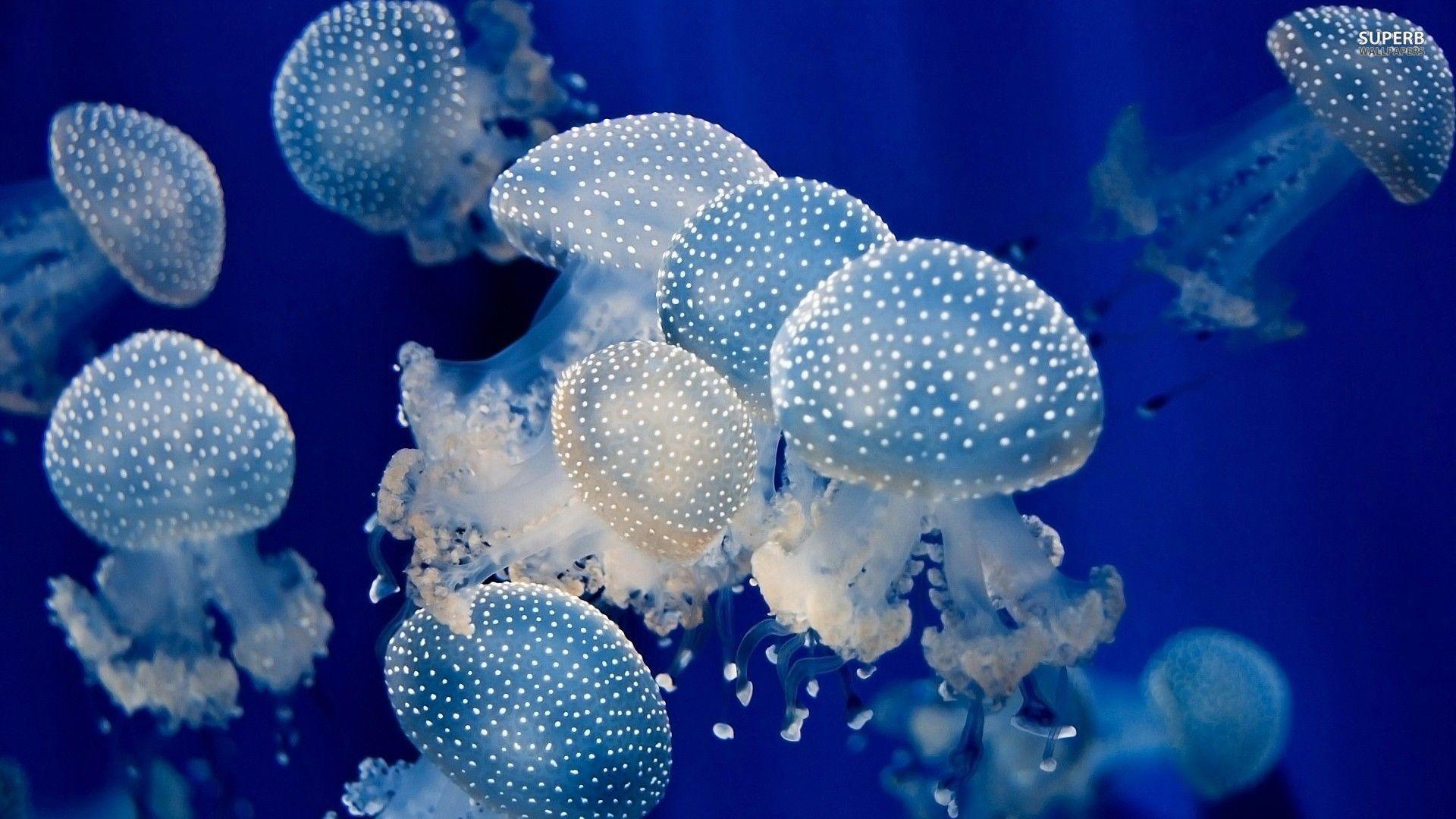
Mesmerizing How Big Can Jellyfish Get Photo Collection
Explore this high-quality how big can jellyfish get image, perfect for enhancing your desktop or mobile wallpaper.
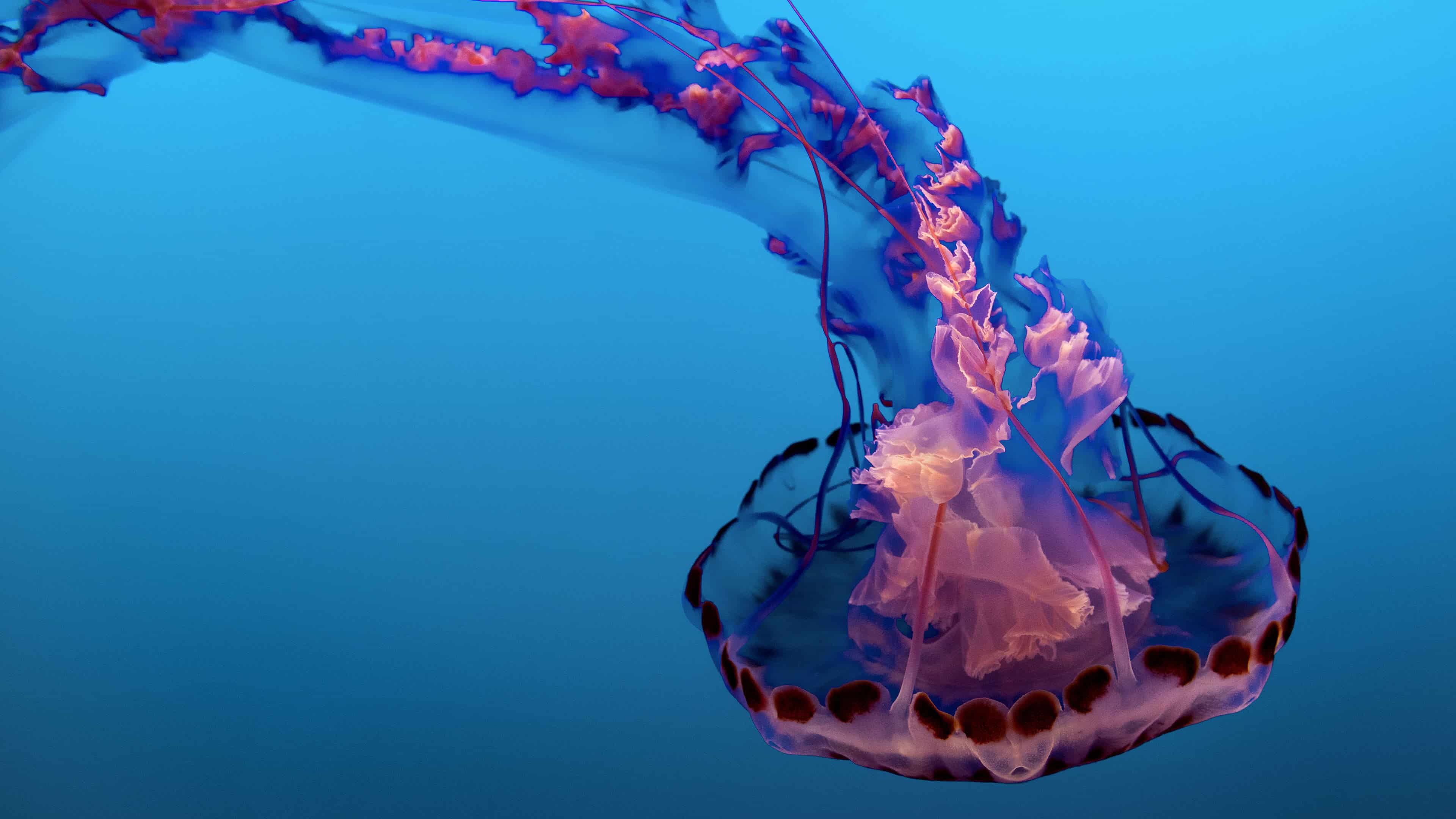
Serene How Big Can Jellyfish Get Image Illustration
Experience the crisp clarity of this stunning how big can jellyfish get image, available in high resolution for all your screens.
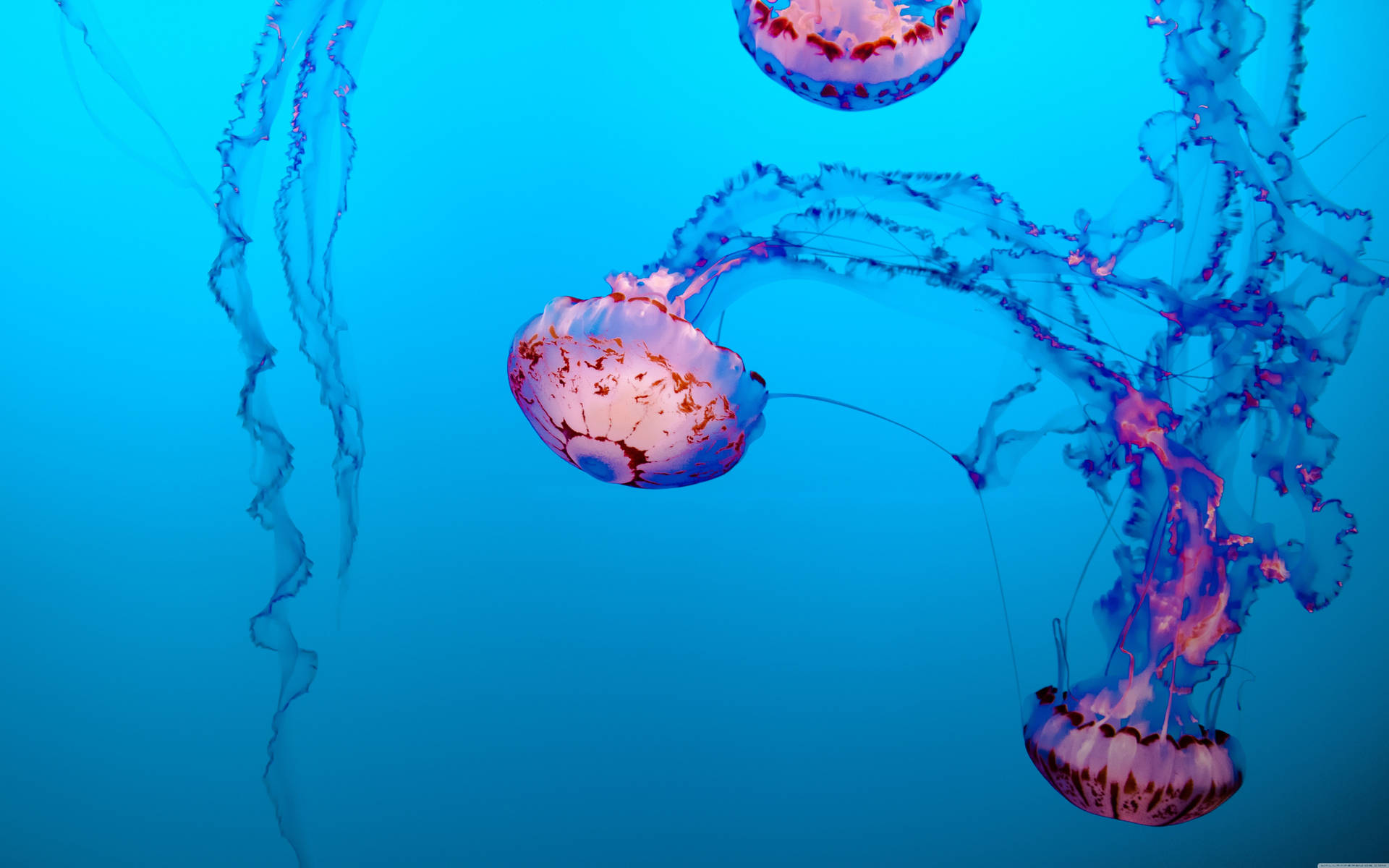
Exquisite How Big Can Jellyfish Get Capture Illustration
Find inspiration with this unique how big can jellyfish get illustration, crafted to provide a fresh look for your background.
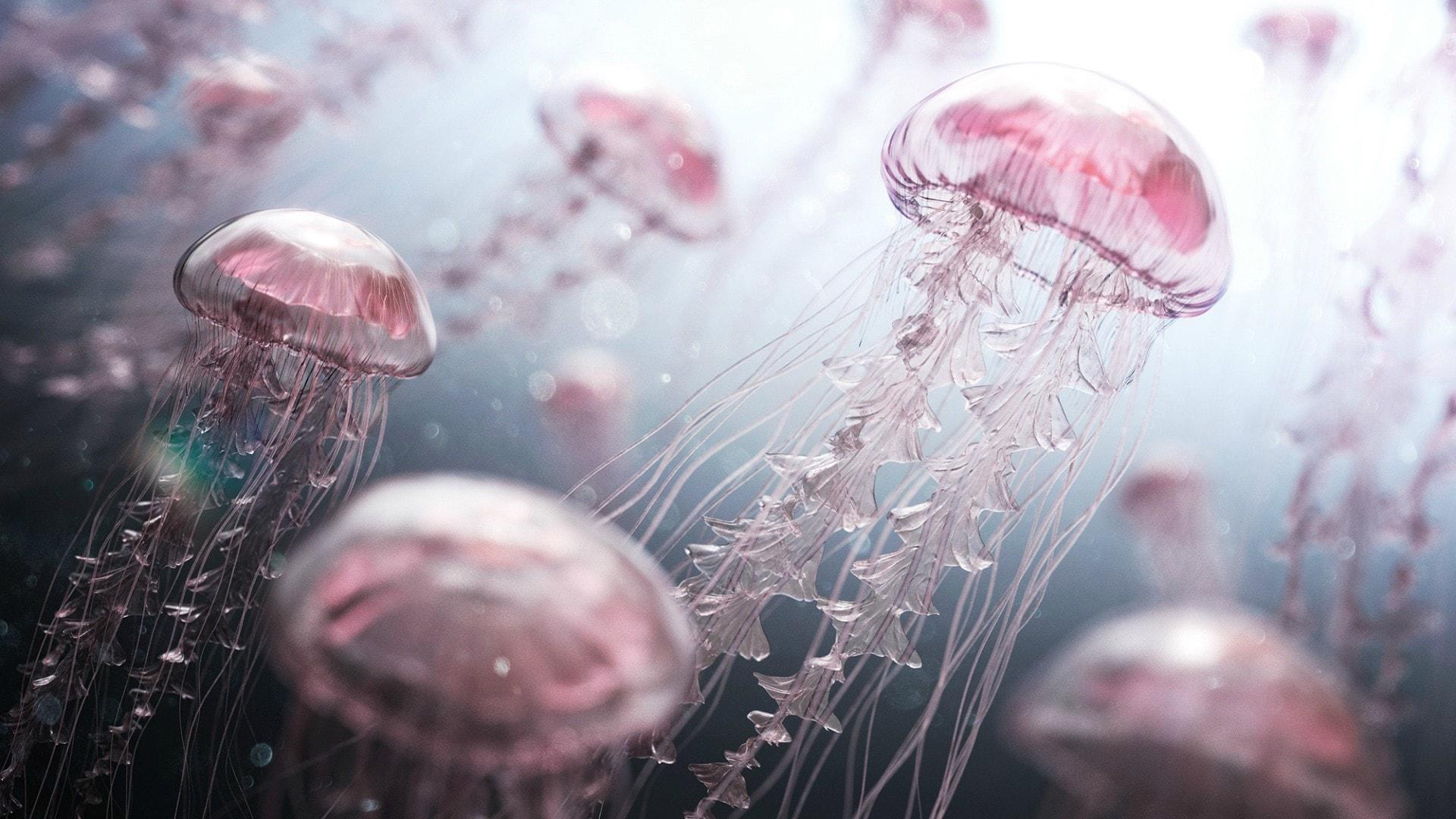
Dynamic How Big Can Jellyfish Get View in 4K
This gorgeous how big can jellyfish get photo offers a breathtaking view, making it a perfect choice for your next wallpaper.
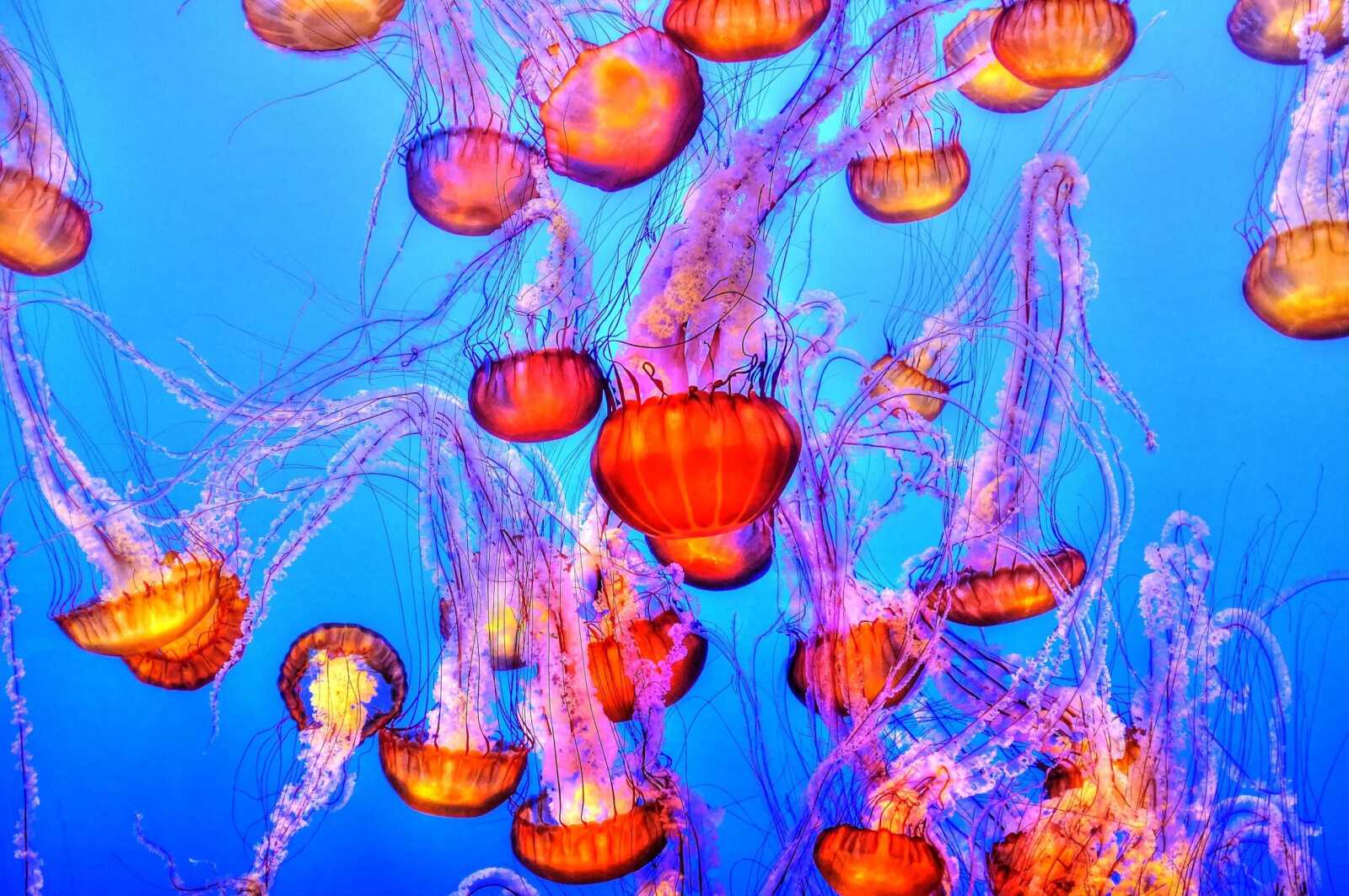
Lush How Big Can Jellyfish Get Design in 4K
Immerse yourself in the stunning details of this beautiful how big can jellyfish get wallpaper, designed for a captivating visual experience.
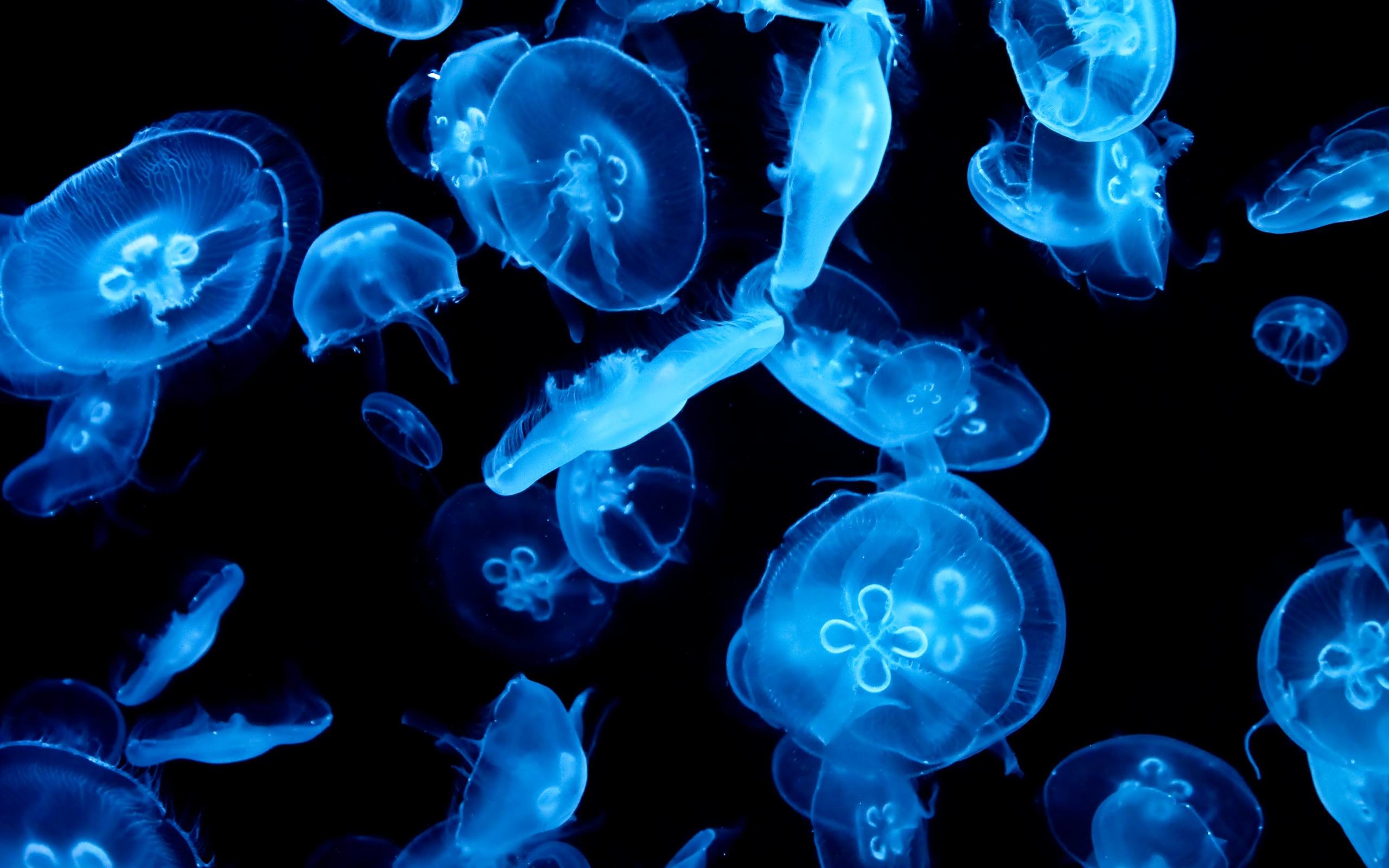
Captivating How Big Can Jellyfish Get Artwork Illustration
This gorgeous how big can jellyfish get photo offers a breathtaking view, making it a perfect choice for your next wallpaper.
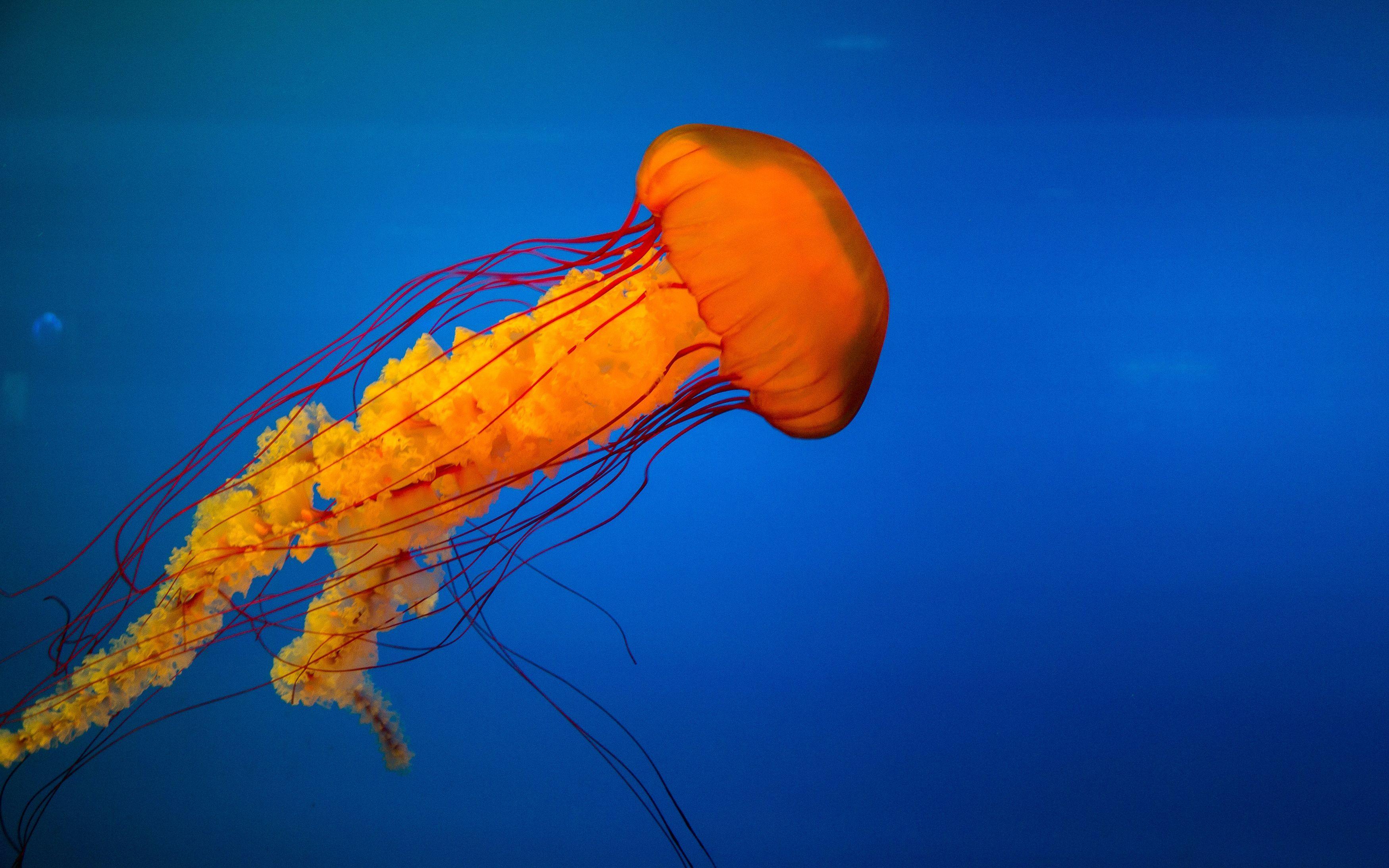
Artistic How Big Can Jellyfish Get Photo in HD
A captivating how big can jellyfish get scene that brings tranquility and beauty to any device.
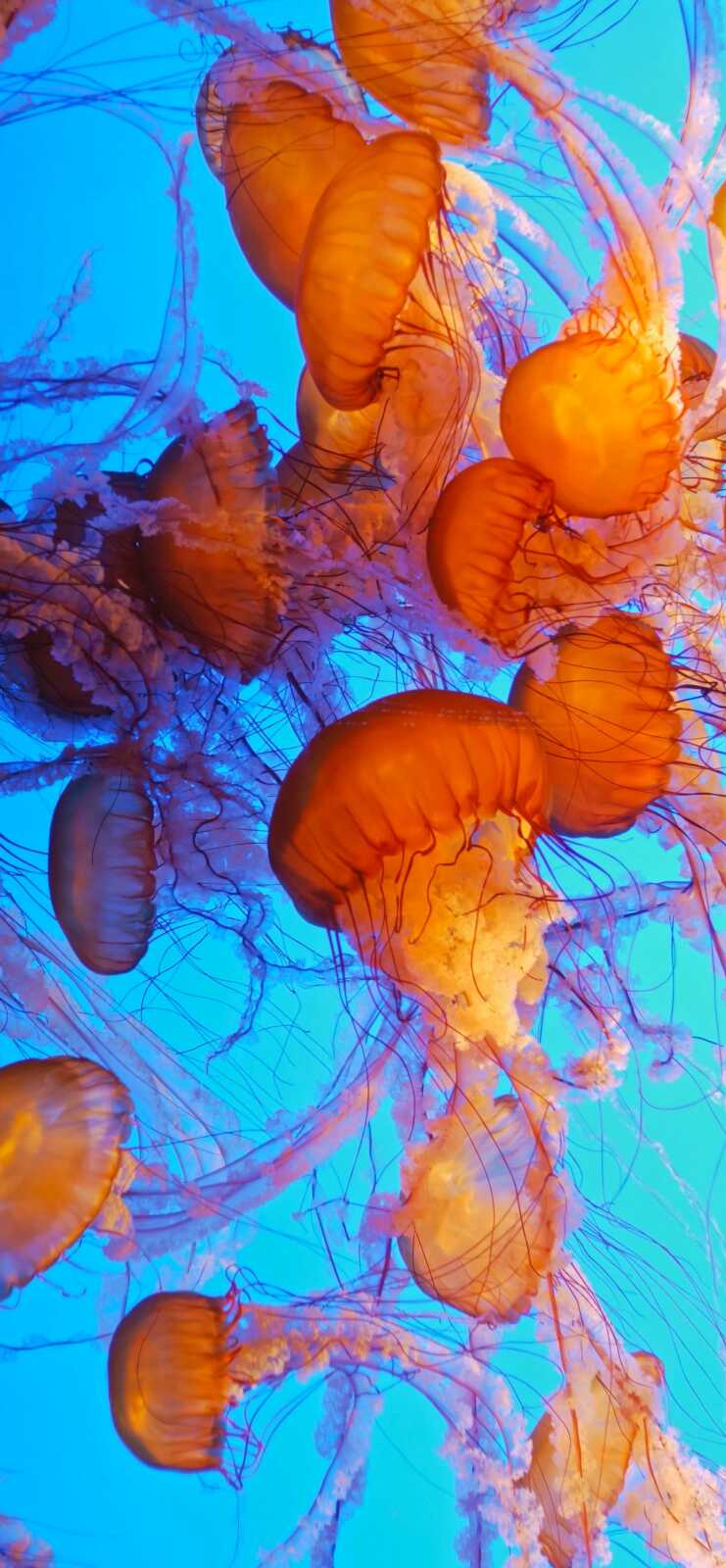
Beautiful How Big Can Jellyfish Get Artwork Concept
Explore this high-quality how big can jellyfish get image, perfect for enhancing your desktop or mobile wallpaper.
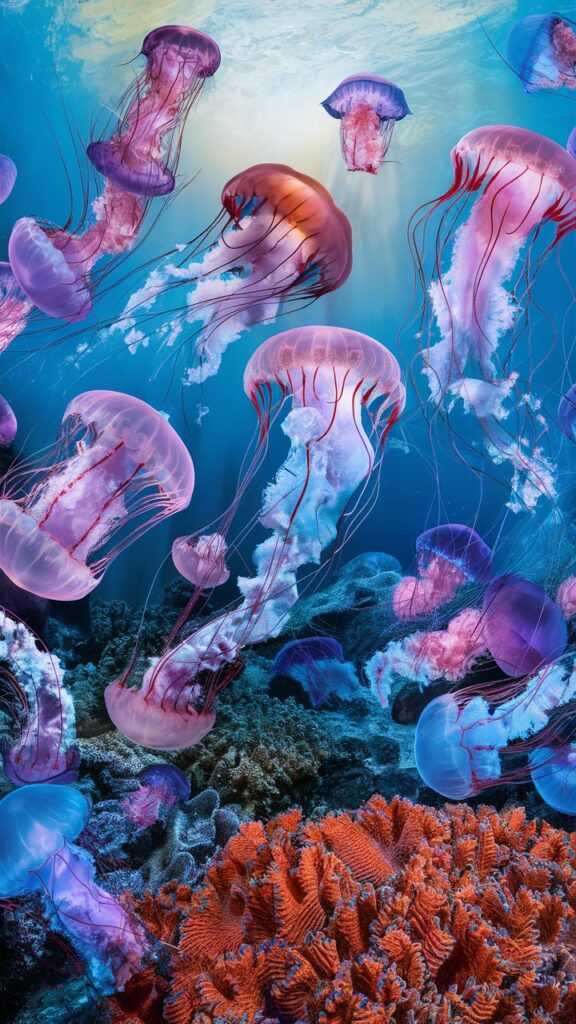
Amazing How Big Can Jellyfish Get View in HD
Discover an amazing how big can jellyfish get background image, ideal for personalizing your devices with vibrant colors and intricate designs.
Download these how big can jellyfish get wallpapers for free and use them on your desktop or mobile devices.