How Do You Get A Trademark On Something
How Do You Get A Trademark On Something? Your Easy Guide to Brand Protection
So, you've built something amazing—a brilliant business name, a catchy logo, or a unique product identifier. Now you need to protect it. Understanding how do you get a trademark on something might seem daunting, full of legal jargon and complicated forms, but don't worry. This guide breaks down the process into clear, manageable steps. Think of a trademark as the legal shield for your brand's identity; it prevents others from confusing their products or services with yours.
Getting a trademark is a strategic investment in your future. While the process requires precision, following the right steps ensures your intellectual property is secure. Let's dive into what you need to know to officially register and protect your brand.
Understanding What a Trademark Really Is
Before asking, "How do you get a trademark on something?" it's vital to know exactly what a trademark covers. Simply put, a trademark is a word, phrase, symbol, design, or a combination of these things, that identifies and distinguishes the source of the goods or services of one party from those of others.
It's important not to confuse trademarks with other forms of intellectual property (IP). Each protects a different aspect of your creation:
- Trademark: Protects brand names and logos used on goods and services (e.g., the Nike Swoosh).
- Copyright: Protects original works of authorship, such as literature, music, and art (e.g., a photograph or a novel).
- Patent: Protects inventions, processes, and designs (e.g., a new type of machinery).
Your trademark is about consumer recognition. It ensures that when a customer sees your mark, they know exactly who made the product they are buying.
Preparation is Key: The Preliminary Steps
The success of your application heavily depends on thorough preparation. Jumping into filing without due diligence is the number one reason applications get rejected. These initial steps are crucial for determining if your chosen mark is legally viable.
Step 1: Conducting a Comprehensive Trademark Search
Before spending time and money on registration, you must ensure your chosen mark isn't already in use or confusingly similar to an existing one. A "confusingly similar" mark doesn't have to be identical; it just needs to be similar enough that consumers might think your goods or services come from the same source as another company.
Here's where you need to look:
- Government Database Search: Start with the official trademark database (e.g., the USPTO database in the United States). This reveals federally registered marks and pending applications.
- State Registries: Check state-level registration databases, as some businesses may only register locally.
- Common Law Search: This is arguably the most critical step. Search the wider marketplace, including search engines, social media platforms, trade directories, and general business names, to find unregistered marks that are still in use.
If your mark is identical or highly similar to an existing registered mark related to similar goods or services, you should go back to the drawing board. This search minimizes the risk of receiving an Office Action later in the process.
Step 2: Defining Your Goods and Services (Filing Basis)
When you file, you must specify exactly which goods or services your trademark will cover. This is done by selecting the appropriate classification codes, known globally as the Nice Classification system. Getting this right is crucial because trademark rights are limited to the classes you list.
If you have a logo for both clothing (Class 25) and digital marketing services (Class 35), you must file for both classes and pay the corresponding fees for each. Be precise, but not too narrow, or your protection won't be comprehensive enough.
Understanding Specimen Requirements
If you are already using your mark in commerce, you need to submit a specimen—an example of how the public sees your mark being used. For goods, this might be a product tag or packaging. For services, it might be an advertisement or brochure showing the mark used when providing the service.
Navigating the Trademark Application Process
Once your research is complete and you know what you want to trademark, the formal application process begins. Most jurisdictions use an electronic system for filing, such as the TEAS system in the U.S. or equivalent platforms globally.
Choosing the Right Application Type
One of the first questions you must answer when determining how do you get a trademark on something is whether you are already using the mark or just plan to use it.
- Actual Use (Use in Commerce): You have already sold or provided services under the mark. This requires submitting specimens immediately.
- Intent-to-Use (ITU): You haven't started using the mark yet, but you have a genuine, good-faith intention to do so in the near future. This reserves your mark for a period, giving you time to launch your product. You will need to submit a Statement of Use and specimens later.
Choosing the correct basis is critical, as filing under the wrong basis can invalidate your application. Be sure all information, including ownership details, is perfectly accurate before submitting.
What Happens After You File? The Examination Process
After submission, your application enters the queue for examination. This usually takes several months. A Trademark Examining Attorney reviews your application for legal sufficiency and conflicts.
The process generally follows these steps:
- Formal Review: The attorney checks for obvious conflicts with existing marks, ensures the mark is registrable (i.e., not merely descriptive or generic), and verifies the classification of goods/services.
- Office Actions (If Necessary): If the attorney finds issues (e.g., confusing similarity, minor errors, or descriptiveness), they issue an Office Action. You must respond to this action within a strict deadline, arguing why your mark should be registered or correcting the errors.
- Publication for Opposition: If the mark is approved, it is published in an official gazette. This opens a window (usually 30 days) during which any third party who believes they would be harmed by your registration can file an opposition.
- Registration: If no opposition is filed, or if you overcome the opposition, your mark proceeds to registration, and you receive your official certificate. Congratulations!
The entire process, from filing to registration, can easily take 8 to 18 months, or even longer if Office Actions are involved.
Post-Registration and Maintenance
Once you successfully determine how do you get a trademark on something and achieve registration, the work is not entirely over. A trademark is only as strong as its maintenance.
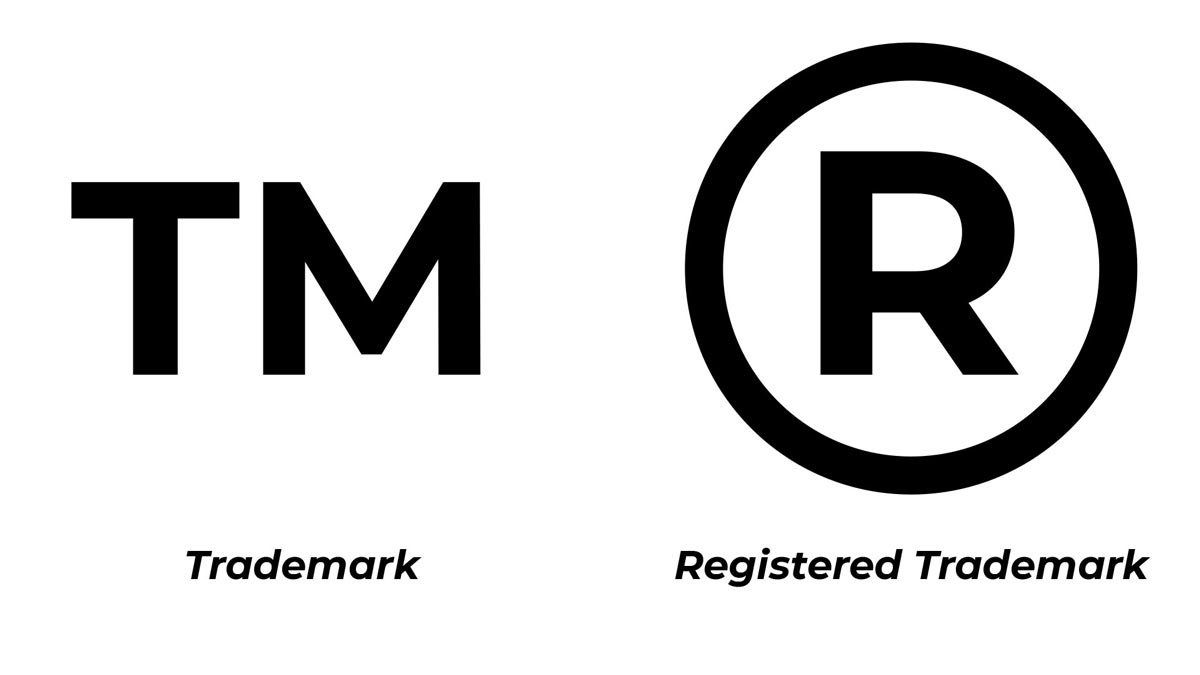
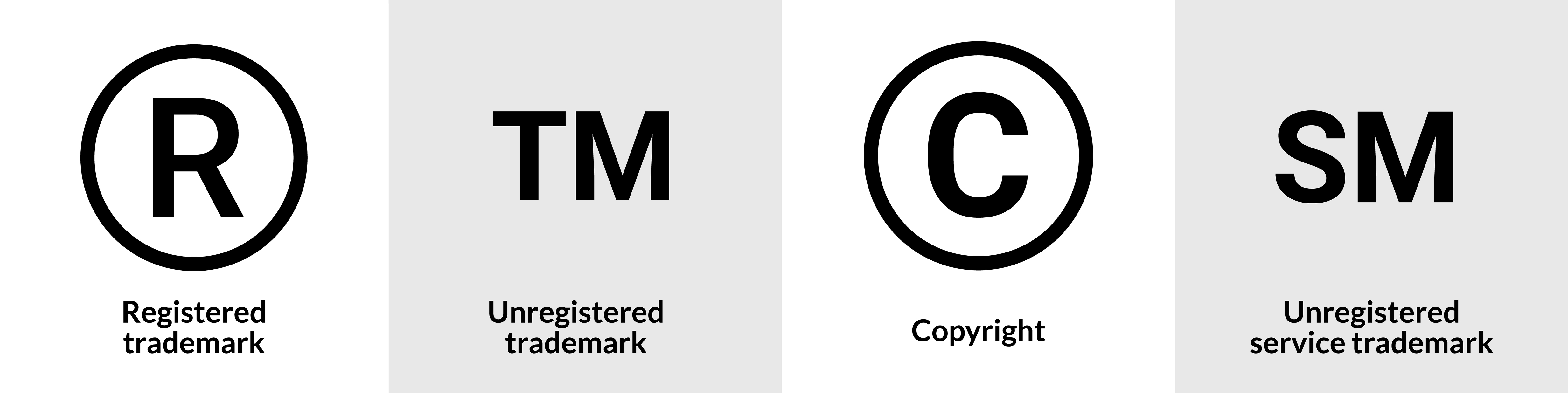
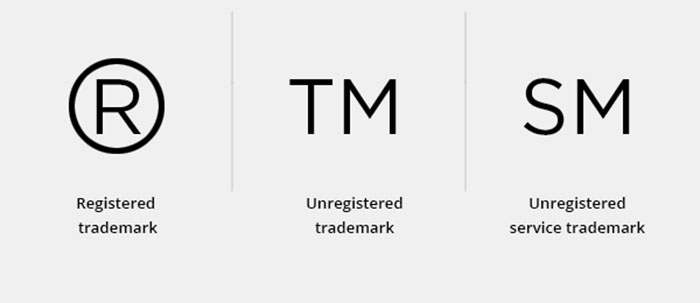
Firstly, you must use your mark correctly. Always use the ® symbol next to your mark once it is registered (you can use ™ or ℠ before registration). Use your mark as an adjective, not a noun, to prevent it from becoming generic (e.g., saying "I need a Kleenex tissue" rather than "I need a kleenex").
Protecting Your Mark
The government will not police your mark for you; that responsibility falls solely to the trademark owner. You must actively monitor the marketplace for unauthorized uses of your brand identity. This often involves setting up automated searches and regularly checking new trademark applications for confusingly similar filings.
Furthermore, trademarks do not last indefinitely without renewal. You must file periodic maintenance documents (usually affidavits of continued use) showing that the mark is still active in commerce to keep your registration alive. Missing these deadlines means losing your registration and having to start over.
Conclusion
Learning how do you get a trademark on something requires dedication, but the protection afforded to your brand makes the effort worthwhile. Start with meticulous research, accurately define your scope of goods and services, and carefully navigate the application process. While hiring an experienced trademark attorney is often recommended to avoid common pitfalls, understanding these key steps empowers you to take control of your brand's legal standing. Secure your future success by securing your trademark today.
Frequently Asked Questions (FAQ) About Trademarking
- Can I use the ™ symbol before my trademark is officially registered?
- Yes, absolutely! The ™ (trademark) symbol or ℠ (service mark) can be used to indicate that you claim common law rights to the mark, even if you haven't filed a federal application yet. However, you should only use the ® symbol after the trademark office has officially registered your mark.
- How long does a federal trademark registration last?
- A federal trademark registration can last indefinitely, provided you file the required maintenance documents (affidavits of continued use) with the trademark office at specific intervals. In the US, these renewals are generally required between the 5th and 6th year after registration, and then every 10 years thereafter.
- How much does it cost to get a trademark?
- The costs vary significantly based on the country, the application system chosen, and the number of classes of goods and services you intend to cover. Official filing fees alone can range from a few hundred dollars per class. Total costs increase dramatically if you use an attorney or face opposition during the examination phase.
- Do I need an attorney to file my trademark?
- While it is legally possible to file a trademark application on your own (pro se), it is highly recommended to consult with an attorney specializing in intellectual property. They can perform a comprehensive search, help correctly classify your goods and services, and effectively respond to any Office Actions issued by the examiner, significantly increasing your chances of success.
How Do You Get A Trademark On Something
How Do You Get A Trademark On Something Wallpapers
Collection of how do you get a trademark on something wallpapers for your desktop and mobile devices.

Lush How Do You Get A Trademark On Something Capture Digital Art
Immerse yourself in the stunning details of this beautiful how do you get a trademark on something wallpaper, designed for a captivating visual experience.
Spectacular How Do You Get A Trademark On Something Wallpaper Art
This gorgeous how do you get a trademark on something photo offers a breathtaking view, making it a perfect choice for your next wallpaper.

Artistic How Do You Get A Trademark On Something Design Art
A captivating how do you get a trademark on something scene that brings tranquility and beauty to any device.

Breathtaking How Do You Get A Trademark On Something Background Digital Art
Explore this high-quality how do you get a trademark on something image, perfect for enhancing your desktop or mobile wallpaper.

Mesmerizing How Do You Get A Trademark On Something Abstract Photography
Transform your screen with this vivid how do you get a trademark on something artwork, a true masterpiece of digital design.

Stunning How Do You Get A Trademark On Something Scene Illustration
Find inspiration with this unique how do you get a trademark on something illustration, crafted to provide a fresh look for your background.

Beautiful How Do You Get A Trademark On Something Capture Illustration
Discover an amazing how do you get a trademark on something background image, ideal for personalizing your devices with vibrant colors and intricate designs.

Dynamic How Do You Get A Trademark On Something Artwork Photography
This gorgeous how do you get a trademark on something photo offers a breathtaking view, making it a perfect choice for your next wallpaper.

Captivating How Do You Get A Trademark On Something View Art
Immerse yourself in the stunning details of this beautiful how do you get a trademark on something wallpaper, designed for a captivating visual experience.
High-Quality How Do You Get A Trademark On Something Artwork for Mobile
Transform your screen with this vivid how do you get a trademark on something artwork, a true masterpiece of digital design.

Gorgeous How Do You Get A Trademark On Something Photo Digital Art
Find inspiration with this unique how do you get a trademark on something illustration, crafted to provide a fresh look for your background.

Beautiful How Do You Get A Trademark On Something Wallpaper for Your Screen
Transform your screen with this vivid how do you get a trademark on something artwork, a true masterpiece of digital design.

Captivating How Do You Get A Trademark On Something Moment Digital Art
Find inspiration with this unique how do you get a trademark on something illustration, crafted to provide a fresh look for your background.
Crisp How Do You Get A Trademark On Something Background for Your Screen
Immerse yourself in the stunning details of this beautiful how do you get a trademark on something wallpaper, designed for a captivating visual experience.

High-Quality How Do You Get A Trademark On Something Abstract Digital Art
Discover an amazing how do you get a trademark on something background image, ideal for personalizing your devices with vibrant colors and intricate designs.
Lush How Do You Get A Trademark On Something Design for Desktop
Find inspiration with this unique how do you get a trademark on something illustration, crafted to provide a fresh look for your background.
Artistic How Do You Get A Trademark On Something Wallpaper Digital Art
Immerse yourself in the stunning details of this beautiful how do you get a trademark on something wallpaper, designed for a captivating visual experience.

Breathtaking How Do You Get A Trademark On Something Moment for Mobile
Explore this high-quality how do you get a trademark on something image, perfect for enhancing your desktop or mobile wallpaper.
Detailed How Do You Get A Trademark On Something Photo Digital Art
Transform your screen with this vivid how do you get a trademark on something artwork, a true masterpiece of digital design.