How To Get Better At Art
How To Get Better At Art: The Ultimate Roadmap for Creatives
Are you staring at your sketchbook feeling stuck? Do you love the idea of creating beautiful artwork but feel frustrated with your current skill level? If you've ever Googled "How To Get Better At Art," you are definitely not alone. It's a journey every artist takes, and the good news is that artistic skill is not a magical gift—it's a learned skill.
This comprehensive guide is designed to give you actionable steps, practical advice, and the motivational boost you need to significantly improve your artwork. We're going to cover everything from mastering the basics to finding your artistic voice and staying consistent in your creative endeavors. Ready to level up your art game? Let's dive in!
Mastering the Fundamentals: The Foundation of Art
You can't build a skyscraper without a solid foundation, and the same principle applies to art. Before tackling complex compositions or highly stylized work, you must be comfortable with the core principles. These fundamentals are the language of art, and fluency here makes everything else easier.
Practice the Basics Daily
Consistency in practicing basic shapes, lines, and forms is crucial. Think of it as warming up before a workout. If you struggle with figures, spend time sketching gesture drawings. If your environments feel flat, focus heavily on perspective. These repetitive exercises are essential steps in figuring out how to get better at art.
A few key fundamentals you should revisit often include:
- Line Quality: Learn to control the weight and flow of your lines.
- Perspective: Master 1-point, 2-point, and 3-point perspective to create depth.
- Proportions and Anatomy: Understand how objects and figures relate to each other in size.
- Composition: Learn the rule of thirds and how to lead the viewer's eye.
Understanding Color Theory and Light
Color theory isn't just about mixing paint; it's about understanding mood, contrast, and visual harmony. Similarly, mastering light and shadow (value) is perhaps the single most effective way to make your artwork appear three-dimensional and realistic.
Focus your studies on the following areas:
- Value Studies: Practice rendering objects using only black, white, and gray tones. This trains your eye to see form separate from color.
- Hue and Saturation: Learn how to use complementary colors effectively to make certain elements pop.
- Light Sources: Always identify the primary light source, ambient light, and bounced light in your references.
Developing a Consistent Practice (Discipline is Key)
Talent gets you noticed, but consistency is what helps you dramatically improve your art skills over the long run. If you only draw when you feel "inspired," your progress will be sporadic and slow. Building an artistic routine, even a small one, is non-negotiable for serious growth.
The Power of Sketchbooks
Your sketchbook should be your artistic playground—a place without pressure. It's where you practice things you are bad at, test new ideas, and document your daily visual observations. Don't worry about perfection here; worry about mileage.
Try to dedicate at least 20 minutes every single day to your sketchbook. Studies show that short, frequent sessions are far more effective for skill acquisition than long, infrequent marathon sessions.
Set Achievable Goals
It's easy to feel overwhelmed when looking at the work of professional artists. Instead of aiming for their skill level immediately, break your journey down into small, measurable goals. This makes the answer to "How To Get Better At Art" much clearer.
For example, instead of "I will be a great painter," try:
- This month, I will complete 15 studies focusing only on rendering reflective surfaces.
- This week, I will draw 50 hands from various angles.
- I will finish one fully rendered piece using a limited color palette.
Learning and Seeking Feedback (Growth Mindset)
The best artists are eternal students. They are constantly looking for ways to refine their knowledge, whether through formal education, online courses, or simply observing the world around them. Furthermore, receiving objective feedback is crucial for pinpointing your blind spots.
Study the Masters and Contemporary Artists
Don't just look at art—study it. When you admire a piece, ask yourself why it works. Is it the composition? The use of value? The texture? Copying (or "master studies") is an age-old method for gaining insights into techniques and decision-making processes.
Analyze how different artists handle common problems, such as foreshortening or atmospheric perspective. This intellectual curiosity is key to accelerated learning.
Effective Ways to Handle Critiques
Critique can hurt sometimes, but it is necessary for growth. Seek out constructive feedback from peers, mentors, or reputable online communities. Always remember that the critique is about the artwork, not about you personally.
Here are ways to maximize your critique experience:
- Be Specific: Ask for feedback on particular elements (e.g., "How does the lighting look?" rather than "Is this good?").
- Listen and Document: Take notes and try not to become defensive.
- Filter Wisely: Not all advice is good advice. Use your own judgment to decide which suggestions truly serve your artistic vision.
Breaking Through Plateaus (Staying Motivated)
Every artist hits a plateau—that frustrating period where it feels like you're creating the same thing over and over, or worse, getting worse! This is where many people quit. However, plateaus are simply signals that it's time to change your routine and inject some novelty into your work.
Experimentation and Risk-Taking
If you only draw heads, start painting landscapes. If you work only digitally, grab some charcoal and paper. Switching mediums forces you to think differently about texture, light, and workflow, often resolving issues you didn't even realize you had in your primary medium.
Don't be afraid of "ruining" a piece. Failure is simply data collection. The willingness to try something new, even if it results in bad art, is a hallmark of artists who continually discover how to get better at art.
Conclusion: Your Journey to Becoming a Better Artist
Improving your artistic skills is a marathon, not a sprint. The question of "How To Get Better At Art" is ultimately answered through consistent effort, dedication to the fundamentals, and a willingness to embrace critique and experimentation. Remember that every master started exactly where you are now.
Focus on showing up daily, filling your sketchbooks with ugly drawings, setting clear measurable goals, and analyzing the work of those who inspire you. The progress might seem slow day-to-day, but look back in six months, and you will undoubtedly see how much you have improved. Keep creating, keep learning, and most importantly, keep enjoying the process!
Frequently Asked Questions (FAQ)
- What is the single most important thing I can do to improve my art?
- Consistency is king. Dedicating a specific, even short, time slot every single day to focused practice is more beneficial than drawing for eight hours once a week. Daily repetition builds muscle memory and sharpens your observational skills.
- How long does it take to see real improvement?
- Genuine, visible improvement usually takes between three to six months of dedicated, focused practice. However, micro-improvements happen daily. If you track your progress (by dating your work), you will be surprised how quickly you evolve.
- Should I copy other artists' work?
- Copying for the purpose of learning (Master Studies) is highly encouraged, as it helps you deconstruct techniques like composition and brushwork. However, you should never claim copied work as your own or sell it. The goal is to analyze their methods, not replicate their style permanently.
- Is it too late for me to start learning how to get better at art?
- Absolutely not. Artistic learning is not confined by age. As long as you have the curiosity and the dedication to put in the time, you can start or significantly improve your art skills at any point in your life.
How To Get Better At Art
How To Get Better At Art Wallpapers
Collection of how to get better at art wallpapers for your desktop and mobile devices.

High-Quality How To Get Better At Art Scene for Your Screen
Explore this high-quality how to get better at art image, perfect for enhancing your desktop or mobile wallpaper.

Vibrant How To Get Better At Art Image Collection
Experience the crisp clarity of this stunning how to get better at art image, available in high resolution for all your screens.
Amazing How To Get Better At Art Picture for Mobile
Experience the crisp clarity of this stunning how to get better at art image, available in high resolution for all your screens.

Crisp How To Get Better At Art Background Illustration
Find inspiration with this unique how to get better at art illustration, crafted to provide a fresh look for your background.

Detailed How To Get Better At Art Artwork Collection
Explore this high-quality how to get better at art image, perfect for enhancing your desktop or mobile wallpaper.
Crisp How To Get Better At Art Scene Nature
A captivating how to get better at art scene that brings tranquility and beauty to any device.

Beautiful How To Get Better At Art Artwork Art
Experience the crisp clarity of this stunning how to get better at art image, available in high resolution for all your screens.

Artistic How To Get Better At Art Moment for Mobile
Find inspiration with this unique how to get better at art illustration, crafted to provide a fresh look for your background.
High-Quality How To Get Better At Art Capture Concept
Explore this high-quality how to get better at art image, perfect for enhancing your desktop or mobile wallpaper.

Beautiful How To Get Better At Art View Nature
Experience the crisp clarity of this stunning how to get better at art image, available in high resolution for all your screens.
Vivid How To Get Better At Art Photo Illustration
Explore this high-quality how to get better at art image, perfect for enhancing your desktop or mobile wallpaper.
Detailed How To Get Better At Art Landscape in HD
Transform your screen with this vivid how to get better at art artwork, a true masterpiece of digital design.

Exquisite How To Get Better At Art Abstract Art
This gorgeous how to get better at art photo offers a breathtaking view, making it a perfect choice for your next wallpaper.

Detailed How To Get Better At Art Picture for Desktop
Transform your screen with this vivid how to get better at art artwork, a true masterpiece of digital design.

Amazing How To Get Better At Art Design Concept
Discover an amazing how to get better at art background image, ideal for personalizing your devices with vibrant colors and intricate designs.
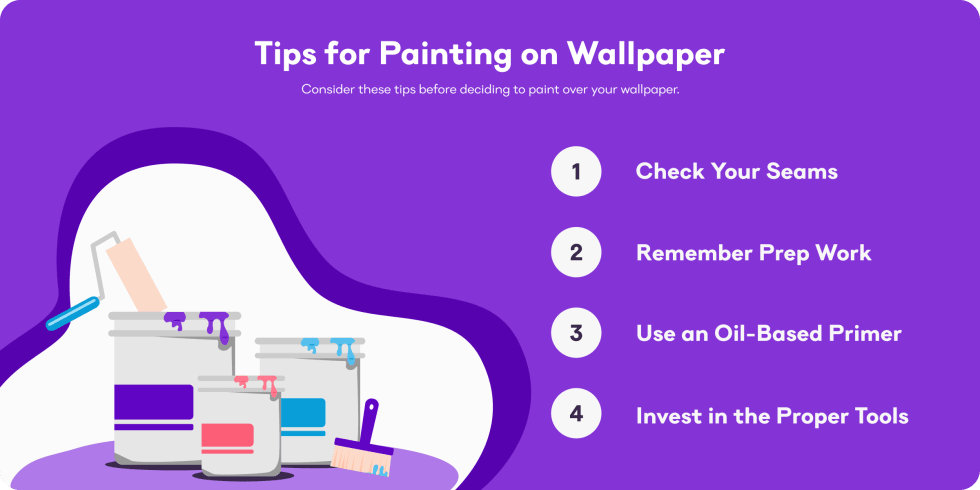
Lush How To Get Better At Art Moment Photography
This gorgeous how to get better at art photo offers a breathtaking view, making it a perfect choice for your next wallpaper.
Dynamic How To Get Better At Art Moment in HD
Immerse yourself in the stunning details of this beautiful how to get better at art wallpaper, designed for a captivating visual experience.

Vivid How To Get Better At Art Wallpaper Illustration
Transform your screen with this vivid how to get better at art artwork, a true masterpiece of digital design.
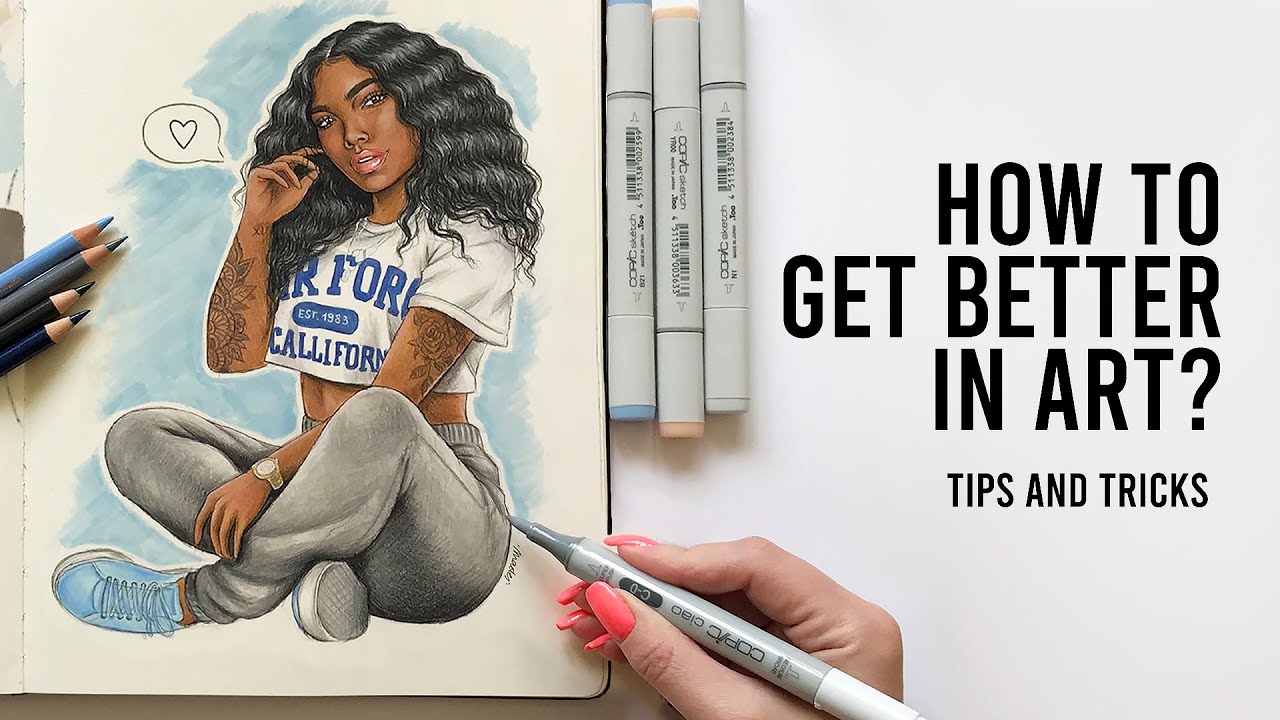
High-Quality How To Get Better At Art Scene for Mobile
Discover an amazing how to get better at art background image, ideal for personalizing your devices with vibrant colors and intricate designs.

Vibrant How To Get Better At Art Capture in HD
Experience the crisp clarity of this stunning how to get better at art image, available in high resolution for all your screens.
Download these how to get better at art wallpapers for free and use them on your desktop or mobile devices.