How To Get Diagnosed With Pots
How To Get Diagnosed With Pots: Your Step-by-Step Guide to Understanding POTS Diagnosis
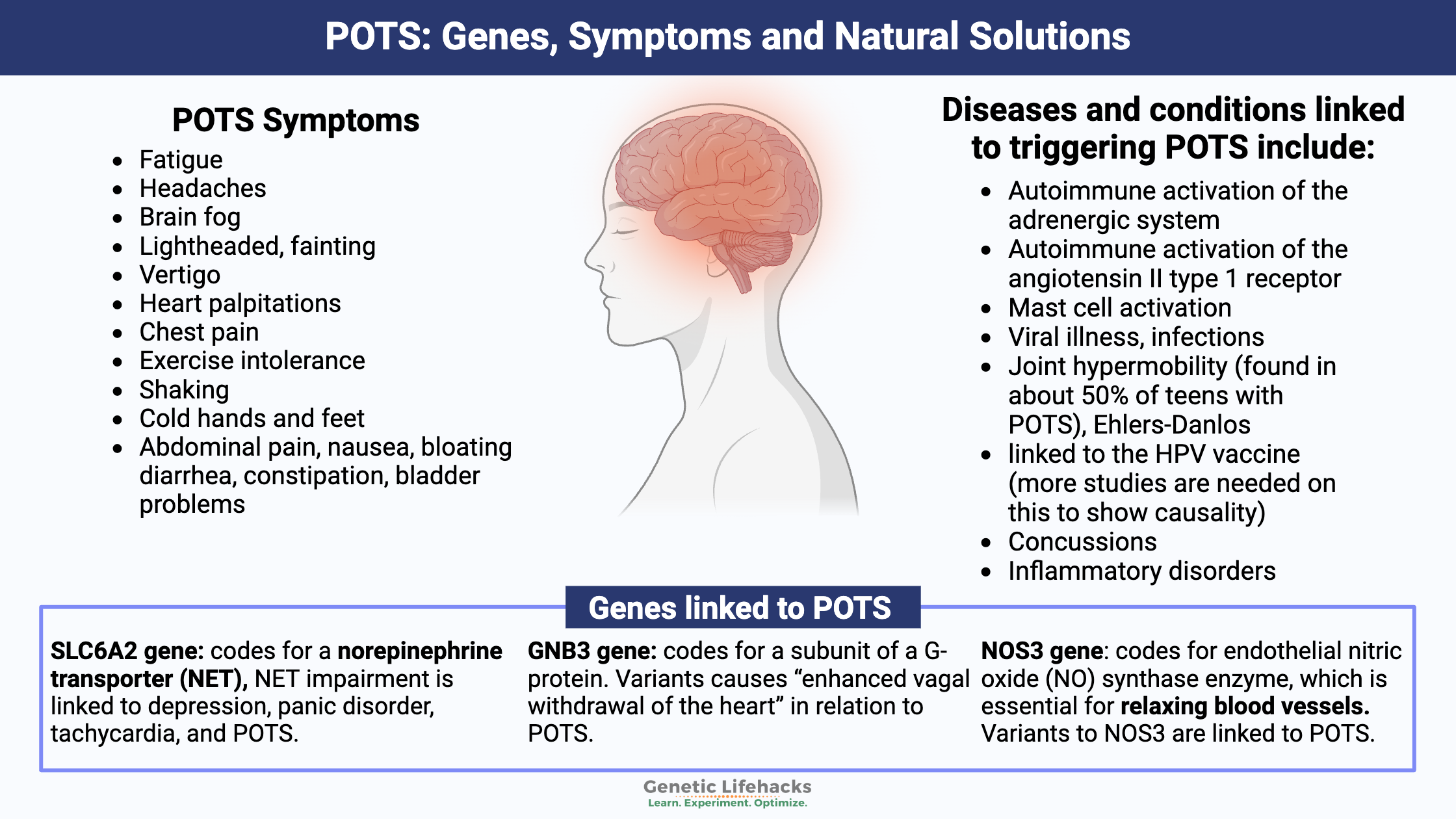
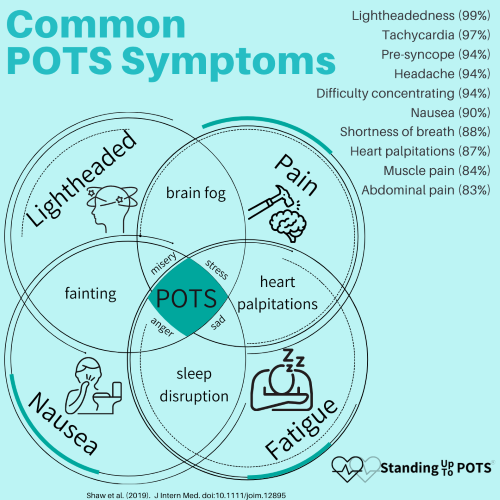
Dealing with the confusing and often debilitating symptoms of Postural Orthostatic Tachycardia Syndrome, or POTS, can feel incredibly isolating. You might be experiencing dizziness, chronic fatigue, and heart palpitations every time you stand up, yet struggle to get a clear answer from doctors.
If you are constantly asking yourself, "How To Get Diagnosed With Pots?" you are not alone. Getting an accurate diagnosis can be a frustrating journey, often taking years. However, armed with the right information and preparation, you can streamline the process significantly. This guide will walk you through the essential steps, tests, and specialists involved in pinpointing a POTS diagnosis.
What Exactly is POTS and Why Is Diagnosis Hard?
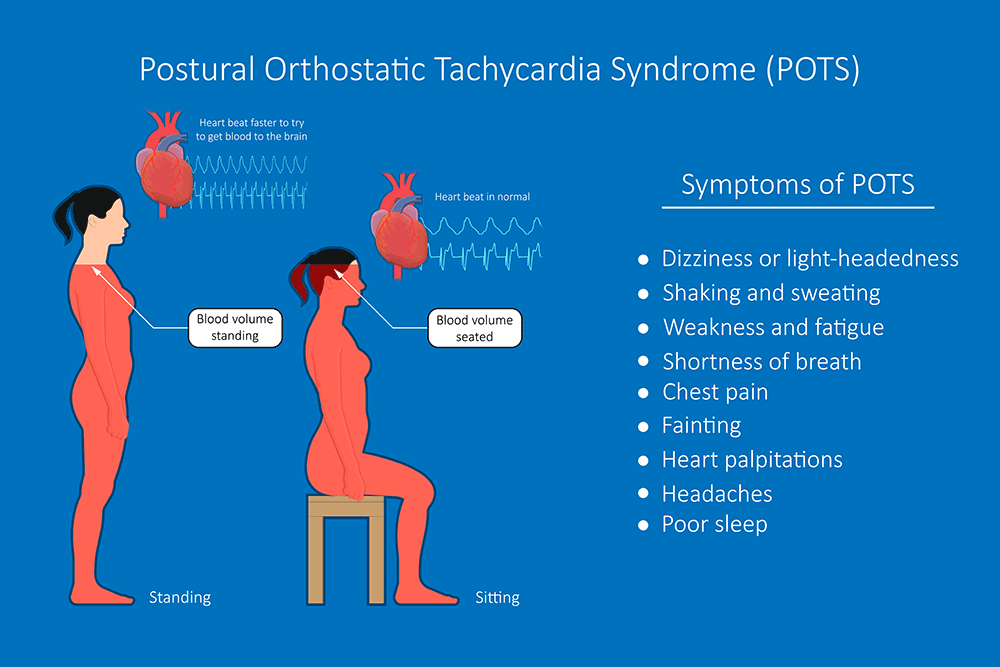
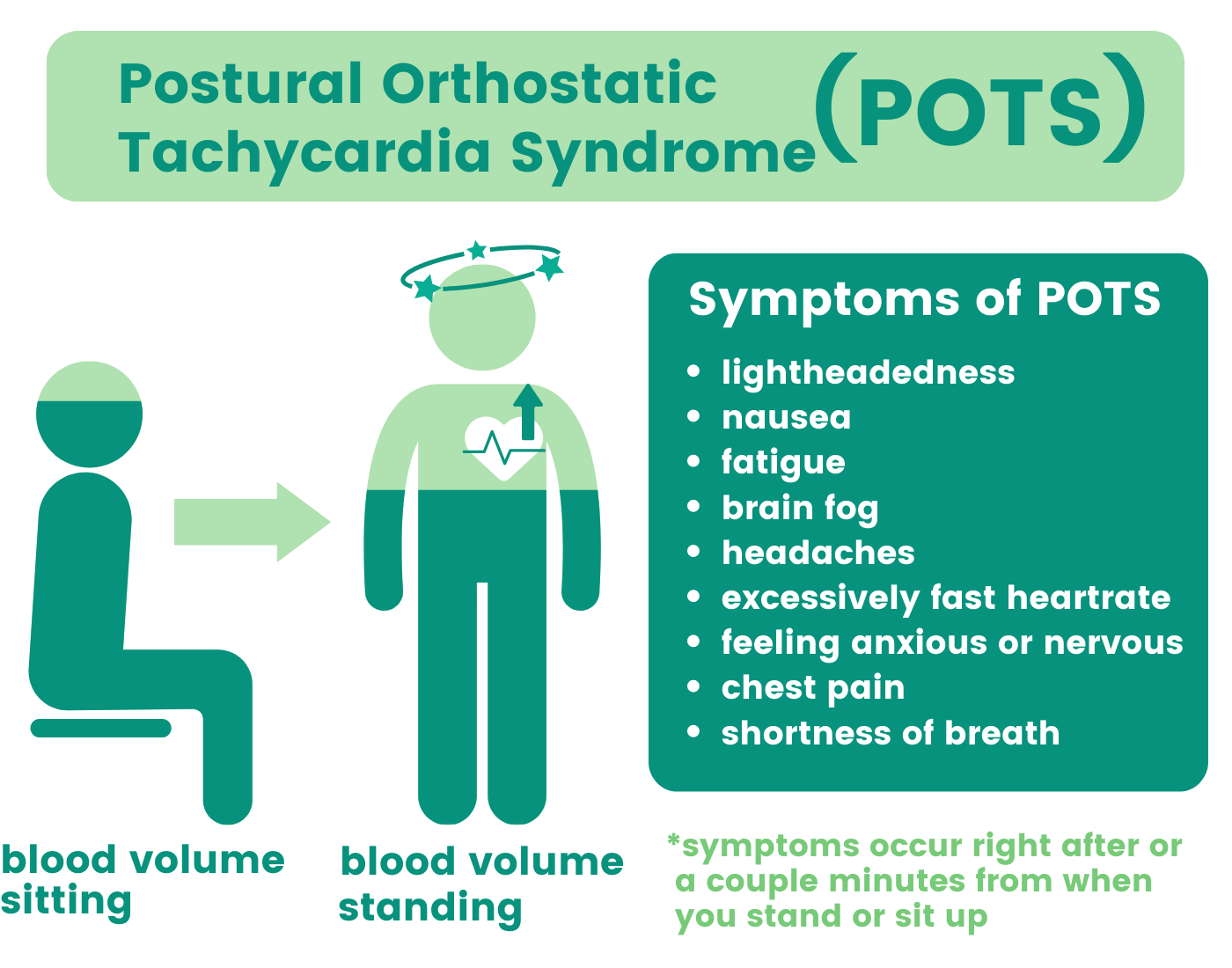
POTS is a disorder of the autonomic nervous system (the system that controls involuntary functions like heart rate, breathing, and digestion). Specifically, it is a form of dysautonomia characterized by orthostatic intolerance. This means your body struggles to manage the transition when you move from sitting or lying down to standing.
The hallmark sign of POTS is a rapid, sustained increase in heart rate—typically 30 beats per minute (bpm) or more, or 40 bpm in adolescents—within the first 10 minutes of standing, without experiencing orthostatic hypotension (a significant drop in blood pressure).
So, why is figuring out How To Get Diagnosed With Pots so tricky? Firstly, POTS symptoms overlap heavily with other conditions, such as anxiety, chronic fatigue syndrome, or even anemia. Secondly, awareness among general practitioners can be low, often leading them to dismiss symptoms as psychological. Finding a specialist who understands this complex condition is often the biggest hurdle.
Preparing for Your Doctor's Appointment
The single most important step you can take to expedite your diagnosis is careful preparation. Doctors need objective data, not just vague complaints. Start tracking your symptoms meticulously several weeks before your appointment.
You should specifically monitor how your heart rate and blood pressure change when you move positions. This documentation provides critical evidence that points toward a POTS diagnosis.
What to Bring to Your Specialist
Having a detailed symptom diary dramatically improves the chances of getting your doctor to take your concerns seriously. Ensure you compile all relevant health information in an organized binder or digital file.
- Symptom Log: Document the frequency, severity, and triggers for symptoms like dizziness, brain fog, nausea, and pre-syncope (feeling like you might faint).
- Vitals Tracking: Record lying down heart rate/blood pressure, and standing heart rate/blood pressure, noting the exact time you stand and how long the elevated rate lasts.
- Timeline of Illness: Create a clear timeline showing when your symptoms started, if they followed a viral illness or injury, and how they have progressed.
- List of Medications: Include all current medications, supplements, and dosages, as some drugs can mimic or worsen POTS symptoms.
Which Specialist Should You See?
While you might start with your primary care physician, the actual diagnosis often comes from a specialist. The best specialists for figuring out How To Get Diagnosed With Pots include:
- Cardiologists: Especially those specializing in electrophysiology or heart rhythm disorders.
- Neurologists: Those with expertise in autonomic disorders or dysautonomia.
- Dysautonomia Specialists: Physicians who focus specifically on conditions of the autonomic nervous system.
Initial Screening and Ruling Out Other Causes
Before a doctor confirms POTS, they must exclude other possibilities. Many heart and thyroid issues can present with similar symptoms. This process of elimination is a critical step when asking How To Get Diagnosed With Pots.
Your doctor will likely start with a thorough physical examination, followed by a battery of standard tests to ensure your symptoms aren't caused by structural heart disease or metabolic issues.
Common Screening Tests
These initial tests are essential for providing a baseline and checking for red flags that might point away from POTS and towards something else requiring different treatment.
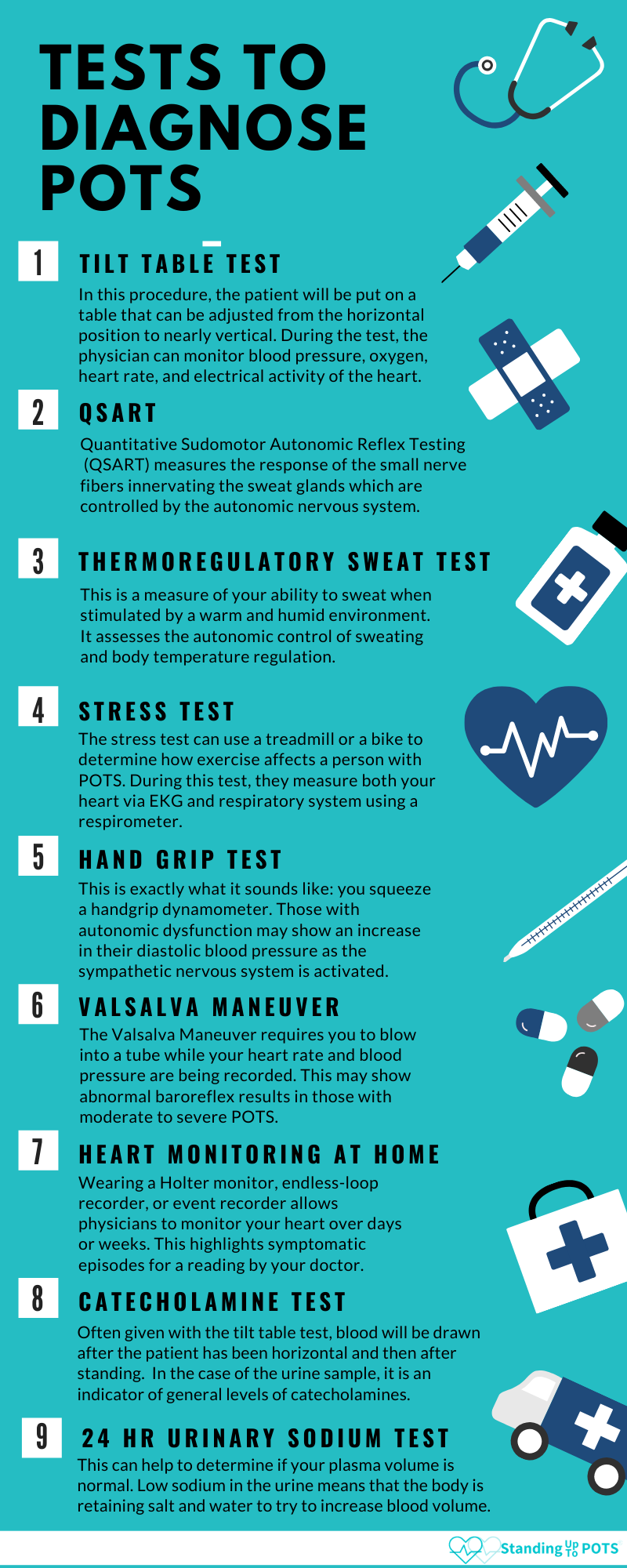
- Electrocardiogram (ECG/EKG): Checks the heart's electrical activity and rhythm to rule out primary arrhythmias.
- Echocardiogram: An ultrasound of the heart to check for structural problems, valve issues, or heart failure.
- Blood Panel: Comprehensive metabolic panel, complete blood count, and checks for thyroid hormones, cortisol, and Vitamin B12 to rule out nutritional deficiencies or endocrine disorders.
- 24-hour Holter Monitor: Worn for a day or two, this device records your heart rhythm during daily activities to catch intermittent or hidden arrhythmias.
The Tilt Table Test: The Gold Standard for POTS Diagnosis
If initial screening tests are clear but your symptoms strongly suggest orthostatic intolerance, your doctor will likely recommend the Tilt Table Test (TTT). This is the definitive procedure for How To Get Diagnosed With Pots.
The TTT mimics the act of standing up while providing a controlled, safe environment for monitoring your body's response. It is specifically designed to provoke and measure the sustained increase in heart rate that defines POTS.
What Happens During the TTT?
The test usually takes about an hour, and while it might be uncomfortable, it is completely safe and monitored closely by medical staff.
- You start by lying flat on a specialized table for a resting period while your heart rate and blood pressure are measured.
- The table is then tilted quickly upward to a 60- to 70-degree angle, simulating standing up. You remain passively upright with straps supporting you.
- Monitoring continues for up to 45 minutes, recording every fluctuation in your heart rate and blood pressure.
- A positive result for POTS is confirmed if your heart rate increases by 30 bpm or more (or 40 bpm for those 12–18 years old) within the first 10 minutes, and stays elevated without a significant drop in blood pressure.
Other Diagnostic Tools Doctors Might Use
Sometimes, a TTT might be inconclusive, or the specialist may need more data to determine the subtype of your POTS (e.g., hyperadrenergic POTS or neuropathic POTS). In these cases, they might utilize other autonomic testing procedures.
Quantitative Sudomotor Axon Reflex Test (QSART)
The QSART test measures the integrity of the small nerve fibers that control sweating. Abnormal results can point toward neuropathic POTS, which is caused by damage to the nerves controlling blood vessel constriction in the limbs.
Active Stand Test (NASA Lean Test)
This is a simpler, non-invasive test often done in the doctor's office. You stand leaning against a wall for 10 minutes while vitals are recorded. It can sometimes replace the TTT, or be used as an initial indicator, though the TTT remains the most sensitive method for diagnosis.
What Happens After You Get Your POTS Diagnosis?
Receiving an official POTS diagnosis can be bittersweet. On one hand, you finally have an answer and validation for your struggles. On the other hand, you realize you have a chronic condition. But having a diagnosis is the first crucial step toward effective management.
Your specialist will work with you to create a personalized treatment plan, which typically involves a combination of lifestyle changes (increasing salt and fluid intake), compression garments, physical therapy (like the Levine Protocol), and medication tailored to your specific POTS subtype.
Remember that living with POTS is manageable. While the journey of seeking out How To Get Diagnosed With Pots can be challenging, connecting with specialists and focusing on evidence-based management strategies will significantly improve your quality of life.
Conclusion
The road to figuring out How To Get Diagnosed With Pots requires persistence, organization, and finding the right specialist. Start by meticulously logging your symptoms and heart rate fluctuations, focusing specifically on orthostatic intolerance.
Work with a cardiologist or autonomic neurologist who understands dysautonomia. While initial tests rule out common culprits, the Tilt Table Test remains the primary diagnostic tool. Once diagnosed, focus your energy on treatment protocols that can help stabilize your autonomic nervous system and bring back normalcy to your life.
Frequently Asked Questions (FAQ) About POTS Diagnosis
- What is the most common reason people struggle to get diagnosed with POTS?
- POTS symptoms often mimic anxiety, and the symptoms are usually invisible, leading doctors without specific autonomic knowledge to misdiagnose or dismiss the illness. Additionally, many initial screening tests (like EKGs) come back normal, delaying the referral to a specialist.
- Can I diagnose myself with POTS using a home blood pressure monitor?
- While you can certainly track your vitals at home to gather data for your doctor, only a qualified physician, usually through the use of a Tilt Table Test or Active Stand Test in a controlled environment, can formally provide a POTS diagnosis. Self-diagnosis can delay finding treatments for other serious conditions.
- Do all people with POTS have to undergo the Tilt Table Test?
- No, not always. Some highly experienced autonomic specialists can confirm a POTS diagnosis using a detailed history, clinical presentation, and a prolonged Active Stand Test (NASA Lean Test) performed in their office, especially if the heart rate criteria is definitively met.
- Is POTS considered a rare disease?
- POTS is not classified as a rare disease. Current estimates suggest that over 1 million Americans and possibly millions worldwide live with POTS. Awareness has been increasing rapidly, particularly following events like the COVID-19 pandemic, which has shown to be a common trigger for the condition.
How To Get Diagnosed With Pots
How To Get Diagnosed With Pots Wallpapers
Collection of how to get diagnosed with pots wallpapers for your desktop and mobile devices.
Captivating How To Get Diagnosed With Pots Image Concept
Find inspiration with this unique how to get diagnosed with pots illustration, crafted to provide a fresh look for your background.
Lush How To Get Diagnosed With Pots Picture for Desktop
Find inspiration with this unique how to get diagnosed with pots illustration, crafted to provide a fresh look for your background.

Vibrant How To Get Diagnosed With Pots Photo Concept
Experience the crisp clarity of this stunning how to get diagnosed with pots image, available in high resolution for all your screens.
Artistic How To Get Diagnosed With Pots View in HD
This gorgeous how to get diagnosed with pots photo offers a breathtaking view, making it a perfect choice for your next wallpaper.
Breathtaking How To Get Diagnosed With Pots Moment in HD
Experience the crisp clarity of this stunning how to get diagnosed with pots image, available in high resolution for all your screens.
Detailed How To Get Diagnosed With Pots Picture Concept
Explore this high-quality how to get diagnosed with pots image, perfect for enhancing your desktop or mobile wallpaper.

Amazing How To Get Diagnosed With Pots Design Nature
Experience the crisp clarity of this stunning how to get diagnosed with pots image, available in high resolution for all your screens.

Mesmerizing How To Get Diagnosed With Pots Design Photography
Transform your screen with this vivid how to get diagnosed with pots artwork, a true masterpiece of digital design.

Beautiful How To Get Diagnosed With Pots Background Collection
Experience the crisp clarity of this stunning how to get diagnosed with pots image, available in high resolution for all your screens.
Captivating How To Get Diagnosed With Pots Wallpaper Illustration
A captivating how to get diagnosed with pots scene that brings tranquility and beauty to any device.
Mesmerizing How To Get Diagnosed With Pots Abstract in HD
Experience the crisp clarity of this stunning how to get diagnosed with pots image, available in high resolution for all your screens.

Gorgeous How To Get Diagnosed With Pots Scene for Mobile
A captivating how to get diagnosed with pots scene that brings tranquility and beauty to any device.

Vivid How To Get Diagnosed With Pots Landscape Nature
Transform your screen with this vivid how to get diagnosed with pots artwork, a true masterpiece of digital design.

Spectacular How To Get Diagnosed With Pots Design Nature
Find inspiration with this unique how to get diagnosed with pots illustration, crafted to provide a fresh look for your background.

Breathtaking How To Get Diagnosed With Pots Design for Mobile
Explore this high-quality how to get diagnosed with pots image, perfect for enhancing your desktop or mobile wallpaper.

Mesmerizing How To Get Diagnosed With Pots Moment Nature
Discover an amazing how to get diagnosed with pots background image, ideal for personalizing your devices with vibrant colors and intricate designs.

Stunning How To Get Diagnosed With Pots Moment Concept
Immerse yourself in the stunning details of this beautiful how to get diagnosed with pots wallpaper, designed for a captivating visual experience.

Artistic How To Get Diagnosed With Pots Picture in HD
A captivating how to get diagnosed with pots scene that brings tranquility and beauty to any device.
