How To Get Frequency Distribution
How To Get Frequency Distribution: Your Friendly Guide
Are you staring at a huge dataset, feeling overwhelmed by numbers that look like alphabet soup? Don't worry. Organizing data is the first and most critical step in understanding statistics, and that's where the concept of a frequency distribution comes in handy. It sounds complicated, but trust us, the process of learning How To Get Frequency Distribution is completely manageable!
A frequency distribution chart takes messy raw data and transforms it into a clear, structured overview. This organization helps you quickly identify patterns, central tendencies, and the spread of your data. If you're ready to turn chaos into clarity, grab your calculator—or open your favorite spreadsheet software—and let's get started.
What Exactly is a Frequency Distribution?
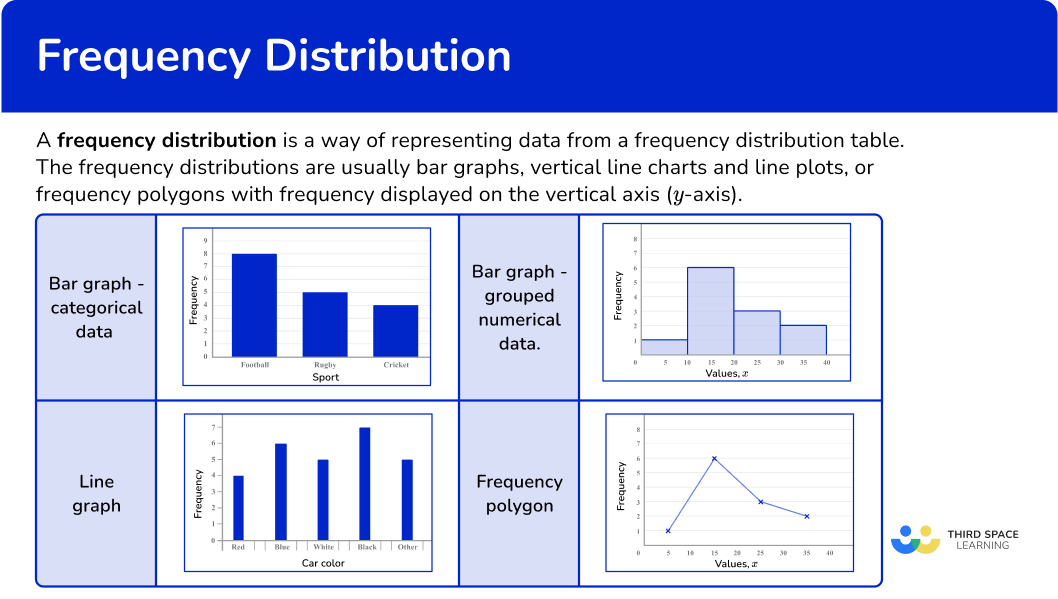
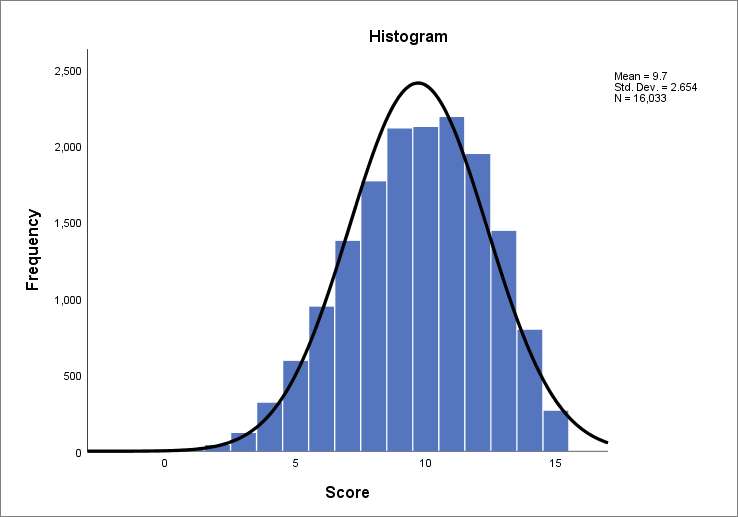
Simply put, a frequency distribution is a table or graph that summarizes how often different values or groups of values (called classes or bins) appear in a dataset. Imagine you surveyed 50 people about their favorite colors. A frequency distribution would show exactly how many people chose red, how many chose blue, and so on.
When dealing with numerical data, especially continuous data like heights or temperatures, we often group the values into ranges. This makes the data digestible and helps visualize the underlying characteristics of the population sample.
Understanding this basic concept is the foundation for mastering How To Get Frequency Distribution, whether you are doing it by hand or using sophisticated software.
Step-by-Step: How To Get Frequency Distribution Manually
While computers handle the heavy lifting today, knowing the manual steps gives you a fundamental understanding of the process. This detailed guide assumes you are working with numerical, quantitative data.
Step 1: Sorting and Determining the Range
The first action you need to take is organizing your raw numbers. Sort all your data points from the smallest value to the largest value. This simple act immediately highlights the minimum and maximum values in your set.
Next, calculate the Range (R). The range is the difference between the maximum observation and the minimum observation. This range tells us the total spread of your data, which is essential for the next steps.
The formula is straightforward:
- Identify the Maximum Value (Max).
- Identify the Minimum Value (Min).
- R = Max - Min.
Step 2: Choosing the Number of Classes (Bins)
How many groups should you divide your data into? There is no hard and fast rule, but generally, we want enough classes to show patterns without having so many that the data becomes confusing again. Most statisticians recommend having between 5 and 20 classes.
If you have a very small dataset (N < 50), aim for 5 to 7 classes. For larger datasets, you might lean closer to 10 or more. A good rule of thumb is to look for a number that provides meaningful interpretation.
Sturges' Rule for Class Selection
For a more objective approach, especially in academia, statisticians often use Sturges' Rule to determine the optimal number of classes (K). This rule connects the sample size (N) to the ideal number of classes using a logarithmic formula:
K = 1 + 3.322 * log(N)
Since the number of classes must be a whole number, you usually round the result of Sturges' Rule to the nearest integer. This provides a strong starting point for deciding How To Get Frequency Distribution effectively.
Step 3: Calculating Class Width
Once you have your Range (R) and your desired Number of Classes (K), calculating the Class Width (W) is simple. The class width is the size of each group.
W = R / K
A crucial tip here: always round the class width up to a convenient and usable number. For instance, if your calculation gives you 5.3, you should use a class width of 6. Rounding up ensures that the largest data point is included in the final class boundary.
Now that you have the width, you can define your class boundaries. Start the first class boundary just below the minimum value (or exactly at the minimum value, depending on convention), and then add the width repeatedly to define the upper limits.
- Class 1: [Min Value] to [Min Value + W]
- Class 2: [Min Value + W] to [Min Value + 2W]
- ...and so on, until you reach K classes.
Step 4: Tallying the Data and Counting Frequencies
This is where the actual counting happens. Go through your sorted dataset one point at a time and mark which class interval it falls into. Be careful about boundary inclusion—for example, if a class goes from 10 to 20, you must decide whether the value 20 belongs to that class or the next one (conventionally, the upper bound is excluded, e.g., 10 ≤ x < 20).
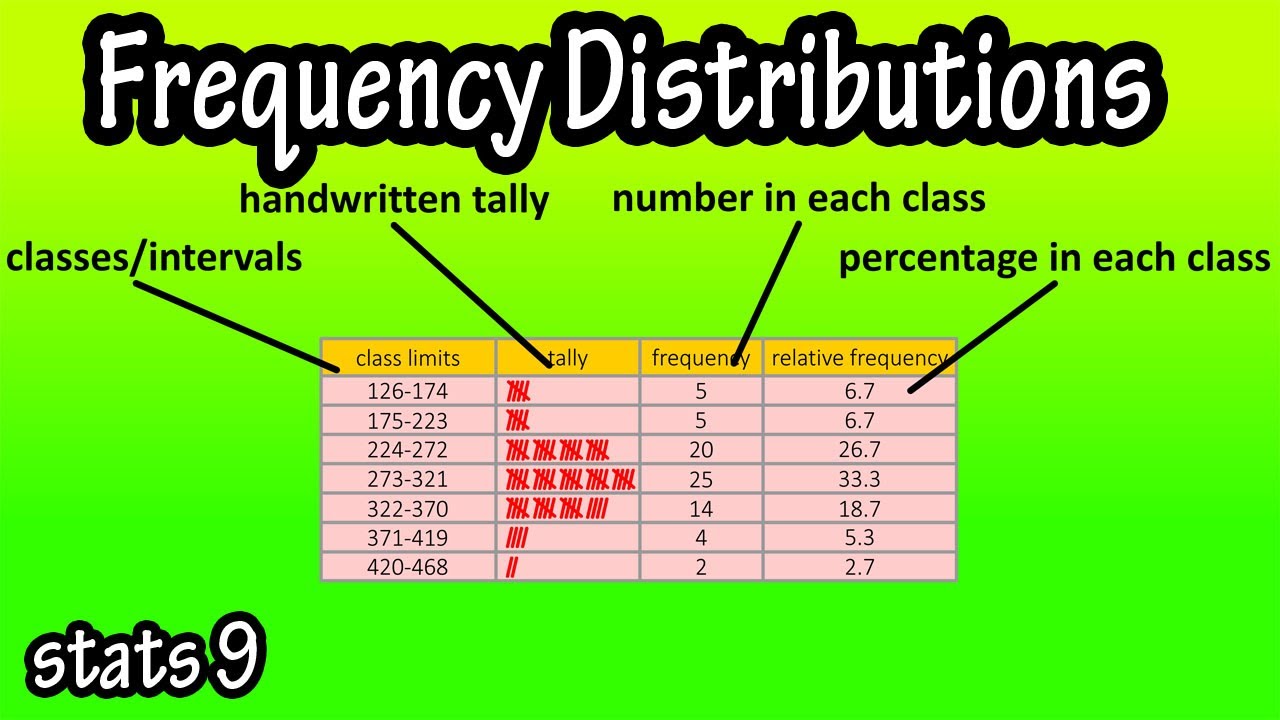
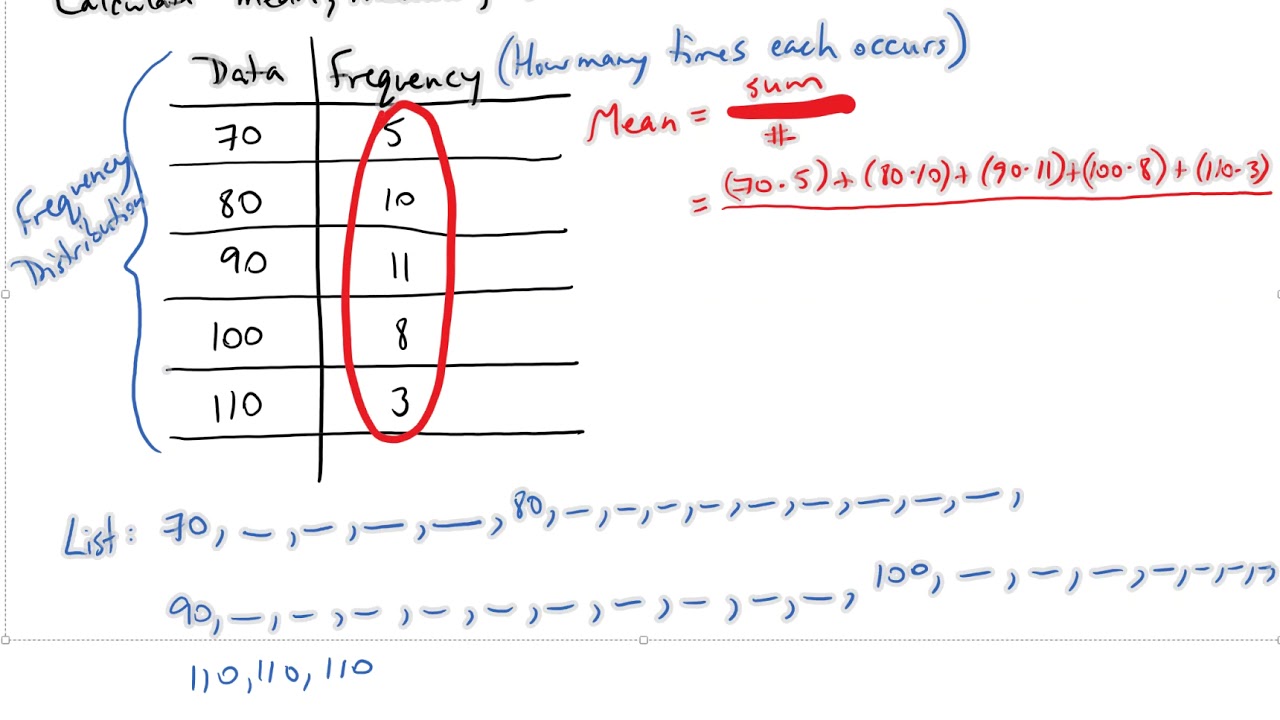
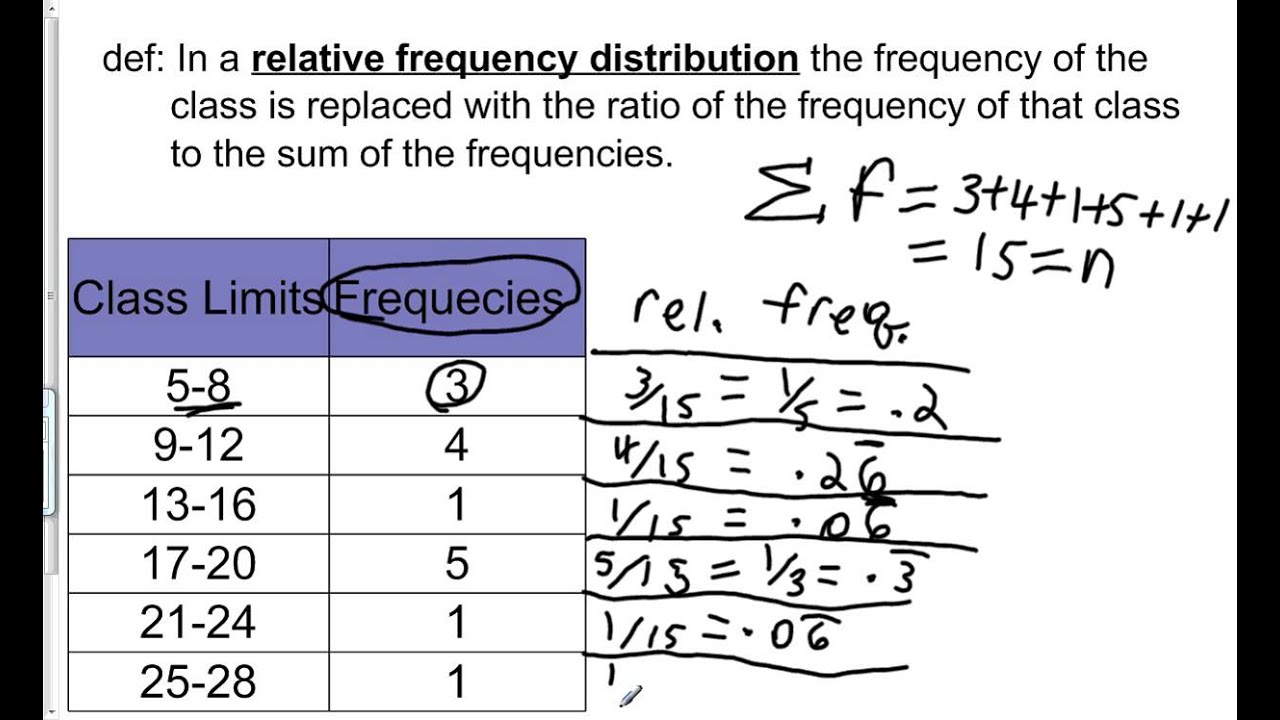
Count the total number of data points (the frequency) in each class. Once tallied, you should have a clear frequency distribution table with two columns:
- Class Interval (The bins you defined)
- Frequency (The count of data points in that bin)
As a final check, sum all the frequencies. This total must equal the total number of observations (N) in your original dataset.
Advanced Methods: Using Software for Frequency Distribution
While the manual method is excellent for learning the theory, handling large datasets requires technology. Thankfully, most statistical and spreadsheet software packages have built-in tools to automate the process of How To Get Frequency Distribution.
Microsoft Excel/Google Sheets: These programs are perhaps the most common tools. You can use the built-in "Data Analysis ToolPak" (specifically the Histogram tool) to define your bins and automatically generate the frequency table and a corresponding histogram chart.
Statistical Software (R, SPSS, Python): If you are dealing with very complex data or need high-level statistical analysis, dedicated software is better. In R, for instance, the `hist()` function quickly generates a histogram and calculates the frequencies for you. Python libraries like Pandas and NumPy offer robust functions for binning data and calculating frequencies.
The key benefit of using software is speed and accuracy, especially when determining optimal bin sizes or handling thousands of data points.
Conclusion
Learning How To Get Frequency Distribution is a fundamental skill that bridges the gap between raw data and meaningful insight. Whether you meticulously follow the four manual steps—sorting, selecting classes, calculating width, and tallying—or use powerful software, the result is the same: an organized view of how your values are distributed.
A well-constructed frequency distribution is the necessary precursor to calculating advanced metrics, drawing histograms, and ultimately, making informed decisions based on data. Take the time to practice this skill, and you will unlock a deeper understanding of any dataset you encounter!
Frequently Asked Questions (FAQ)
- What is the difference between frequency distribution and relative frequency distribution?
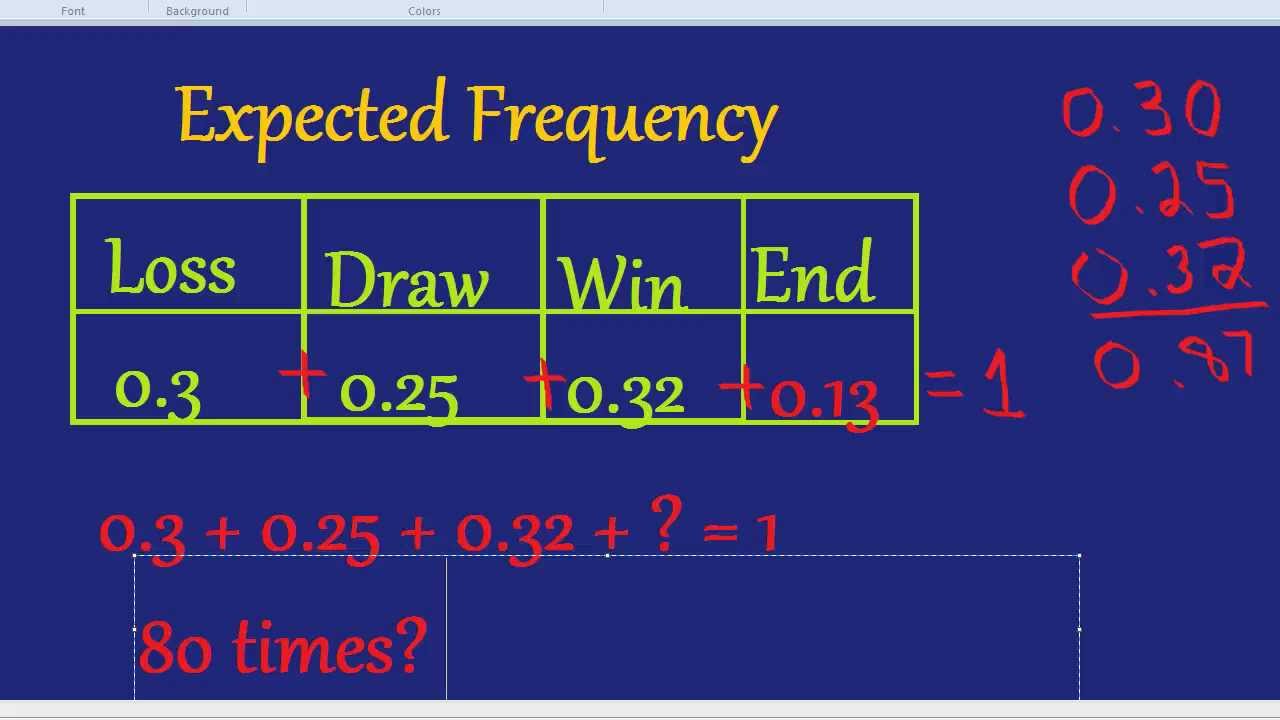
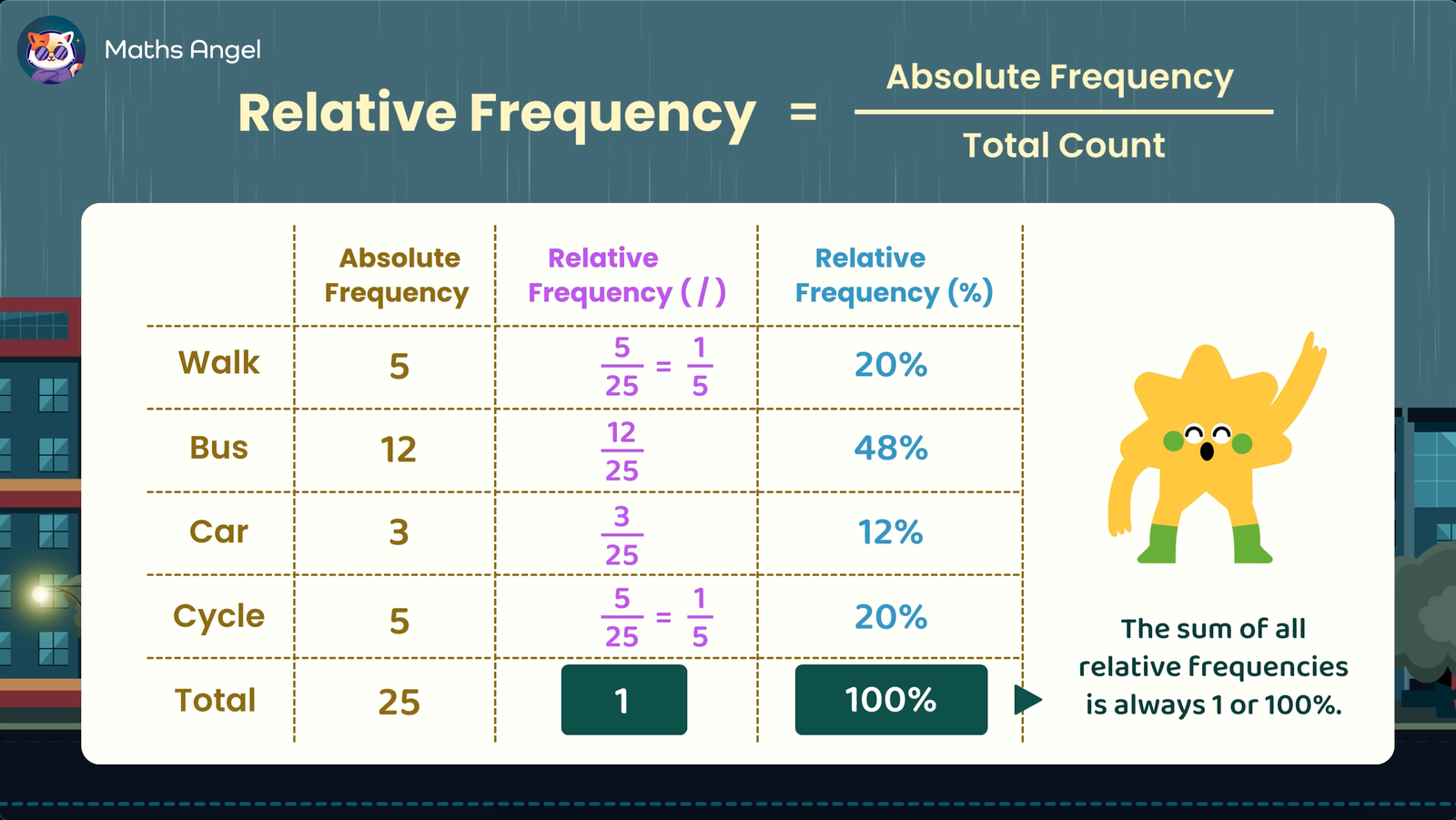
- The frequency distribution shows the raw count (N) of observations in each class. The relative frequency distribution shows the percentage or proportion (N/Total N) of observations in each class. Relative frequency is useful when comparing distributions from datasets of different sizes.
- Why is rounding up the class width so important?
- Rounding the class width up ensures that the entire range of the data, including the very maximum value, is encompassed within the specified number of classes. If you round down, the highest data points may fall outside the last defined class interval.
- Can I use frequency distribution for qualitative (categorical) data?
- Yes, absolutely! For categorical data (like colors, genders, or political affiliation), the "classes" are simply the categories themselves. You count the frequency of how many times each category appears.
- What is a histogram, and how does it relate to frequency distribution?
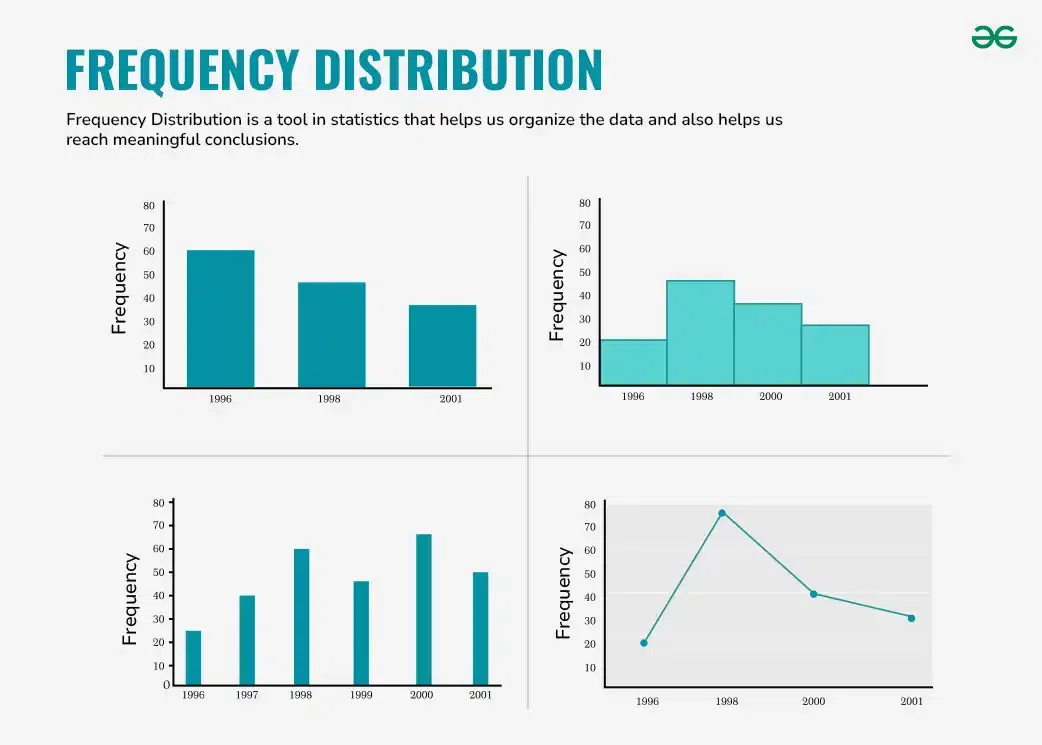
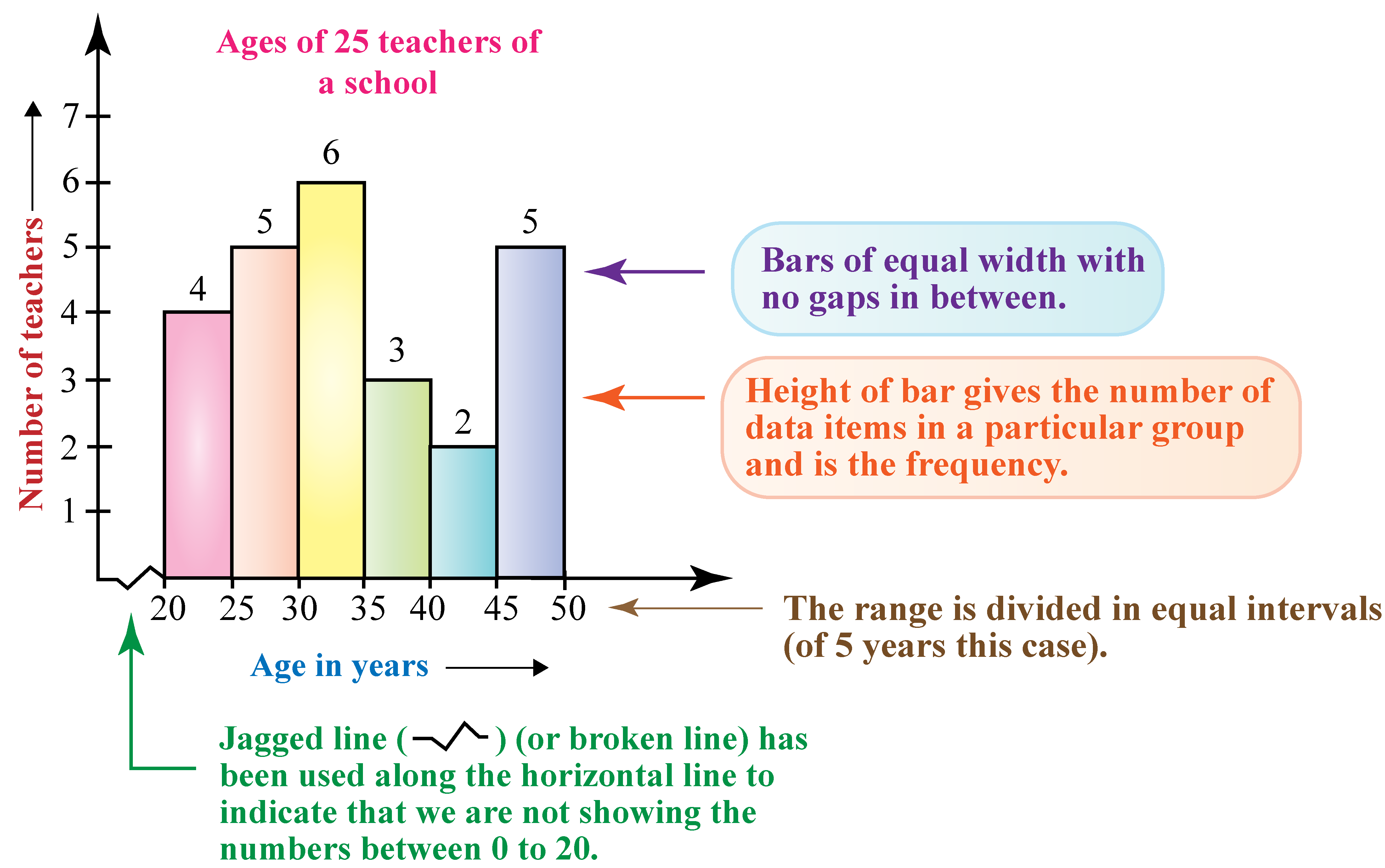
- A histogram is a graphical representation of a frequency distribution. It uses vertical bars where the width of the bar represents the class interval, and the height of the bar represents the frequency (count) of data points within that interval.
- What happens if I choose too few classes?
- If you choose too few classes, your distribution will be too condensed. You might hide important variations or patterns in the data, making your analysis too general and potentially misleading.
How To Get Frequency Distribution
How To Get Frequency Distribution Wallpapers
Collection of how to get frequency distribution wallpapers for your desktop and mobile devices.

Spectacular How To Get Frequency Distribution Background Digital Art
This gorgeous how to get frequency distribution photo offers a breathtaking view, making it a perfect choice for your next wallpaper.

Beautiful How To Get Frequency Distribution Moment Illustration
Discover an amazing how to get frequency distribution background image, ideal for personalizing your devices with vibrant colors and intricate designs.
Spectacular How To Get Frequency Distribution View Digital Art
Immerse yourself in the stunning details of this beautiful how to get frequency distribution wallpaper, designed for a captivating visual experience.
Dynamic How To Get Frequency Distribution Background Concept
Immerse yourself in the stunning details of this beautiful how to get frequency distribution wallpaper, designed for a captivating visual experience.
Spectacular How To Get Frequency Distribution Picture Nature
This gorgeous how to get frequency distribution photo offers a breathtaking view, making it a perfect choice for your next wallpaper.
Gorgeous How To Get Frequency Distribution Artwork in 4K
A captivating how to get frequency distribution scene that brings tranquility and beauty to any device.

Lush How To Get Frequency Distribution Image Digital Art
Immerse yourself in the stunning details of this beautiful how to get frequency distribution wallpaper, designed for a captivating visual experience.
Mesmerizing How To Get Frequency Distribution Photo for Mobile
Experience the crisp clarity of this stunning how to get frequency distribution image, available in high resolution for all your screens.
Exquisite How To Get Frequency Distribution Image in 4K
Find inspiration with this unique how to get frequency distribution illustration, crafted to provide a fresh look for your background.

Dynamic How To Get Frequency Distribution Picture Collection
A captivating how to get frequency distribution scene that brings tranquility and beauty to any device.
Amazing How To Get Frequency Distribution Landscape for Desktop
Transform your screen with this vivid how to get frequency distribution artwork, a true masterpiece of digital design.
Beautiful How To Get Frequency Distribution Wallpaper in HD
Experience the crisp clarity of this stunning how to get frequency distribution image, available in high resolution for all your screens.
Breathtaking How To Get Frequency Distribution Landscape Concept
Experience the crisp clarity of this stunning how to get frequency distribution image, available in high resolution for all your screens.

Lush How To Get Frequency Distribution Landscape for Desktop
Find inspiration with this unique how to get frequency distribution illustration, crafted to provide a fresh look for your background.
Detailed How To Get Frequency Distribution Image Art
Discover an amazing how to get frequency distribution background image, ideal for personalizing your devices with vibrant colors and intricate designs.
Dynamic How To Get Frequency Distribution Picture for Your Screen
Immerse yourself in the stunning details of this beautiful how to get frequency distribution wallpaper, designed for a captivating visual experience.

Gorgeous How To Get Frequency Distribution Landscape in HD
Find inspiration with this unique how to get frequency distribution illustration, crafted to provide a fresh look for your background.
Spectacular How To Get Frequency Distribution Background for Desktop
This gorgeous how to get frequency distribution photo offers a breathtaking view, making it a perfect choice for your next wallpaper.
Vivid How To Get Frequency Distribution View Art
Discover an amazing how to get frequency distribution background image, ideal for personalizing your devices with vibrant colors and intricate designs.

Lush How To Get Frequency Distribution View Art
Immerse yourself in the stunning details of this beautiful how to get frequency distribution wallpaper, designed for a captivating visual experience.
Download these how to get frequency distribution wallpapers for free and use them on your desktop or mobile devices.