How To Get Hospital Records
How To Get Hospital Records: Your Comprehensive Guide
If you've ever been a patient, you know that managing your health involves mountains of paperwork. Whether you are seeking a second opinion, dealing with insurance claims, or simply tracking your personal health journey, accessing your medical history is a fundamental right and often a necessity. But figuring out exactly how to get hospital records can feel like navigating a complex maze.
Don't worry, we're here to demystify the process. This guide will walk you through the essential steps, clarify your rights, and provide practical tips to ensure you receive your documents quickly and efficiently. Let's dive into making this bureaucratic task as painless as possible.
Why Do You Need Your Medical Records?
Hospitals keep detailed records for every interaction, from routine check-ups to complex surgeries. These documents—which include everything from physician notes and test results to operative reports and billing summaries—are critical components of your care. Knowing why you need them will help you determine exactly what records to request.
Understanding the purpose of your request also helps the hospital staff fulfill your order more precisely, saving both time and potential hassle. Here are some of the most common reasons patients initiate this process:
- Seeking Second Opinions: If you are exploring treatment alternatives, a new physician will require your full diagnostic history.
- Personal Health Tracking: Sometimes you just want to keep a complete file for yourself, especially if you have a chronic condition.
- Legal and Insurance Matters: Records are essential documentation for disability claims, personal injury lawsuits, or complex insurance disputes.
- Moving to a New Area: When changing primary care providers or specialists, transferring records ensures continuity of care.
Regardless of your reason, the process of how to get hospital records generally follows the same set of rules, which are governed by strict privacy laws.
Understanding Your Rights (HIPAA and Beyond)
In the United States, the Health Insurance Portability and Accountability Act (HIPAA) grants you the right to inspect, review, and receive a copy of your medical and billing records held by covered healthcare providers and health plans. This is your bedrock right.
Hospitals must comply with these requests, though they are allowed reasonable time frames and, in some cases, associated fees. It's important to remember that these are your documents, and the facility cannot refuse access simply because you haven't paid for services rendered.
Who is Entitled to Access the Records?
While the patient themselves always has the primary right to access their information, other individuals may also request records under specific circumstances. Hospitals are very strict about who they release information to due to privacy concerns.
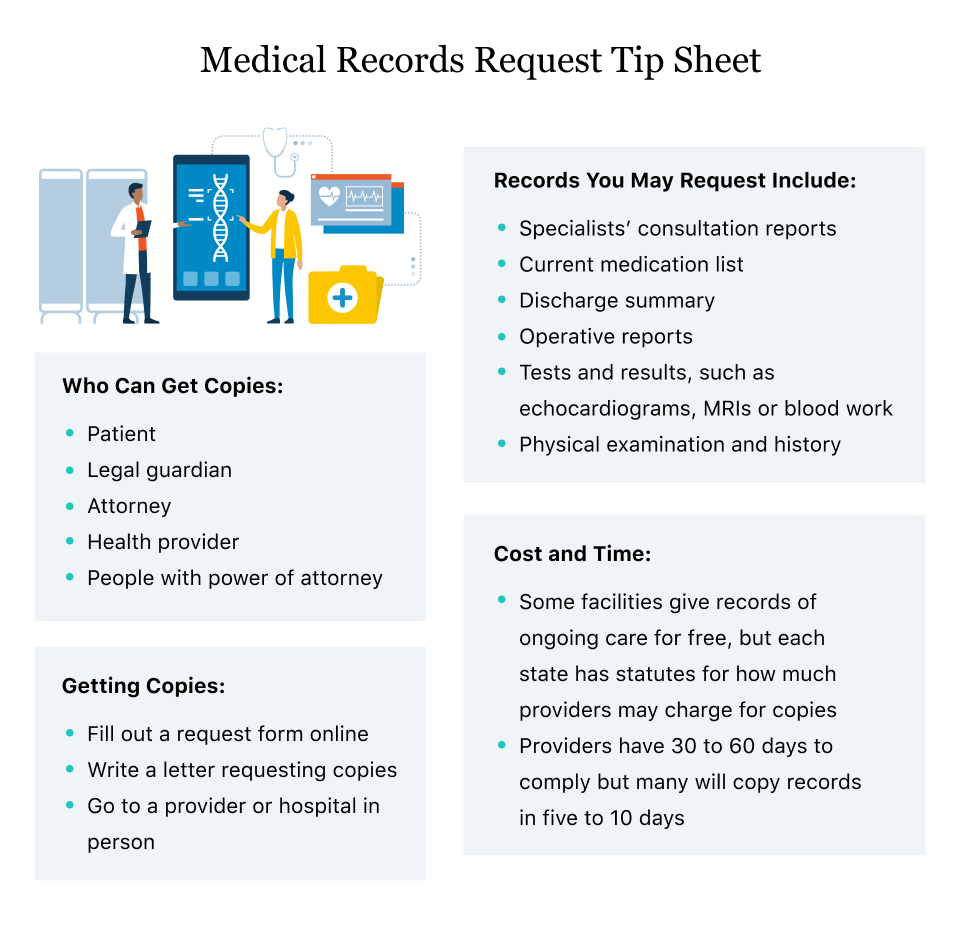
Generally, access can be granted to:
- The patient (if they are 18 or older).
- A legally authorized representative (e.g., parent of a minor, court-appointed legal guardian).
- An individual designated by the patient via a Power of Attorney (POA) for healthcare.
- The executor or administrator of the estate of a deceased patient.
In all cases where the request is not coming directly from the patient, specific legal documentation will be required to prove the right of access. Make sure you have these papers ready before you begin the process.
The Cost and Time Involved
When figuring out how to get hospital records, anticipating the timeline is helpful. According to HIPAA, hospitals generally have 30 days to respond to a request, although they can extend this by another 30 days if necessary, provided they notify you in writing.
Regarding cost, if the records are being sent directly to another healthcare provider for ongoing treatment, the fee is usually waived. However, if you are requesting the records for personal use or legal matters, the hospital may charge a reasonable, cost-based fee. This fee covers labor, supplies, and postage, but cannot include costs associated with searching or retrieving the records.
The Step-by-Step Process: How To Get Hospital Records
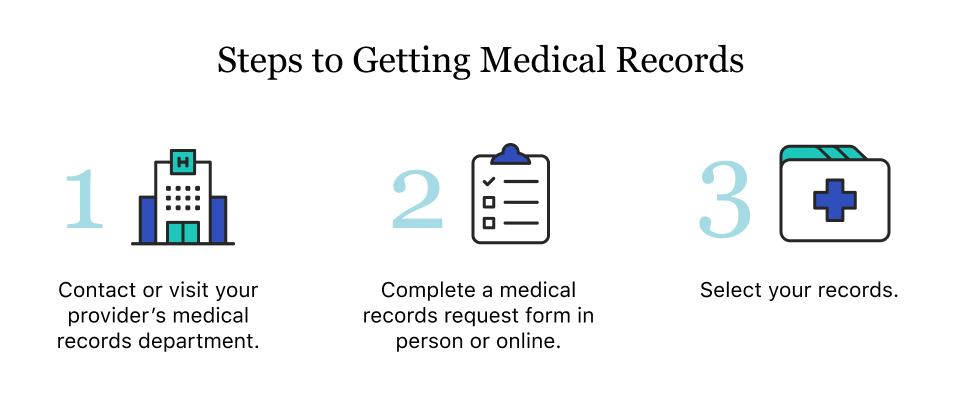
While specific facility procedures may vary slightly, the core process remains the same across most US hospitals and healthcare systems. Follow these three key steps to ensure a smooth request.
Step 1: Identify the Right Department
The first step in understanding how to get hospital records is knowing where to direct your inquiry. Medical records are managed by the Health Information Management (HIM) department, often referred to as Medical Records or Release of Information.
You should check the hospital's website or call their main line and ask specifically for the HIM department's contact information. Do not rely on calling your former doctor's office, as they often only have records related to the clinic visit, not the full hospital stay.
Step 2: Completing the Authorization Form
To comply with privacy laws, hospitals require a signed Authorization for Release of Information form. This form is absolutely non-negotiable and must be filled out completely to be processed.
When filling out the form, be specific. Provide your full name, date of birth, and patient ID (if known). Most importantly, clearly state:
- The specific dates of service (e.g., "Hospital stay from 10/1/2023 to 10/5/2023").
- The exact types of records needed (e.g., "Discharge summary and operative report only," or "Full medical chart"). Requesting the entire file unnecessarily can significantly slow down processing time.
- The format you require (digital PDF, paper copy, or direct transfer to another provider).
Step 3: Submission and Follow-up
Once the form is complete, submit it using the preferred method specified by the HIM department. This is usually via fax, email, mail, or sometimes through a secure online portal.
Be sure to keep a copy of the submission date and the form itself. If 10 business days pass without confirmation, a polite follow-up call is appropriate. Ask for the status of your request and reiterate the 30-day timeline requirement.
Handling Different Scenarios (Special Cases)
Sometimes your request falls outside the norm. Dealing with special circumstances requires a little extra preparation and understanding of the legal requirements involved.
Requesting Records for a Deceased Relative
Accessing the records of someone who has passed away can be challenging due to privacy regulations that extend post-mortem. To gain access, you typically must be the executor or administrator of the deceased person's estate.
The hospital will require legal documentation confirming your role, such as a death certificate and documentation of executorship (e.g., court order or letter testamentary). If the person has been deceased for over 50 years, privacy rules generally no longer apply.
Transferring Records to a New Provider
If your goal is to have your records sent to a new doctor, the process is simpler and usually faster. In this case, you can often coordinate the transfer directly through your new doctor's office. They will usually have their own release form.
The new provider will submit the authorization form to the previous hospital, often labeling it as a "transfer for continuity of care." This usually expedites the request and, importantly, eliminates any associated fees since the records are going to another medical professional.
Conclusion
Learning how to get hospital records is all about understanding your rights and following established bureaucratic procedures. You have a legal right to access your health information, and hospitals are required to comply efficiently.
By identifying the correct department (HIM), accurately completing the Release of Information form, and being specific about the records you need, you significantly speed up the retrieval process. Don't be afraid to follow up politely if the 30-day window is approaching. Having timely access to your medical history is vital for ensuring the best possible future care.
Frequently Asked Questions (FAQ)
- Can a hospital refuse to release my records?
- Generally, no. A hospital covered by HIPAA cannot refuse to release your medical records if you have submitted a proper, signed request, even if you owe money for services. They can only refuse access in very limited circumstances, such as if a physician determines access would endanger the life or safety of the patient or another person.
- How long do hospitals keep medical records?
- Retention periods vary significantly by state, but most hospitals maintain adult records for at least 7 to 10 years after the last date of service. Pediatric records are often kept longer, sometimes until the minor reaches the age of majority plus a set number of years.
- What records are usually included in a standard request?
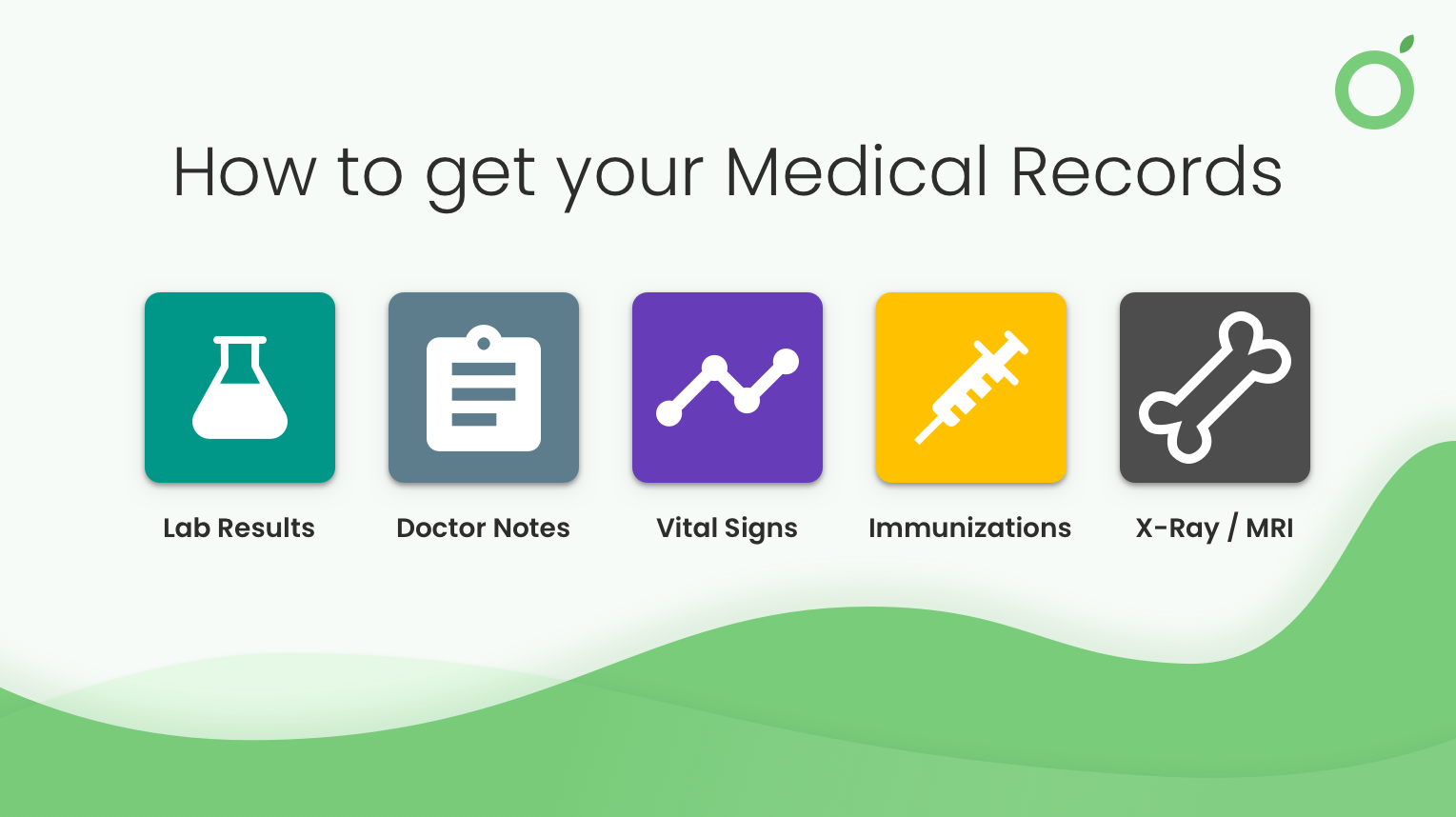
- A standard comprehensive request includes the Discharge Summary, History & Physical (H&P), Operative Reports, Pathology Reports, Radiology Reports, and Lab Results. If you only need specific items (like immunizations), be sure to specify that on the form.
- Can I request my records digitally?
- Yes, absolutely. Under HIPAA, you have the right to request your records in an electronic format if the facility can readily produce them in that manner. Many facilities prefer sending encrypted PDFs via secure patient portals.
- What if I need the records faster than 30 days?
- If the need is truly urgent (e.g., immediate transfer to an emergency specialist), call the HIM department immediately and explain the urgency. While 30 days is the maximum legal time frame, many hospitals can prioritize "continuity of care" requests and fulfill them much faster.
How To Get Hospital Records
How To Get Hospital Records Wallpapers
Collection of how to get hospital records wallpapers for your desktop and mobile devices.
High-Quality How To Get Hospital Records Image for Your Screen
Transform your screen with this vivid how to get hospital records artwork, a true masterpiece of digital design.
Amazing How To Get Hospital Records Abstract for Your Screen
Discover an amazing how to get hospital records background image, ideal for personalizing your devices with vibrant colors and intricate designs.
Vivid How To Get Hospital Records Artwork Collection
Explore this high-quality how to get hospital records image, perfect for enhancing your desktop or mobile wallpaper.

Vivid How To Get Hospital Records Photo in HD
Discover an amazing how to get hospital records background image, ideal for personalizing your devices with vibrant colors and intricate designs.

Serene How To Get Hospital Records Scene in 4K
Explore this high-quality how to get hospital records image, perfect for enhancing your desktop or mobile wallpaper.

High-Quality How To Get Hospital Records Moment Illustration
Discover an amazing how to get hospital records background image, ideal for personalizing your devices with vibrant colors and intricate designs.

Captivating How To Get Hospital Records Capture Art
This gorgeous how to get hospital records photo offers a breathtaking view, making it a perfect choice for your next wallpaper.

Beautiful How To Get Hospital Records Photo Illustration
Discover an amazing how to get hospital records background image, ideal for personalizing your devices with vibrant colors and intricate designs.
Vivid How To Get Hospital Records Design Nature
Transform your screen with this vivid how to get hospital records artwork, a true masterpiece of digital design.
Artistic How To Get Hospital Records Background Collection
Immerse yourself in the stunning details of this beautiful how to get hospital records wallpaper, designed for a captivating visual experience.

Beautiful How To Get Hospital Records Design for Your Screen
Discover an amazing how to get hospital records background image, ideal for personalizing your devices with vibrant colors and intricate designs.

Amazing How To Get Hospital Records Photo Concept
Transform your screen with this vivid how to get hospital records artwork, a true masterpiece of digital design.

Artistic How To Get Hospital Records Picture for Desktop
This gorgeous how to get hospital records photo offers a breathtaking view, making it a perfect choice for your next wallpaper.

Stunning How To Get Hospital Records Background Art
Immerse yourself in the stunning details of this beautiful how to get hospital records wallpaper, designed for a captivating visual experience.

Breathtaking How To Get Hospital Records View Digital Art
Transform your screen with this vivid how to get hospital records artwork, a true masterpiece of digital design.

Captivating How To Get Hospital Records Wallpaper Digital Art
A captivating how to get hospital records scene that brings tranquility and beauty to any device.

High-Quality How To Get Hospital Records Capture Concept
Explore this high-quality how to get hospital records image, perfect for enhancing your desktop or mobile wallpaper.

Dynamic How To Get Hospital Records Abstract Photography
Immerse yourself in the stunning details of this beautiful how to get hospital records wallpaper, designed for a captivating visual experience.

Amazing How To Get Hospital Records Moment Collection
Experience the crisp clarity of this stunning how to get hospital records image, available in high resolution for all your screens.
