How To Get Retained Earnings On Balance Sheet
How To Get Retained Earnings On Balance Sheet: A Step-by-Step Guide
If you're diving into the world of financial accounting, the Balance Sheet can sometimes feel like a puzzle. One of the most important, yet often misunderstood, pieces of that puzzle is Retained Earnings. Knowing precisely How To Get Retained Earnings On Balance Sheet isn't just about plugging a number in; it's about understanding the financial health and history of a company.
Don't worry, we're going to break this down into simple, manageable steps. By the time you finish reading, you'll know exactly how to calculate this figure, where it lives on your financial statements, and why it matters so much to stakeholders.
What Exactly Are Retained Earnings?
Simply put, Retained Earnings (RE) represent the cumulative net income (or loss) of a company that has been kept in the business rather than paid out as dividends to shareholders. Think of it as the company's savings account accumulated over its lifetime.
This number is crucial because it shows how much profit the company has reinvested back into its operations, perhaps for expansion, research and development, or paying down debt. A high, positive Retained Earnings balance generally indicates that the company has a history of profitability and sound management.
It's important to remember that Retained Earnings are an equity account. They are not physical cash, but rather a representation of capital sources that funded the company's assets.
The Essential Formula to Calculate Retained Earnings
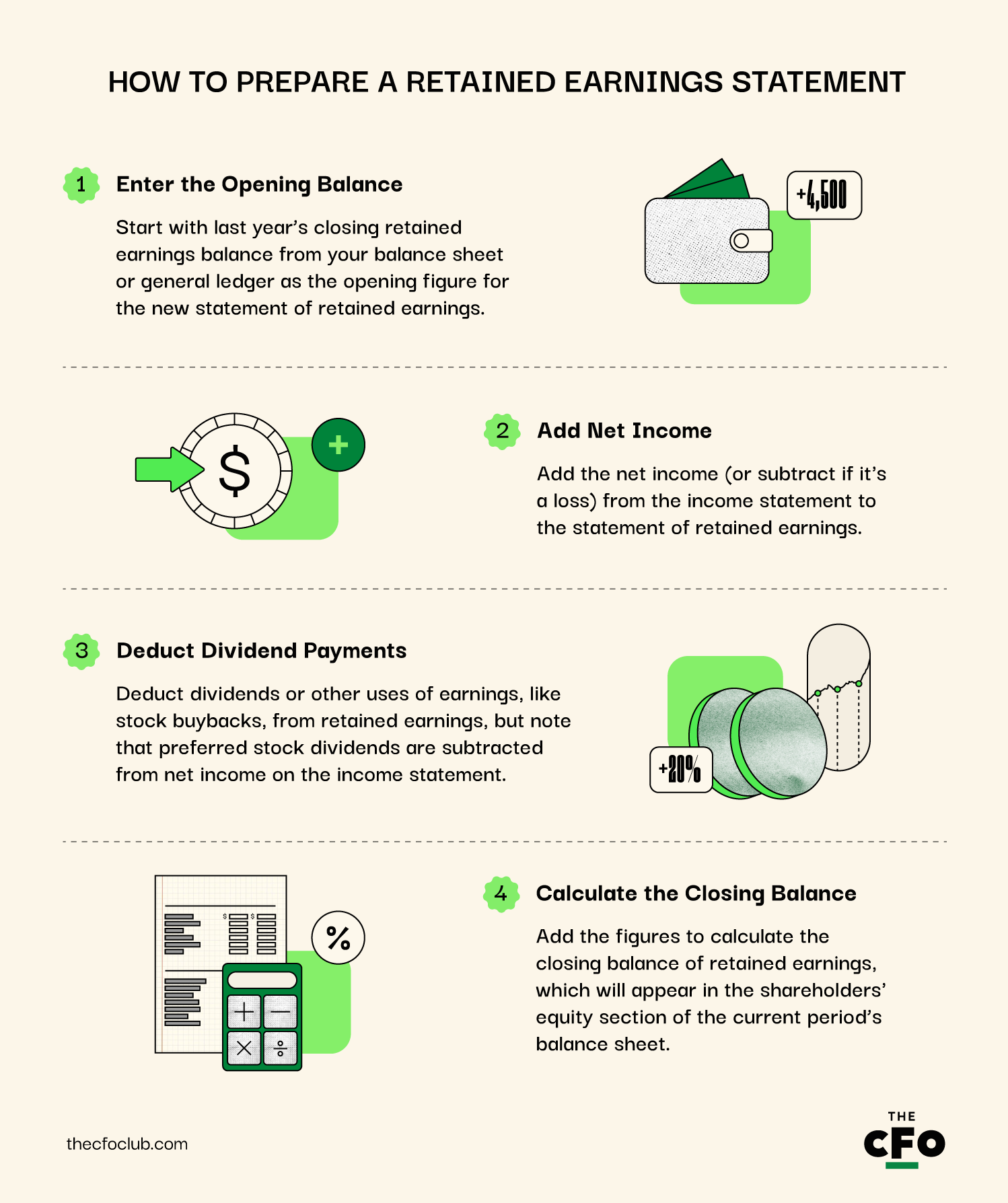
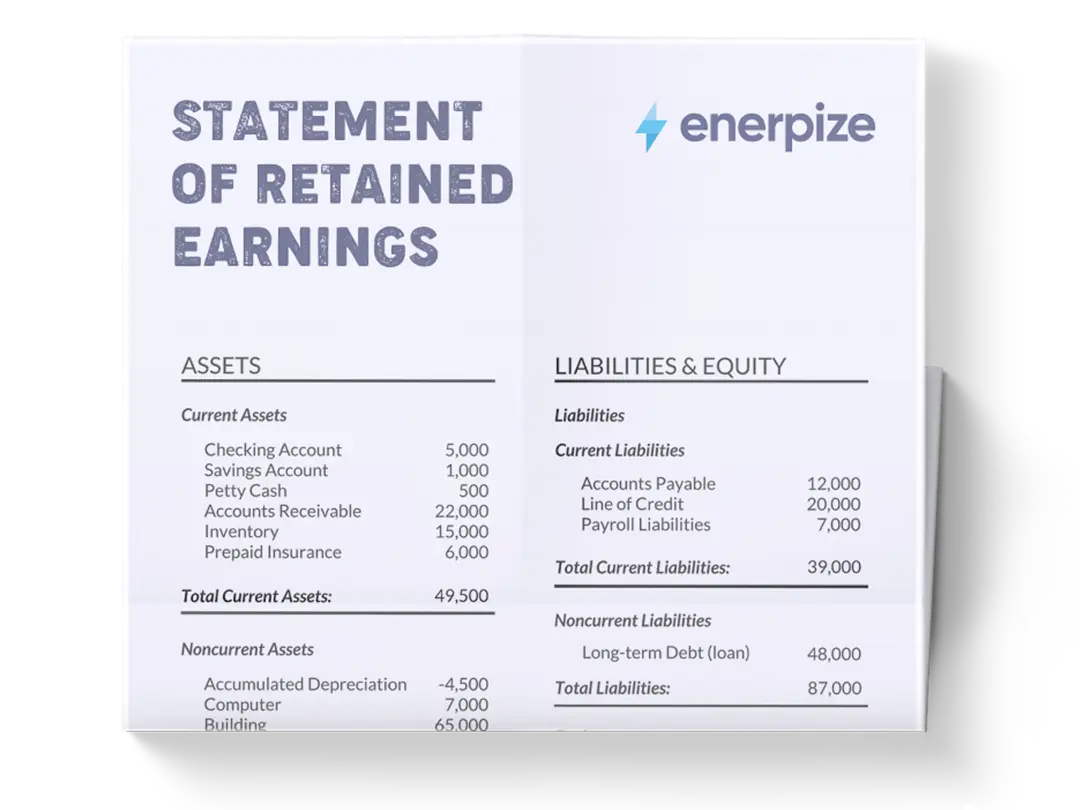
Before you can accurately report the figure on the Balance Sheet, you need to calculate it. The calculation happens on the Statement of Retained Earnings (or Statement of Shareholders' Equity) first.
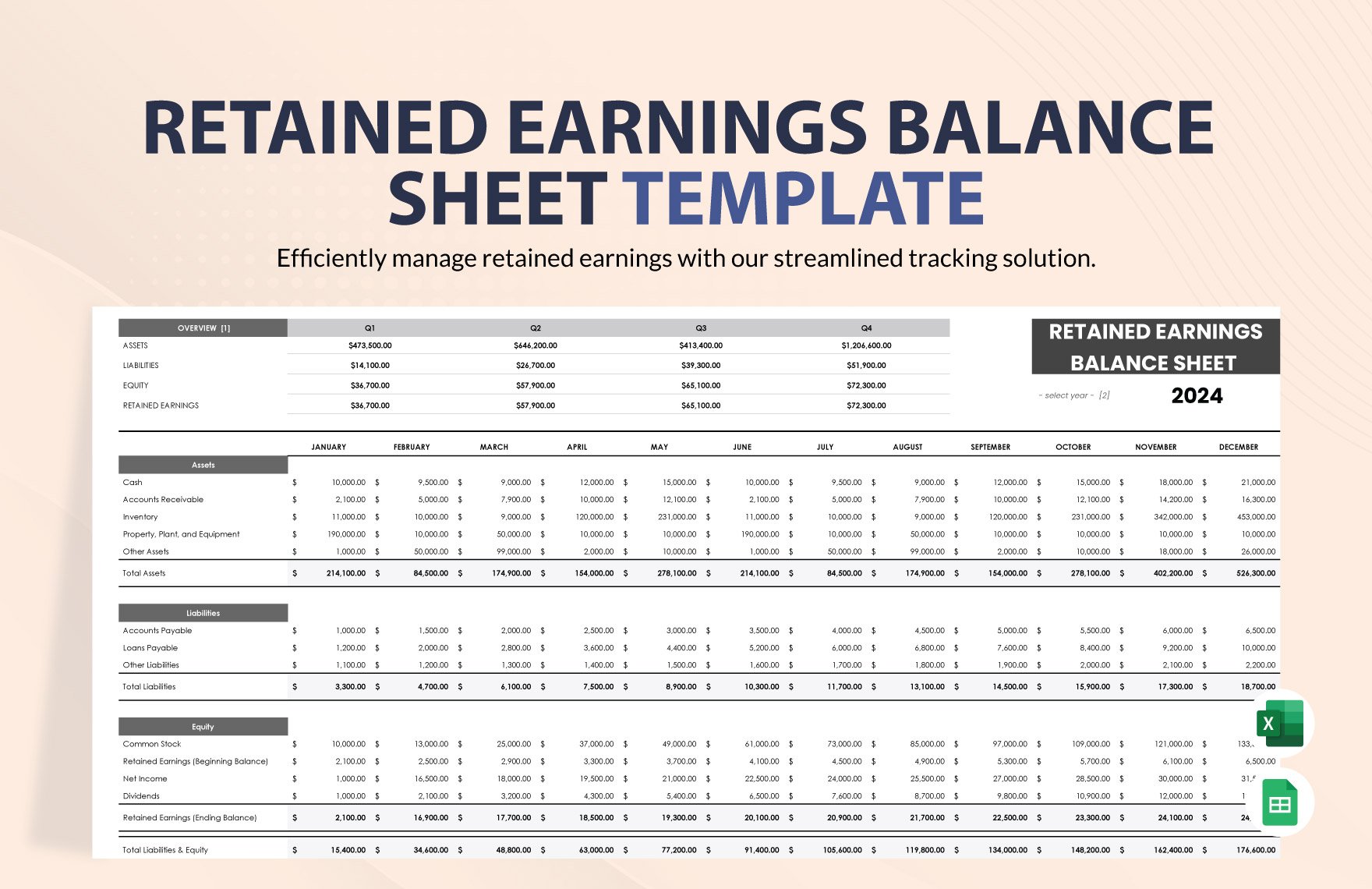
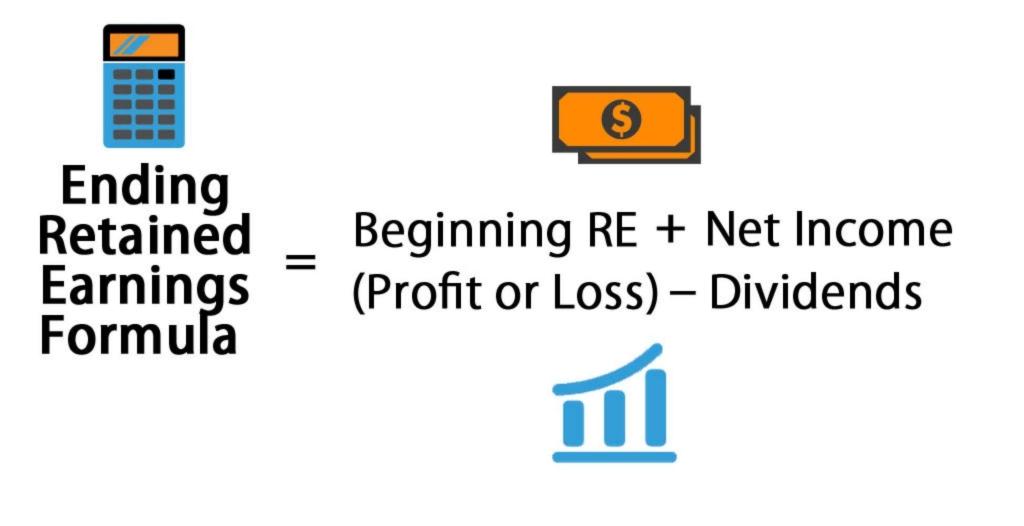
The basic formula for calculating the Retained Earnings for the current period is straightforward:
- Beginning Retained Earnings Balance
- PLUS Net Income (or MINUS Net Loss) for the Current Period
- MINUS Dividends Paid to Shareholders
- EQUALS Ending Retained Earnings Balance
This "Ending Balance" is the figure you'll use when considering How To Get Retained Earnings On Balance Sheet. Let's look at where these numbers come from.
Step-by-Step Calculation: Making Sense of the Numbers
To perform this calculation successfully, you need three key pieces of information from your other financial statements:
- **Beginning Retained Earnings (BRE):** This is the Retained Earnings balance from the end of the previous reporting period (which becomes the start of the current one). If this is a brand new company, this figure will be zero.
- **Net Income/Loss:** This comes directly from your Income Statement. It represents all revenues minus all expenses for the current reporting period. This is arguably the most dynamic variable in the equation.
- **Dividends Declared/Paid:** These are payments made to shareholders during the current period. Note that only dividends *declared* or *paid* affect the RE calculation, not proposed dividends.
For example, if a company started the year with $50,000 in Retained Earnings, earned $30,000 in Net Income, and paid out $10,000 in dividends, their Ending Retained Earnings would be $50,000 + $30,000 – $10,000 = $70,000. This $70,000 figure is what moves to the Balance Sheet.
Understanding the Balance Sheet Structure
The Balance Sheet is often called the Statement of Financial Position because it provides a snapshot of a company's assets, liabilities, and equity at a specific point in time. It must always adhere to the fundamental accounting equation:
Assets = Liabilities + Shareholders' Equity
Assets are what the company owns (cash, equipment, inventory). Liabilities are what the company owes (debt, accounts payable). And Shareholders' Equity represents the residual interest in the assets after deducting liabilities—essentially, the owners' stake.
This equity section is where your calculated Retained Earnings figure finds its permanent home.
Where Do Retained Earnings Fit on the Balance Sheet?
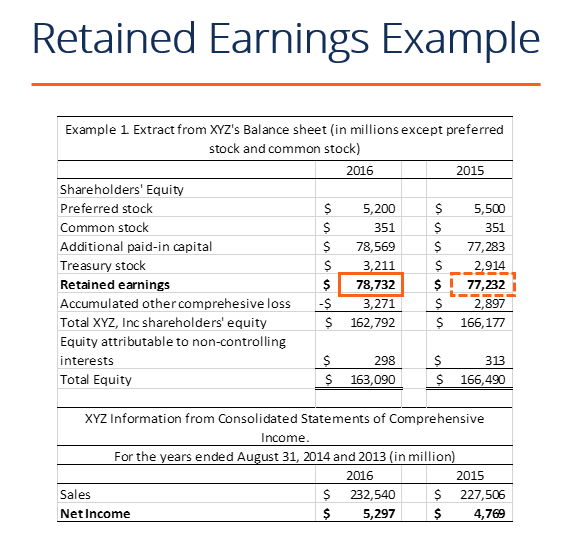
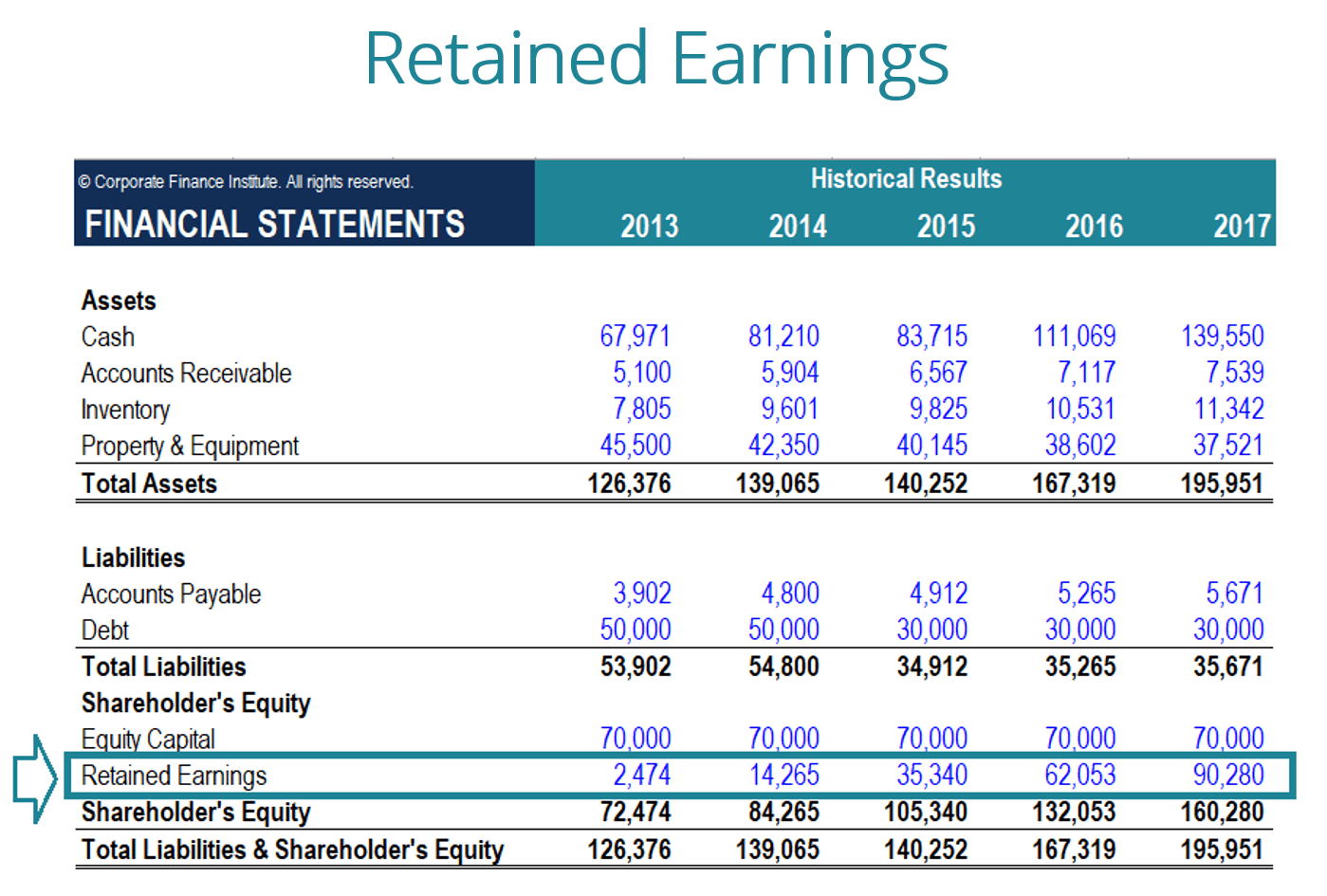
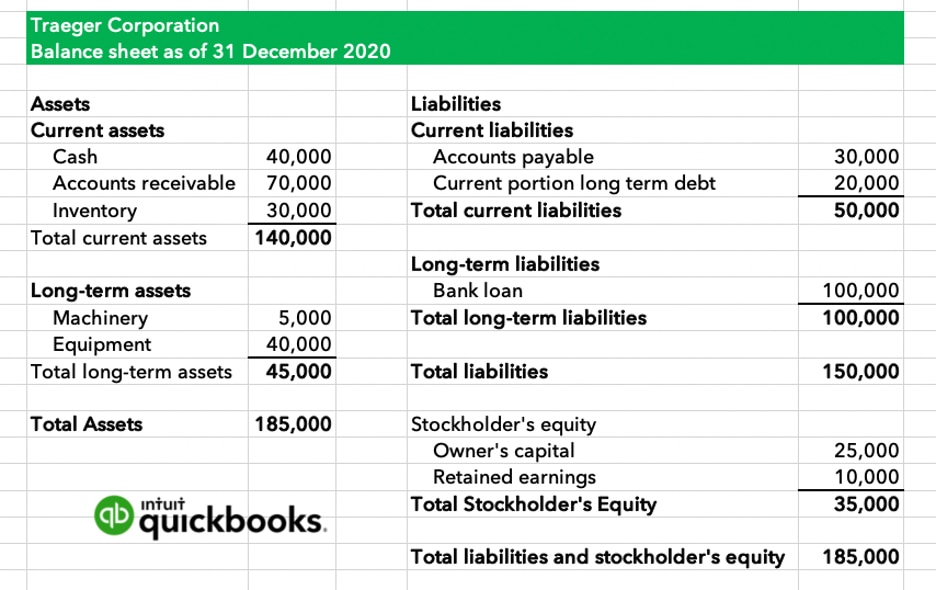
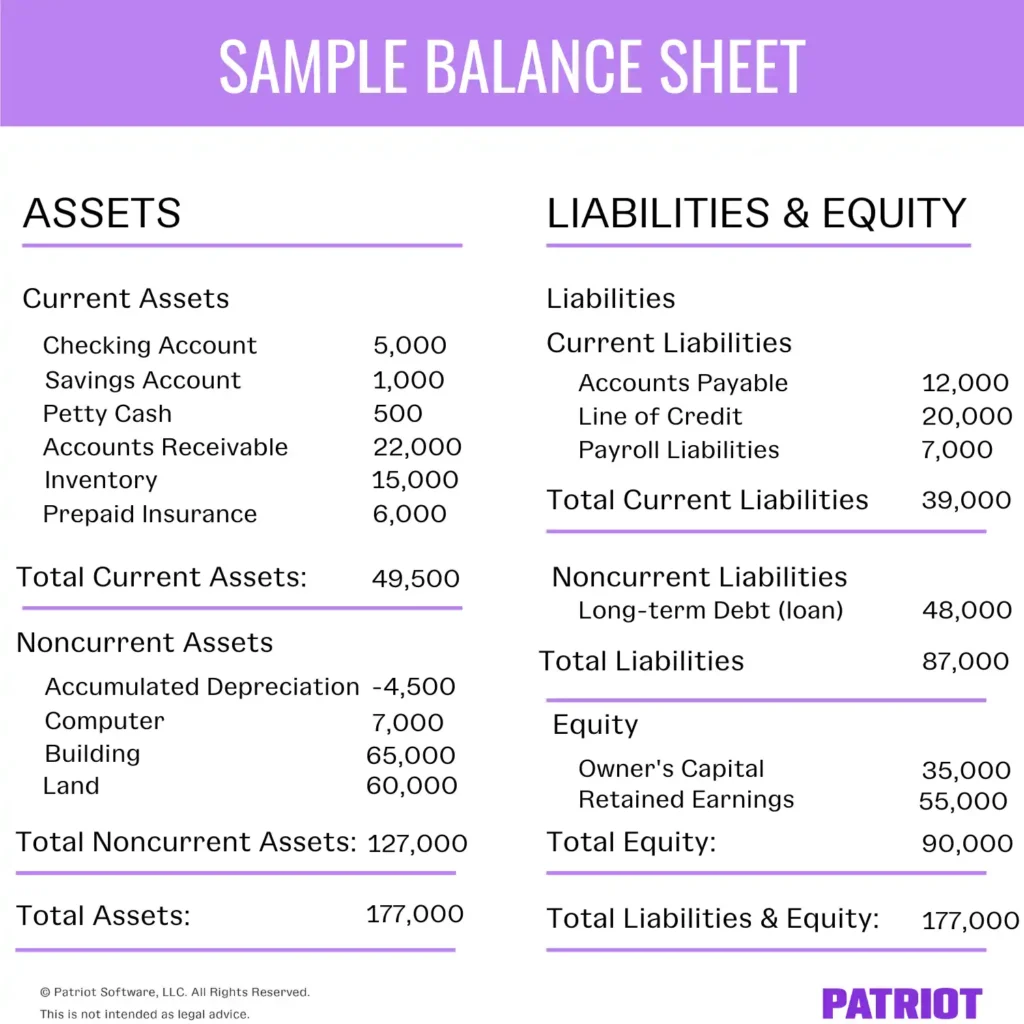
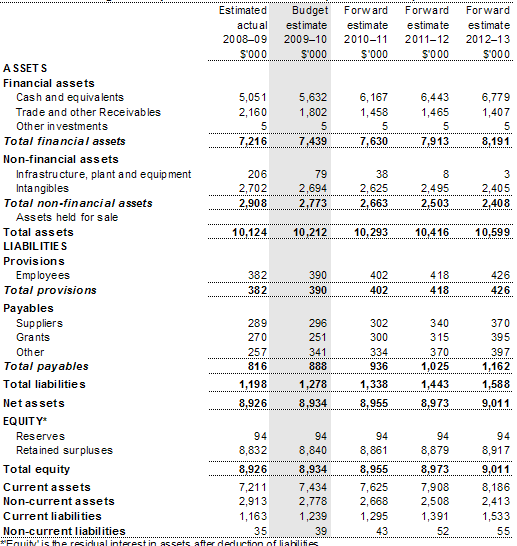
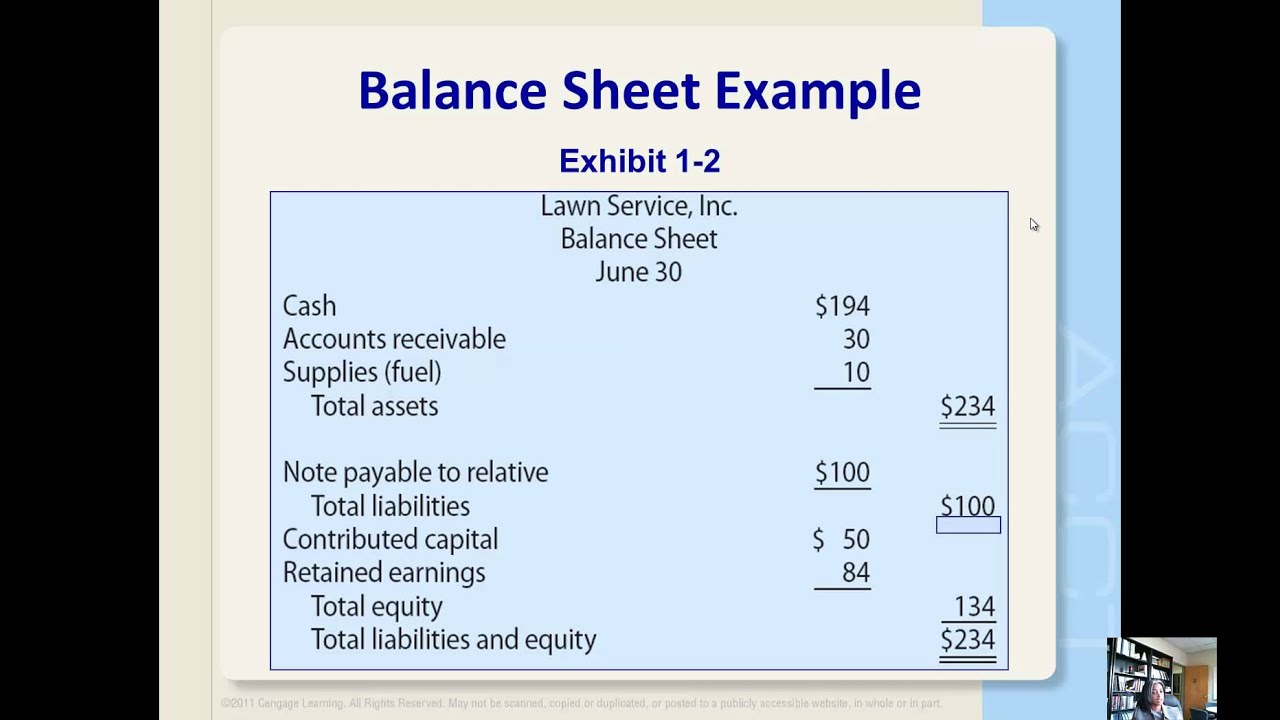
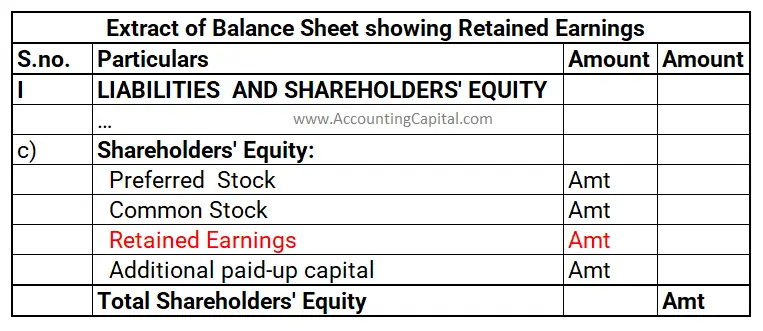
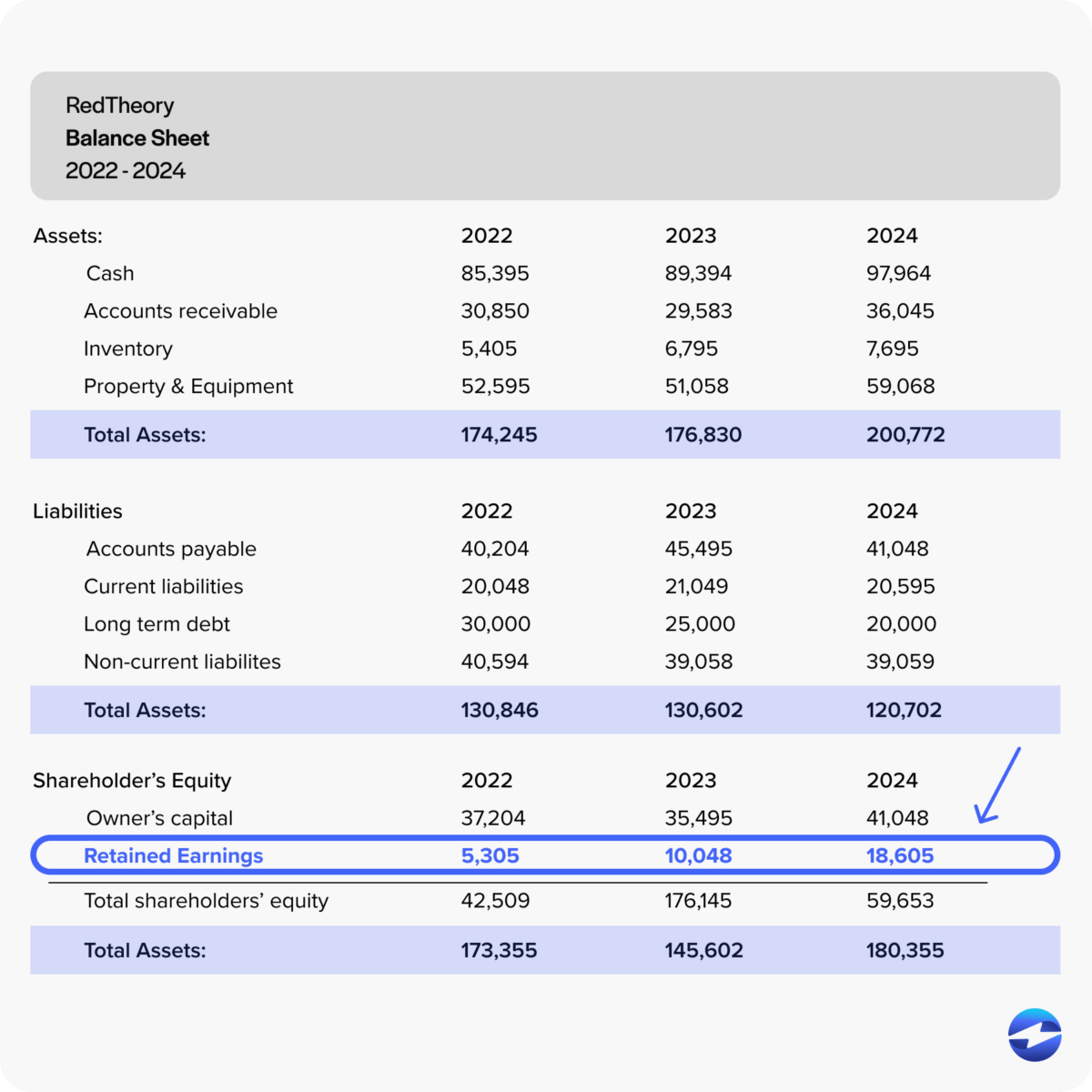
To answer the primary question, How To Get Retained Earnings On Balance Sheet, you must locate the Shareholders' Equity section. Retained Earnings is always listed as a component of this section, right alongside other equity accounts.
Typically, the Shareholders' Equity section includes:
- **Common Stock (or Share Capital):** The total value received from issuing shares.
- **Additional Paid-in Capital (APIC):** The amount shareholders paid for shares above the par value.
- **Retained Earnings:** The cumulative profits kept in the business (the number you just calculated).
- **Treasury Stock:** Shares the company has bought back, which acts as a contra-equity account (a reduction).
You simply take your ending Retained Earnings balance (RE) from your Statement of Retained Earnings and list it under the equity subtotal. This ensures that the Balance Sheet remains perfectly balanced.
If your calculation shows a positive RE, it increases total equity. If your company has suffered cumulative losses (Deficit), the RE number will be negative, thus reducing total equity.
Common Pitfalls When Trying To Get Retained Earnings On Balance Sheet
Even though the formula is simple, errors can creep into the process. Being aware of these common mistakes will save you a lot of headache:
- **Confusing Dividends Declared vs. Dividends Paid:** The RE calculation uses dividends *declared*. If dividends were declared but not yet paid (Dividends Payable), the reduction to RE still occurs immediately upon declaration.
- **Using the Wrong Net Income:** Ensure you are using the Net Income figure for the *current period only*. Don't accidentally use the prior year's income.
- **Mixing Up RE and Cash:** Remember, RE is an equity account, not a cash account. A company can have high retained earnings but low cash reserves if those profits have been used to purchase long-term assets like equipment or buildings.
- **Not Adjusting for Prior Period Adjustments:** If an error was found in a previous year's financial statement, a "Prior Period Adjustment" must be made directly to the Beginning Retained Earnings balance, not run through the current Income Statement.
Why Accuracy Matters: Analyzing Retained Earnings
Getting your Retained Earnings calculation and placement correct is vital because this figure is heavily relied upon by external stakeholders:
Investors look at RE to determine a company's dividend policy and growth strategy. A company with high RE and low dividends is likely reinvesting heavily for expansion, suggesting high growth potential. Conversely, a company with steady RE and high dividend payouts might be a mature business prioritizing shareholder returns.
Creditors use the RE figure as a gauge of a company's financial stability and ability to weather economic downturns. A strong history of retained profits provides a buffer.
Ultimately, the entire Balance Sheet relies on this figure being accurate to maintain the accounting equilibrium. If you don't calculate RE correctly, your assets won't equal your liabilities plus equity, and the whole statement is flawed.
Understanding How To Get Retained Earnings On Balance Sheet successfully bridges the gap between the Income Statement (performance over time) and the Balance Sheet (financial position at a moment in time).
Conclusion
Getting Retained Earnings on the Balance Sheet is a multi-step process that starts with understanding the flow of income and dividends. Remember, Retained Earnings are the accumulated profits that a company has kept and reinvested.
The calculation is simple: take the beginning RE, add net income, and subtract dividends. The final result—the Ending Retained Earnings Balance—is then placed squarely within the Shareholders' Equity section of the Balance Sheet.
Mastering How To Get Retained Earnings On Balance Sheet ensures your financial records are accurate, providing investors and creditors with a clear, dependable view of the company's long-term financial strategy and profitability.
FAQ: Frequently Asked Questions About Retained Earnings
- What is the difference between Retained Earnings and Net Income?
- Net Income is the profit earned in the *current* reporting period only, found on the Income Statement. Retained Earnings is the *cumulative* total of net income/losses retained by the company since its inception, found on the Balance Sheet.
- Can Retained Earnings be negative?
- Yes, absolutely. If a company has accumulated more losses than profits over its lifetime, or if it has paid out more in dividends than it has earned in total profits, the result is a negative balance, often referred to as an "Accumulated Deficit."
- Is cash synonymous with Retained Earnings?
- No. Retained Earnings is an accounting measure of source of capital (equity), not an actual bank balance. Those retained profits have likely been used to purchase assets (like equipment or property) or pay off liabilities, meaning the profit is tied up elsewhere in the business.
- Why do I subtract dividends when calculating Retained Earnings?
- Dividends represent the distribution of profits to shareholders. Since Retained Earnings measures the profit that is *kept* within the business, any amount distributed must be subtracted to determine the remaining amount retained.
- Does preferred stock affect the calculation of Retained Earnings?
- Only the dividends paid on preferred stock affect the calculation, just like common stock dividends. The initial issuance value of preferred stock is recorded separately in the equity section and does not flow into Retained Earnings.
How To Get Retained Earnings On Balance Sheet
How To Get Retained Earnings On Balance Sheet Wallpapers
Collection of how to get retained earnings on balance sheet wallpapers for your desktop and mobile devices.

Spectacular How To Get Retained Earnings On Balance Sheet Picture Photography
Find inspiration with this unique how to get retained earnings on balance sheet illustration, crafted to provide a fresh look for your background.

Detailed How To Get Retained Earnings On Balance Sheet Capture Illustration
Experience the crisp clarity of this stunning how to get retained earnings on balance sheet image, available in high resolution for all your screens.
Gorgeous How To Get Retained Earnings On Balance Sheet Picture in HD
This gorgeous how to get retained earnings on balance sheet photo offers a breathtaking view, making it a perfect choice for your next wallpaper.
Crisp How To Get Retained Earnings On Balance Sheet Artwork in HD
Find inspiration with this unique how to get retained earnings on balance sheet illustration, crafted to provide a fresh look for your background.

Amazing How To Get Retained Earnings On Balance Sheet Design Nature
Explore this high-quality how to get retained earnings on balance sheet image, perfect for enhancing your desktop or mobile wallpaper.
Amazing How To Get Retained Earnings On Balance Sheet Abstract in 4K
Explore this high-quality how to get retained earnings on balance sheet image, perfect for enhancing your desktop or mobile wallpaper.
Beautiful How To Get Retained Earnings On Balance Sheet Scene Illustration
Transform your screen with this vivid how to get retained earnings on balance sheet artwork, a true masterpiece of digital design.

Detailed How To Get Retained Earnings On Balance Sheet Wallpaper Digital Art
Explore this high-quality how to get retained earnings on balance sheet image, perfect for enhancing your desktop or mobile wallpaper.
Amazing How To Get Retained Earnings On Balance Sheet Moment Nature
Transform your screen with this vivid how to get retained earnings on balance sheet artwork, a true masterpiece of digital design.

Crisp How To Get Retained Earnings On Balance Sheet Image for Mobile
Find inspiration with this unique how to get retained earnings on balance sheet illustration, crafted to provide a fresh look for your background.
Vivid How To Get Retained Earnings On Balance Sheet Background in 4K
Explore this high-quality how to get retained earnings on balance sheet image, perfect for enhancing your desktop or mobile wallpaper.
Gorgeous How To Get Retained Earnings On Balance Sheet Background Collection
A captivating how to get retained earnings on balance sheet scene that brings tranquility and beauty to any device.
Detailed How To Get Retained Earnings On Balance Sheet View Concept
Discover an amazing how to get retained earnings on balance sheet background image, ideal for personalizing your devices with vibrant colors and intricate designs.

Artistic How To Get Retained Earnings On Balance Sheet Landscape Photography
Immerse yourself in the stunning details of this beautiful how to get retained earnings on balance sheet wallpaper, designed for a captivating visual experience.
Mesmerizing How To Get Retained Earnings On Balance Sheet Image Nature
Transform your screen with this vivid how to get retained earnings on balance sheet artwork, a true masterpiece of digital design.

Dynamic How To Get Retained Earnings On Balance Sheet Capture for Your Screen
This gorgeous how to get retained earnings on balance sheet photo offers a breathtaking view, making it a perfect choice for your next wallpaper.
Gorgeous How To Get Retained Earnings On Balance Sheet Moment for Desktop
Find inspiration with this unique how to get retained earnings on balance sheet illustration, crafted to provide a fresh look for your background.
Exquisite How To Get Retained Earnings On Balance Sheet Wallpaper Art
This gorgeous how to get retained earnings on balance sheet photo offers a breathtaking view, making it a perfect choice for your next wallpaper.
Spectacular How To Get Retained Earnings On Balance Sheet Scene Illustration
Find inspiration with this unique how to get retained earnings on balance sheet illustration, crafted to provide a fresh look for your background.