How To Price A Software
Stop Guessing: The Ultimate E-E-A-T Guide on How To Price A Software
If you are launching a new product, or scaling an existing one, figuring out how to price a software is arguably the most terrifying decision you will make. Set it too high, and nobody buys. Set it too low, and you leave millions on the table.
This isn't just about math; it's about psychology, market positioning, and deeply understanding the value you deliver. In this definitive guide, we will break down the strategies used by top SaaS companies to ensure your pricing strategy maximizes revenue and delivers exceptional user experience (UX).
Ready to move past trial-and-error? Let's dive in.
The Three Pillars of Software Pricing: A Core Framework
Before implementing any fancy models, you must understand the three fundamental perspectives that inform every pricing decision. Think of them as necessary checks and balances.
Pillar 1: Cost-Based Pricing (The Floor)
Cost-based pricing is the simplest method, focused on covering your expenses. You calculate your Total Cost of Ownership (TCO)—including development, infrastructure, hosting, marketing, and support—and then add a percentage markup for profit.
This method sets the absolute minimum (the "floor") you can charge to remain solvent. It's safe, but severely limits your profit potential because it completely ignores what the customer is willing to pay.
Pillar 2: Competitor-Based Pricing (The Reality Check)
This involves analyzing what your direct and indirect competitors are charging. Are you solving the same problem? Are you 10x better? Or just slightly different?
If you are a direct substitute, you generally need to price close to the market leader—or slightly lower if you are the new entrant looking to steal market share. This ensures you are competitively viable, but it turns pricing into a race to the bottom.
External Link: Learn more about Competitive Pricing Strategies on Wikipedia.
Pillar 3: Value-Based Pricing (The Gold Standard)
This is where the real money is made. Value-based pricing determines the price based on the perceived value the software delivers to the customer, not your internal costs.
For example, if your software saves a company $10,000 per month in manual labor, charging $500 per month is an absolute bargain for the customer, and a massive profit margin for you. Your price is anchored to the quantifiable return on investment (ROI).
| Pricing Pillar | Anchor | Advantage | Disadvantage |
|---|---|---|---|
| Cost-Based | Internal Expenses (TCO) | Guarantees profitability minimum. | Ignores market value; limits growth. |
| Competitor-Based | Market Pricing (Rivals) | Quickly establishes market viability. | Often leads to price wars. |
| Value-Based | Customer ROI & Benefits | Highest profit margins; scales with customer success. | Requires deep customer understanding. |
Building Your Pricing Strategy: Choosing the Right Model
Knowing the three pillars helps you determine the *amount* to charge. Now, let's determine the *structure* of how your customers pay for the software.
SaaS Pricing Models
Most modern software companies—especially SaaS—use subscription models that tie usage to value. Here are the most common models:
- Per-User (or Per-Seat): Pricing scales directly with the number of people using the product. Ideal for team-collaboration tools (e.g., Slack, Asana).
- Tiered Pricing: Offering 3 to 4 distinct packages (e.g., Basic, Pro, Enterprise) based on feature sets or usage limits. This allows you to capture different segments of the market.
- Feature-Based: Charging more for access to advanced features (e.g., API access, white-labeling, premium support). This works well when high-value features appeal only to specific customer groups.
- Consumption/Usage-Based: The customer pays only for what they use (e.g., storage, compute time, number of API calls). Highly popular in infrastructure and backend services (e.g., AWS, Twilio).
The Power of Value Metrics
When you learn how to price a software correctly, you learn to choose a "Value Metric" that aligns with the customer's success. This is the single metric around which your pricing scales.
Example: For a CRM, the value metric is "active users." For a payment processor, the value metric is "transaction volume." For a testing tool, it might be "number of tests run."
If your customer achieves greater success (e.g., increases their transaction volume), they pay you more. If they aren't succeeding, their costs are lower. This builds trust and ensures an aligned relationship.
For deeper insights on aligning price with ROI, check out this resource: External Link: NBER Working Paper on Pricing Strategies.
Psychological Tactics to Maximize Conversions
The number itself is only half the story. How you present the price profoundly affects whether a customer hits 'Buy'.
The Decoy Effect (The Middle Choice)
The Decoy Effect is a cognitive bias where people's preference for option A or B changes when a third, asymmetric option (the Decoy) is introduced.
In software pricing, this means designing three tiers: Basic ($10), Pro ($50), and Enterprise ($100). If you want 80% of users to select Pro ($50), you intentionally make the Enterprise ($100) option seem barely worth the extra cost, making Pro look like the obvious, "best value" choice.
Price Anchoring
Always present your most expensive option first, or display the discounted price alongside the original, higher price. This anchors the customer's brain to the higher number, making the price they actually pay seem much more reasonable.
You can also achieve anchoring by demonstrating the immense value delivered first (e.g., "This tool saves you $5,000 per month!") before revealing the relatively small price tag ($299 per month).
We often discuss customer acquisition costs. [Baca Juga: Strategi Efektif untuk Mengurangi Customer Churn]
Step-by-Step Implementation and Review
Pricing is not a one-time decision; it's a process. Here is your actionable checklist:
- Determine Your Floor (Cost-Based): Calculate your operational costs to find the bare minimum price.
- Analyze the Market (Competitor-Based): Benchmark against three direct and three indirect competitors. Identify gaps and unique value propositions.
- Quantify Value (Value-Based): Interview your target customers. What measurable benefit do they gain (time saved, revenue earned, risk reduced)? Use this to set your pricing ceiling.
- Select Value Metrics: Choose 1–2 metrics that best represent customer success and allow your pricing to scale organically.
- Structure the Tiers: Create 3–4 pricing tiers, optimizing the second or third tier (the 'Hero Tier') for maximum conversions using the Decoy Effect.
- Test, Monitor, and Iterate: Pricing should be reviewed annually, or whenever a major feature launches. Use A/B testing on pricing pages to continuously optimize.
Remember that the confidence in your pricing often dictates your customers' confidence in buying. Be bold, justify your value, and be prepared to iterate.
Conclusion
Mastering how to price a software product requires blending financial analysis, market awareness, and deep psychological understanding. By focusing on Value-Based Pricing (Pillar 3) and designing tiers around meaningful value metrics, you move your product from being a cost to being a clear investment for your customers.
Stop apologizing for your prices. If you deliver real value, charge for it confidently.
Frequently Asked Questions (FAQ) About Software Pricing
- How often should I change my software pricing?
Ideally, pricing should be reviewed every 6 to 12 months, or immediately following a significant product update or feature launch. However, avoid changing prices too frequently as it can erode customer trust.
- Is $9.99 better than $10.00?
The "Charm Pricing" ending in 9 or 99 does still provide a marginal psychological boost, especially for B2C or lower-priced tiers, as consumers process the left-most digit first. However, for high-end B2B software, rounded numbers often convey confidence and simplicity.
- Should I include a free tier (Freemium)?
A freemium model (a permanently free tier) works well for products with low marginal costs, high network effects, and clear barriers to entry (features) that incentivize paid upgrades. It's excellent for customer acquisition, but requires strong monetization planning.
- What is the typical profit margin for SaaS software?
While profit margins vary widely, mature, healthy SaaS companies often aim for gross margins above 70%—meaning that the cost to deliver the service is only 30% or less of the revenue generated.
How To Price A Software
How To Price A Software Wallpapers
Collection of how to price a software wallpapers for your desktop and mobile devices.

Captivating How To Price A Software Wallpaper for Desktop
This gorgeous how to price a software photo offers a breathtaking view, making it a perfect choice for your next wallpaper.

Detailed How To Price A Software View Concept
Explore this high-quality how to price a software image, perfect for enhancing your desktop or mobile wallpaper.

Vibrant How To Price A Software Wallpaper in HD
Explore this high-quality how to price a software image, perfect for enhancing your desktop or mobile wallpaper.

Beautiful How To Price A Software Wallpaper Illustration
Transform your screen with this vivid how to price a software artwork, a true masterpiece of digital design.

Dynamic How To Price A Software Image Photography
This gorgeous how to price a software photo offers a breathtaking view, making it a perfect choice for your next wallpaper.
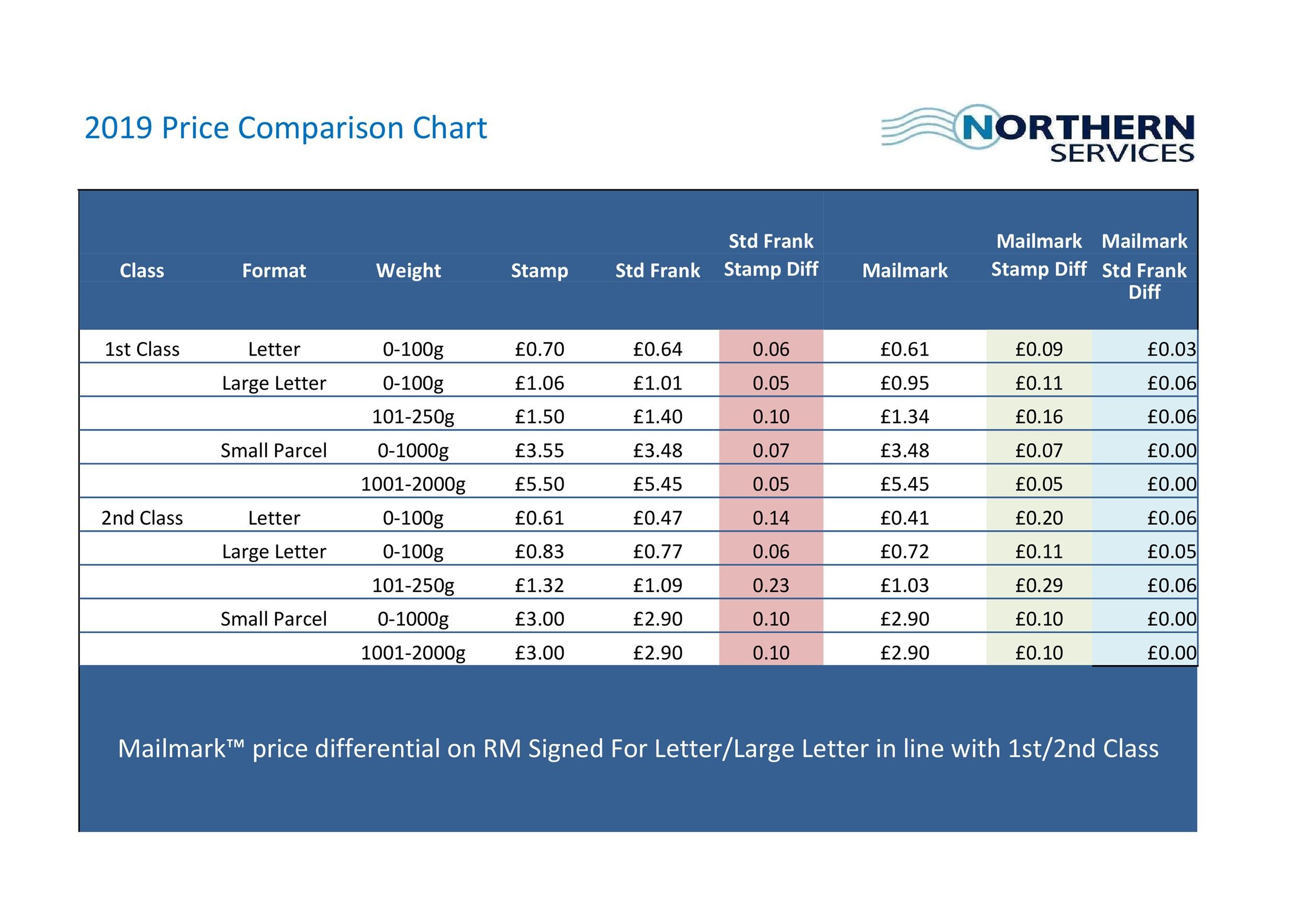
Stunning How To Price A Software Wallpaper Nature
This gorgeous how to price a software photo offers a breathtaking view, making it a perfect choice for your next wallpaper.

Exquisite How To Price A Software Image Collection
Immerse yourself in the stunning details of this beautiful how to price a software wallpaper, designed for a captivating visual experience.

Dynamic How To Price A Software Photo for Your Screen
This gorgeous how to price a software photo offers a breathtaking view, making it a perfect choice for your next wallpaper.
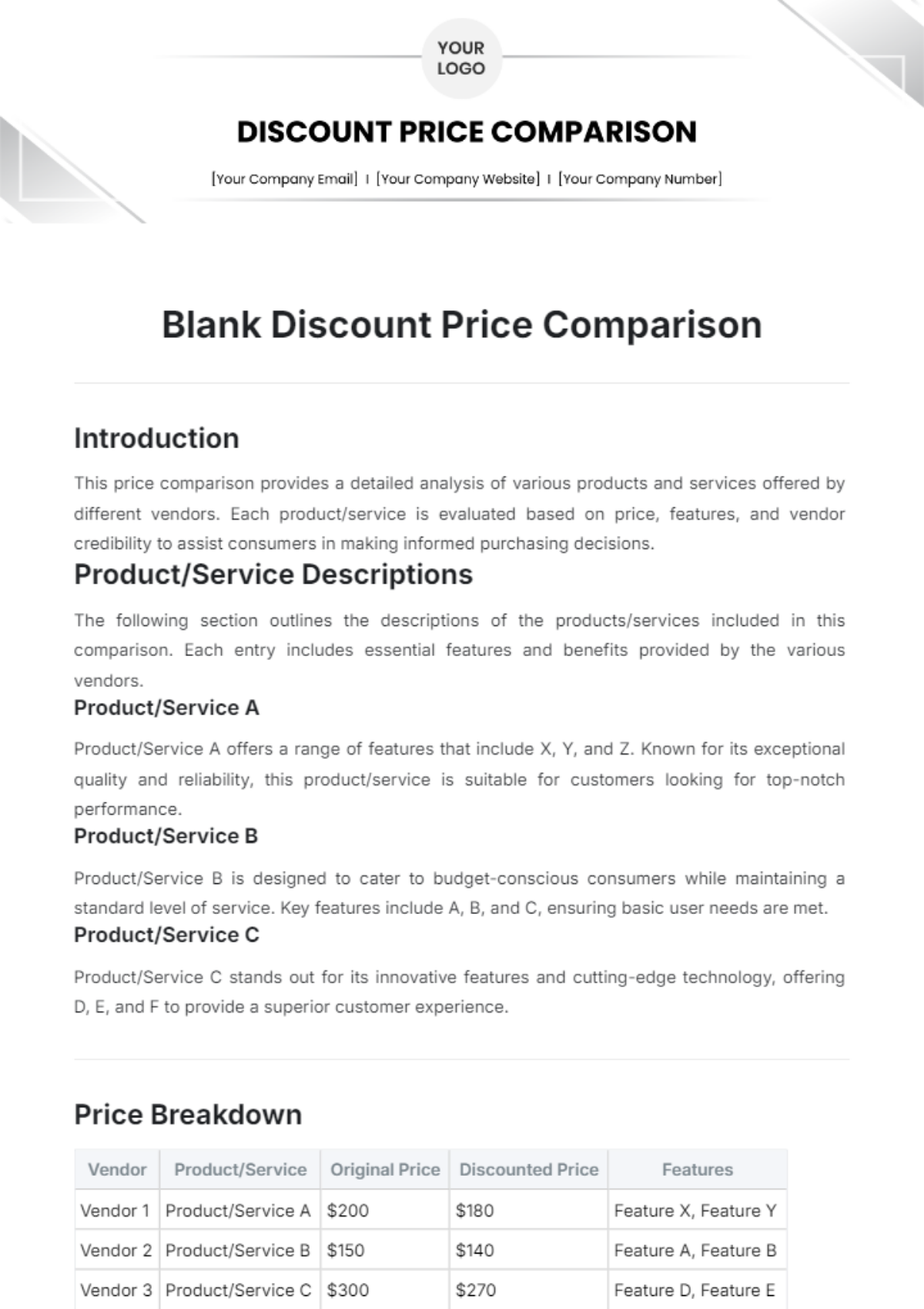
Artistic How To Price A Software Artwork in 4K
Immerse yourself in the stunning details of this beautiful how to price a software wallpaper, designed for a captivating visual experience.
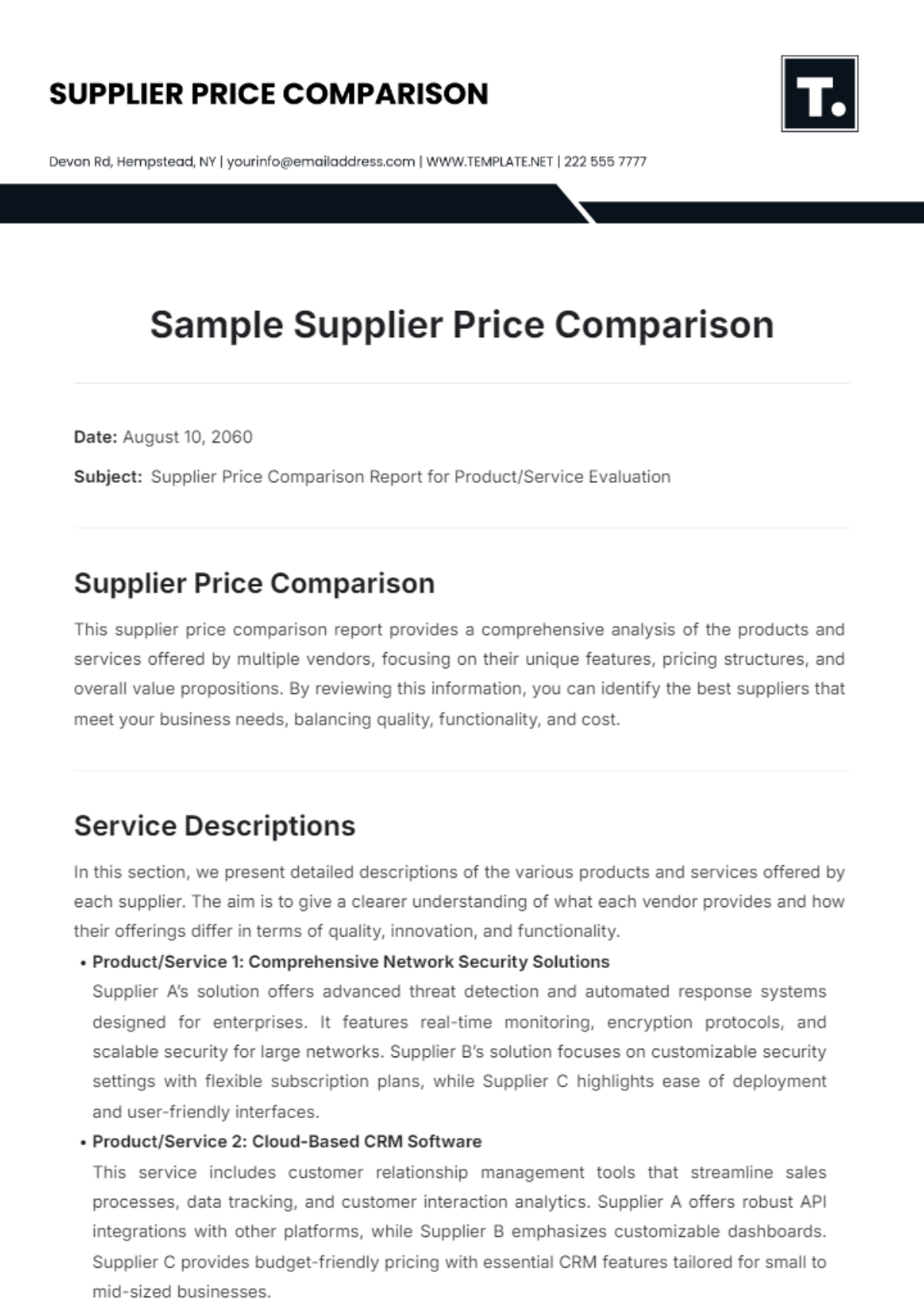
Dynamic How To Price A Software Wallpaper Digital Art
A captivating how to price a software scene that brings tranquility and beauty to any device.

Lush How To Price A Software Picture Nature
A captivating how to price a software scene that brings tranquility and beauty to any device.

Captivating How To Price A Software Abstract in 4K
Find inspiration with this unique how to price a software illustration, crafted to provide a fresh look for your background.

Spectacular How To Price A Software Background in HD
This gorgeous how to price a software photo offers a breathtaking view, making it a perfect choice for your next wallpaper.

Crisp How To Price A Software Photo for Mobile
Immerse yourself in the stunning details of this beautiful how to price a software wallpaper, designed for a captivating visual experience.

Artistic How To Price A Software Abstract Concept
This gorgeous how to price a software photo offers a breathtaking view, making it a perfect choice for your next wallpaper.

Exquisite How To Price A Software Wallpaper for Mobile
Find inspiration with this unique how to price a software illustration, crafted to provide a fresh look for your background.

Breathtaking How To Price A Software Wallpaper Nature
Discover an amazing how to price a software background image, ideal for personalizing your devices with vibrant colors and intricate designs.
Breathtaking How To Price A Software Design Collection
Transform your screen with this vivid how to price a software artwork, a true masterpiece of digital design.
Vivid How To Price A Software Design Collection
Transform your screen with this vivid how to price a software artwork, a true masterpiece of digital design.
Lush How To Price A Software Background in 4K
Immerse yourself in the stunning details of this beautiful how to price a software wallpaper, designed for a captivating visual experience.
Download these how to price a software wallpapers for free and use them on your desktop or mobile devices.