Java Software
Why Java Software Still Dominates the Enterprise World: Stability, Scalability, and the Future of Cloud
When discussing high-performance, mission-critical applications, one technology inevitably comes to the forefront: Java. Despite decades of evolution and the rise of trendy new languages, the stability and immense ecosystem surrounding Java software ensures its continued dominance across enterprise systems, financial trading platforms, and large-scale web services.
This deep-dive will explore not just what Java is, but why it remains the go-to choice for complex software architecture. We will cut through the noise, examine its current role in cloud environments, and offer essential insights for developers and business leaders alike.
The JVM Advantage: Write Once, Run Anywhere
The foundational strength of the Java platform is the Java Virtual Machine (JVM). The JVM acts as a crucial layer of abstraction, allowing developers to compile code into bytecode—a universal intermediary language—instead of compiling directly to machine-specific code.
This simple concept is the engine behind Java's famous promise: "Write Once, Run Anywhere" (WORA). Whether you are running the application on Windows, Linux, or a macOS server, the JVM handles the translation, ensuring consistency and eliminating operating system compatibility headaches.
The Role of Garbage Collection
A key feature of the JVM that greatly enhances developer productivity and application stability is automated memory management, or Garbage Collection (GC). Unlike languages where memory allocation and deallocation must be handled manually, the JVM automatically reclaims memory that is no longer being used.
While historically, pauses during Garbage Collection could be performance bottlenecks, modern JVM versions (like those in Java 17 and later) use highly optimized collectors, such as the Z Garbage Collector (ZGC) and G1, minimizing latency significantly. For a detailed technical explanation of the JVM architecture, you can refer to authoritative sources on the subject. Read more about the Java Virtual Machine on Wikipedia.
Java in the Modern Stack: From Enterprise to Microservices
While Java initially gained fame for powering large desktop applications and traditional Enterprise Java Beans (EJB) architectures, its role has evolved drastically. Today, the core of Java software development is focused on cloud-native deployments and microservices architecture.
The transition was largely driven by the explosive growth of frameworks designed to streamline rapid deployment and minimize configuration overhead.
The Rise of Spring Boot
Spring Boot is arguably the single most important innovation in the modern Java ecosystem. It removed the heavy configuration requirement that once plagued older Java EE applications, enabling developers to build production-ready, standalone Java applications quickly.
By prioritizing "Convention over Configuration," Spring Boot has made Java a compelling choice even for startups and smaller projects, moving beyond its traditional stronghold in massive corporations. It allows for quick creation of robust REST APIs, message queues, and secure services essential for distributed systems.
[Baca Juga: Building High-Performance REST APIs with Spring Boot]
Key Tools and Frameworks Fueling Java Software Development
The resilience of Java software is directly proportional to the maturity of its ecosystem. From testing frameworks like JUnit and Mockito to build tools like Maven and Gradle, the tooling around Java is vast, well-documented, and community-supported.
For enterprise development, understanding the primary framework choices is crucial for making informed technology decisions:
| Framework | Primary Use Case | Key Benefit | Modern Focus |
|---|---|---|---|
| Spring Boot | Microservices, Web APIs, Rapid Development | Ease of setup, vast ecosystem, strong community support. | Cloud Native, Reactive Programming (WebFlux). |
| Quarkus | Containerized Apps, Serverless, Kubernetes | Minimal memory footprint and incredibly fast startup times. | Optimized for GraalVM Native Image compilation. |
| Jakarta EE (formerly Java EE) | Large, traditional monolithic enterprise applications | Comprehensive specifications for security, transactions, and messaging. | Modernized with MicroProfile for microservices compatibility. |
When selecting a framework for new Java software, the critical choice often lies between the flexibility and community of Spring Boot versus the container-optimization and minimal resource consumption offered by Quarkus.
For maximum security and compliance, especially in government or finance, adherence to robust security standards is non-negotiable. The National Institute of Standards and Technology (NIST) provides guidelines on Java security.
Common Misconceptions and the Path Forward for Java
The two most common criticisms leveled against Java are that it is "too verbose" and "too slow" for modern cloud architectures due to large memory demands and slow startup times.
While these criticisms had merit a decade ago, Java has evolved dramatically, introducing features that specifically address these concerns:
Harnessing the Power of Native Compilation
The introduction and maturing of GraalVM has been a game-changer. GraalVM allows Java code to be compiled into a standalone native executable, completely bypassing the need for a traditional JVM deployment. This compilation drastically reduces startup time (often measured in milliseconds) and lowers memory consumption, making Java software perfectly competitive for serverless functions and container environments.
Streamlining the Language
The adoption of shorter release cycles (every six months) has allowed Java to rapidly integrate modern language features. Features like Records (for concise data classes), Sealed Classes (for precise inheritance control), and Pattern Matching significantly reduce boilerplate code, making modern Java far less verbose than its predecessors.
Java is not resting on its laurels; the introduction of Project Loom aims to bring lightweight virtual threads to the platform, promising unparalleled concurrency and scalability for I/O-intensive operations. This ensures that Java software remains a performance leader in high-throughput environments. Learn more about the latest Java features (JDK 21).
[Baca Juga: Comparing GraalVM to Traditional JVM Performance]
Conclusion: The Enduring Legacy of Java Software
Java software is far from legacy technology; it is the cornerstone of modern global finance, logistics, and telecommunications. Its longevity is sustained not merely by institutional inertia but by continuous innovation—from the JVM advancements to revolutionary frameworks like Spring Boot and Quarkus.
For organizations prioritizing resilience, scalability, security, and a massive talent pool, Java remains the most reliable and future-proof choice for enterprise-grade applications. It perfectly balances stability with the adaptability required by the fast-paced world of cloud computing.
Frequently Asked Questions (FAQ) about Java Software
Is Java software still relevant in 2024?
Absolutely. Java remains highly relevant, especially for large enterprise systems, Android development, Big Data processing (Hadoop, Kafka), and financial technology (FinTech). Its performance, particularly when optimized with modern JVMs and native compilation (GraalVM), makes it highly competitive in cloud and microservices architectures.
What is the difference between Java and the JVM?
Java is the programming language and the comprehensive platform specification. The JVM (Java Virtual Machine) is the abstract machine that executes compiled Java bytecode. Think of Java as the blueprint and the JVM as the engine that runs the code on various operating systems.
Which industries rely most heavily on Java software?
Banking and Finance (due to stability and transactional integrity), E-commerce (large backend systems), Government agencies, and Telecommunications are the biggest users. Furthermore, Android is built entirely upon Java (and Kotlin, which runs on the JVM).
Do I need to pay to use Java?
No. Standard usage of the OpenJDK (Open Java Development Kit) remains free and open source under the GPL license. While Oracle offers commercial JDK distributions with premium support and licensing for certain enterprise use cases, the vast majority of developers and organizations use the free OpenJDK versions.
Java Software
Java Software Wallpapers
Collection of java software wallpapers for your desktop and mobile devices.
Detailed Java Software Landscape Collection
Explore this high-quality java software image, perfect for enhancing your desktop or mobile wallpaper.
Lush Java Software Image Digital Art
Immerse yourself in the stunning details of this beautiful java software wallpaper, designed for a captivating visual experience.
Beautiful Java Software Photo Photography
Discover an amazing java software background image, ideal for personalizing your devices with vibrant colors and intricate designs.
Gorgeous Java Software Moment Photography
This gorgeous java software photo offers a breathtaking view, making it a perfect choice for your next wallpaper.
Amazing Java Software Photo for Desktop
Explore this high-quality java software image, perfect for enhancing your desktop or mobile wallpaper.
Mesmerizing Java Software Design Illustration
Experience the crisp clarity of this stunning java software image, available in high resolution for all your screens.
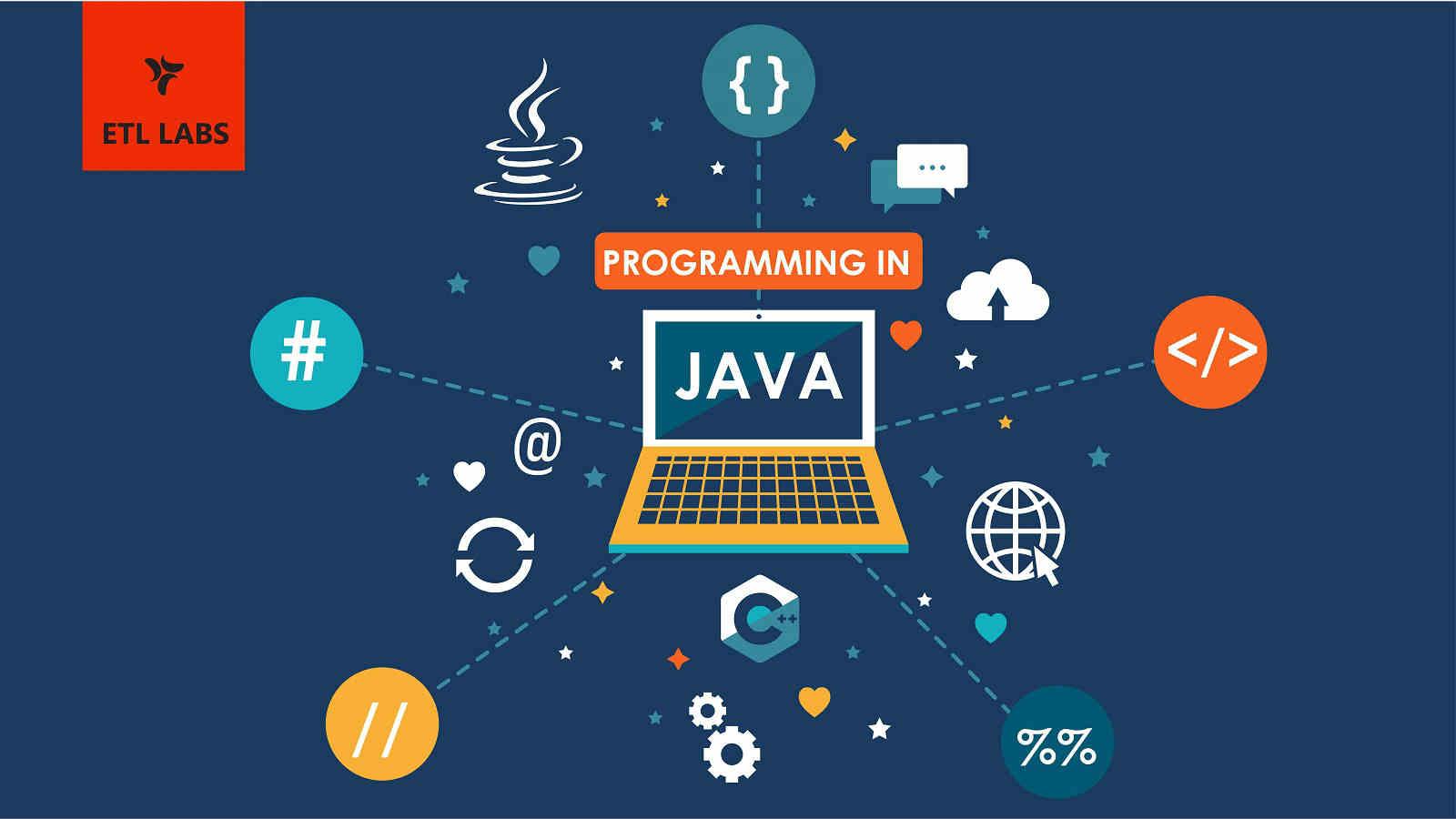
Beautiful Java Software Landscape Digital Art
Experience the crisp clarity of this stunning java software image, available in high resolution for all your screens.

Spectacular Java Software Moment for Mobile
Find inspiration with this unique java software illustration, crafted to provide a fresh look for your background.
Beautiful Java Software Wallpaper Digital Art
Experience the crisp clarity of this stunning java software image, available in high resolution for all your screens.
Breathtaking Java Software Capture for Mobile
Experience the crisp clarity of this stunning java software image, available in high resolution for all your screens.
Artistic Java Software Scene for Desktop
This gorgeous java software photo offers a breathtaking view, making it a perfect choice for your next wallpaper.
Spectacular Java Software Moment for Your Screen
A captivating java software scene that brings tranquility and beauty to any device.
Detailed Java Software Image in HD
Explore this high-quality java software image, perfect for enhancing your desktop or mobile wallpaper.
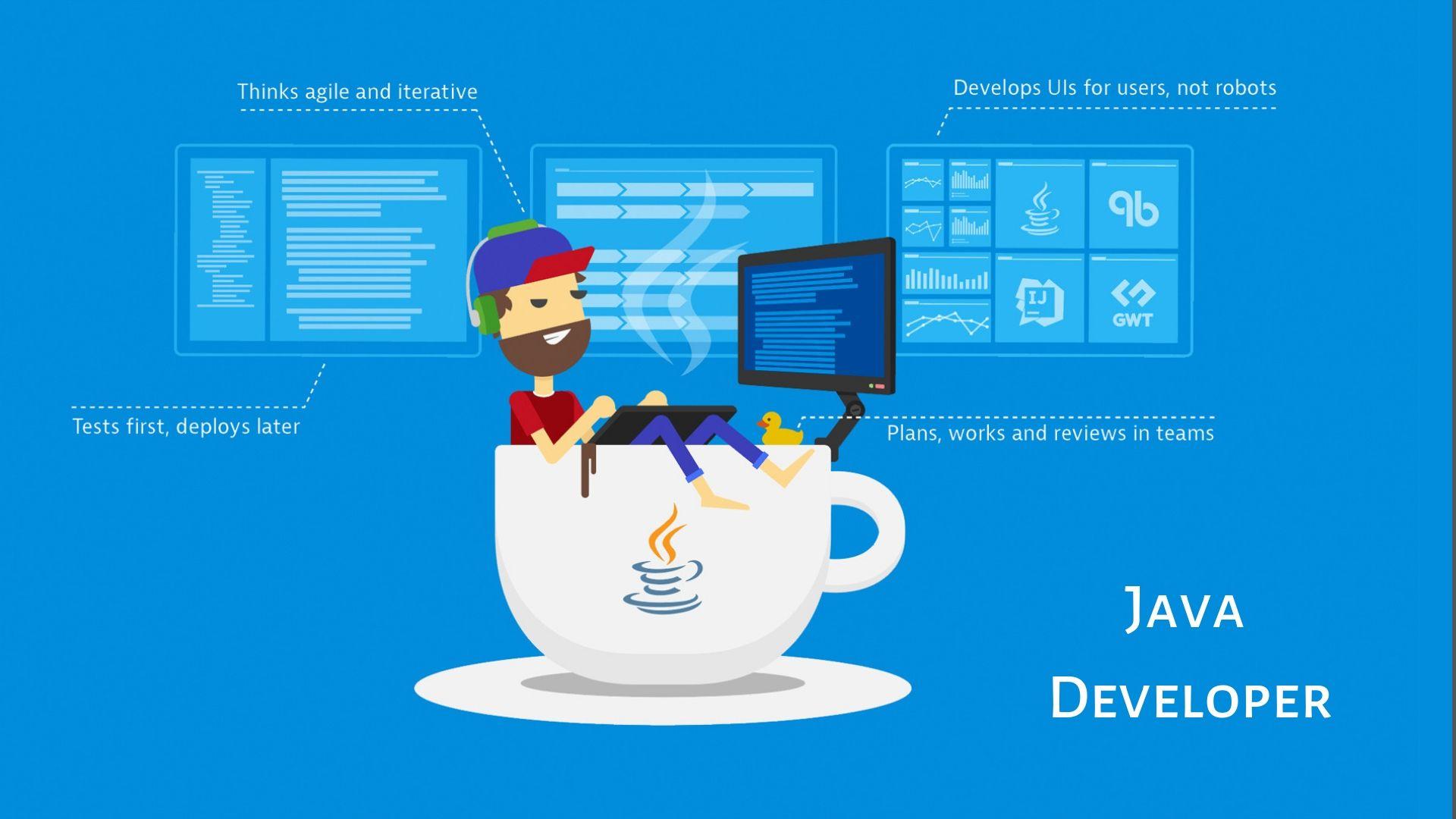
Amazing Java Software Artwork Concept
Explore this high-quality java software image, perfect for enhancing your desktop or mobile wallpaper.

Vibrant Java Software View Art
Transform your screen with this vivid java software artwork, a true masterpiece of digital design.

Captivating Java Software Wallpaper Nature
Immerse yourself in the stunning details of this beautiful java software wallpaper, designed for a captivating visual experience.
Artistic Java Software Moment for Mobile
A captivating java software scene that brings tranquility and beauty to any device.
Spectacular Java Software Photo Art
A captivating java software scene that brings tranquility and beauty to any device.
Gorgeous Java Software Landscape for Desktop
Find inspiration with this unique java software illustration, crafted to provide a fresh look for your background.
High-Quality Java Software Design Art
Experience the crisp clarity of this stunning java software image, available in high resolution for all your screens.
Download these java software wallpapers for free and use them on your desktop or mobile devices.