Can Heart Get Cancer
Can Heart Get Cancer? Understanding a Rare Condition
It's a question many people ponder, often with a mix of fear and curiosity: Can heart get cancer? Given the heart's vital, non-stop function, the idea of a tumor forming in this crucial organ is unsettling. If you've been searching for answers, you're in the right place. We are going to dive deep into this topic, offering a clear, reassuring, and informative look at cardiac tumors, why they are so rare, and what it means when they do occur.
The short answer is yes, technically, the heart can develop cancer. But before you panic, it's crucial to understand the context. Heart cancer is incredibly, exceptionally rare. In fact, it's one of the rarest forms of cancer known to medicine. Let's explore the differences between primary and secondary heart tumors and why the heart seems to have a built-in defense against malignancy.
The Short Answer: Is Heart Cancer Possible?
While almost any other organ in the body can develop cancer easily—lungs, liver, bones—the heart is uniquely resistant. This rarity stems from the composition of the heart muscle itself. The vast majority of cancers start in epithelial cells, which are cells that line organs or glands (like in the breast or colon).
The heart muscle, or myocardium, is primarily made up of muscle tissue and connective tissue. These cells, unlike epithelial cells, rarely divide after childhood. Cancer is essentially uncontrolled cell division, and since heart cells rarely divide, the opportunity for a cancerous mutation to take hold is dramatically reduced. This protective mechanism is why we hear the phrase "Can heart get cancer" so much—it seems almost impossible.
Primary vs. Secondary Heart Tumors
When discussing tumors of the heart, doctors must differentiate between two main categories. This distinction is vital because it changes the prognosis, treatment, and underlying cause completely. Understanding this difference is key to understanding the real risk associated with tumors in this area.
Here's the difference:
- Primary Tumors: These tumors originate directly within the heart tissue itself. They are extremely rare, accounting for less than 0.02% of all tumors found in the body. Primary tumors can be benign (non-cancerous) or malignant (cancerous).
- Secondary Tumors (Metastatic Cancer): These are tumors that start elsewhere in the body (like the lung, breast, or melanoma) and then spread to the heart. This is significantly more common than primary heart cancer.
Primary Cardiac Tumors: The Extremely Rare Cases
If the answer to "Can heart get cancer" is yes, these primary malignancies are what we are referring to. The actual cancerous tumors that start in the heart are usually sarcomas. These aggressive cancers arise from the connective tissues or blood vessels of the heart. The most common type of primary malignant tumor is an angiosarcoma.
Angiosarcomas often occur in the right atrium and can rapidly obstruct blood flow, leading to severe heart failure symptoms. Because they are so aggressive and often detected late—due to the ambiguity of symptoms—the prognosis for primary cardiac malignancies tends to be very poor. Researchers continue to look for better diagnostic methods to catch these rare tumors earlier.
Myxomas: The Most Common Primary Heart Tumor
It's important to note that most tumors found in the heart are actually benign (non-cancerous). The vast majority of primary heart tumors are called myxomas. These benign tumors are typically localized to the left atrium, although they can form anywhere inside the heart chambers. Myxomas usually attach to the inner lining of the heart.
Although myxomas are not cancer, they are still very dangerous because of where they are located. They can block blood flow, causing acute heart failure or pulmonary edema, or cause fragments to break off and travel to the brain or other parts of the body, leading to stroke or embolism. Myxomas are thankfully treatable, usually via surgical removal, and the outcome following successful surgery is generally excellent.
Secondary Heart Cancer: When Cancer Spreads
When people ask, "Can heart get cancer?" they are often shocked to learn that metastatic cancer is 20 to 40 times more common than primary heart cancer. This means if a tumor is found in the heart, it almost certainly started somewhere else and traveled there through the body's networks.
Cancer cells reach the heart typically through the bloodstream, the lymphatic system, or by direct invasion from adjacent structures (especially the lungs). Therefore, patients already undergoing treatment for advanced stages of cancer face a higher, though still small, risk of cardiac involvement. The most common types of cancers that metastasize to the heart include:
- Lung Cancer
- Breast Cancer
- Malignant Melanoma (which has a particularly high propensity to spread everywhere, including the heart)
- Leukemia and Lymphoma (which can infiltrate the heart muscle or pericardium)
Often, metastatic tumors affect the pericardium, the sac that surrounds the heart. This irritation can cause fluid buildup, known as pericardial effusion, which limits the heart's ability to pump effectively. Treating these secondary tumors involves managing the underlying primary cancer.
Signs and Symptoms of Cardiac Tumors
Because the symptoms of heart tumors—whether benign or malignant—often mimic common heart diseases, diagnosis can be challenging. The signs usually relate to interference with blood flow or electrical signals, as the tumor physically takes up space or invades tissue. However, in many instances, especially with secondary tumors, the symptoms of the primary cancer may overshadow any cardiac symptoms.
If you experience these signs, particularly if you have a history of cancer, it warrants immediate medical investigation:
- Heart Failure Symptoms: Shortness of breath (especially when lying down), unexplained fatigue, and swelling in the legs or abdomen.
- Arrhythmias: Irregular heartbeats, persistent palpitations, or fainting (syncope).
- Embolism: Sudden stroke-like symptoms, caused by tumor fragments breaking off and blocking blood flow elsewhere in the body.
- Pericardial Effusion: Chest pain or discomfort due to fluid buildup around the heart, which can cause cardiac tamponade (a medical emergency).
How is Heart Cancer Diagnosed and Treated?
Diagnosing a tumor in the heart typically begins when a patient presents with unexplained symptoms of heart failure or arrhythmia. Due to the rarity of the condition, specialized imaging techniques are often required to confirm the presence, location, and nature (primary vs. secondary, benign vs. malignant) of the mass. A cardiologist will work closely with an oncology team if malignancy is suspected.
Key Diagnostic Tools
Modern medical technology allows doctors to visualize the heart with great detail, enabling swift and accurate identification of cardiac masses:
- Echocardiogram (Echo): This is usually the first line of defense. It uses sound waves to create a moving picture of the heart and is excellent for spotting masses, especially myxomas in the atria.
- Cardiac MRI (Magnetic Resonance Imaging): Provides the best detail of soft tissue, helping doctors determine if the tumor is benign or malignant, and if it has invaded the heart muscle. This imaging technique is crucial for surgical planning.
- CT Scan: Often used to determine the exact relationship of the tumor to surrounding structures or to gauge the extent of the spread if a secondary (metastatic) tumor is suspected throughout the body.
- Biopsy: Although risky due to the heart's location, a tissue sample (biopsy) is sometimes necessary to definitively diagnose the cell type of the tumor and guide chemotherapy choices.
Treatment Approaches
Treatment depends entirely on whether the tumor is benign, primary malignant, or metastatic. Because heart tumors are so rare, managing them requires coordination among specialists, including cardiac surgeons, oncologists, and cardiologists.
- Benign Tumors (Myxomas): Surgery is the primary treatment. Complete removal of the mass is performed promptly to prevent embolism or obstruction. The success rate for myxoma removal is very high.
- Primary Malignant Tumors (Sarcomas): These require aggressive, multimodal treatment. This often involves a combination of radical surgery (if possible), intensive chemotherapy, and radiation. Unfortunately, curative resection is often challenging due to the invasive nature of the sarcoma.
- Secondary Metastatic Cancer: Treatment focuses on managing the primary, systemic cancer using chemotherapy, immunotherapy, or targeted therapy. Cardiac intervention may be palliative, focusing on easing symptoms like draining fluid from the pericardium to relieve pressure.
Conclusion: Reassuring Facts About Heart Cancer
So, can heart get cancer? Yes, it can, but it is extremely rare for cancer to originate in the heart. The take-home message is one of reassurance: the odds are overwhelmingly against developing a primary cardiac malignancy. While the heart is not immune to cancer, its unique cellular structure provides a powerful natural defense that helps keep it protected.
If a tumor is found in the heart, remember that statistically, it is far more likely to be either a benign myxoma (which is highly treatable) or a secondary tumor that has spread from another site in the body. If you have concerns about unexplained cardiac symptoms, especially if you have a family history or personal history of cancer, always consult with your doctor. Early diagnosis, particularly for manageable tumors like myxomas, is key to a positive outcome.
Frequently Asked Questions (FAQ)
- Are benign heart tumors dangerous?
- Yes, even though benign tumors (like myxomas) are not cancer, they are still dangerous. They can physically obstruct blood flow through the heart or cause pieces of the tumor to break off and travel to the brain, causing a stroke or embolism. They almost always require surgical removal.
- How common is primary heart cancer?
- Primary heart cancer is extremely rare. Estimates suggest it affects less than 1 in 100,000 people. Secondary, or metastatic, cancer is much more common and is the form of heart malignancy most often encountered by doctors.
- Why is the heart so resistant to cancer?
- The heart muscle cells (cardiomyocytes) rarely divide after childhood. Since cancer is uncontrolled cell division, the lack of regular cell replication makes the heart far less susceptible to cancerous mutations compared to organs with rapidly dividing epithelial cells, like the colon or lung.
- If cancer spreads to the heart, is it treated as heart cancer?
- No. When cancer spreads (metastasizes) to the heart, it retains the characteristics of the original cancer. For example, if lung cancer spreads to the heart, it is still treated using lung cancer protocols, focusing on systemic control of the disease, although local treatments may be needed to manage heart symptoms.
- What is the most common primary malignant heart tumor?
- The most common primary malignant tumor is the angiosarcoma. These are very aggressive tumors that usually develop in the right atrium and carry a difficult prognosis.
Can Heart Get Cancer
Can Heart Get Cancer Wallpapers
Collection of can heart get cancer wallpapers for your desktop and mobile devices.
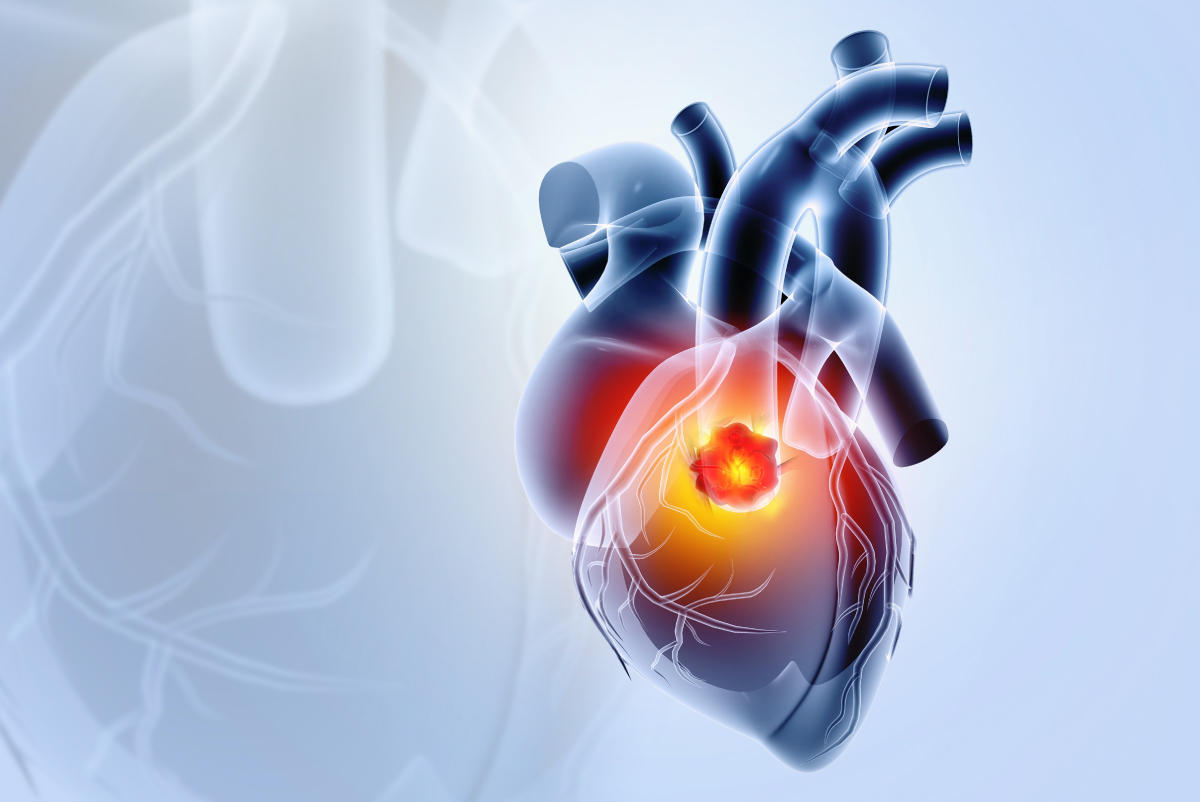
Lush Can Heart Get Cancer Abstract Digital Art
Find inspiration with this unique can heart get cancer illustration, crafted to provide a fresh look for your background.
Exquisite Can Heart Get Cancer Landscape for Desktop
A captivating can heart get cancer scene that brings tranquility and beauty to any device.
Exquisite Can Heart Get Cancer Abstract Art
This gorgeous can heart get cancer photo offers a breathtaking view, making it a perfect choice for your next wallpaper.

Exquisite Can Heart Get Cancer Image for Desktop
This gorgeous can heart get cancer photo offers a breathtaking view, making it a perfect choice for your next wallpaper.
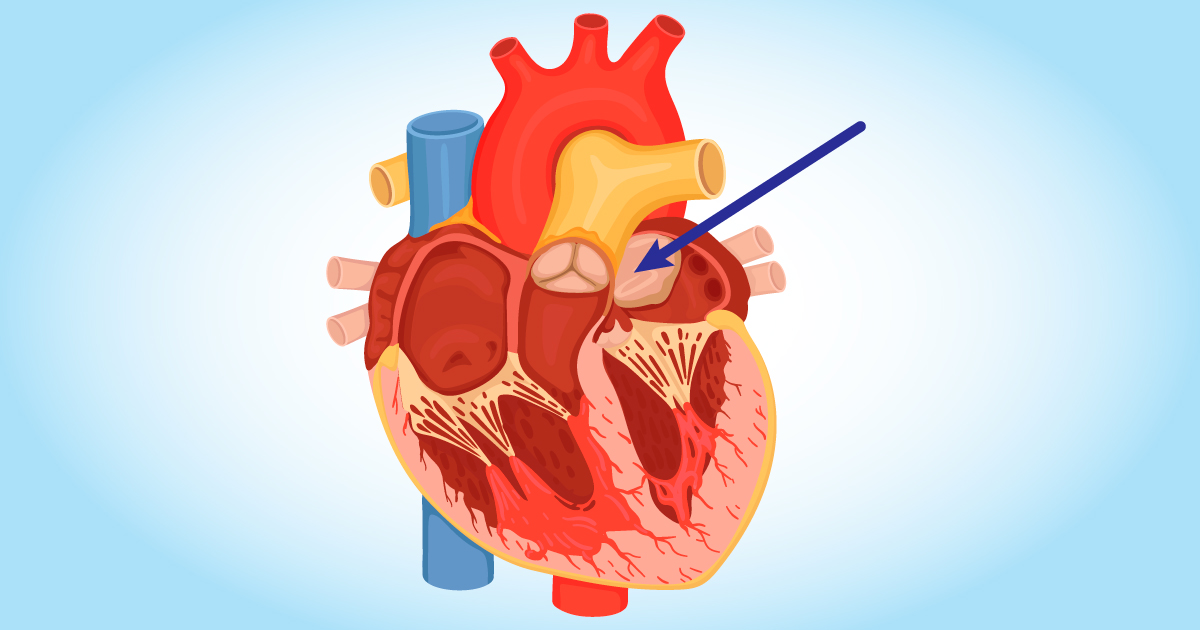
Serene Can Heart Get Cancer Design Art
Transform your screen with this vivid can heart get cancer artwork, a true masterpiece of digital design.
Vibrant Can Heart Get Cancer Landscape Art
Explore this high-quality can heart get cancer image, perfect for enhancing your desktop or mobile wallpaper.

Stunning Can Heart Get Cancer Abstract Illustration
This gorgeous can heart get cancer photo offers a breathtaking view, making it a perfect choice for your next wallpaper.

Vibrant Can Heart Get Cancer Artwork Nature
Experience the crisp clarity of this stunning can heart get cancer image, available in high resolution for all your screens.

Serene Can Heart Get Cancer Wallpaper Nature
Transform your screen with this vivid can heart get cancer artwork, a true masterpiece of digital design.

Serene Can Heart Get Cancer Design in 4K
Explore this high-quality can heart get cancer image, perfect for enhancing your desktop or mobile wallpaper.

Serene Can Heart Get Cancer Background Digital Art
Transform your screen with this vivid can heart get cancer artwork, a true masterpiece of digital design.

Stunning Can Heart Get Cancer Artwork for Mobile
Immerse yourself in the stunning details of this beautiful can heart get cancer wallpaper, designed for a captivating visual experience.

Vibrant Can Heart Get Cancer Background Concept
Explore this high-quality can heart get cancer image, perfect for enhancing your desktop or mobile wallpaper.

Stunning Can Heart Get Cancer Landscape in HD
A captivating can heart get cancer scene that brings tranquility and beauty to any device.

Gorgeous Can Heart Get Cancer Landscape Nature
Immerse yourself in the stunning details of this beautiful can heart get cancer wallpaper, designed for a captivating visual experience.

Spectacular Can Heart Get Cancer Photo Illustration
A captivating can heart get cancer scene that brings tranquility and beauty to any device.

Serene Can Heart Get Cancer Image Concept
Explore this high-quality can heart get cancer image, perfect for enhancing your desktop or mobile wallpaper.

Dynamic Can Heart Get Cancer Wallpaper Concept
Find inspiration with this unique can heart get cancer illustration, crafted to provide a fresh look for your background.

Artistic Can Heart Get Cancer Moment Art
A captivating can heart get cancer scene that brings tranquility and beauty to any device.
Vivid Can Heart Get Cancer Scene Art
Discover an amazing can heart get cancer background image, ideal for personalizing your devices with vibrant colors and intricate designs.
Download these can heart get cancer wallpapers for free and use them on your desktop or mobile devices.