Crimson Desert: The all-you-can-eat video game divides critics
Crimson Desert: The All-You-Can-Eat Video Game Divides Critics
The gaming industry is no stranger to hype, but every few years, a title emerges that seems to promise the entire world—and then some. Currently, that title is Crimson Desert. Developed by the South Korean powerhouse Pearl Abyss, the studio behind the massive hit Black Desert Online, this upcoming open-world action-adventure has become the centerpiece of a heated debate among industry experts and players alike. Is it a revolutionary masterpiece that redefines the genre, or is it a bloated "all-you-can-eat" buffet that risks losing its flavor?
At the recent major gaming expos, including Gamescom and private previews, the demo for Crimson Desert left many breathless. However, the sheer volume of mechanics packed into the experience has led critics to describe it as an "all-you-can-eat" game. Like a buffet where you have sushi next to lasagna and chocolate fondue, Crimson Desert tries to serve everything at once: high-octane combat, intricate physics, stealth, dragon-riding, and deep RPG storytelling. While some see this as the ultimate gaming dream, others fear the game is suffering from a massive identity crisis.
From MMO Roots to a Cinematic Solo Odyssey
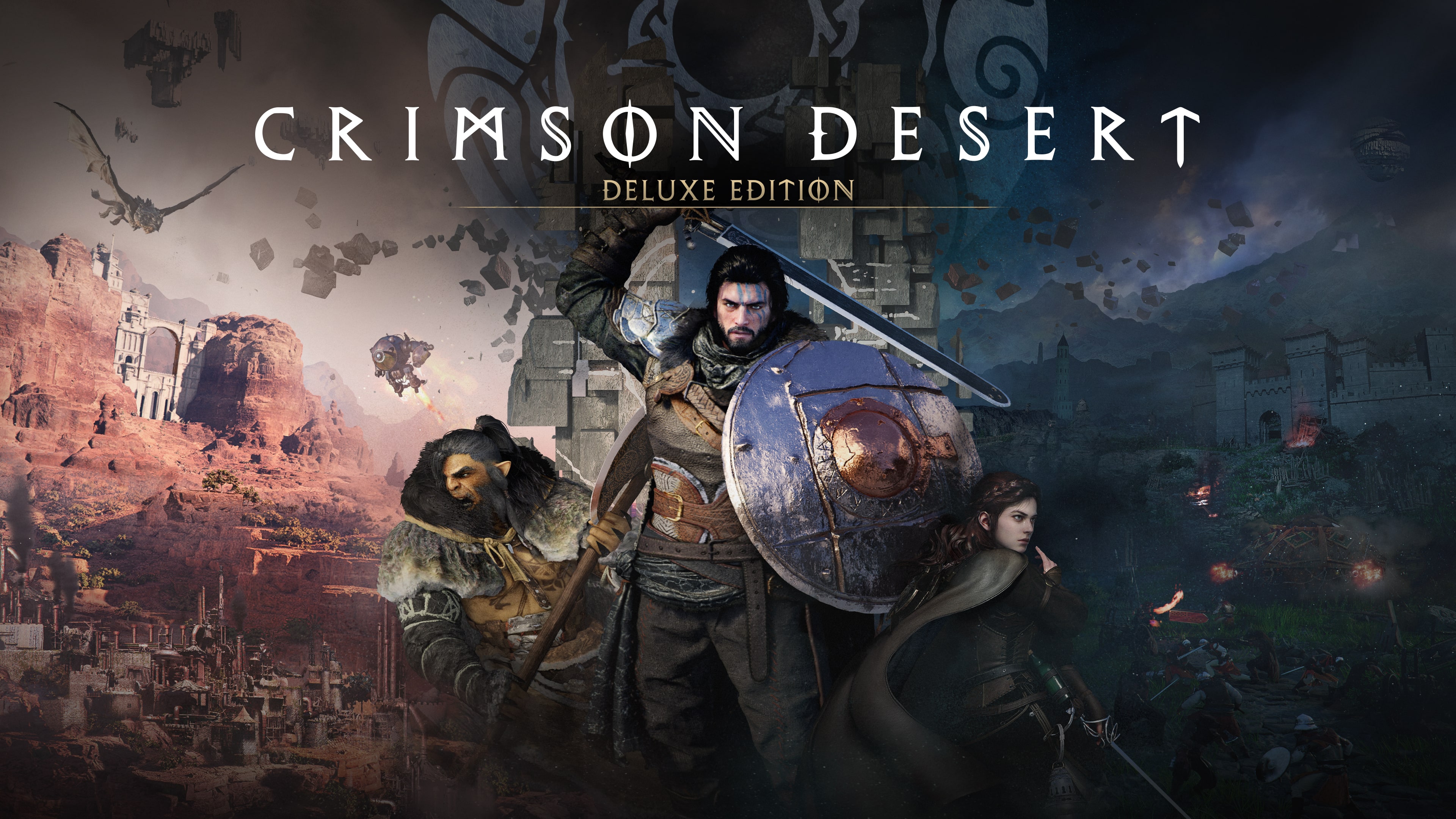
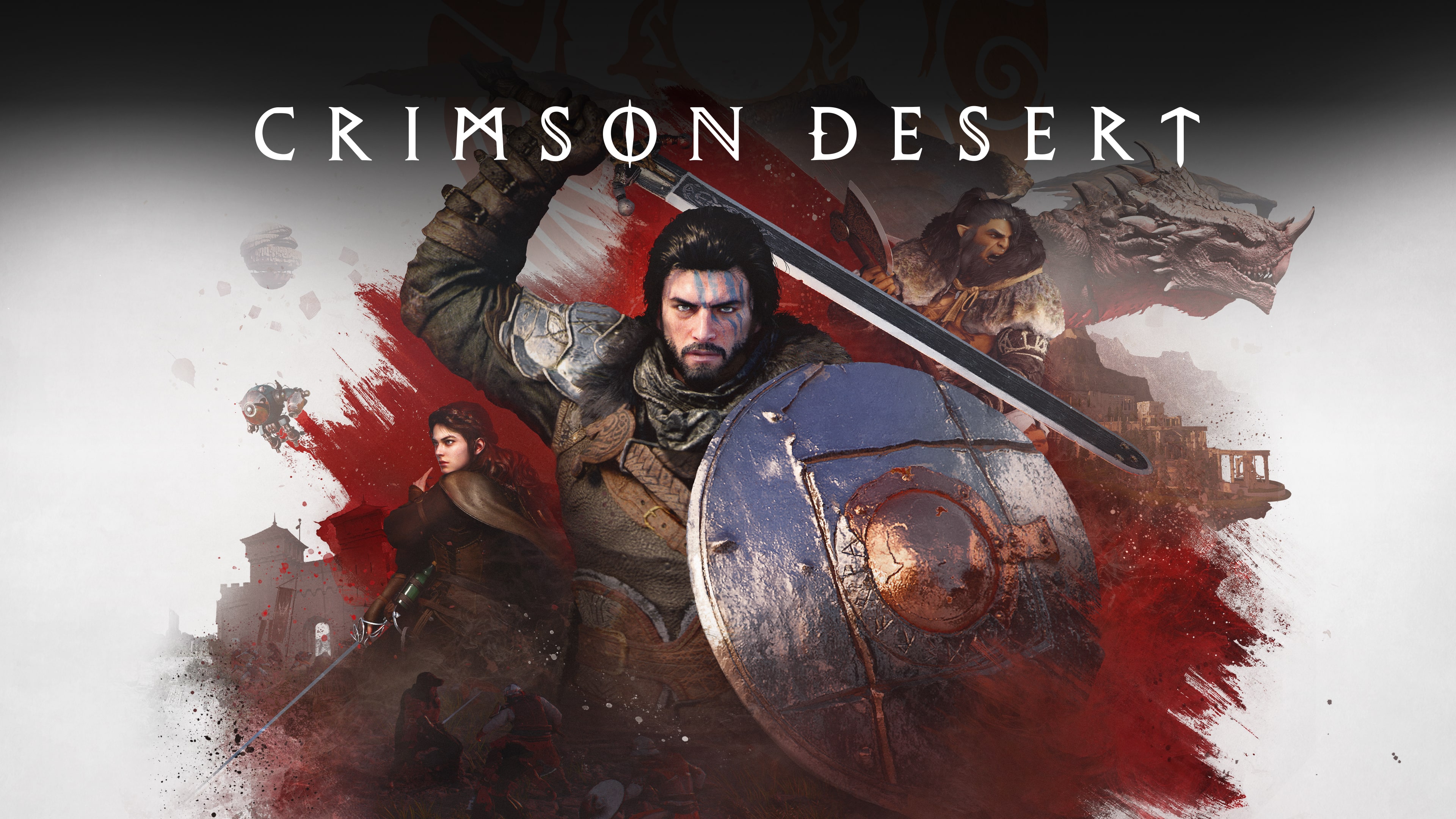
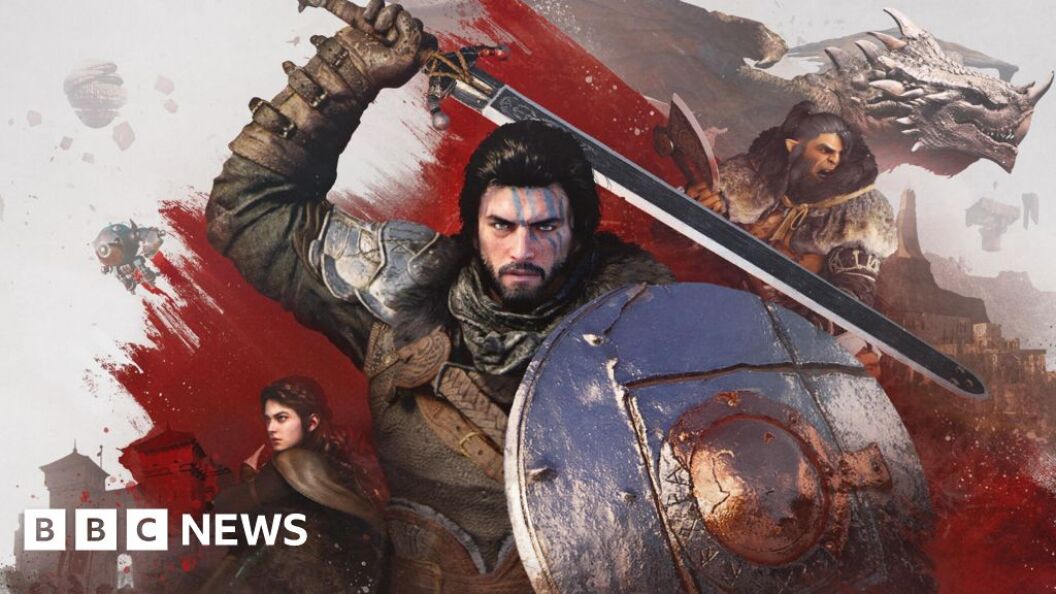
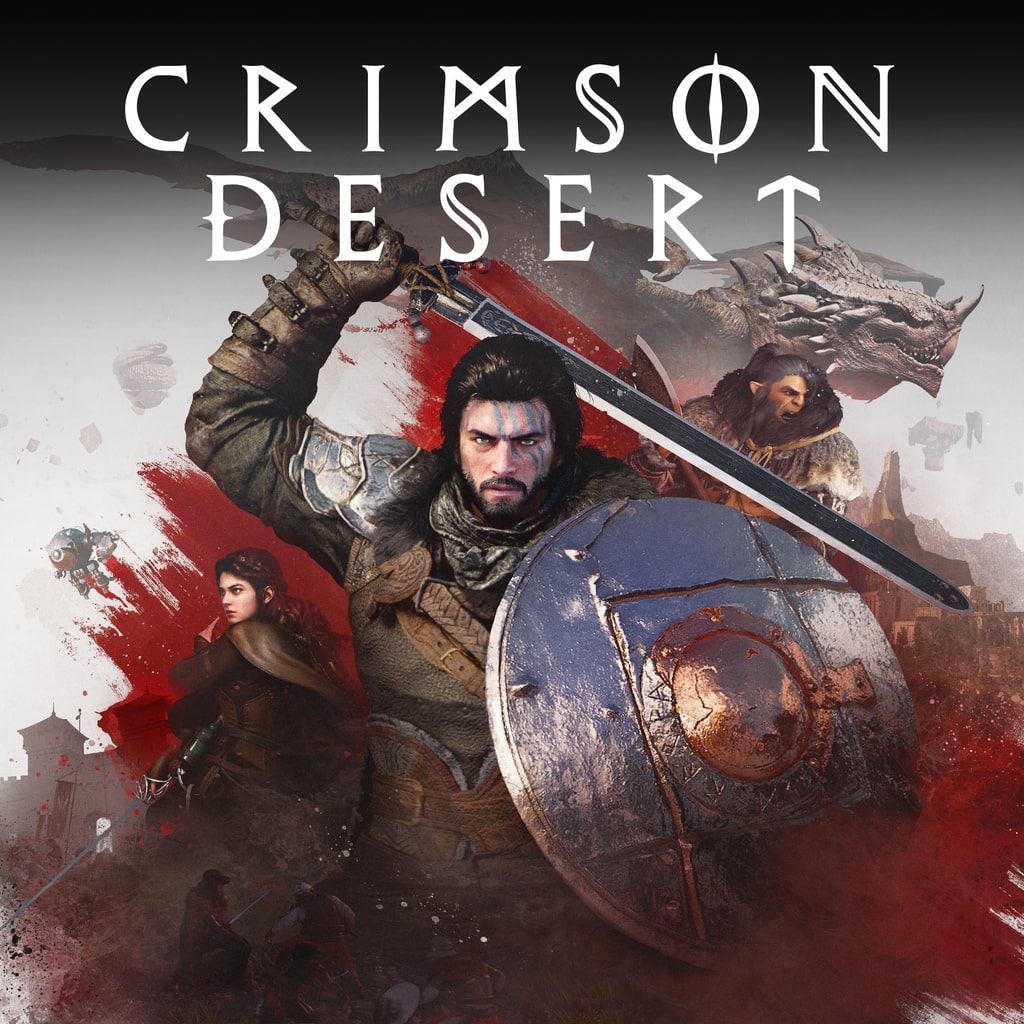
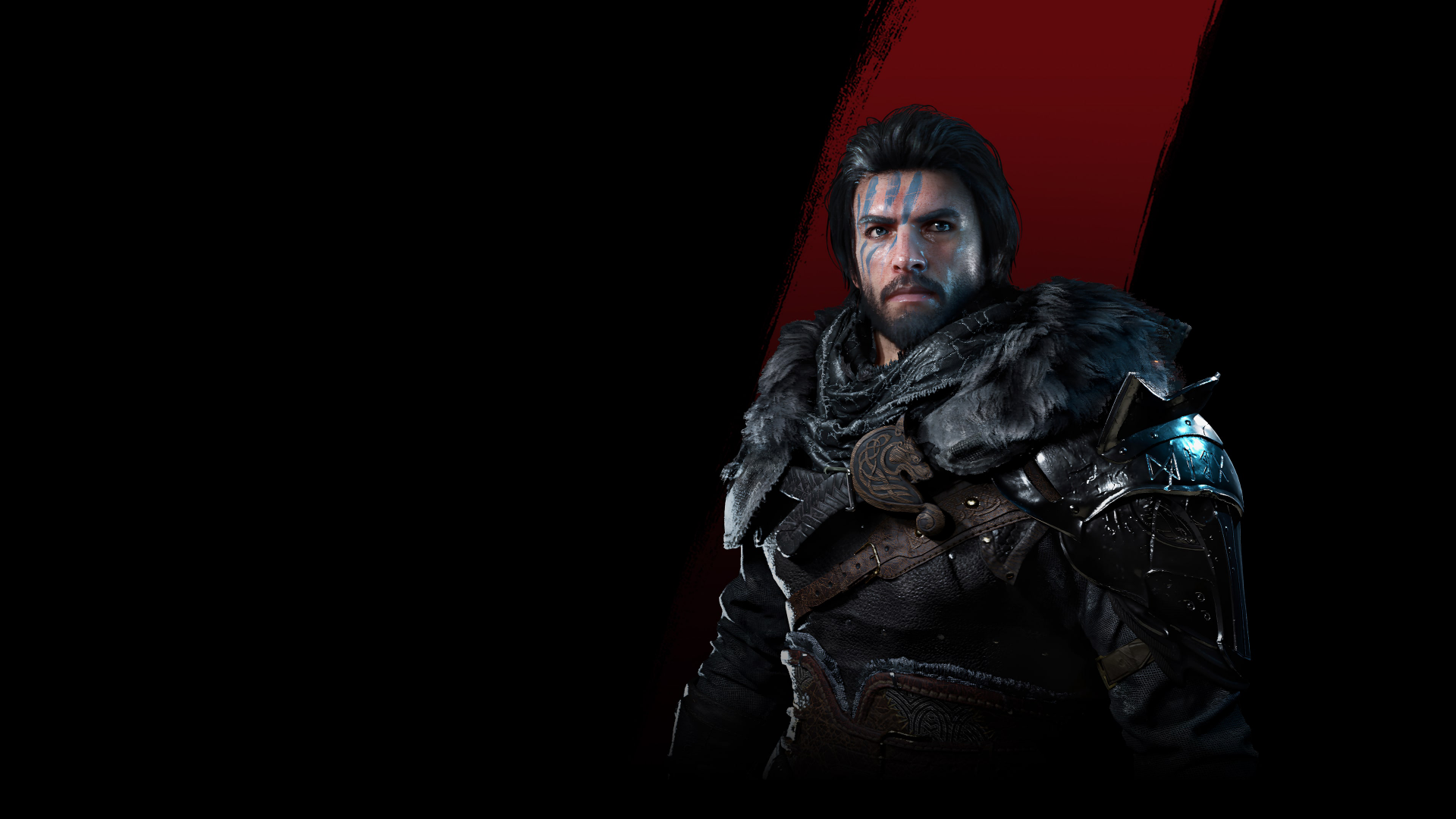
To understand why Crimson Desert is so divisive, we have to look at its evolution. Originally announced as a prequel to the popular MMORPG Black Desert Online, the project eventually shifted gears. Pearl Abyss realized that the story they wanted to tell—the gritty, personal journey of a mercenary named Kliff (or Macduff in some localizations)—needed the focus of a single-player, narrative-driven experience. This pivot immediately raised expectations. Suddenly, Crimson Desert wasn't just a "grind-heavy" MMO; it was being compared to titans like The Witcher 3: Wild Hunt and Red Dead Redemption 2.
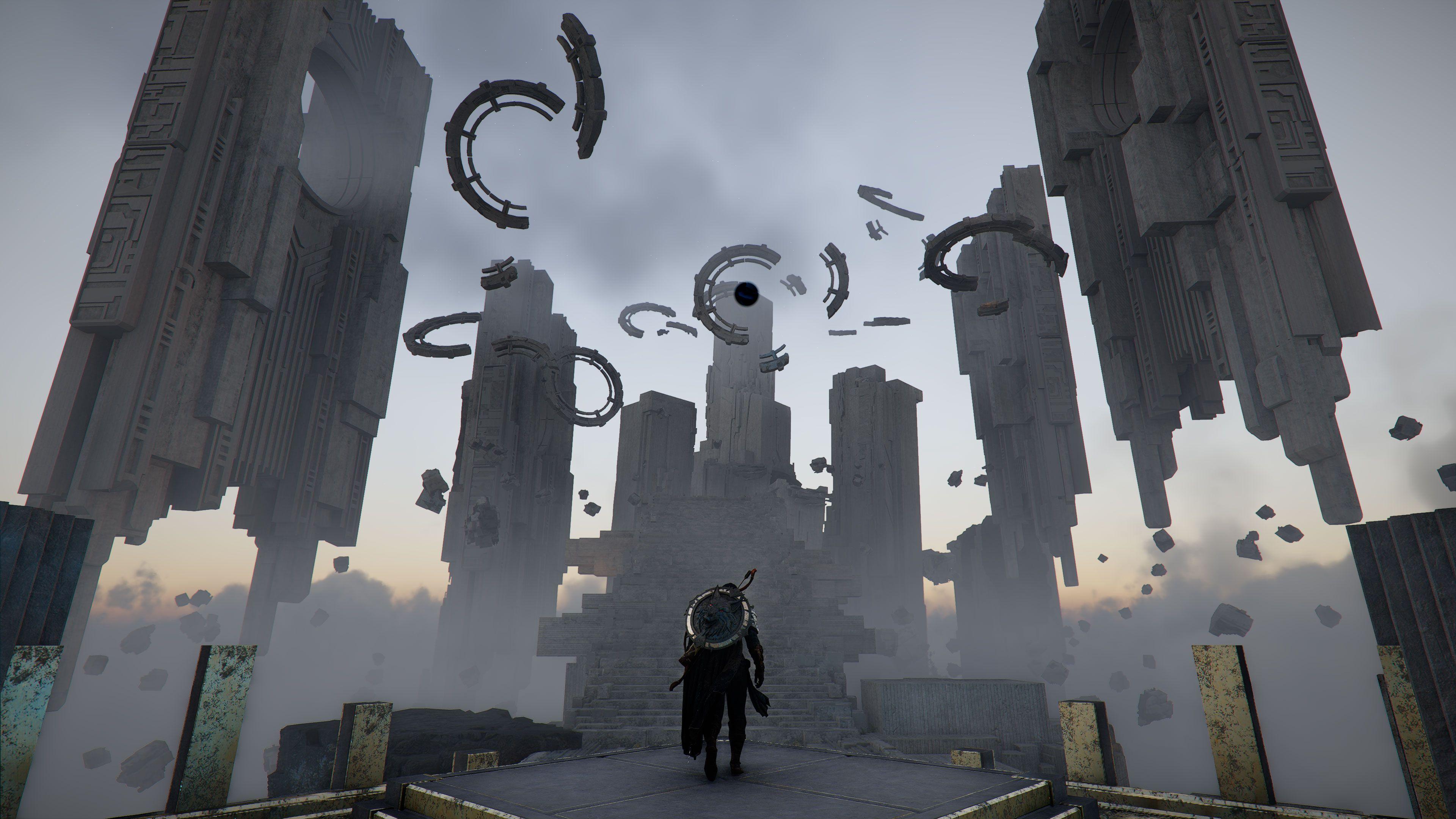
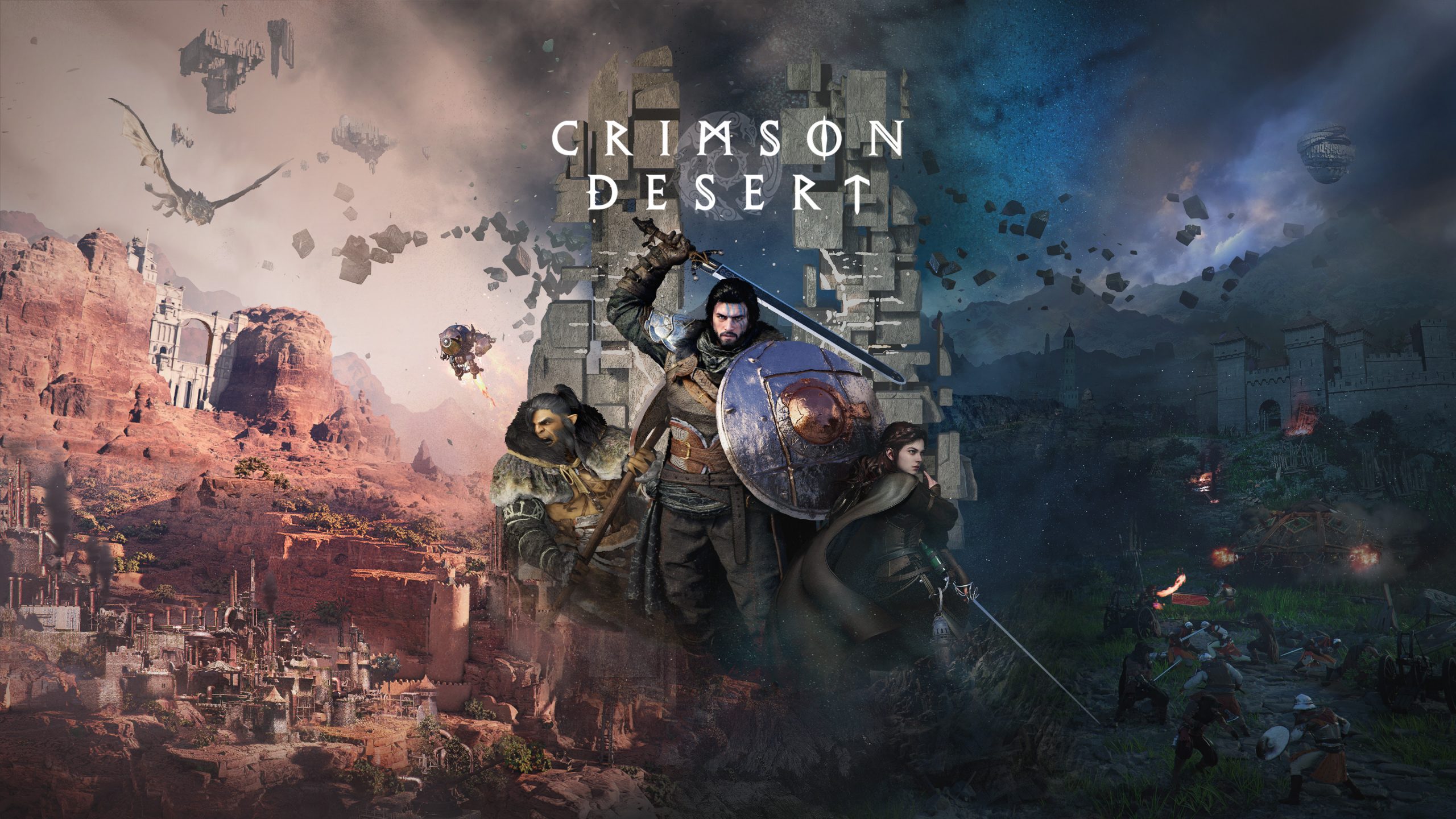
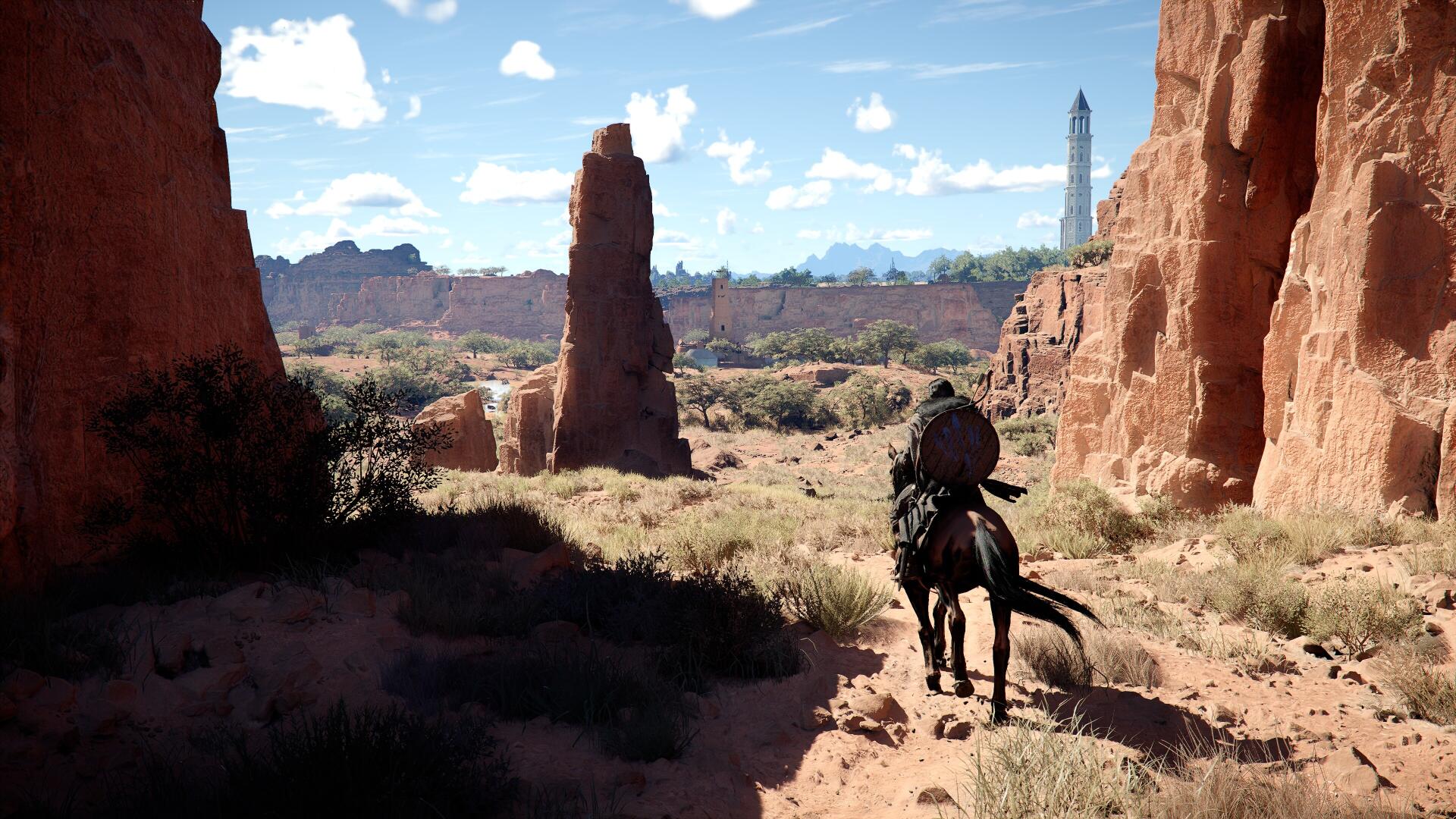
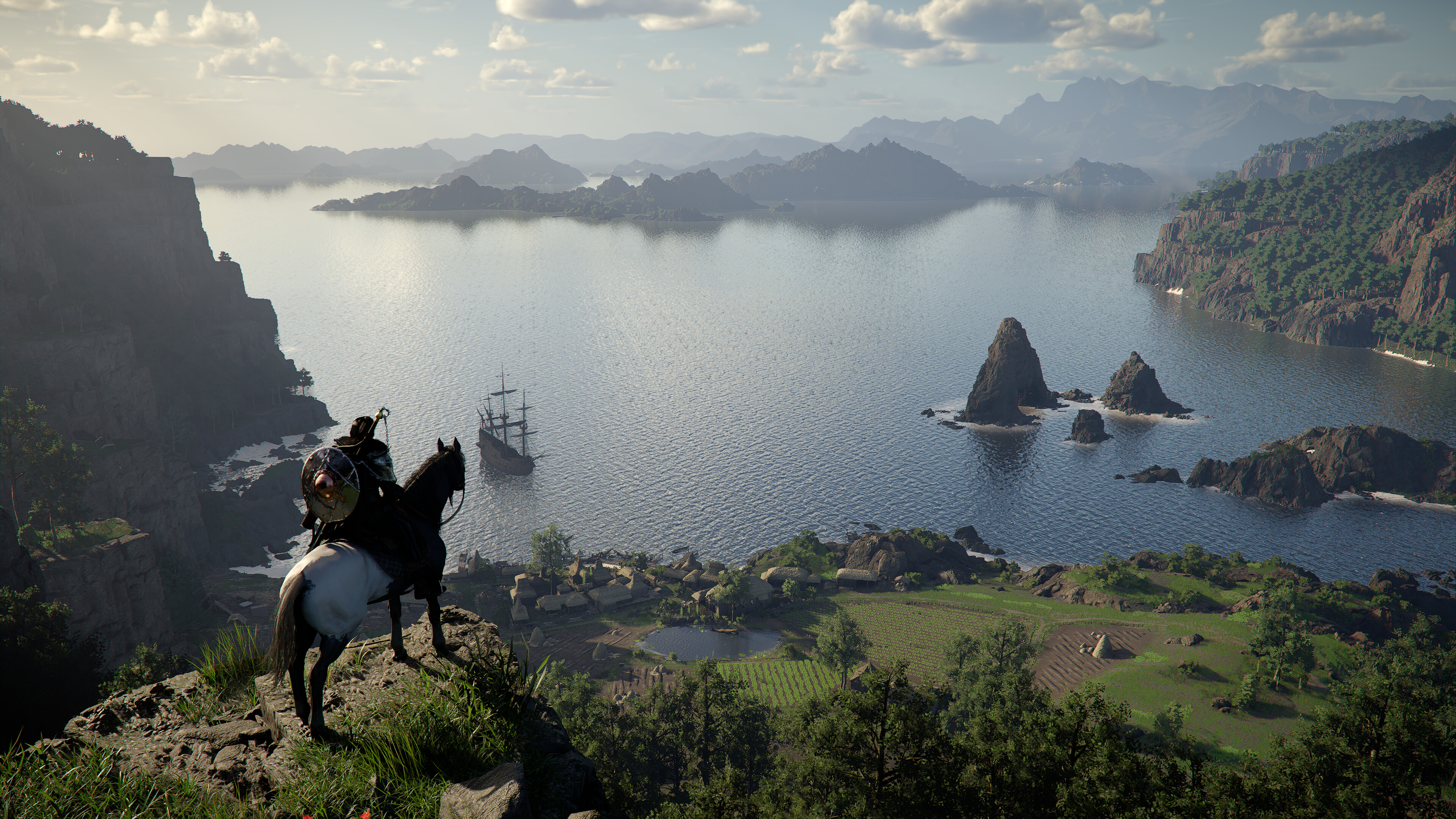
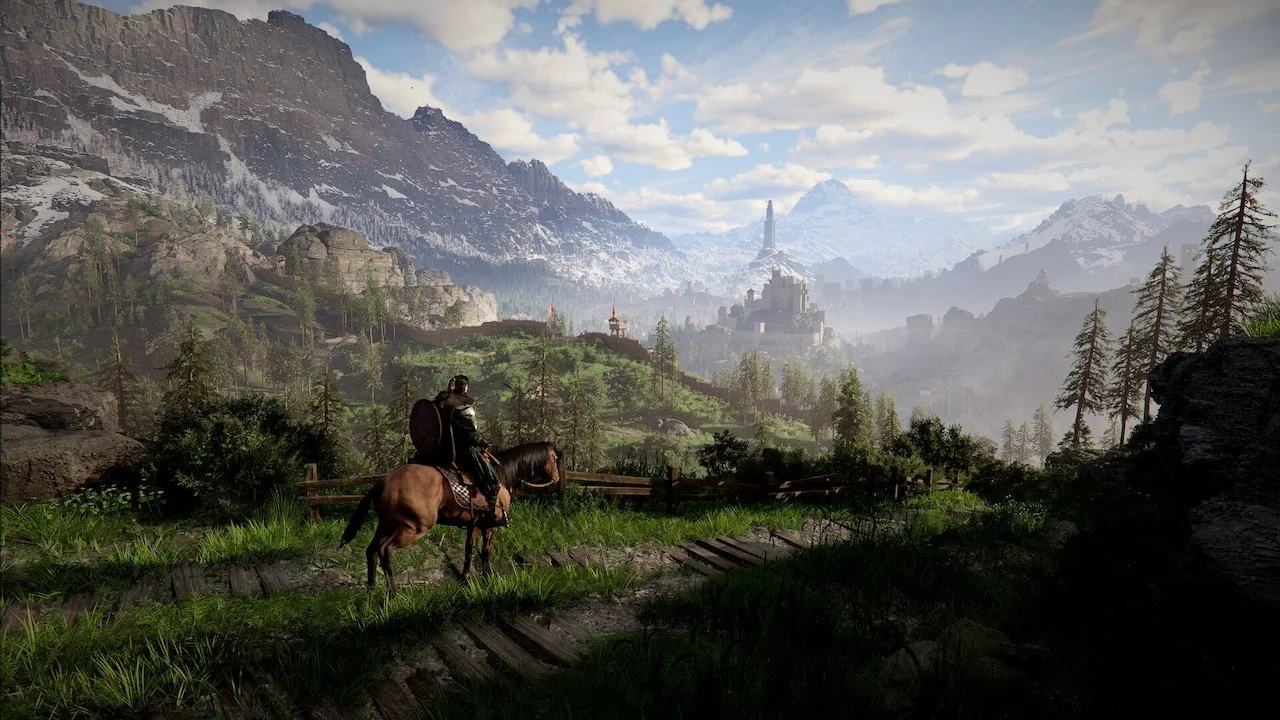
The world of Pywel is breathtakingly beautiful. Built on the proprietary "BlackSpace Engine," the game features lighting and environmental details that push current-gen hardware to its limits. You can see individual strands of fur on a wolf's back and the way snow deforms realistically under a character's boots. For many critics, the visual fidelity alone is enough to justify the hype. However, the transition from a multiplayer foundation to a cinematic solo journey has left some "ghosts" of its MMO past, such as complex UI elements and a combat system that feels remarkably different from traditional Western RPGs.
Imagine walking through a medieval marketplace. In many games, this is just background noise. In Crimson Desert, the developers want you to interact with everything. You can pick up an apple, engage in a brawl with a drunkard, or jump onto a rooftop using parkour mechanics reminiscent of Assassin's Creed. This level of interaction is what Pearl Abyss calls an "organic world," but critics argue that having so many systems running simultaneously can feel overwhelming rather than immersive.
- Genre Blending: Combines elements of Soulslike boss fights, character-driven narrative, and open-world exploration.
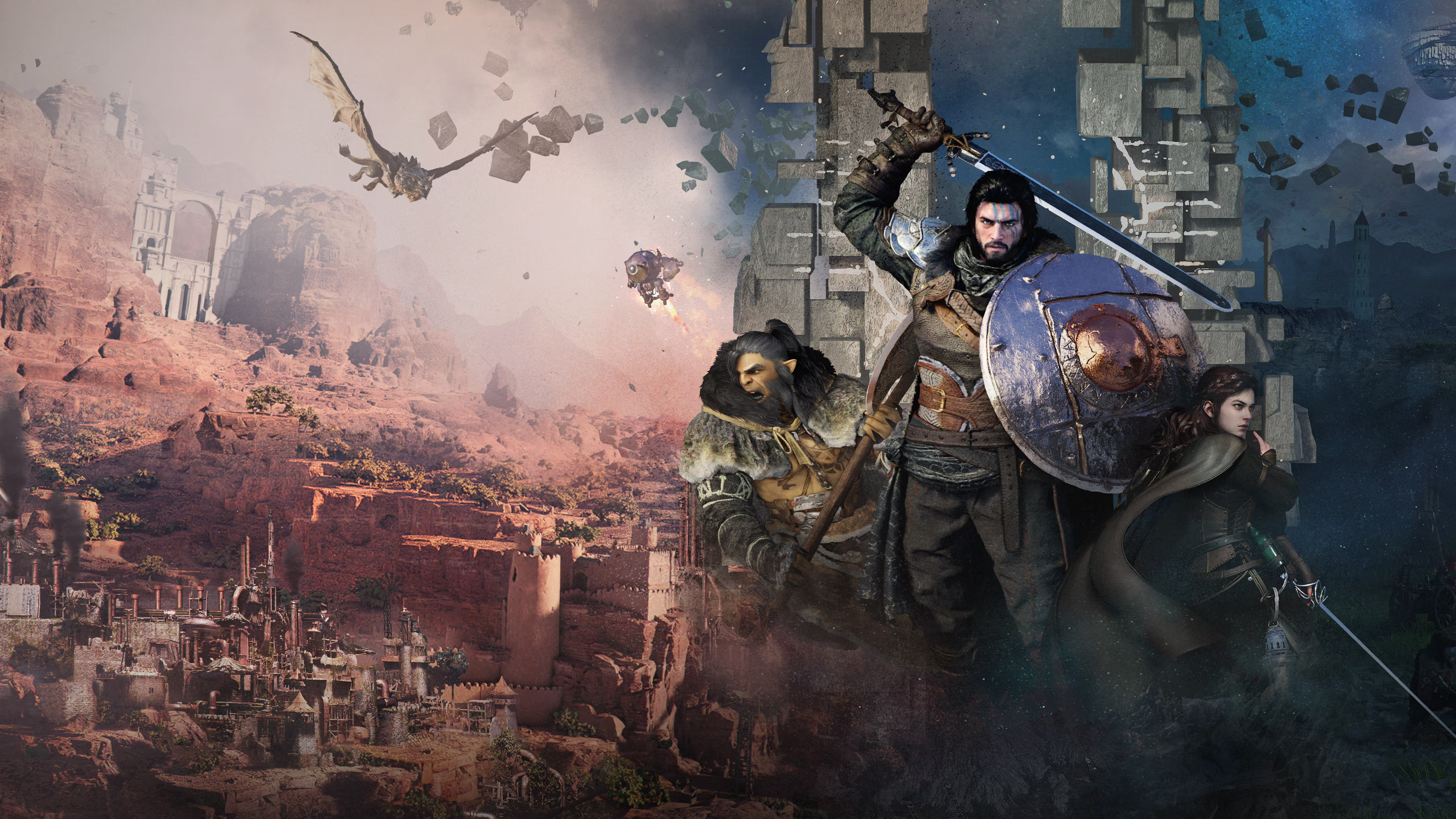
- The Protagonist: Players follow Kliff, a leader of the Greymanes, navigating a world of political betrayal.
- Technological Leap: Uses a custom engine designed specifically for high-fidelity physics and global illumination.
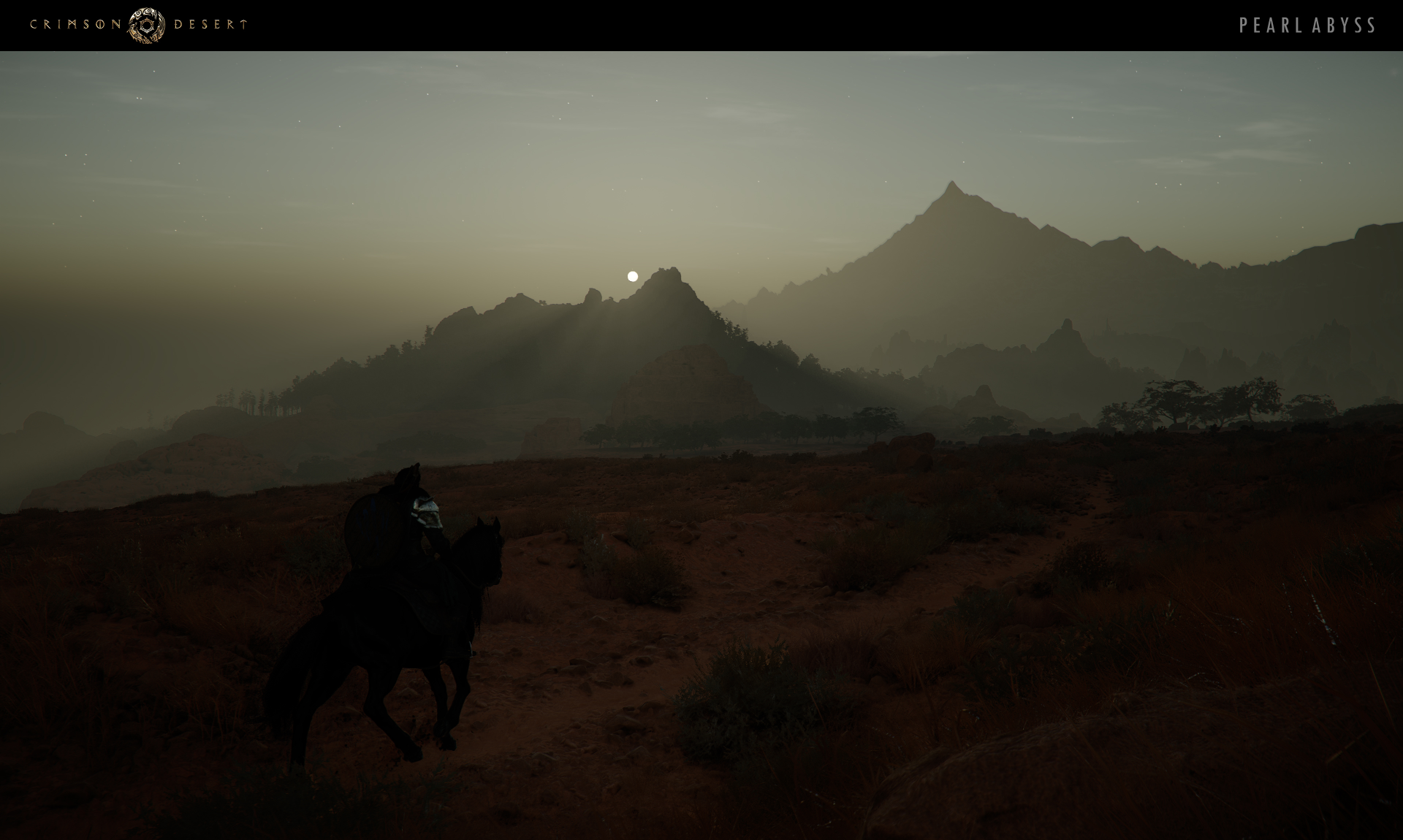
- Scope: Offers a vast map with diverse biomes, from frozen tundras to lush plains and scorched deserts.
The Combat Conundrum: Complexity vs. Clutter
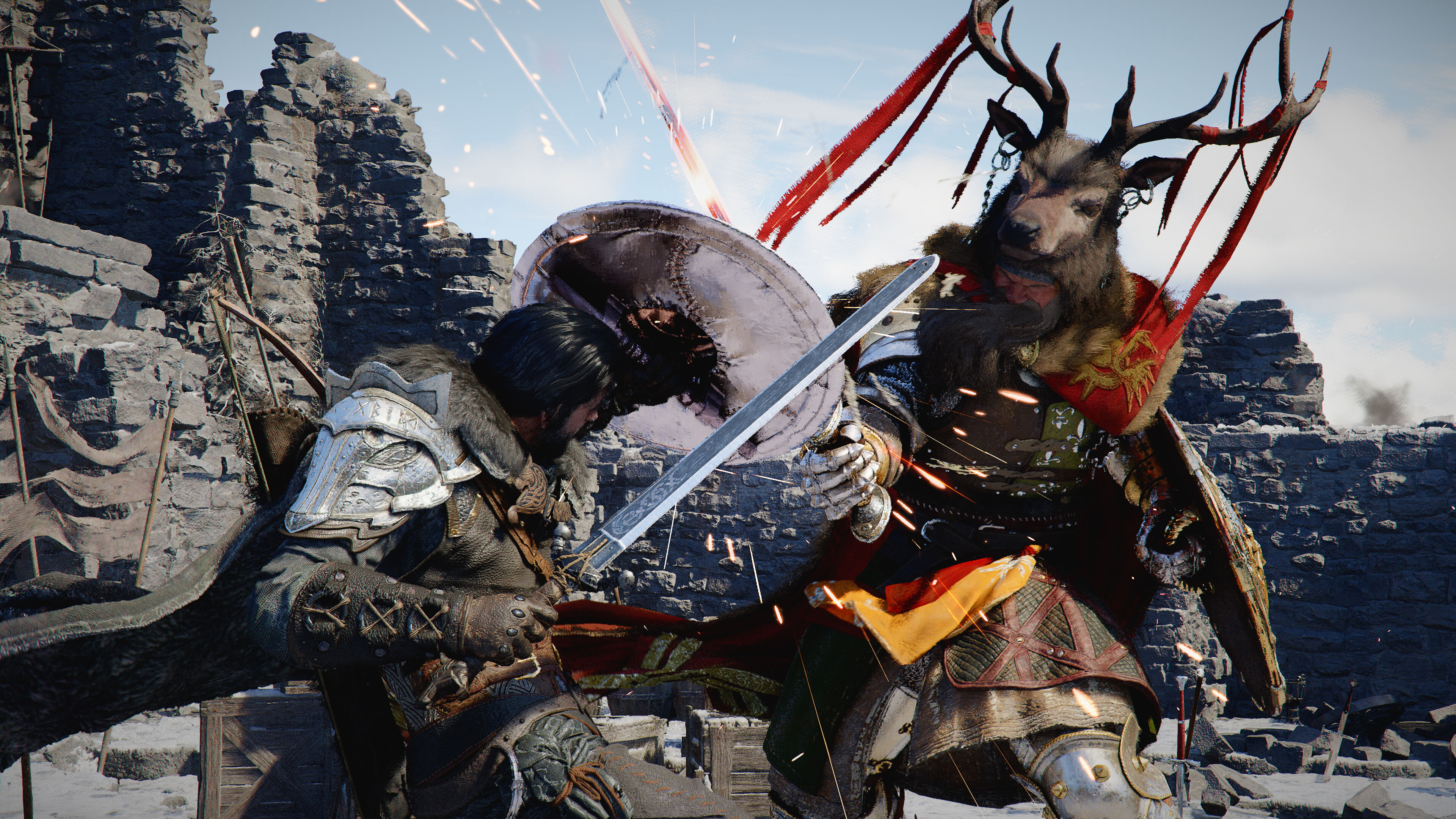
The most polarizing aspect of Crimson Desert is undoubtedly its combat system. If you watch a gameplay trailer, you might see Kliff performing a professional wrestling move on a bandit, then immediately transitioning into a flashy sword combo, followed by an elemental magic spell. It is chaotic, fast-paced, and visually spectacular. For some, it is the most innovative combat system in years. For others, it is a cluttered mess of button prompts and overlapping mechanics.
Let's look at a "storytelling" example from a recent hands-on preview. During a battle against a massive boss known as the White Horn—a towering, yeti-like creature—the player is required to use multiple systems at once. You aren't just swinging a sword. You are grappling onto the creature's fur (à la Shadow of the Colossus), dodging area-of-effect ice attacks, and using the environment to your advantage. At one point, the player might find themselves flying through the air after being launched, only to transform into a black cloud to maneuver back into the fight.
Critics who enjoyed the demo praised the "freedom of expression" in combat. They argue that most modern games are too restrictive, and Crimson Desert allows players to solve problems in creative ways. If you want to drop-kick an orc off a cliff instead of parrying his axe, you can. However, the "all-you-can-eat" critique stems from the fact that the control scheme is incredibly dense. There are different button combinations for grabs, throws, parries, spells, and environmental interactions. This leads to a steep learning curve that might alienate casual players who just want to enjoy the story.
Furthermore, the LSI (Latent Semantic Indexing) keywords surrounding the game often point to "performance issues." During high-intensity combat scenes, even the most powerful demo rigs have shown signs of frame rate drops. When you have a game that tries to do everything—physics-based destruction, high-end particles, and complex AI—the hardware often struggles to keep up. This has led to concerns that the final product might be "too big for its own good," leading to a fragmented experience where no single mechanic feels fully polished.
A Visual Masterpiece or a Technical Nightmare?
There is no denying that Crimson Desert is one of the most visually ambitious projects currently in development. Every trailer released by Pearl Abyss feels like a technical showcase. The way the wind interacts with the grass, the realistic splashing of mud during a horse chase, and the cinematic camera angles during dialogue sequences all scream "triple-A prestige." But in the modern gaming landscape, "beautiful" doesn't always mean "functional."
The debate among critics often centers on the trade-off between ambition and stability. Some journalists have noted that while the game looks like a "Next-Gen" dream, the "everything but the kitchen sink" philosophy leads to technical hiccups. For instance, the physics engine is so reactive that sometimes objects clip through each other, or the character's movement feels "floaty" when transitioning between different terrains. It's a classic case of the "All-You-Can-Eat" dilemma: when you try to serve every dish at once, some might come out undercooked.
Despite these concerns, the storytelling potential is immense. Pearl Abyss is leaning heavily into the "Mercenary" fantasy. You aren't a chosen hero saving the world from an ancient evil; you are a man trying to survive in a harsh land where everyone has an agenda. This grounded approach to narrative is what keeps many critics optimistic. The world of Pywel feels lived-in. You see the effects of war on the villages and the desperation in the eyes of the NPCs. This narrative weight provides the necessary "salt" to balance the "sweet" of the over-the-top combat.
Key features that critics are watching closely include:
- Physics-Based Interaction: Can you really destroy structures to defeat enemies, or is it scripted?
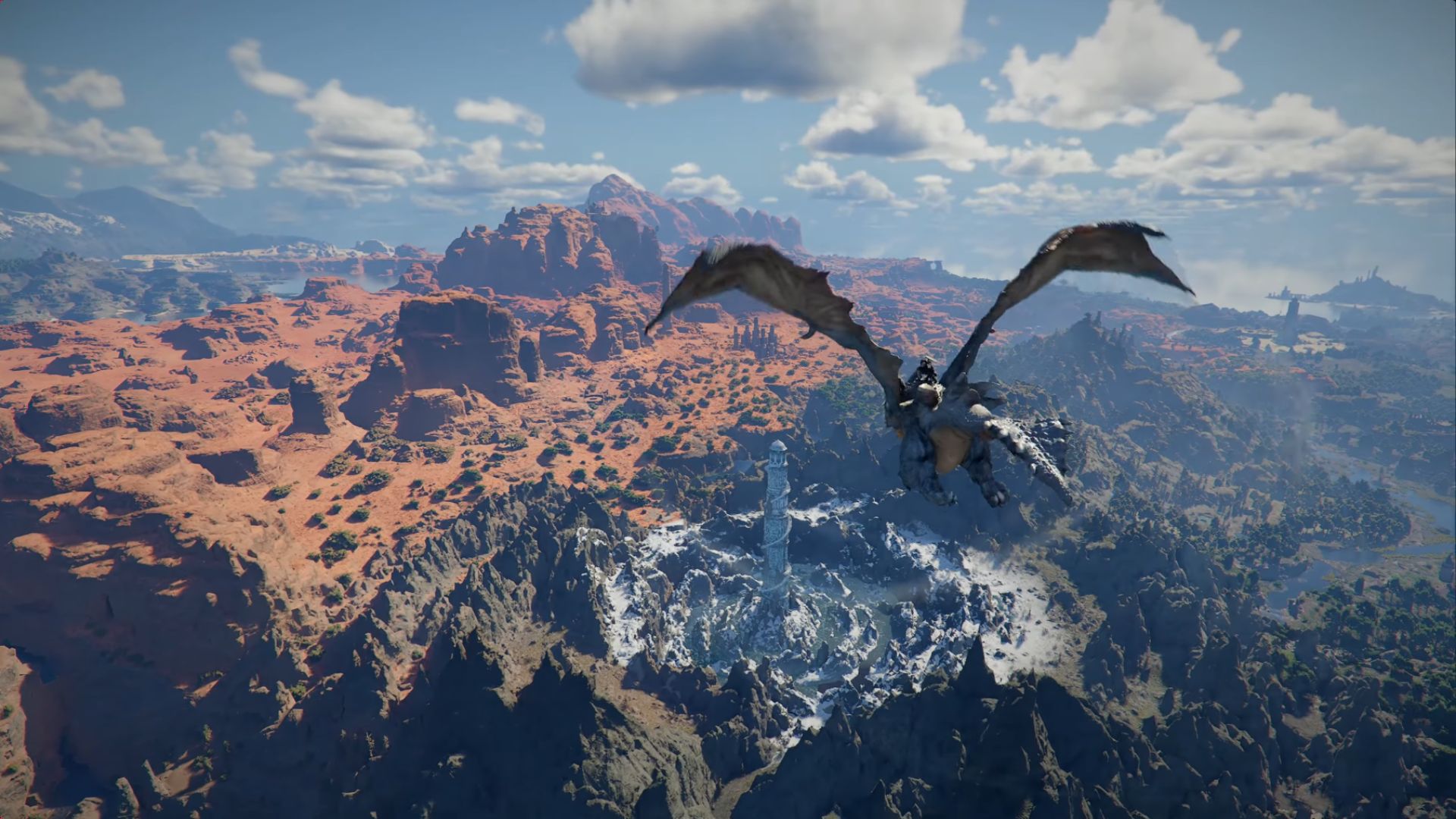
- Traversal: The ability to fly on mystical creatures and use a "magical" paraglider adds a layer of verticality similar to The Legend of Zelda: Tears of the Kingdom.
- AI Behavior: Enemies react to the player's movements and can even be intimidated or tricked using the environment.
- Quest Design: Will the game avoid the "fetch quest" fatigue common in large open-world RPGs?
Why Critics are Torn: The Identity Crisis of Pywel
So, why exactly does Crimson Desert divide critics so sharply? It boils down to a fundamental disagreement on what a modern video game should be. On one side, we have the "Maximalists." These are critics and players who believe that more is always better. They want a game that replaces five other games. They want the combat of Devil May Cry, the world-building of The Witcher, the exploration of Zelda, and the cinematic quality of The Last of Us. To them, Crimson Desert is a bold attempt to create the "Ultimate Game."
On the other side are the "Minimalists" or "Specialists." These critics argue that the best games are those that do one or two things perfectly. They look at Crimson Desert and see a project that lacks focus. They worry that by trying to be everything to everyone, the game fails to establish its own unique identity. Is it a gritty medieval sim? A high-fantasy magic romp? A pro-wrestling brawler? When the tone shifts so rapidly, it can be difficult for the player to stay emotionally invested.
Consider the "Black Spirit" mechanic, a carryover from Black Desert. This supernatural element allows for flashy, reality-bending powers. However, it often clashes with the grounded, "blood and dirt" mercenary story. Critics have pointed out that one moment you are negotiating a realistic hostage situation, and the next, you are teleporting through the air like a superhero. This tonal whiplash is exactly why the "all-you-can-eat" label is so fitting—it's a mix of flavors that don't always complement each other.
However, we must also consider the cultural context. South Korean game development is currently having a "moment" on the global stage, following the success of titles like Lies of P and Stellar Blade. These games are known for their high technical polish and intense combat. Pearl Abyss is clearly aiming to be the leader of this new wave. Even if the game is polarizing, its ambition is a breath of fresh air in an industry that has recently become dominated by safe, iterative sequels and "live service" clones.
In conclusion, Crimson Desert is a gamble. It is a massive, expensive, and incredibly complex bet on the idea that players want a game that refuses to compromise on anything. Whether it becomes a legendary title that defines a generation or a cautionary tale of over-ambition remains to be seen. What is certain, however, is that no one will be able to call it "boring." As we move closer to its release date, the gaming world will be watching Pywel with bated breath, waiting to see if this "all-you-can-eat" feast is a culinary masterpiece or simply too much to swallow.
Keep an eye on upcoming state-of-play events and developer deep dives. The conversation surrounding Crimson Desert is far from over, and as more gameplay footage emerges, the divide among critics is only likely to grow. For now, the hype train is moving at full speed, and Pywel awaits its mercenaries.
Crimson Desert: The all-you-can-eat video game divides critics
Crimson Desert: The all-you-can-eat video game divides critics Wallpapers
Collection of crimson desert: the all-you-can-eat video game divides critics wallpapers for your desktop and mobile devices.
Breathtaking Crimson Desert: The All-you-can-eat Video Game Divides Critics Abstract in HD
Experience the crisp clarity of this stunning crimson desert: the all-you-can-eat video game divides critics image, available in high resolution for all your screens.
Vibrant Crimson Desert: The All-you-can-eat Video Game Divides Critics Scene Digital Art
Discover an amazing crimson desert: the all-you-can-eat video game divides critics background image, ideal for personalizing your devices with vibrant colors and intricate designs.
Spectacular Crimson Desert: The All-you-can-eat Video Game Divides Critics Design Collection
Find inspiration with this unique crimson desert: the all-you-can-eat video game divides critics illustration, crafted to provide a fresh look for your background.
Detailed Crimson Desert: The All-you-can-eat Video Game Divides Critics Wallpaper in HD
Transform your screen with this vivid crimson desert: the all-you-can-eat video game divides critics artwork, a true masterpiece of digital design.

Amazing Crimson Desert: The All-you-can-eat Video Game Divides Critics Scene in 4K
Transform your screen with this vivid crimson desert: the all-you-can-eat video game divides critics artwork, a true masterpiece of digital design.
Serene Crimson Desert: The All-you-can-eat Video Game Divides Critics Abstract Collection
Transform your screen with this vivid crimson desert: the all-you-can-eat video game divides critics artwork, a true masterpiece of digital design.
Captivating Crimson Desert: The All-you-can-eat Video Game Divides Critics Artwork Digital Art
Find inspiration with this unique crimson desert: the all-you-can-eat video game divides critics illustration, crafted to provide a fresh look for your background.
Lush Crimson Desert: The All-you-can-eat Video Game Divides Critics Landscape for Your Screen
A captivating crimson desert: the all-you-can-eat video game divides critics scene that brings tranquility and beauty to any device.
Artistic Crimson Desert: The All-you-can-eat Video Game Divides Critics Landscape in HD
This gorgeous crimson desert: the all-you-can-eat video game divides critics photo offers a breathtaking view, making it a perfect choice for your next wallpaper.
Serene Crimson Desert: The All-you-can-eat Video Game Divides Critics Scene for Your Screen
Discover an amazing crimson desert: the all-you-can-eat video game divides critics background image, ideal for personalizing your devices with vibrant colors and intricate designs.
Exquisite Crimson Desert: The All-you-can-eat Video Game Divides Critics Abstract Photography
A captivating crimson desert: the all-you-can-eat video game divides critics scene that brings tranquility and beauty to any device.
Amazing Crimson Desert: The All-you-can-eat Video Game Divides Critics Capture in HD
Transform your screen with this vivid crimson desert: the all-you-can-eat video game divides critics artwork, a true masterpiece of digital design.
Spectacular Crimson Desert: The All-you-can-eat Video Game Divides Critics Landscape Digital Art
Immerse yourself in the stunning details of this beautiful crimson desert: the all-you-can-eat video game divides critics wallpaper, designed for a captivating visual experience.
Gorgeous Crimson Desert: The All-you-can-eat Video Game Divides Critics Design Nature
Immerse yourself in the stunning details of this beautiful crimson desert: the all-you-can-eat video game divides critics wallpaper, designed for a captivating visual experience.
Beautiful Crimson Desert: The All-you-can-eat Video Game Divides Critics Wallpaper Art
Transform your screen with this vivid crimson desert: the all-you-can-eat video game divides critics artwork, a true masterpiece of digital design.

Vibrant Crimson Desert: The All-you-can-eat Video Game Divides Critics Picture for Your Screen
Transform your screen with this vivid crimson desert: the all-you-can-eat video game divides critics artwork, a true masterpiece of digital design.

Serene Crimson Desert: The All-you-can-eat Video Game Divides Critics Image in HD
Explore this high-quality crimson desert: the all-you-can-eat video game divides critics image, perfect for enhancing your desktop or mobile wallpaper.
Captivating Crimson Desert: The All-you-can-eat Video Game Divides Critics Moment in 4K
A captivating crimson desert: the all-you-can-eat video game divides critics scene that brings tranquility and beauty to any device.
Mesmerizing Crimson Desert: The All-you-can-eat Video Game Divides Critics Capture Art
Discover an amazing crimson desert: the all-you-can-eat video game divides critics background image, ideal for personalizing your devices with vibrant colors and intricate designs.
Beautiful Crimson Desert: The All-you-can-eat Video Game Divides Critics Picture for Desktop
Experience the crisp clarity of this stunning crimson desert: the all-you-can-eat video game divides critics image, available in high resolution for all your screens.
Download these crimson desert: the all-you-can-eat video game divides critics wallpapers for free and use them on your desktop or mobile devices.