Full Software Life Cycle
Stop Project Failures: Mastering the Full Software Life Cycle from Idea to Deployment
If you've ever been involved in software development, you know that great ideas often crash and burn during execution. Why? Usually, the failure lies in a disorganized, non-standardized process. This is where the concept of the Full Software Life Cycle (FSLC) steps in.
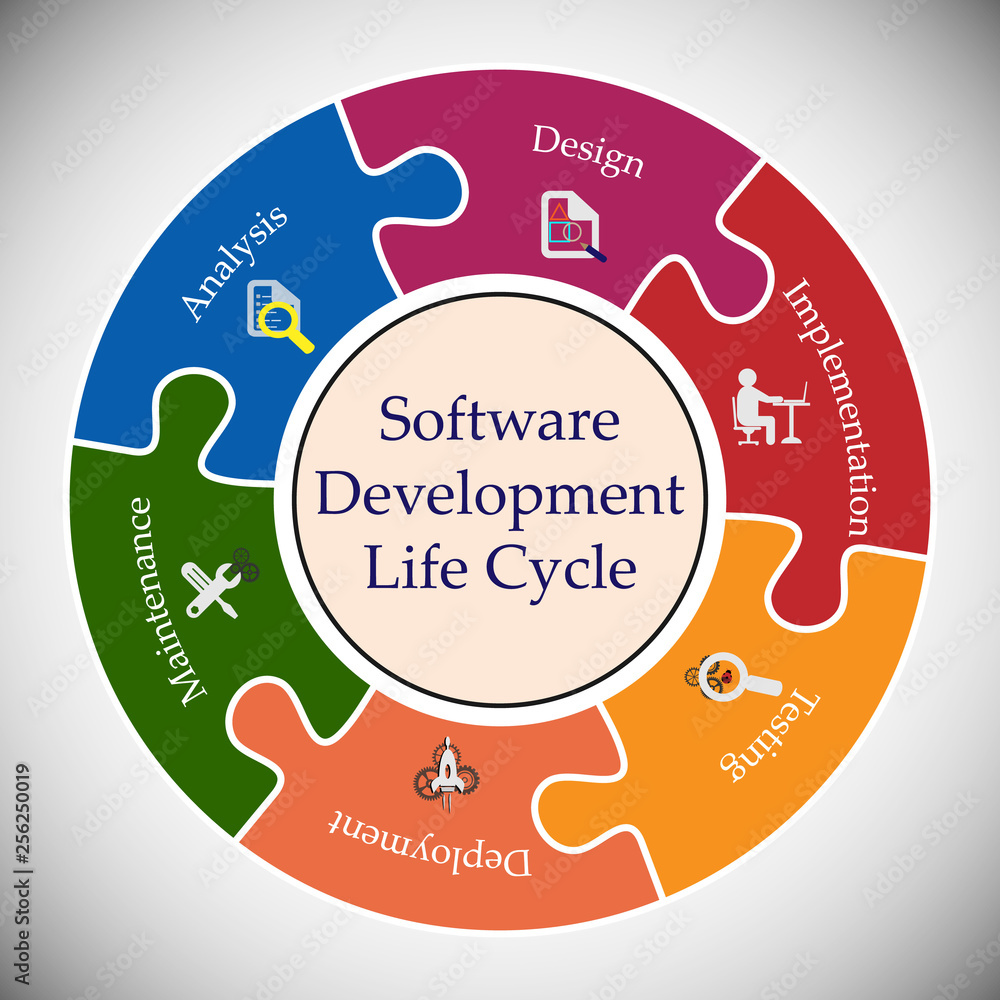
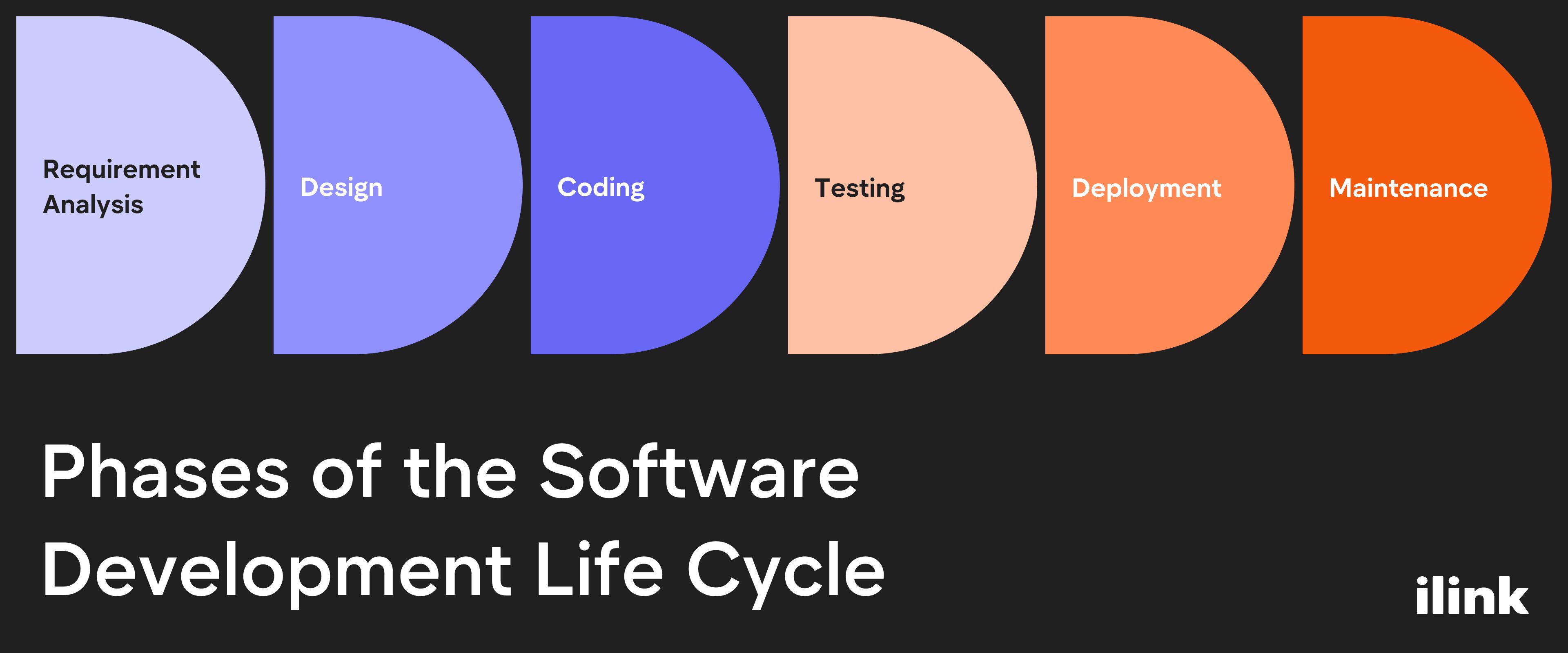
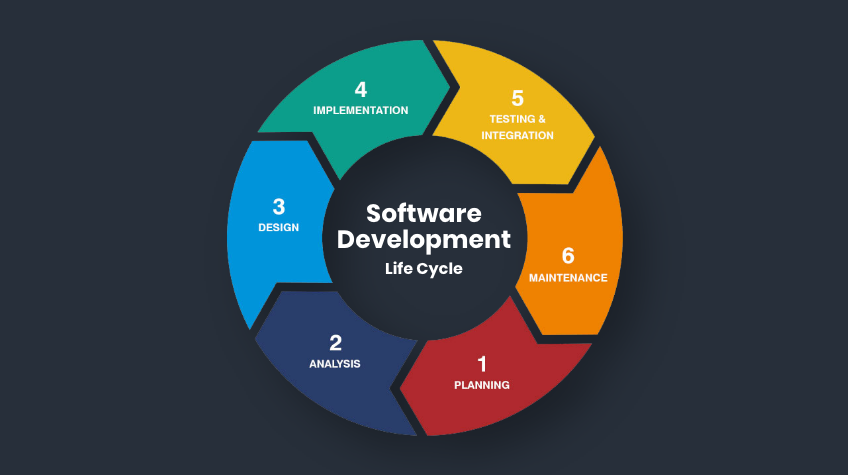
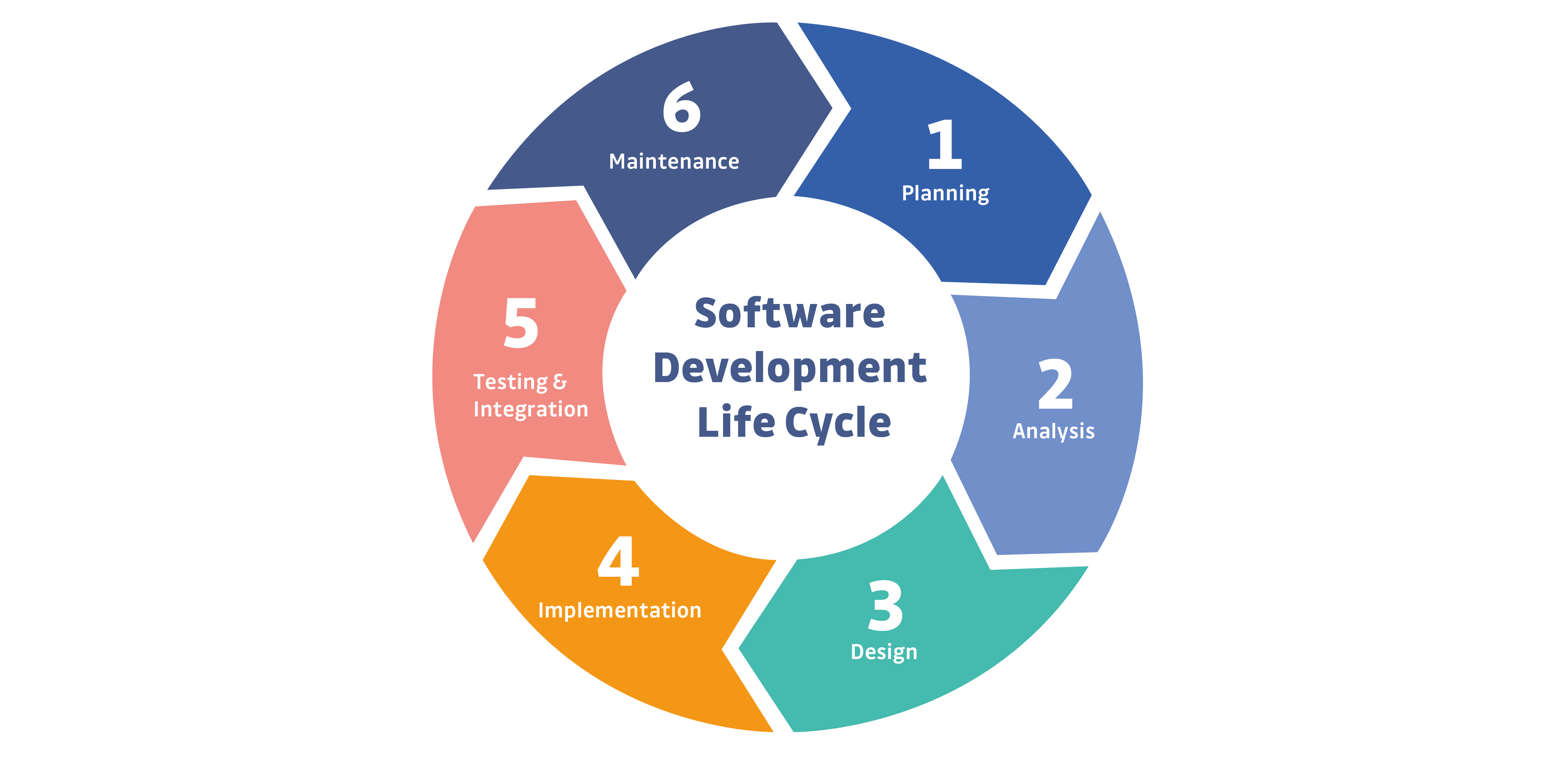
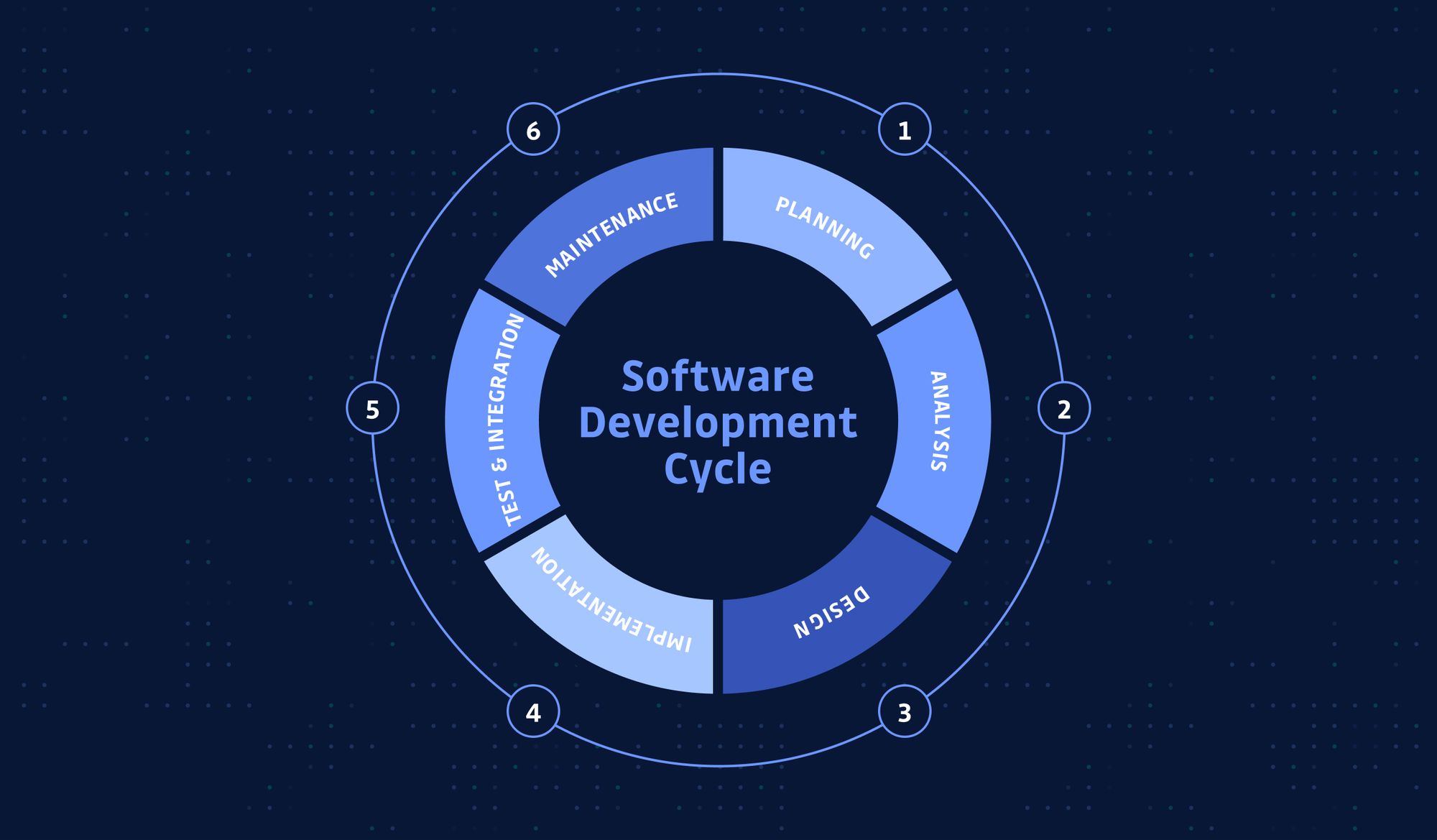
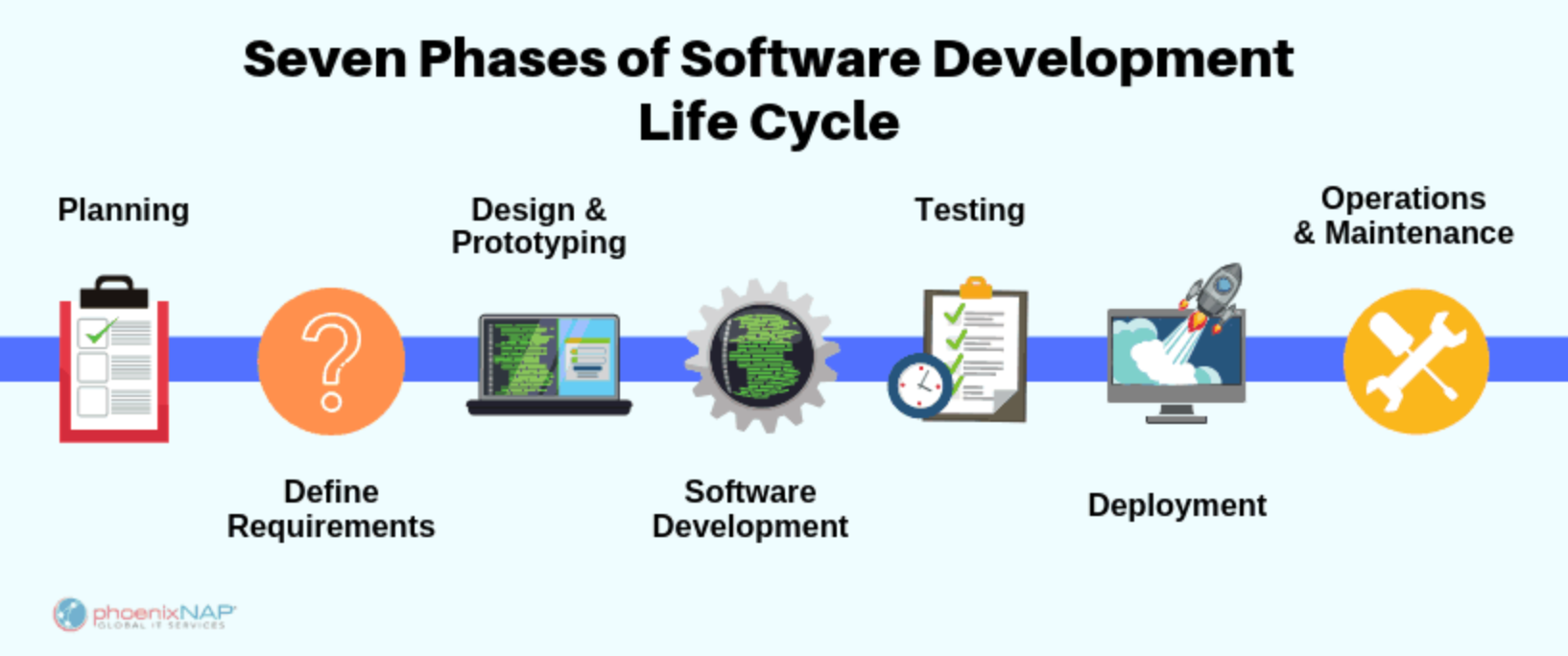
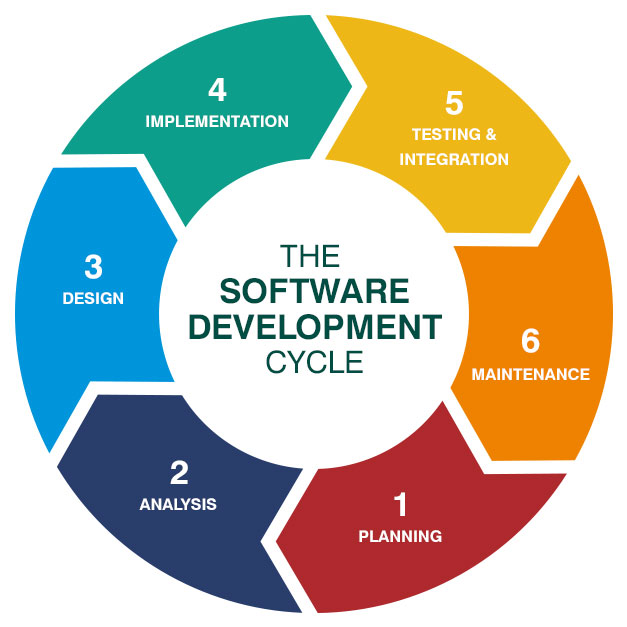
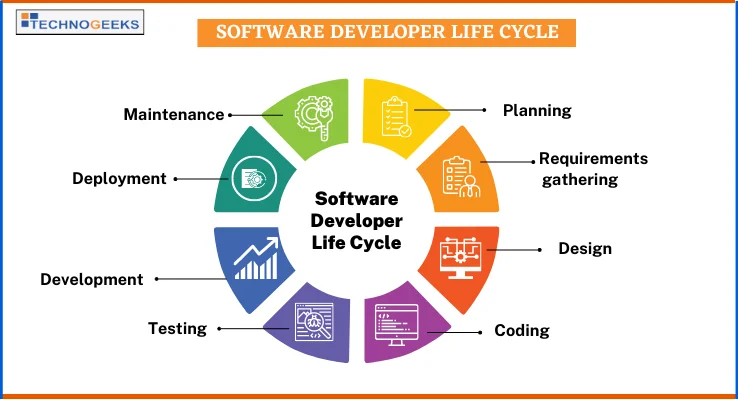
The FSLC, sometimes referred to as the Software Development Life Cycle (SDLC), is a framework that clearly defines all the tasks performed in the development of a software product—from initial conception to eventual retirement. It's the essential roadmap that ensures quality, efficiency, and predictability in a world obsessed with rapid release cycles.
But mastering the FSLC isn't just about following steps; it's about adopting a mindset that prioritizes long-term stability and user experience (UX). Ready to dive deep into the six critical phases that guarantee success?
What Exactly is the Full Software Life Cycle (FSLC)?
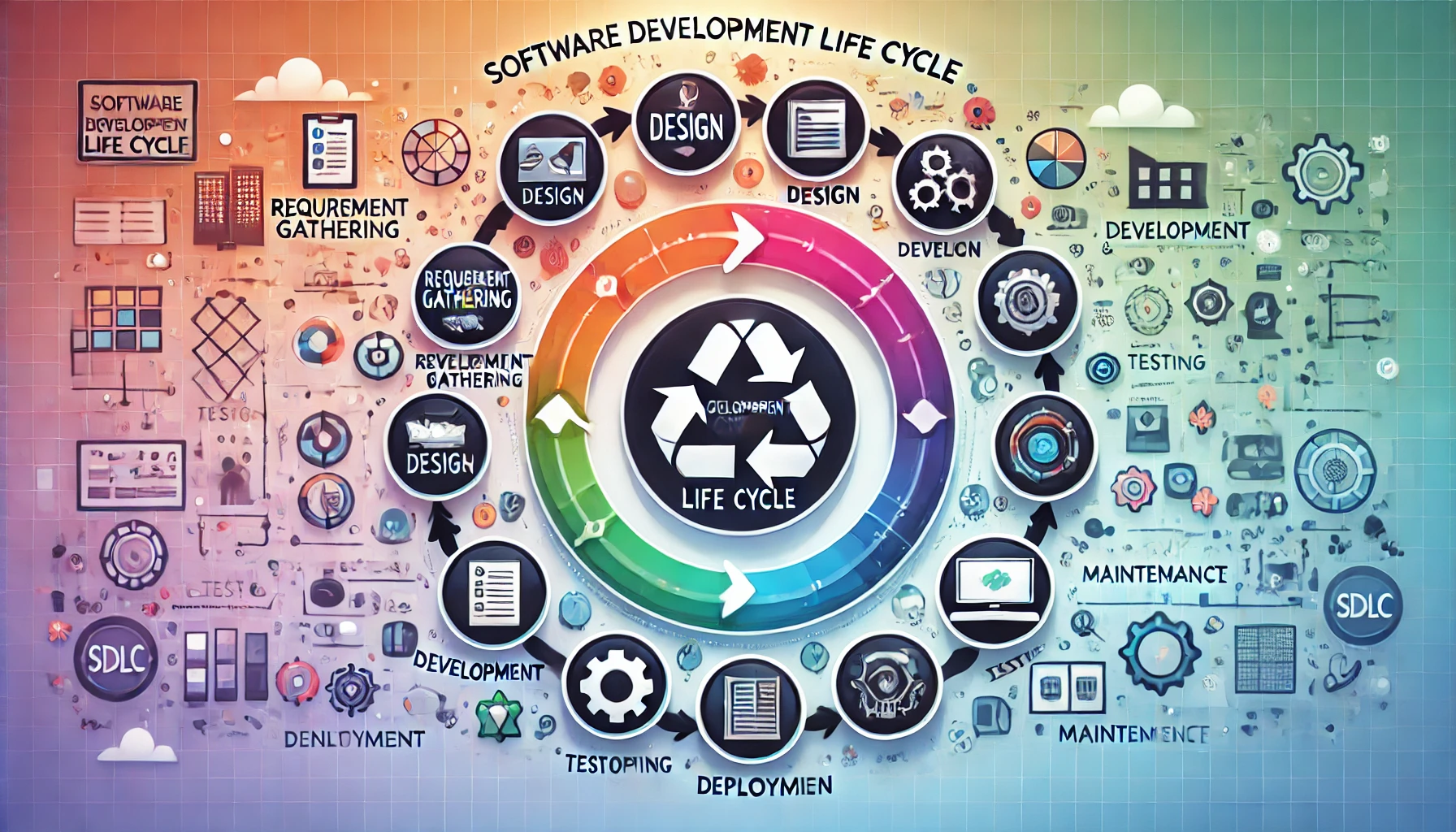
At its core, the FSLC is a structured process used by software engineering teams to design, develop, test, and deploy high-quality software. Think of it as the complete journey of a product.
Historically, organizations adopted rigid structures like the Waterfall model. However, modern FSLC implementations often utilize iterative, flexible models like Read Also: Agile Methodology and DevOps to accommodate rapid changes and continuous feedback.
Understanding the FSLC is vital because it addresses the "how" and "when" of development, dramatically reducing risks associated with scope creep, budget overruns, and technical debt. As noted by industry experts, standardization is the key to enterprise-level scalability. Learn more about the historical context of SDLC models here.
Why Standardized Phases Matter
A well-defined FSLC provides clear deliverables at the end of each stage. This transparency allows stakeholders, project managers, and engineers to monitor progress effectively. Without this structure, teams descend into chaos, leading to a product that fails to meet user expectations.
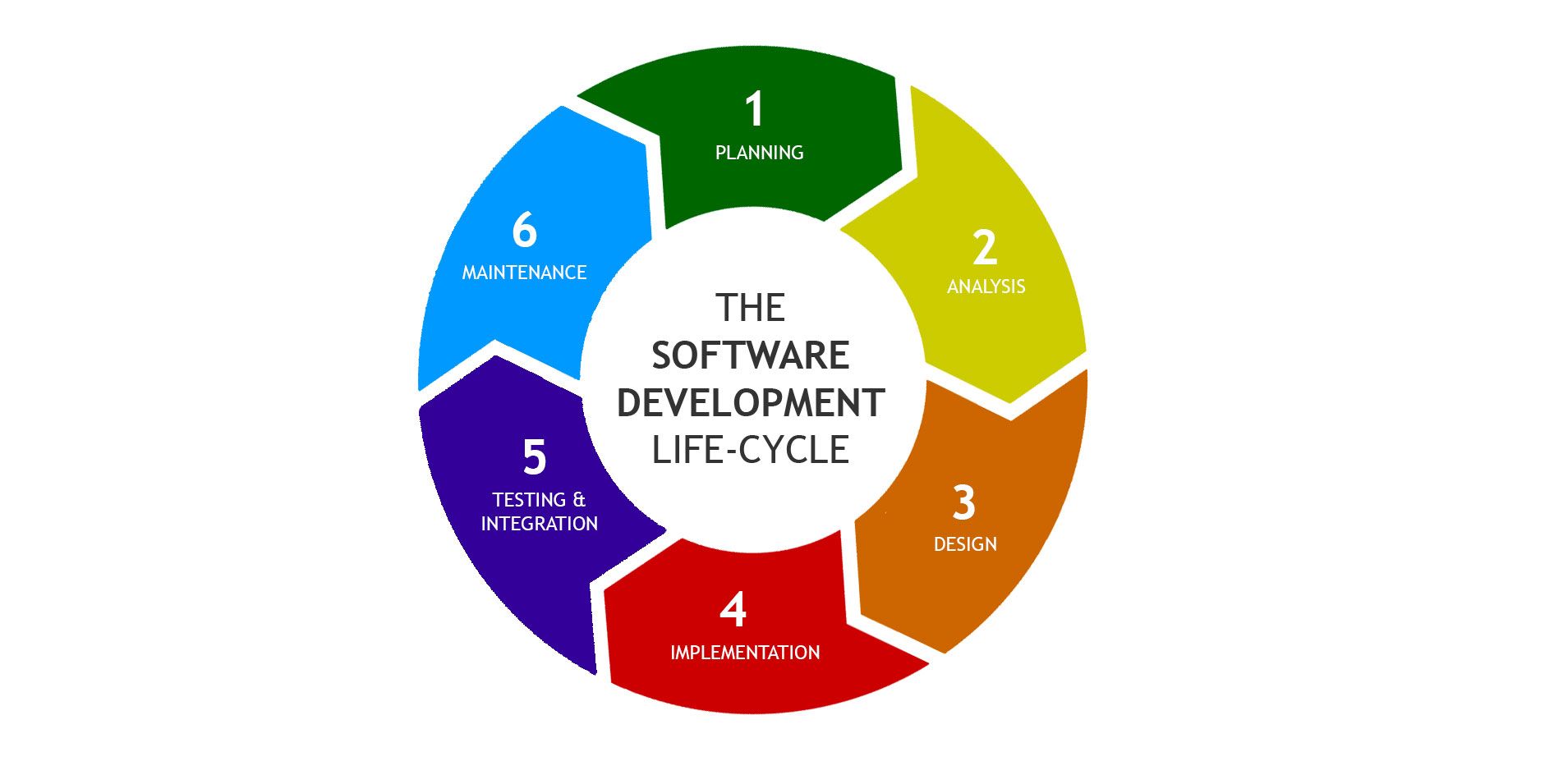
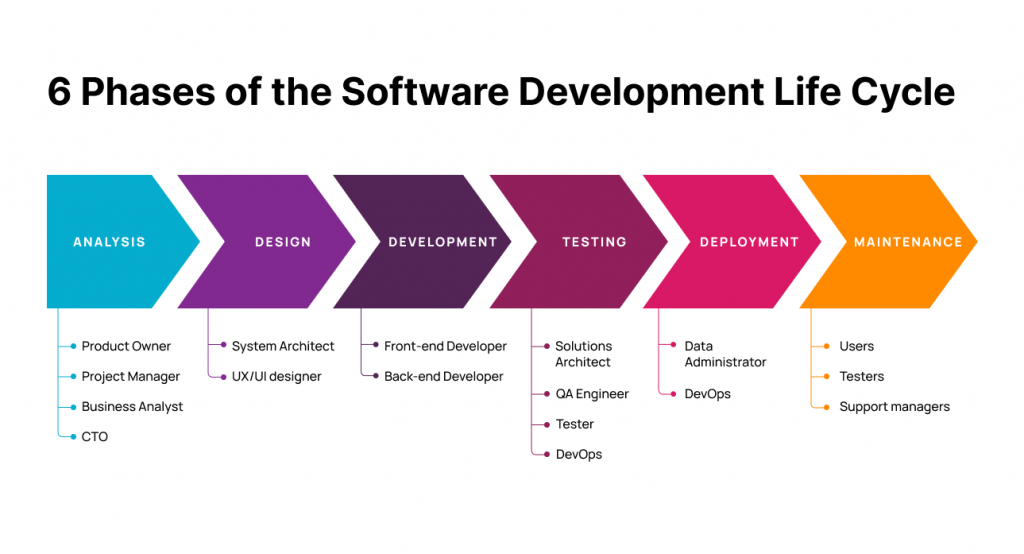
Phase 1: Planning and Requirements Analysis
This foundational phase determines the feasibility of the project and documents the needs of the end-user. It is arguably the most crucial step, as errors here multiply exponentially down the line.
Key Activities in Planning:
- Feasibility Study: Assessing technical, operational, and economic viability. Can we build it, and should we?
- Stakeholder Interviews: Gathering functional (what the system must do) and non-functional requirements (performance, security, usability).
- Scope Definition: Clearly outlining the boundaries of the project to prevent scope creep.
The output of this phase is the Software Requirement Specification (SRS) document, which acts as the official contract between the client and the development team.
Phase 2: Design and Architecture Blueprint
Once we know *what* to build (requirements), the design phase focuses on *how* to build it. System architects create the blueprint for the entire software structure.
This includes defining the system architecture (e.g., microservices, monolithic), database structure, interface design (UX/UI), and security architecture. Choosing the right architecture early on is essential for performance and maintainability.
Architectural Considerations:
We break the design into two main layers:
- High-Level Design (HLD): Focuses on the overall system and its components, connections, and external interfaces.
- Low-Level Design (LLD): Details the specific functionality of each module, including algorithms, data structures, and class diagrams.
Adopting a "security-first" design approach, often called Security by Design, dramatically reduces vulnerabilities later on. IEEE standards often emphasize the criticality of robust software architecture.
Phase 3: Development and Implementation
This is where the actual code gets written. Developers translate the design specifications into working software. Modern FSLC models integrate continuous practices here, such as Continuous Integration (CI).
Good coding standards, code reviews, and version control (like Git) are non-negotiable elements of a professional implementation phase. Ignoring these leads directly to technical debt.
In Agile environments, implementation happens in short iterations (sprints), delivering small, testable chunks of functionality quickly.
Phase 4: Testing and Quality Assurance (QA)
The QA phase validates that the developed product meets the requirements defined in Phase 1. Testing is no longer just a late-stage activity; modern FSLC emphasizes "Shift-Left Testing," meaning testing begins almost simultaneously with development.
Critical Testing Types:
| Test Type | Purpose | When Used |
|---|---|---|
| Unit Testing | Verify individual components/functions work correctly. | Development (Continuous) |
| Integration Testing | Ensure different modules interact properly. | After Unit Testing |
| System Testing | Test the entire system against functional requirements. | Pre-Deployment |
| Acceptance Testing (UAT) | Final verification by the client/end-users. | Final Stage before Release |
Phase 5: Deployment and Integration
Deployment is the process of making the software available to the end-users. This stage can range from a simple manual installation to complex migrations requiring zero downtime.
In mature FSLC models utilizing Read Also: DevOps Practices, deployment is largely automated via Continuous Delivery (CD) pipelines. Techniques like Blue/Green deployments or Canary releases minimize risks associated with launching new features.
Post-deployment monitoring is crucial here. Tools must be in place to track performance, catch errors, and ensure the system behaves as expected in a live environment.
Phase 6: Maintenance and Evolution (The Continuous Cycle)
Many novice teams consider deployment the end of the line. The truth is, the software life cycle is continuous. Maintenance can consume up to 70% of the total project budget over time.
Maintenance includes:
- Corrective Maintenance: Fixing bugs and faults reported by users (the "break/fix" cycle).
- Adaptive Maintenance: Updating the software to work with new operating systems, hardware, or external APIs.
- Perfective Maintenance: Enhancing performance and usability based on user feedback.
- Preventive Maintenance: Refactoring code and updating security protocols to prevent future issues.
This phase feeds directly back into Phase 1 (Planning) as new requirements, bug fixes, or enhancements initiate the cycle all over again, ensuring the software remains relevant and secure throughout its lifespan. Security maintenance guidance is often standardized by bodies like NIST.
Conclusion: The Value of a Mature FSLC
The Full Software Life Cycle is more than just a sequence of steps; it is a quality control mechanism. By rigorously adhering to defined phases—from analysis and design to continuous maintenance—teams can drastically improve predictability, reduce rework, and deliver scalable, robust software that truly meets user needs.
Mastering the FSLC ensures that development is systematic, measurable, and controlled, transforming project chaos into operational excellence.
Frequently Asked Questions (FAQ) about the FSLC
- Is FSLC the same as SDLC?
Yes, for practical purposes, the terms are used interchangeably. SDLC (Software Development Life Cycle) focuses purely on development, while FSLC (Full Software Life Cycle) sometimes implies the inclusion of strategic business planning (pre-development) and eventual system retirement (post-maintenance), but the core six phases are identical.
- Which FSLC methodology is best: Waterfall or Agile?
It depends entirely on the project. Waterfall is suitable for small, stable projects with very clear, non-changing requirements. Agile is superior for large, complex projects where requirements are expected to evolve, prioritizing speed, flexibility, and customer collaboration.
- What is the biggest risk if we ignore the FSLC?
The biggest risk is "Technical Debt." When phases (especially design and testing) are rushed or skipped, the resulting code is fragile, difficult to maintain, and expensive to fix later. This inevitably leads to delayed features and poor product performance.
- How does DevOps relate to the FSLC?
DevOps is a set of practices and cultural philosophies that accelerate the movement between Phases 3, 4, 5, and 6 (Development, Testing, Deployment, and Maintenance). It ensures continuous flow and automated feedback loops, dramatically speeding up the entire FSLC.
Full Software Life Cycle
Full Software Life Cycle Wallpapers
Collection of full software life cycle wallpapers for your desktop and mobile devices.
Serene Full Software Life Cycle Landscape in 4K
Explore this high-quality full software life cycle image, perfect for enhancing your desktop or mobile wallpaper.

Serene Full Software Life Cycle Photo Concept
Discover an amazing full software life cycle background image, ideal for personalizing your devices with vibrant colors and intricate designs.
Stunning Full Software Life Cycle Artwork Concept
A captivating full software life cycle scene that brings tranquility and beauty to any device.
Breathtaking Full Software Life Cycle Image Illustration
Explore this high-quality full software life cycle image, perfect for enhancing your desktop or mobile wallpaper.
Dynamic Full Software Life Cycle Image for Mobile
Find inspiration with this unique full software life cycle illustration, crafted to provide a fresh look for your background.
Stunning Full Software Life Cycle Scene for Your Screen
This gorgeous full software life cycle photo offers a breathtaking view, making it a perfect choice for your next wallpaper.
Exquisite Full Software Life Cycle Wallpaper for Mobile
Immerse yourself in the stunning details of this beautiful full software life cycle wallpaper, designed for a captivating visual experience.

Dynamic Full Software Life Cycle Photo Nature
This gorgeous full software life cycle photo offers a breathtaking view, making it a perfect choice for your next wallpaper.

Lush Full Software Life Cycle Artwork Collection
Find inspiration with this unique full software life cycle illustration, crafted to provide a fresh look for your background.

Crisp Full Software Life Cycle Picture in 4K
A captivating full software life cycle scene that brings tranquility and beauty to any device.
Mesmerizing Full Software Life Cycle Capture Digital Art
Transform your screen with this vivid full software life cycle artwork, a true masterpiece of digital design.
Vivid Full Software Life Cycle Image Photography
Experience the crisp clarity of this stunning full software life cycle image, available in high resolution for all your screens.
Vibrant Full Software Life Cycle Capture Art
Explore this high-quality full software life cycle image, perfect for enhancing your desktop or mobile wallpaper.
Vivid Full Software Life Cycle Abstract for Your Screen
Experience the crisp clarity of this stunning full software life cycle image, available in high resolution for all your screens.
Breathtaking Full Software Life Cycle Image Illustration
Transform your screen with this vivid full software life cycle artwork, a true masterpiece of digital design.
High-Quality Full Software Life Cycle Background for Mobile
Transform your screen with this vivid full software life cycle artwork, a true masterpiece of digital design.

Captivating Full Software Life Cycle Artwork for Desktop
This gorgeous full software life cycle photo offers a breathtaking view, making it a perfect choice for your next wallpaper.
Detailed Full Software Life Cycle Design Nature
Transform your screen with this vivid full software life cycle artwork, a true masterpiece of digital design.

Captivating Full Software Life Cycle Background Digital Art
Immerse yourself in the stunning details of this beautiful full software life cycle wallpaper, designed for a captivating visual experience.

Gorgeous Full Software Life Cycle View Concept
Immerse yourself in the stunning details of this beautiful full software life cycle wallpaper, designed for a captivating visual experience.
Download these full software life cycle wallpapers for free and use them on your desktop or mobile devices.