CDC Delay of Infant Hepatitis B Shot Likely to Raise Infections: New Studies Highlight Risks
CDC Delay of Infant Hepatitis B Shot Likely to Raise Infections: New Studies Highlight Risks
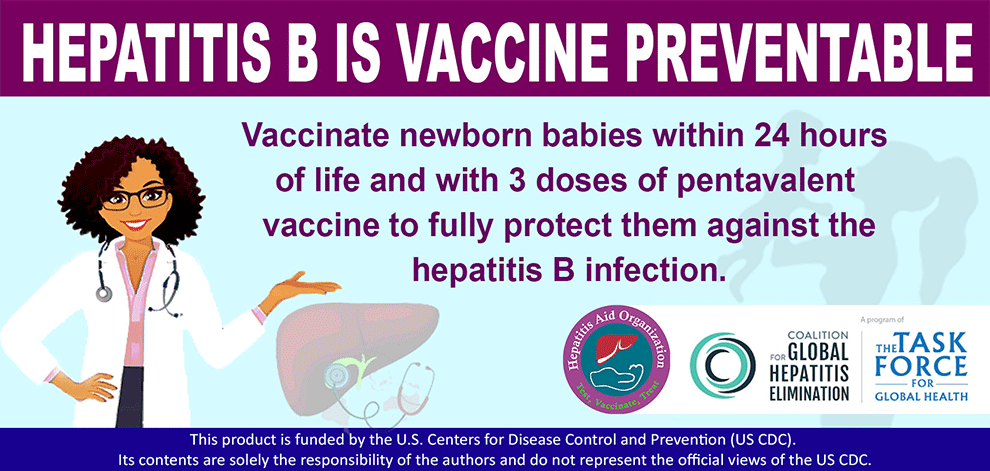
The timing of the first dose of the Hepatitis B vaccine has long been a cornerstone of neonatal healthcare in the United States. However, recent scientific inquiries and shifts in clinical perspectives have brought the CDC's recommendations into the spotlight. New studies indicate that any significant delay in the infant Hepatitis B shot—often referred to as the "birth dose"—could lead to a measurable increase in chronic infections among children. This comprehensive report explores the clinical evidence, the public health implications of delayed immunization, and why the first 24 hours of life are considered the "golden window" for preventing a lifetime of liver-related complications.
Understanding the Significance of the Hepatitis B Birth Dose
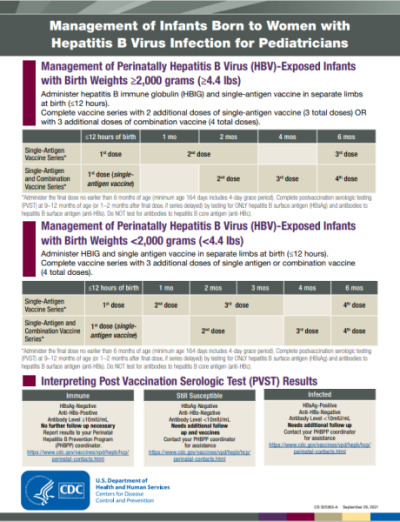
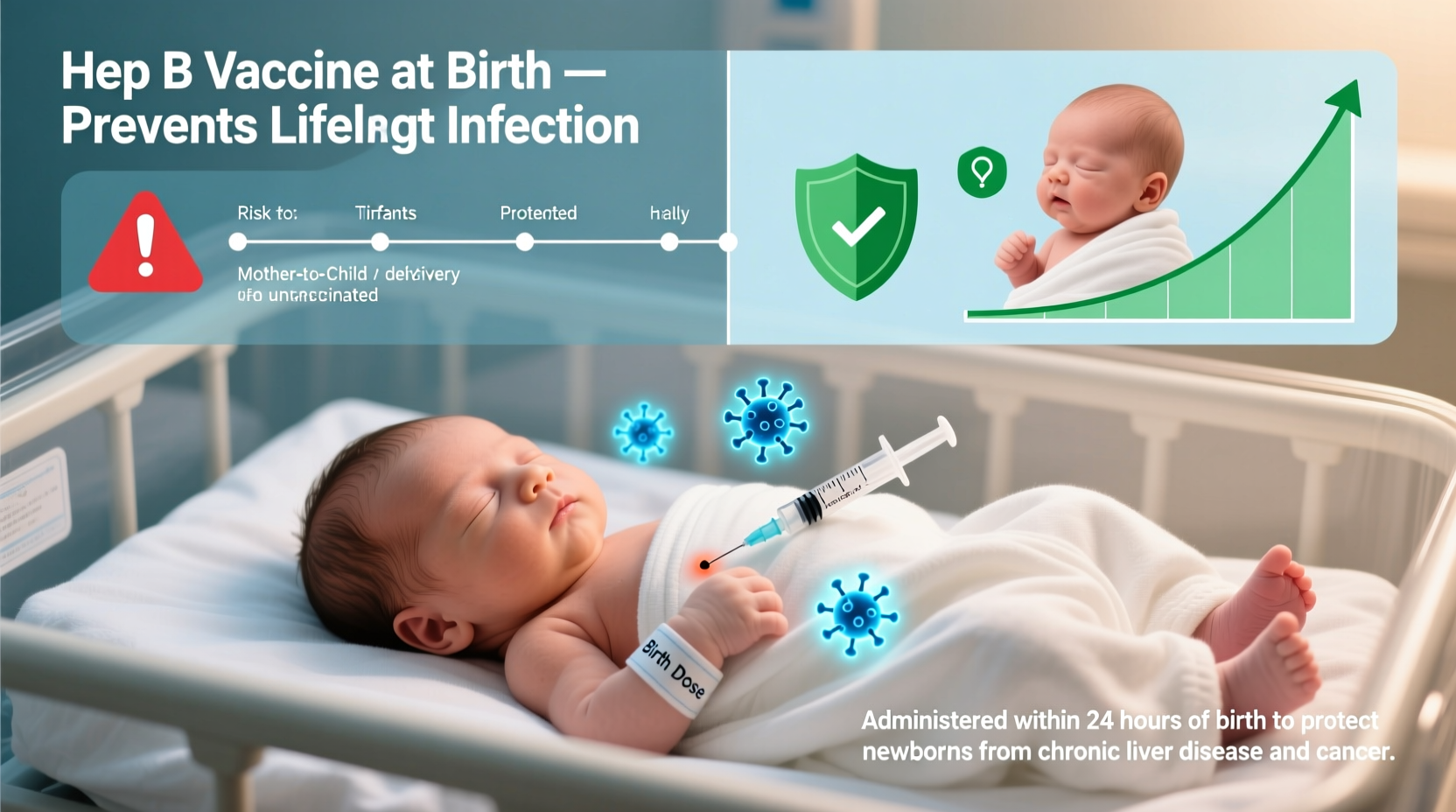
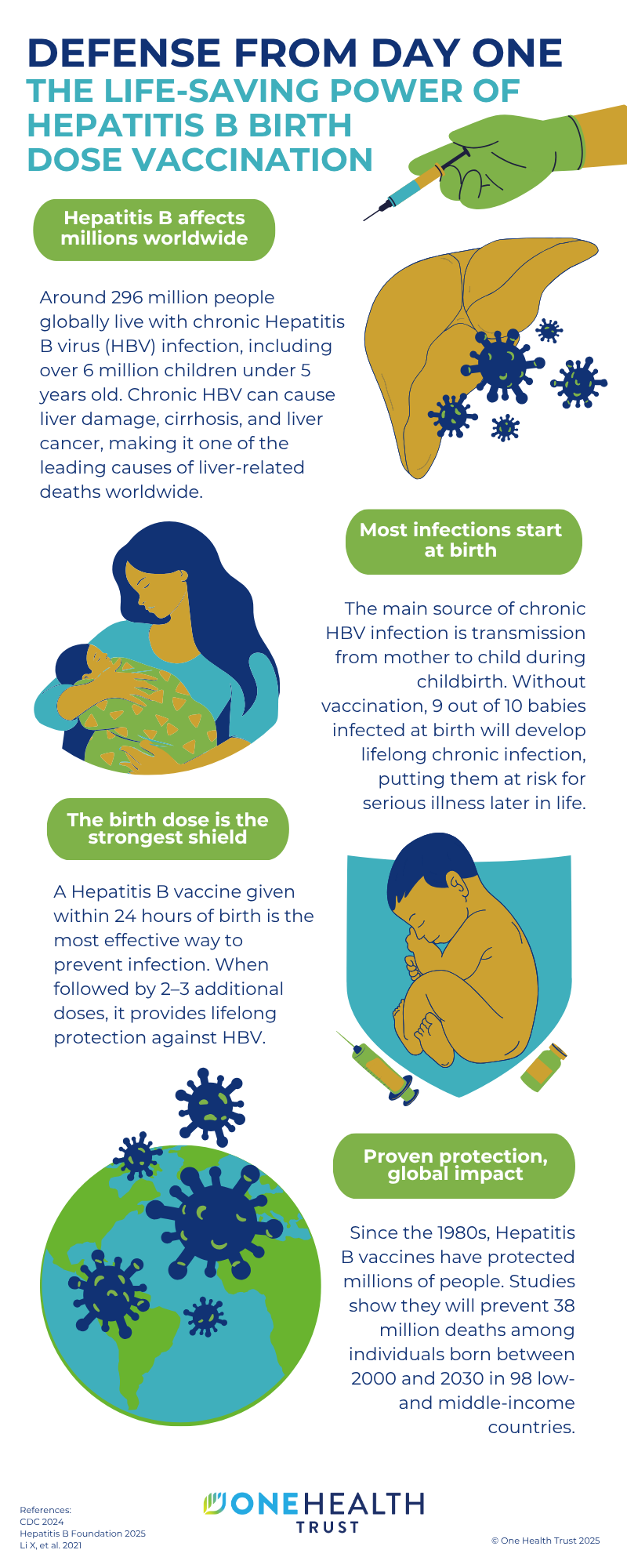
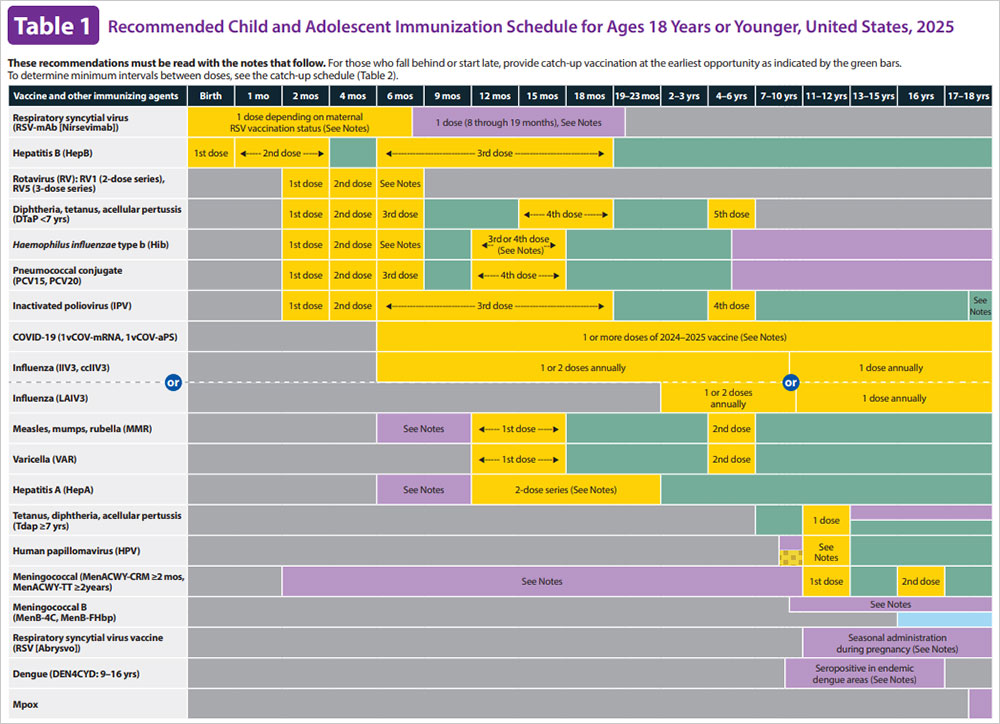
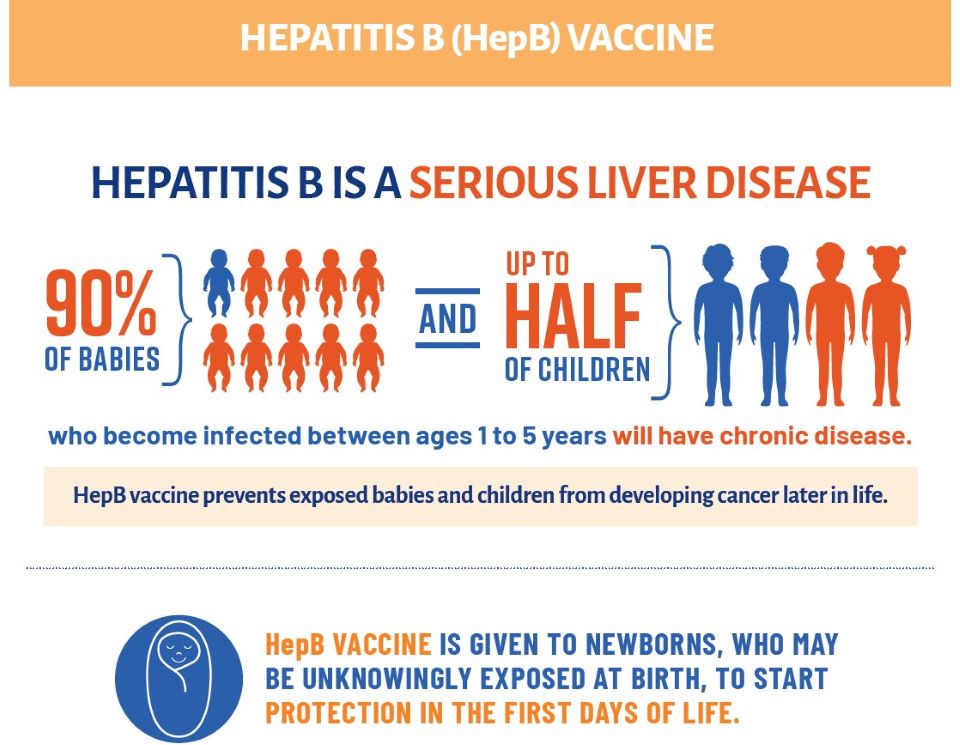
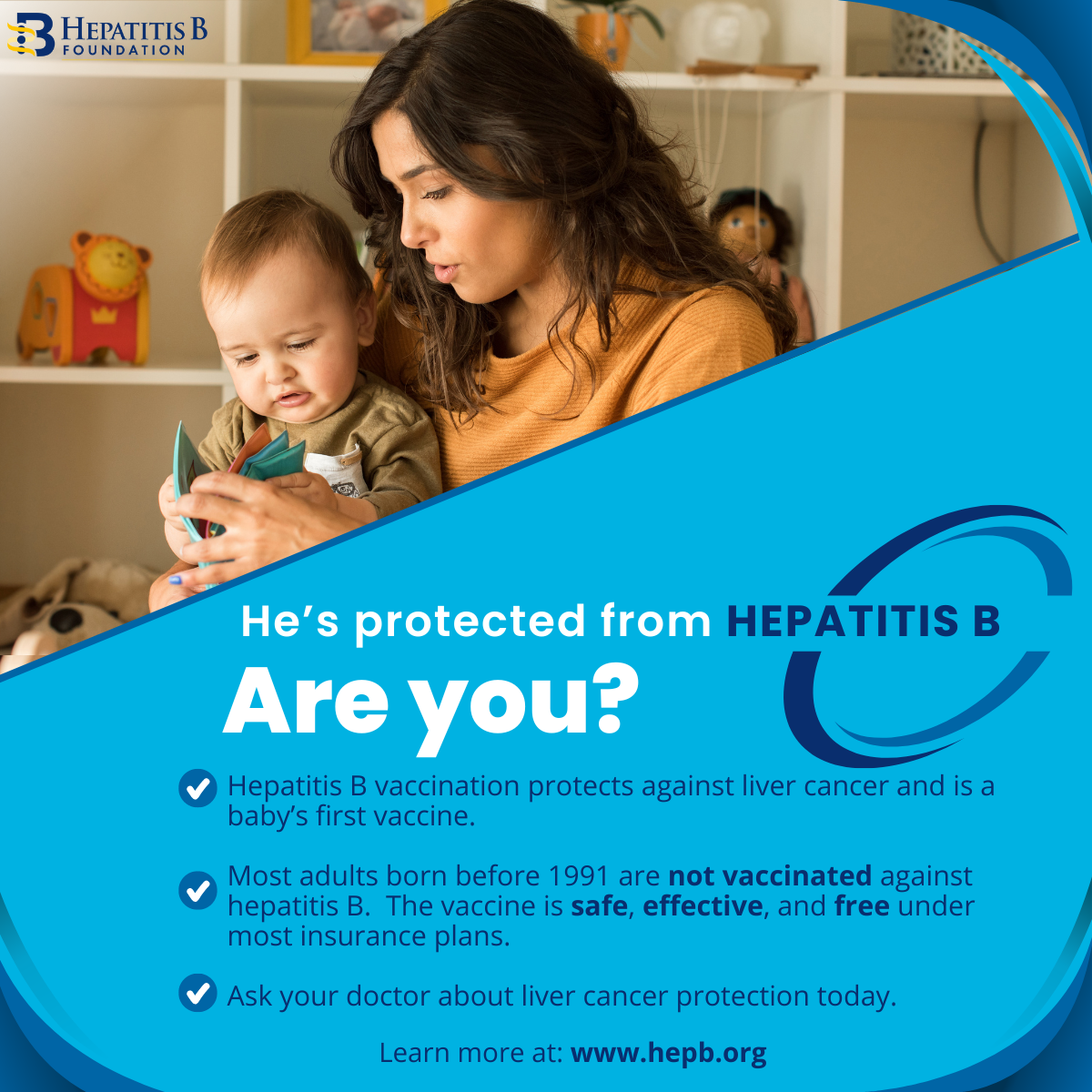
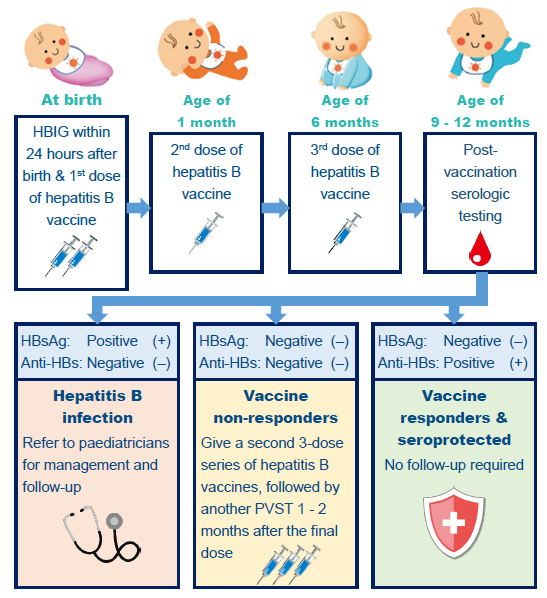
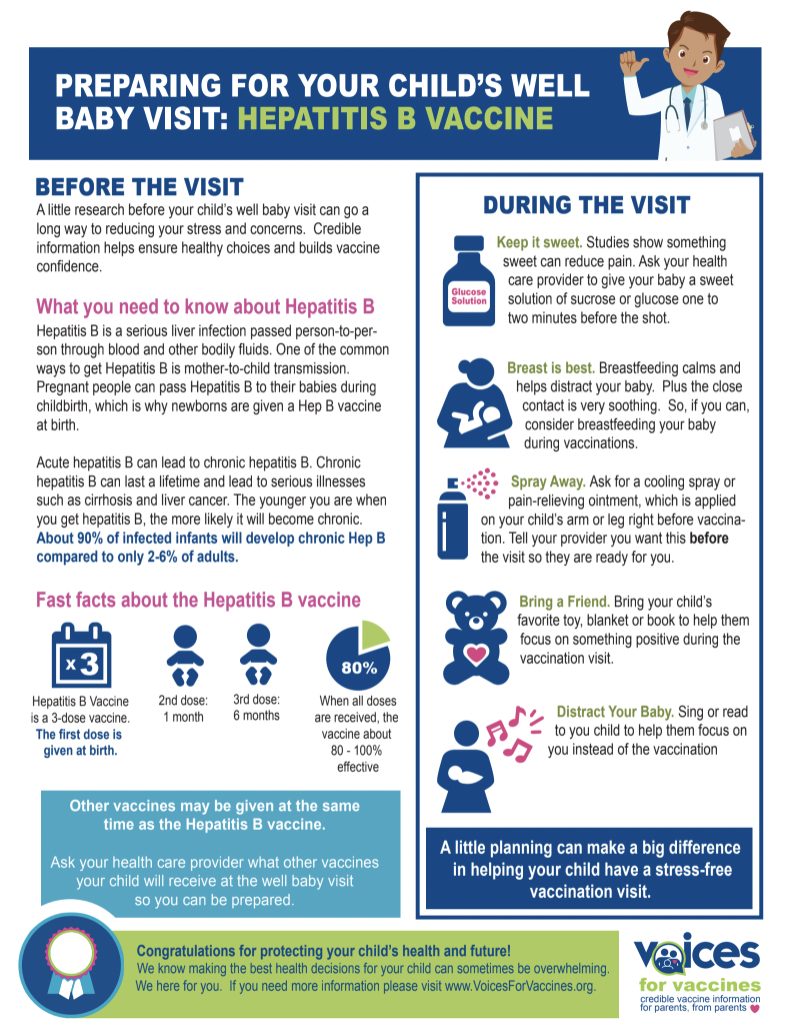
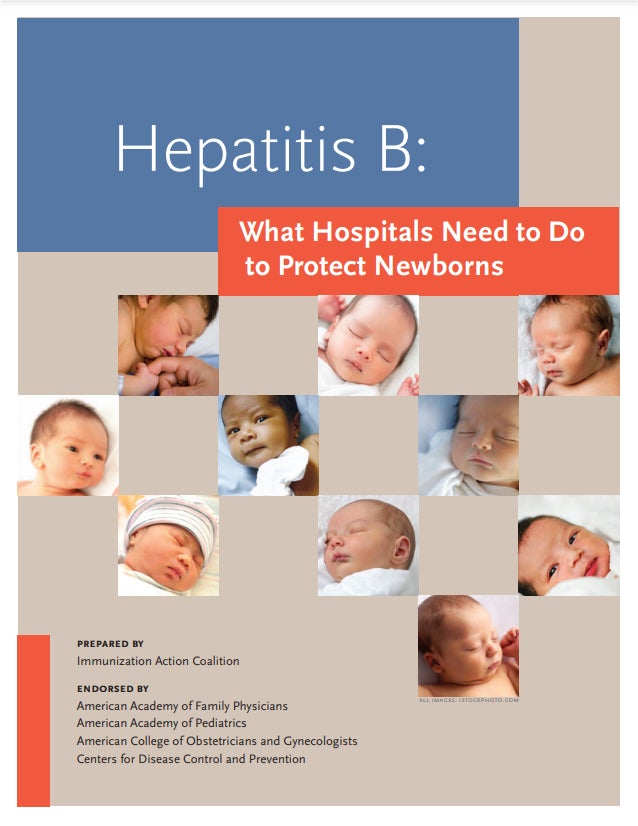
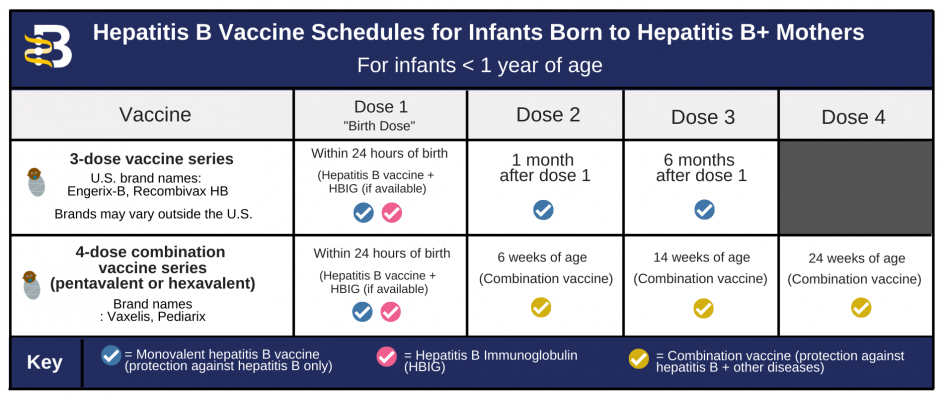
Hepatitis B is a viral infection that attacks the liver and can cause both acute and chronic disease. For infants, the risk is particularly high: if a newborn is infected, there is a 90% chance that the infection will become chronic. Chronic Hepatitis B can lead to severe health issues later in life, including cirrhosis, liver failure, and hepatocellular carcinoma (liver cancer). To combat this, the Centers for Disease Control and Prevention (CDC) and the American Academy of Pediatrics (AAP) have historically recommended that all stable newborns receive the first dose of the Hepatitis B vaccine within 24 hours of birth.
The rationale behind the birth dose is two-fold. First, it serves as a "safety net" for infants born to mothers whose Hepatitis B surface antigen (HBsAg) status is unknown or was incorrectly documented during prenatal care. Second, it protects the infant from early horizontal transmission from infected household members or caregivers who may not be aware of their status. Recent data suggesting a move toward delaying this shot has sparked concern among epidemiologists who argue that even a few days of delay can leave an infant vulnerable during their most fragile developmental stage.
What the Latest Studies Reveal About Vaccination Delays
Recent peer-reviewed research and mathematical modeling have shed light on the potential fallout of delaying the Hepatitis B vaccine. A major study focusing on longitudinal health outcomes found that in regions where the birth dose was administered after the first 48 to 72 hours, there was a statistically significant rise in pediatric Hepatitis B cases. These studies suggest that the delay often stems from a combination of parental hesitancy, hospital policy changes, and a misguided belief that the infant is not at risk if the mother tests negative.
One of the most alarming findings in recent reports is the "screening gap." While prenatal screening is mandatory in many jurisdictions, human error in lab reporting or the acquisition of the virus by the mother late in pregnancy can result in "false negatives." In these rare but critical cases, the birth dose is the only line of defense preventing the virus from establishing a lifelong foothold in the infant's system. When the CDC guidelines are interpreted loosely, leading to delays, this safety net effectively disappears.
Comparing Immediate vs. Delayed Immunization Protocols
To understand the impact of timing, we must look at the data comparing immediate immunization (within 24 hours) against delayed schedules (after 1 week or at the first month check-up). The following table outlines the key differences in outcomes based on recent clinical observations.
| Feature/Aspect | Description of Impact |
|---|---|
| Chronic Infection Risk | Reduces risk by over 90% when administered within 24 hours; risk increases significantly if delayed. |
| Safety Net Function | Protects against maternal screening errors or unknown status of household members. |
| Immune Response Efficacy | Infants show a robust antibody response even when vaccinated immediately after birth. |
| Public Health Compliance | Birth dose increases the likelihood of completing the full 3-dose vaccine series on time. |
| Economic Burden | Prevents high long-term costs associated with treating chronic liver disease and cancer. |
The Danger of Horizontal Transmission and Household Risks
A common misconception among parents is that if the mother is Hepatitis B negative, the baby is at zero risk. However, public health experts emphasize "horizontal transmission." This occurs when an infant comes into contact with the blood or bodily fluids of an infected individual who is not the mother. This could be a father, a grandparent, a sibling, or a childcare provider. Because Hepatitis B can survive on surfaces for up to seven days, the risk in a household where a member has a chronic, perhaps undiagnosed, infection is real.
Studies have shown that in communities with high rates of Hepatitis B, the birth dose acts as a community-wide shield. By ensuring every child is vaccinated at birth, the chain of transmission is broken at the earliest possible link. Delaying the shot by even a few weeks—until the first pediatric visit—creates a window of vulnerability that, according to new modeling, could lead to thousands of preventable infections annually on a global scale.
The Role of Vaccine Hesitancy in Policy Implementation
The CDC’s advisory roles are often balanced against the prevailing social climate. In recent years, there has been a documented rise in vaccine hesitancy, leading some providers to offer "delayed schedules" to appease parental concerns. However, medical experts warn that the Hepatitis B vaccine is not a candidate for delay. Unlike other vaccines that target diseases with seasonal peaks, Hepatitis B is a constant environmental and familial risk. The new studies suggest that when clinicians do not strongly advocate for the birth dose, the rate of "lost to follow-up" increases, meaning many infants do not receive their first dose until much later, if at all.
Clinical Long-term Consequences: From Infancy to Adulthood
The impact of a delayed shot isn't just a pediatric concern; it is a lifelong health trajectory issue. An infant who develops chronic Hepatitis B due to a lack of early immunization may remain asymptomatic for decades. However, by their 30s or 40s, the cumulative damage to the liver becomes apparent. The cost of managing chronic Hepatitis B—including antiviral medications and potentially liver transplants—far outweighs the cost of a single neonatal vaccine dose.
Furthermore, the psychological burden on families dealing with a chronic, transmissible illness is immense. New research emphasizes that the "prevention is better than cure" mantra is nowhere more applicable than in the context of neonatal Hepatitis B immunization. The CDC's focus on the birth dose is a direct response to the reality that once the virus is integrated into the host's DNA in early infancy, it is nearly impossible to eradicate with current medical technology.
Frequently Asked Questions (FAQ)
1. Why is the Hepatitis B vaccine given so early in life?
The vaccine is given at birth to prevent the transmission of the virus from the mother to the baby during delivery and to protect the baby from household members who might unknowingly be infected. Since the risk of chronic infection is highest (90%) in newborns, early protection is vital.
2. Can I wait until my baby's 2-month check-up for the first shot?
While some parents consider this, medical experts and recent studies strongly discourage it. Delaying the vaccine leaves the baby unprotected during the first two months of life, a period where they are most vulnerable to developing a chronic infection if exposed.
3. What if I tested negative for Hepatitis B during pregnancy?
Even if you tested negative, the CDC recommends the birth dose. This is because lab errors can occur, or a mother could be exposed to the virus after the test was taken. Additionally, the vaccine protects the baby from other infected people they may come in contact with.
4. Is the Hepatitis B vaccine safe for a newborn?
Yes. The Hepatitis B vaccine has been used for decades and has an excellent safety profile. It does not contain a live virus and cannot cause Hepatitis B. Common side effects are mild, such as soreness at the injection site or a low-grade fever.
Conclusion: The Urgency of Adhering to the Birth Dose Schedule
The evidence presented by recent studies is clear: the CDC’s emphasis on the Hepatitis B birth dose is not merely a suggestion but a critical public health necessity. While policy shifts and parental concerns may occasionally lead to discussions about delaying the shot, the data indicates that such delays carry a heavy price in the form of increased chronic infections and long-term liver disease. For parents and healthcare providers alike, the "birth dose" represents a singular opportunity to provide an infant with a lifetime of protection against a silent but deadly virus.
As we move forward, it is imperative that hospital protocols remain rigorous and that prenatal education clearly communicates the risks of delay. The "golden window" of the first 24 hours is a clinical reality that cannot be ignored. By prioritizing immediate immunization, we can continue the progress made in nearly eradicating pediatric Hepatitis B and ensure a healthier future for the next generation. Ensuring that every child receives their "safety net" at birth remains one of the most effective interventions in modern medicine.
CDC delay of infant hepatitis B shot likely to raise infections, studies show
CDC delay of infant hepatitis B shot likely to raise infections, studies show Wallpapers
Collection of cdc delay of infant hepatitis b shot likely to raise infections, studies show wallpapers for your desktop and mobile devices.
Amazing Cdc Delay Of Infant Hepatitis B Shot Likely To Raise Infections, Studies Show Landscape in 4K
Transform your screen with this vivid cdc delay of infant hepatitis b shot likely to raise infections, studies show artwork, a true masterpiece of digital design.

High-Quality Cdc Delay Of Infant Hepatitis B Shot Likely To Raise Infections, Studies Show Artwork for Mobile
Transform your screen with this vivid cdc delay of infant hepatitis b shot likely to raise infections, studies show artwork, a true masterpiece of digital design.

Artistic Cdc Delay Of Infant Hepatitis B Shot Likely To Raise Infections, Studies Show Landscape in HD
This gorgeous cdc delay of infant hepatitis b shot likely to raise infections, studies show photo offers a breathtaking view, making it a perfect choice for your next wallpaper.
Crisp Cdc Delay Of Infant Hepatitis B Shot Likely To Raise Infections, Studies Show Photo Photography
Find inspiration with this unique cdc delay of infant hepatitis b shot likely to raise infections, studies show illustration, crafted to provide a fresh look for your background.

Stunning Cdc Delay Of Infant Hepatitis B Shot Likely To Raise Infections, Studies Show Background for Desktop
A captivating cdc delay of infant hepatitis b shot likely to raise infections, studies show scene that brings tranquility and beauty to any device.
Spectacular Cdc Delay Of Infant Hepatitis B Shot Likely To Raise Infections, Studies Show Image in 4K
Find inspiration with this unique cdc delay of infant hepatitis b shot likely to raise infections, studies show illustration, crafted to provide a fresh look for your background.
Detailed Cdc Delay Of Infant Hepatitis B Shot Likely To Raise Infections, Studies Show Landscape in HD
Discover an amazing cdc delay of infant hepatitis b shot likely to raise infections, studies show background image, ideal for personalizing your devices with vibrant colors and intricate designs.
Breathtaking Cdc Delay Of Infant Hepatitis B Shot Likely To Raise Infections, Studies Show Moment Art
Discover an amazing cdc delay of infant hepatitis b shot likely to raise infections, studies show background image, ideal for personalizing your devices with vibrant colors and intricate designs.
Spectacular Cdc Delay Of Infant Hepatitis B Shot Likely To Raise Infections, Studies Show Design for Mobile
Immerse yourself in the stunning details of this beautiful cdc delay of infant hepatitis b shot likely to raise infections, studies show wallpaper, designed for a captivating visual experience.
Artistic Cdc Delay Of Infant Hepatitis B Shot Likely To Raise Infections, Studies Show Capture Collection
Find inspiration with this unique cdc delay of infant hepatitis b shot likely to raise infections, studies show illustration, crafted to provide a fresh look for your background.
Lush Cdc Delay Of Infant Hepatitis B Shot Likely To Raise Infections, Studies Show Abstract Nature
Immerse yourself in the stunning details of this beautiful cdc delay of infant hepatitis b shot likely to raise infections, studies show wallpaper, designed for a captivating visual experience.
Detailed Cdc Delay Of Infant Hepatitis B Shot Likely To Raise Infections, Studies Show Design Art
Transform your screen with this vivid cdc delay of infant hepatitis b shot likely to raise infections, studies show artwork, a true masterpiece of digital design.
Breathtaking Cdc Delay Of Infant Hepatitis B Shot Likely To Raise Infections, Studies Show Image in HD
Discover an amazing cdc delay of infant hepatitis b shot likely to raise infections, studies show background image, ideal for personalizing your devices with vibrant colors and intricate designs.
Spectacular Cdc Delay Of Infant Hepatitis B Shot Likely To Raise Infections, Studies Show Image for Your Screen
A captivating cdc delay of infant hepatitis b shot likely to raise infections, studies show scene that brings tranquility and beauty to any device.
Vivid Cdc Delay Of Infant Hepatitis B Shot Likely To Raise Infections, Studies Show Photo Collection
Transform your screen with this vivid cdc delay of infant hepatitis b shot likely to raise infections, studies show artwork, a true masterpiece of digital design.
Serene Cdc Delay Of Infant Hepatitis B Shot Likely To Raise Infections, Studies Show View Concept
Explore this high-quality cdc delay of infant hepatitis b shot likely to raise infections, studies show image, perfect for enhancing your desktop or mobile wallpaper.
Exquisite Cdc Delay Of Infant Hepatitis B Shot Likely To Raise Infections, Studies Show Design in 4K
This gorgeous cdc delay of infant hepatitis b shot likely to raise infections, studies show photo offers a breathtaking view, making it a perfect choice for your next wallpaper.
Breathtaking Cdc Delay Of Infant Hepatitis B Shot Likely To Raise Infections, Studies Show Abstract Art
Discover an amazing cdc delay of infant hepatitis b shot likely to raise infections, studies show background image, ideal for personalizing your devices with vibrant colors and intricate designs.

Mesmerizing Cdc Delay Of Infant Hepatitis B Shot Likely To Raise Infections, Studies Show Photo Nature
Explore this high-quality cdc delay of infant hepatitis b shot likely to raise infections, studies show image, perfect for enhancing your desktop or mobile wallpaper.

Lush Cdc Delay Of Infant Hepatitis B Shot Likely To Raise Infections, Studies Show Capture Art
Find inspiration with this unique cdc delay of infant hepatitis b shot likely to raise infections, studies show illustration, crafted to provide a fresh look for your background.
Download these cdc delay of infant hepatitis b shot likely to raise infections, studies show wallpapers for free and use them on your desktop or mobile devices.