Kiwi Green Card Holders Advised to Be Upfront About Previous Convictions When Entering US
Kiwi Green Card Holders Advised to Be Upfront About Previous Convictions When Entering US
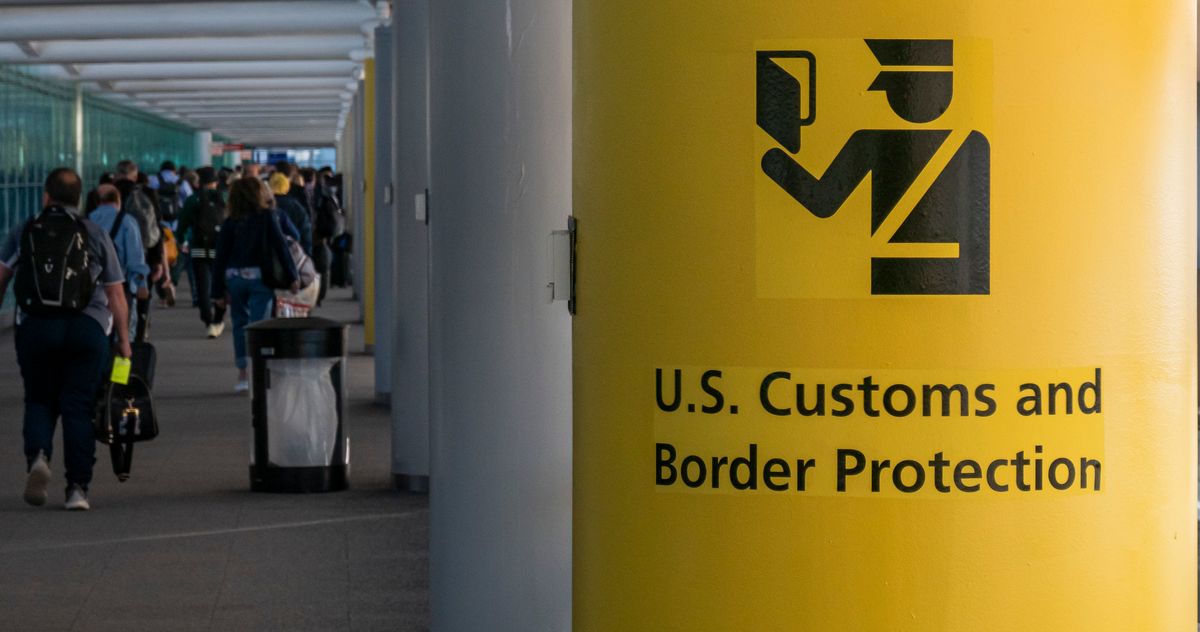
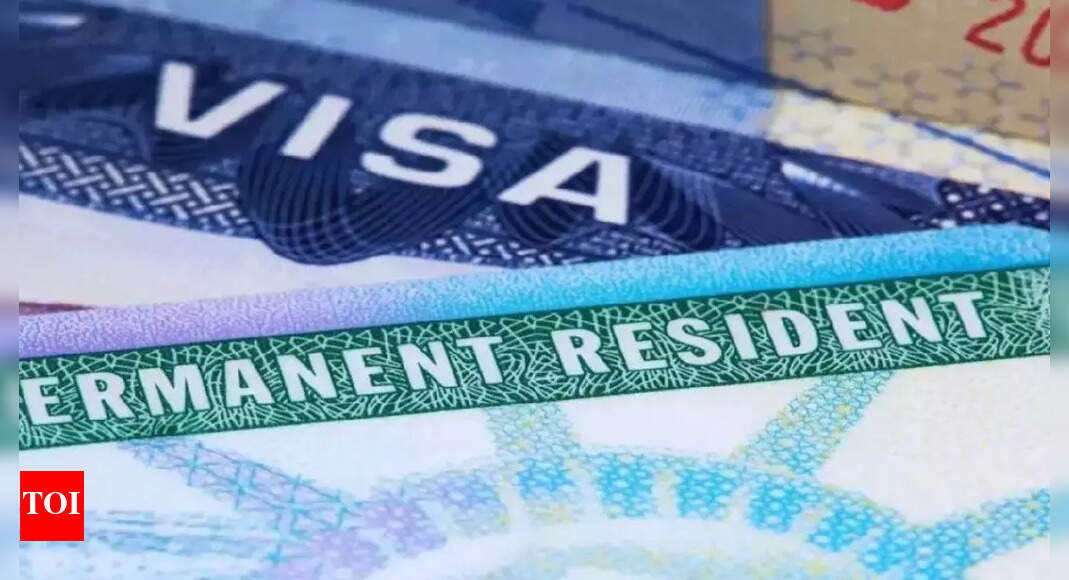
For New Zealand citizens holding a United States Permanent Resident Card—commonly known as a Green Card—the journey between the South Pacific and the Land of Opportunity is often a routine flight. However, a growing number of legal experts and immigration advocates are issuing a critical warning: Kiwi green card holders must be completely upfront about any previous criminal convictions when interacting with U.S. Customs and Border Protection (CBP). Even if a conviction occurred decades ago in New Zealand and has since been "wiped" under local "clean slate" legislation, failing to disclose it at a U.S. Port of Entry can lead to catastrophic legal consequences, including the revocation of residency and permanent banishment from the United States.
In the current global climate of heightened security and integrated digital databases, the "don't ask, don't tell" approach to one's past is no longer viable. U.S. immigration authorities have unprecedented access to international criminal databases. For a Kiwi Lawful Permanent Resident (LPR), the stakes are significantly higher than for a tourist. While a tourist might simply be turned away, an LPR faces the potential loss of a hard-won life in America. This article delves into the complexities of U.S. immigration law, the conflict between New Zealand’s privacy laws and U.S. disclosure requirements, and the best practices for Kiwis returning to their U.S. homes.
The Conflict Between the NZ Clean Slate Act and U.S. Federal Law
One of the most common pitfalls for New Zealanders is a misunderstanding of how the New Zealand Criminal Records (Clean Slate) Act 2004 interacts with U.S. federal law. Under the Clean Slate Act, certain minor convictions can be concealed if the individual has not reoffended for seven years. In the eyes of the New Zealand government, these individuals have a "clean record."
However, U.S. immigration law does not recognize foreign "clean slate" or "expungement" schemes. According to the Immigration and Nationality Act (INA), a conviction remains a conviction for immigration purposes regardless of whether it has been set aside, pardoned, or expunged in the country where it occurred. When a CBP officer asks, "Have you ever been arrested or convicted of a crime?" they are looking for a "yes" or "no" based on the entirety of the person's life, not just what currently appears on a standard New Zealand Ministry of Justice check.
Kiwis who answer "no" based on their clean slate status are technically committing "willful misrepresentation" or "fraud" in the eyes of the U.S. government. This secondary offense—lying to a federal officer—is often more difficult to overcome than the original conviction itself. Misrepresentation is a permanent ground of inadmissibility, meaning that even if the original crime was a minor shoplifting incident from 1995, the act of lying about it in 2024 could lead to a lifetime ban.
What Defines a "Conviction" for U.S. Immigration?
The U.S. definition of a conviction is broad. It includes any formal judgment of guilt entered by a court or, if adjudication has been withheld, where a judge or jury has found the person guilty or the person has entered a plea of guilty or nolo contendere (no contest). Furthermore, the individual must have had some form of punishment, penalty, or restraint on liberty imposed. This means that even "diversion" programs in New Zealand, where a charge is dismissed after completion of community service, may still count as a conviction under U.S. immigration law if a plea of guilt was recorded at any stage.
Understanding Crimes Involving Moral Turpitude (CIMT)
Not every conviction makes a Green Card holder deportable or inadmissible, but many do. The U.S. categorizes many offenses as "Crimes Involving Moral Turpitude" (CIMT). This is a legal term of art that generally refers to conduct that is inherently base, vile, or depraved, and contrary to the accepted rules of morality and the duties owed between persons or to society in general.
Common examples of CIMTs include:
- Theft and fraud-related offenses (including shoplifting).
- Assault with intent to cause bodily harm.
- Drug trafficking or possession of controlled substances (most drug offenses have their own strict category).
- Certain types of domestic violence.
If a Kiwi Green Card holder is returning to the U.S. after a trip abroad and has a CIMT on their record, they may be classified as an "arriving alien" rather than a returning resident. Under INA Section 212(a)(2), any LPR who has committed a CIMT can be stopped at the border. While there are exceptions, such as the "petty offense exception" (for a single crime with a maximum possible sentence of one year where the actual sentence served was less than six months), these are complex legal arguments that should be prepared in advance, not improvised at an airport terminal.
| Fitur/Aspek | Deskripsi |
|---|---|
| Legal Framework | U.S. Immigration and Nationality Act (INA) vs. NZ Clean Slate Act. |
| Disclosure Requirement | Mandatory disclosure of all lifetime arrests, charges, and convictions. |
| Consequence of Non-Disclosure | Charge of "Willful Misrepresentation," leading to permanent inadmissibility. |
| The "Petty Offense" Exception | A specific legal caveat for single, minor offenses that may allow entry. |
| Role of CBP | Customs and Border Protection officers have broad discretion to refer LPRs to immigration court. |
| Information Sharing | Increased digital data exchange between "Five Eyes" nations (US, NZ, UK, AU, CA). |
Why Now? The Rise of Digital Information Sharing
In the past, many Green Card holders might have traveled for years without their old foreign convictions coming to light. This was largely due to the "siloed" nature of international police records. However, we are now in an era of unprecedented cooperation between the "Five Eyes" intelligence alliance—comprising the U.S., New Zealand, Australia, Canada, and the United Kingdom.
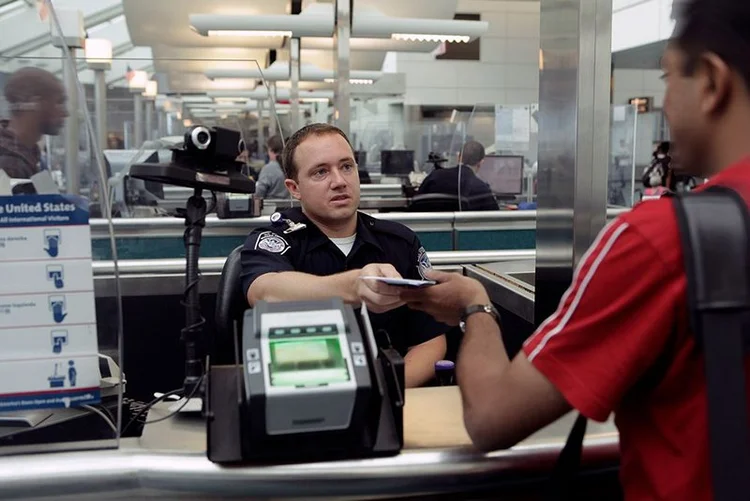
Biometric data, including fingerprints and facial recognition, is now routinely checked against global databases. If a Kiwi was fingerprinted in Auckland in 1990 for a minor drug offense, there is a significant and increasing chance that those fingerprints are now accessible to the CBP officer at LAX or San Francisco International Airport. When the officer scans the Green Card and the traveler’s fingerprints, a "hit" may occur. If the traveler has previously checked "No" on forms regarding criminal history, the officer immediately sees a discrepancy.
This digital transparency has led to a surge in Green Card holders being pulled into "Secondary Inspection." This is a more intense questioning environment where officers have more time to investigate a traveler's background. Being referred to secondary inspection is not an arrest, but it is the first step toward potential removal proceedings.
Best Practices: How to Protect Your Residency
If you are a Kiwi Green Card holder with a past conviction, the "upfront" strategy is almost always the safest path, provided it is managed correctly. Here is a guide on how to navigate this difficult situation:
1. Consult with a U.S. Immigration Attorney
Before you book your next flight to New Zealand, consult with an attorney who specializes in the intersection of criminal law and immigration law (often called "crimmigration"). They can review your New Zealand sentencing documents and determine if your offense falls under a CIMT or if you qualify for an exception. They can also provide you with a "legal memorandum" to carry with you, explaining to CBP why you are still admissible despite the conviction.
2. Obtain Your Full Records
Do not rely on your memory. Request a full "Criminal Record" from the New Zealand Ministry of Justice, specifically asking for the version that includes "clean slated" convictions for your own records. You should also try to obtain the original court transcripts or charging documents. Having these documents ready shows transparency and allows the CBP officer to make an informed decision rather than a reactive one.
3. Be Honest, but Precise
When asked by an officer if you have a criminal record, the answer should be "Yes." You should then be prepared to briefly explain what happened and emphasize that you have the documentation and legal analysis to show you remain eligible for LPR status. Honesty eliminates the risk of a "misrepresentation" charge, which is often harder to fight than the original crime.
4. Know Your Rights as an LPR
It is crucial to remember that as a Lawful Permanent Resident, you have more rights than a tourist. A CBP officer cannot simply "cancel" your Green Card on the spot. Only an Immigration Judge can formally revoke your permanent residency. If an officer asks you to sign Form I-407 (Record of Abandonment of Lawful Permanent Resident Status), **do not sign it** unless you truly wish to give up your residency. By signing, you are voluntarily waiving your right to a hearing before a judge.
Common Misconceptions Among Kiwi Travelers
Many New Zealanders fall victim to "pub law"—advice given by friends or family that sounds logical but is legally incorrect. One common myth is that convictions older than 10 or 20 years "disappear" for U.S. immigration purposes. They do not. There is no statute of limitations on criminal grounds of inadmissibility.
Another misconception is that "the U.S. only cares about serious crimes like murder or robbery." In reality, U.S. immigration law is notoriously strict regarding drug offenses. Even a single conviction for possession of a small amount of marijuana (which is increasingly legal in many U.S. states) can technically make a non-citizen—including a Green Card holder—deportable under federal law, which still classifies marijuana as a Schedule I controlled substance.
Finally, many believe that because they were granted a Green Card *after* their conviction, the U.S. government must already know about it and has "cleared" them. This is a dangerous assumption. Often, convictions are missed during the initial application process due to administrative errors or limitations in database searches at that time. If the government discovers the conviction later, they can argue that the Green Card was "procedurally regular" but "erroneously granted," or that the applicant committed fraud by not disclosing it during the initial application.
FAQ Section
Frequently Asked Questions
1. If my conviction is "clean slated" in New Zealand, do I really have to tell U.S. Customs?
Yes. U.S. federal law does not recognize New Zealand's Clean Slate Act. Failing to disclose a conviction, even a "wiped" one, is considered willful misrepresentation, which can lead to a permanent ban from the U.S.
2. Can I be deported for a DUI I received in New Zealand?
Generally, a single simple DUI (Driving Under the Influence) without aggravating factors (like injury to others or driving on a suspended license) is not considered a Crime Involving Moral Turpitude and usually won't make an LPR deportable. However, multiple DUIs can lead to issues regarding "good moral character" and potential health-related inadmissibility (alcoholism as a mental disorder). Always disclose it if asked.
3. What should I do if the CBP officer asks me to sign a document giving up my Green Card?
You should politely decline to sign Form I-407. As a Green Card holder, you have the right to have your case heard before an Immigration Judge. The officer may give you a "Notice to Appear" (NTA) in immigration court, but you are allowed to enter the country to attend that hearing and defend your right to stay.
4. Does the U.S. have access to the New Zealand police database?
Through the "Five Eyes" intelligence-sharing agreement and Interpol, the U.S. government has significant and increasing access to foreign criminal records. It is safest to assume that they either already know or will eventually find out about any conviction.
Conclusion
For Kiwi Green Card holders, the message from legal experts is clear: transparency is your strongest shield. While it may feel counterintuitive to admit to a mistake made years or decades ago—especially one that the New Zealand government has officially "forgotten"—the U.S. immigration system values honesty above all else. The consequences of being caught in a lie at a Port of Entry are severe and often irreversible.
By being proactive—gathering documentation, consulting with specialized legal counsel, and being truthful with CBP officers—New Zealanders can significantly reduce the risk of losing their permanent resident status. Navigating the intersection of two different legal systems is complex, but with the right preparation, Kiwi residents can continue to enjoy their lives in the United States without the looming fear of a past mistake surfacing at the border. Remember, a Green Card is a privilege that comes with strict responsibilities, and maintaining it requires a commitment to the absolute disclosure of one's history.
Kiwi green card holders advised to be upfront about previous convictions when entering US
Kiwi green card holders advised to be upfront about previous convictions when entering US Wallpapers
Collection of kiwi green card holders advised to be upfront about previous convictions when entering us wallpapers for your desktop and mobile devices.

Stunning Kiwi Green Card Holders Advised To Be Upfront About Previous Convictions When Entering Us Design Photography
This gorgeous kiwi green card holders advised to be upfront about previous convictions when entering us photo offers a breathtaking view, making it a perfect choice for your next wallpaper.
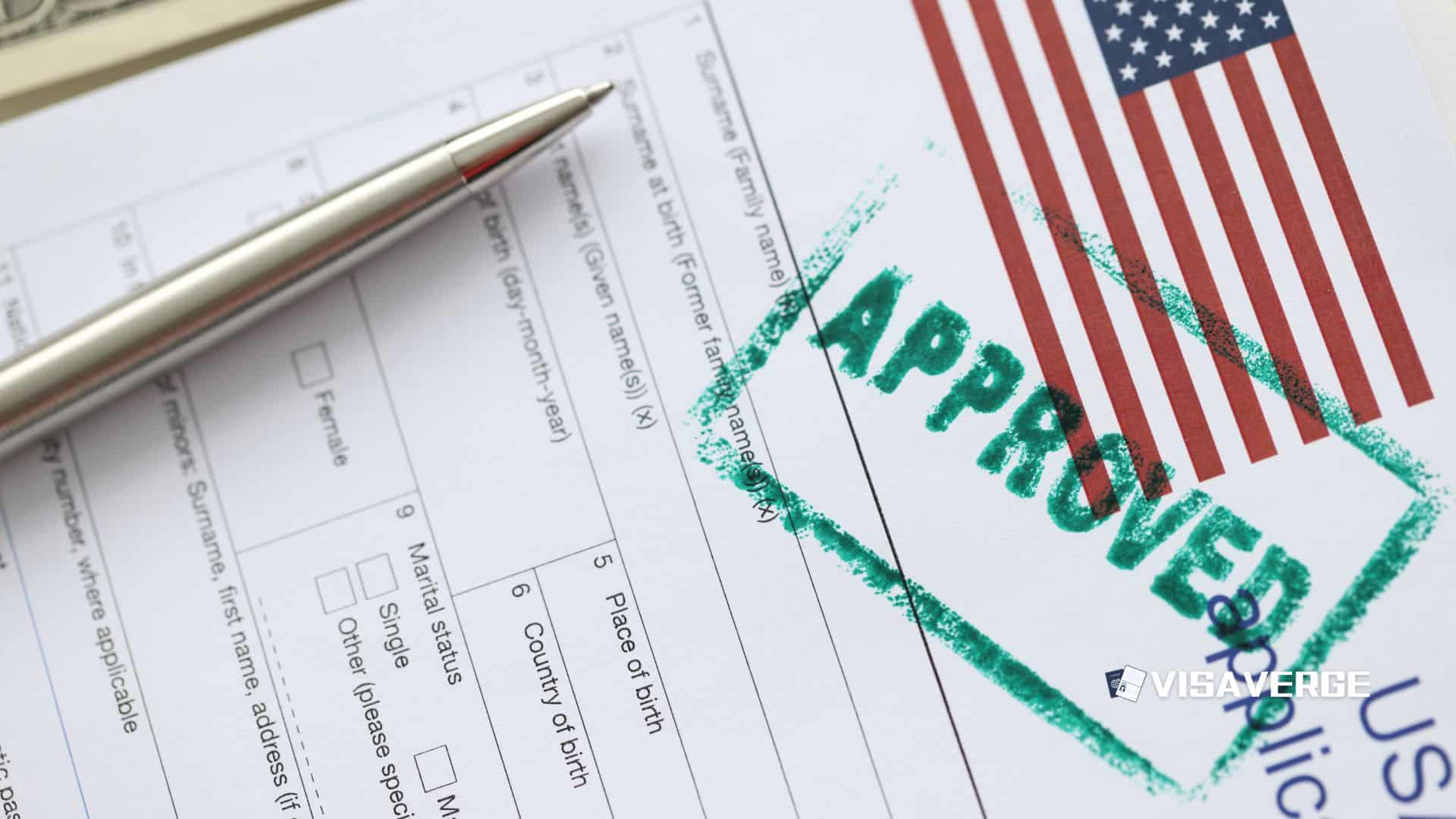
Vibrant Kiwi Green Card Holders Advised To Be Upfront About Previous Convictions When Entering Us Capture in HD
Explore this high-quality kiwi green card holders advised to be upfront about previous convictions when entering us image, perfect for enhancing your desktop or mobile wallpaper.
Vivid Kiwi Green Card Holders Advised To Be Upfront About Previous Convictions When Entering Us Artwork for Desktop
Experience the crisp clarity of this stunning kiwi green card holders advised to be upfront about previous convictions when entering us image, available in high resolution for all your screens.
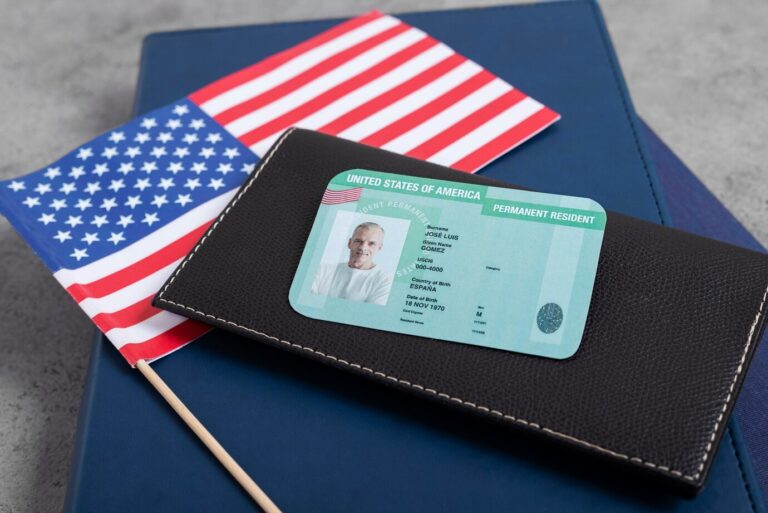
Detailed Kiwi Green Card Holders Advised To Be Upfront About Previous Convictions When Entering Us Photo Digital Art
Explore this high-quality kiwi green card holders advised to be upfront about previous convictions when entering us image, perfect for enhancing your desktop or mobile wallpaper.
Vibrant Kiwi Green Card Holders Advised To Be Upfront About Previous Convictions When Entering Us Abstract Art
Explore this high-quality kiwi green card holders advised to be upfront about previous convictions when entering us image, perfect for enhancing your desktop or mobile wallpaper.

Captivating Kiwi Green Card Holders Advised To Be Upfront About Previous Convictions When Entering Us Capture for Desktop
This gorgeous kiwi green card holders advised to be upfront about previous convictions when entering us photo offers a breathtaking view, making it a perfect choice for your next wallpaper.

Exquisite Kiwi Green Card Holders Advised To Be Upfront About Previous Convictions When Entering Us Design in 4K
Find inspiration with this unique kiwi green card holders advised to be upfront about previous convictions when entering us illustration, crafted to provide a fresh look for your background.
Mesmerizing Kiwi Green Card Holders Advised To Be Upfront About Previous Convictions When Entering Us Capture Digital Art
Explore this high-quality kiwi green card holders advised to be upfront about previous convictions when entering us image, perfect for enhancing your desktop or mobile wallpaper.
Breathtaking Kiwi Green Card Holders Advised To Be Upfront About Previous Convictions When Entering Us Capture Collection
Explore this high-quality kiwi green card holders advised to be upfront about previous convictions when entering us image, perfect for enhancing your desktop or mobile wallpaper.

Artistic Kiwi Green Card Holders Advised To Be Upfront About Previous Convictions When Entering Us Image for Mobile
Immerse yourself in the stunning details of this beautiful kiwi green card holders advised to be upfront about previous convictions when entering us wallpaper, designed for a captivating visual experience.
.jpg "Beautiful Kiwi Green Card Holders Advised To Be Upfront About Previous Convictions When Entering Us Scene Concept")
Beautiful Kiwi Green Card Holders Advised To Be Upfront About Previous Convictions When Entering Us Scene Concept
Explore this high-quality kiwi green card holders advised to be upfront about previous convictions when entering us image, perfect for enhancing your desktop or mobile wallpaper.

Vivid Kiwi Green Card Holders Advised To Be Upfront About Previous Convictions When Entering Us Moment for Mobile
Explore this high-quality kiwi green card holders advised to be upfront about previous convictions when entering us image, perfect for enhancing your desktop or mobile wallpaper.

Vivid Kiwi Green Card Holders Advised To Be Upfront About Previous Convictions When Entering Us Picture for Mobile
Experience the crisp clarity of this stunning kiwi green card holders advised to be upfront about previous convictions when entering us image, available in high resolution for all your screens.

Amazing Kiwi Green Card Holders Advised To Be Upfront About Previous Convictions When Entering Us Moment in 4K
Transform your screen with this vivid kiwi green card holders advised to be upfront about previous convictions when entering us artwork, a true masterpiece of digital design.

Spectacular Kiwi Green Card Holders Advised To Be Upfront About Previous Convictions When Entering Us Image Illustration
Find inspiration with this unique kiwi green card holders advised to be upfront about previous convictions when entering us illustration, crafted to provide a fresh look for your background.

Crisp Kiwi Green Card Holders Advised To Be Upfront About Previous Convictions When Entering Us Artwork in 4K
This gorgeous kiwi green card holders advised to be upfront about previous convictions when entering us photo offers a breathtaking view, making it a perfect choice for your next wallpaper.

Serene Kiwi Green Card Holders Advised To Be Upfront About Previous Convictions When Entering Us Capture Art
Discover an amazing kiwi green card holders advised to be upfront about previous convictions when entering us background image, ideal for personalizing your devices with vibrant colors and intricate designs.

Gorgeous Kiwi Green Card Holders Advised To Be Upfront About Previous Convictions When Entering Us Background Nature
A captivating kiwi green card holders advised to be upfront about previous convictions when entering us scene that brings tranquility and beauty to any device.

Amazing Kiwi Green Card Holders Advised To Be Upfront About Previous Convictions When Entering Us Design Digital Art
Experience the crisp clarity of this stunning kiwi green card holders advised to be upfront about previous convictions when entering us image, available in high resolution for all your screens.
Mesmerizing Kiwi Green Card Holders Advised To Be Upfront About Previous Convictions When Entering Us Moment Collection
Explore this high-quality kiwi green card holders advised to be upfront about previous convictions when entering us image, perfect for enhancing your desktop or mobile wallpaper.
Download these kiwi green card holders advised to be upfront about previous convictions when entering us wallpapers for free and use them on your desktop or mobile devices.