Texas Appeals Court Rules: Public Schools Can Require the Ten Commandments in Classrooms
Texas Appeals Court Rules: Public Schools Can Require the Ten Commandments in Classrooms
In a landmark decision that has sent ripples through the American legal and educational landscape, a US appeals court has ruled that Texas can proceed with requirements for public schools to display the Ten Commandments in classrooms. This ruling marks a significant turning point in the ongoing debate over the intersection of religion and public education, challenging decades of legal precedent and setting the stage for a potential showdown at the United States Supreme Court. As the nation grapples with shifting interpretations of the First Amendment, this decision underscores a broader judicial movement toward re-evaluating the "Establishment Clause" through the lens of history and tradition.
The Legal Foundation of the Ruling: Shifting Precedents
For nearly half a century, the display of religious texts in public schools was largely governed by the 1980 Supreme Court case Stone v. Graham. In that case, the Court struck down a Kentucky law requiring the posting of the Ten Commandments in public classrooms, arguing it had no secular legislative purpose and was plainly religious in nature. However, the legal climate in the United States has undergone a seismic shift in recent years, particularly following the Supreme Court's 2022 decision in Kennedy v. Bremerton School District.
The Kennedy ruling effectively retired the long-standing "Lemon Test"—a three-pronged approach used to determine if a government action violated the Establishment Clause. In its place, the Court established a new standard: government actions regarding religion must be evaluated based on "historical practices and understandings." The US appeals court in the Texas case cited this shift, suggesting that the Ten Commandments hold a significant place in the historical and legal foundation of Western civilization and American law, rather than being strictly an instrument of religious indoctrination.
By framing the Decalogue as a foundational legal document rather than a purely religious one, the court has opened a door that had been closed for decades. Proponents argue that the commandments represent a "moral compass" that influenced the drafting of the U.S. Constitution and the Bill of Rights. Opponents, however, maintain that this is a "historical revisionist" approach intended to bypass constitutional protections for religious minorities and non-believers.
The Texas Legislative Context: Senate Bill 1515 and Beyond
The push for religious displays in Texas classrooms is not an isolated event but part of a broader legislative trend within the state. Texas Senate Bill 1515 was the primary vehicle for this change, mandating that every public elementary or secondary school classroom display a poster of the Ten Commandments. The bill specifies the size and legibility of the posters, ensuring they are a prominent fixture in the learning environment.
Governor Greg Abbott and other state leaders have championed these measures as a return to "traditional American values." They argue that the removal of religious symbols from schools has coincided with a decline in civic virtue and social cohesion. By reintroducing these texts, supporters believe they are restoring a sense of heritage and ethics to the classroom. This legislative momentum is mirrored in other states, such as Louisiana and Oklahoma, creating a regional bloc of states testing the boundaries of the First Amendment under the current conservative-leaning judiciary.
Analysis of the Court’s Reasoning: History vs. Neutrality
The US appeals court’s decision focuses heavily on the idea of "passive displays." The court reasoned that a poster on a wall is fundamentally different from a school-led prayer or mandatory religious instruction. Because students are not forced to engage with the text or recite it, the court argued that the display does not constitute "coercion."
This "coercion test" is a key element of modern conservative legal thought. It suggests that as long as the state is not forcing a specific religious practice upon a citizen, the mere presence of religious imagery is permissible. Critics of this view, including various civil rights organizations and the ACLU, argue that for children in a compulsory environment like a public school, there is no such thing as a "passive" display. They contend that the state's endorsement of a specific religious text creates an exclusionary environment for students of different faiths or no faith at all.
| Feature/Aspect | Description |
|---|---|
| Legal Standard Applied | The "History and Tradition" test established in Kennedy v. Bremerton. |
| Primary Legislation | Texas Senate Bill 1515 (and subsequent legal challenges). |
| Argument for Display | The Ten Commandments are foundational to American law and history. |
| Argument Against Display | Violates the Establishment Clause by endorsing a specific religion. |
| Court Involved | US Court of Appeals (5th Circuit context). |
| Potential Next Step | Appeal to the United States Supreme Court. |
Implications for Religious Freedom and Pluralism
The ruling has sparked an intense national dialogue about the meaning of religious freedom in a pluralistic society. For many religious Americans, the ruling is a victory for the "free exercise" of religion, ensuring that faith is not scrubbed from the public square. They view the previous decades of secularism as a form of "hostility" toward religion rather than neutrality.
Conversely, many religious minorities—including Jews, Muslims, Hindus, and Buddhists—as well as atheists and secular humanists, view the ruling as a step toward "Christian Nationalism." They argue that by selecting the Ten Commandments, the state is specifically favoring Judeo-Christian traditions over all others. This raises practical questions for school districts: If the Ten Commandments are allowed, must schools also display the Five Pillars of Islam, the Eightfold Path of Buddhism, or the Seven Noahide Laws if requested by students or parents?
The appeals court largely sidestepped these questions of "equal access," focusing instead on the specific historical role of the Decalogue in American law. However, as school boards begin to implement these mandates, they are likely to face a barrage of requests for inclusive displays, potentially leading to further litigation over "viewpoint discrimination."
The Role of the Fifth Circuit Court of Appeals
It is important to note the role of the 5th Circuit Court of Appeals, which oversees Texas, Louisiana, and Mississippi. This court is widely regarded as one of the most conservative appellate courts in the country. Its willingness to push the boundaries of established law has made it a favorite venue for conservative litigants seeking to challenge federal regulations or expand religious liberties.
The 5th Circuit’s decision in this case is consistent with its recent track record of prioritizing religious liberty and state's rights. By upholding the Texas mandate, the court is essentially signaling to other states in its jurisdiction that they have a green light to experiment with similar policies. This creates a "legal laboratory" where the traditional wall of separation between church and state is being systematically dismantled and rebuilt.
Potential Economic and Social Impacts on School Districts
Beyond the legal and constitutional debates, the ruling carries practical implications for Texas school districts. Many districts are already facing budgetary constraints and teacher shortages. The requirement to purchase, frame, and install posters in every single classroom—from kindergarten to high school—represents an unfunded mandate that some administrators find burdensome.
Furthermore, there is the human element. Teachers are often on the front lines of these cultural battles. Some educators may feel empowered by the ruling, while others may feel it compromises their professional duty to provide a neutral and inclusive environment for all students. There are also concerns about bullying; students from minority faiths may feel "othered" by the prominent display of a text that does not represent their family's beliefs, leading to potential social friction within the student body.
The Road to the Supreme Court
Legal experts agree that this case is on a fast track to the US Supreme Court. Given the current 6-3 conservative majority on the high court, many believe the Texas ruling has a high likelihood of being upheld. A Supreme Court affirmation would officially overturn *Stone v. Graham* and fundamentally redefine the Establishment Clause for the entire country.
Such a ruling would be one of the most significant moments in constitutional history, potentially paving the way for more religious involvement in public institutions. It could influence everything from school vouchers and public funding for religious schools to the presence of chaplains in government agencies. The Texas case is not just about a poster; it is about the very identity of the American public square.
Expert Opinions: What Constitutional Scholars are Saying
Constitutional scholars are deeply divided on the merits of the appeals court's reasoning. Some, like those at the Becket Fund for Religious Liberty, argue that the court is simply correcting a "wrong turn" taken in the mid-20th century. They believe that the Founders never intended for public life to be devoid of religious expression and that the Ten Commandments are as much a part of our national heritage as the Declaration of Independence.
On the other side, scholars from the Brennan Center for Justice and the Harvard Law Review have expressed concern that the "history and tradition" test is too vague. They argue that history can be "cherry-picked" to support almost any outcome and that the court is ignoring the history of religious persecution that the Establishment Clause was designed to prevent. They warn that by allowing the majority to impose its symbols on the minority, the court is undermining the core promise of American democracy: that all citizens are equal regardless of their faith.
Public Reaction and the "Culture War" Dynamics
Public opinion on the matter is as polarized as the legal community. Polls indicate that a majority of Texans support the display of the Ten Commandments, viewing it as a common-sense measure to promote morality. However, national polls show a much more divided public, with younger generations significantly more likely to oppose religious displays in public schools.
Social media has become a primary battleground for this debate, with hashtags like #FirstAmendment, #TexasLaw, and #TenCommandments trending as news of the ruling broke. The case has also become a focal point for political campaigns, with candidates on both sides using the ruling to energize their bases. In an election year, the Texas ruling serves as a potent reminder of the high stakes involved in judicial appointments and the long-term impact of the federal courts.
Conclusion: A New Era for American Education?
The US appeals court ruling allowing Texas public schools to require the display of the Ten Commandments represents a major shift in American law. By moving away from the "Lemon Test" and toward a "history and tradition" standard, the judiciary is reshaping the boundaries between church and state. While supporters celebrate this as a restoration of moral foundations, critics fear it is the beginning of the end for religious neutrality in public education.
As the case moves toward the Supreme Court, the eyes of the nation will remain on Texas. The outcome will not only determine what hangs on classroom walls but will also define the future of religious pluralism and the First Amendment in the United States. Whether this leads to a more "virtuous" society or one more deeply divided by faith remains to be seen, but one thing is certain: the "wall of separation" is being rebuilt with a very different architecture.
Frequently Asked Questions (FAQ)
1. Does this ruling mean all Texas schools must display the Ten Commandments immediately?
The ruling provides the legal clearance for the state to enforce the requirement. However, individual school districts may wait for specific guidance from the Texas Education Agency (TEA) or for the conclusion of any further appeals before completing the full installation in every classroom.
2. How does this ruling affect students of other religions?
The court's decision treats the display as a "passive" and "historical" artifact. However, civil rights groups argue that it creates a coercive environment for non-Christian or non-Jewish students. The practical effect on student experience will likely vary depending on the local school culture and how the law is implemented.
3. Will this lead to other religious texts being displayed?
Under current legal theories of "viewpoint neutrality," if a school allows one religious display, it may be legally obligated to allow others if requested. However, the Texas bill specifically targets the Ten Commandments based on their "historical significance" to American law, a distinction the court upheld, which may limit the inclusion of other texts.
4. What happened to the "Separation of Church and State"?
The phrase is not actually in the Constitution but is a shorthand for the Establishment Clause. The current judiciary is moving away from a strict "wall of separation" toward a "historical accommodation" model, where the government can acknowledge and display religious symbols that have deep historical roots in the country.
Summary of the Controversy
The Texas Ten Commandments ruling is more than just a local policy shift; it is a signal of a new judicial era. As the legal system moves toward an "originalist" interpretation of the Constitution, many long-standing protections for secularism are being challenged. This case serves as a benchmark for how the United States will balance its religious heritage with its commitment to a diverse and inclusive future. Educators, parents, and legal experts will be watching closely as the next chapter of this constitutional drama unfolds in Washington, D.C.
Texas can require public schools to display the Ten Commandments in classrooms, US appeals court rules
Texas can require public schools to display the Ten Commandments in classrooms, US appeals court rules Wallpapers
Collection of texas can require public schools to display the ten commandments in classrooms, us appeals court rules wallpapers for your desktop and mobile devices.

Crisp Texas Can Require Public Schools To Display The Ten Commandments In Classrooms, Us Appeals Court Rules Design Concept
A captivating texas can require public schools to display the ten commandments in classrooms, us appeals court rules scene that brings tranquility and beauty to any device.
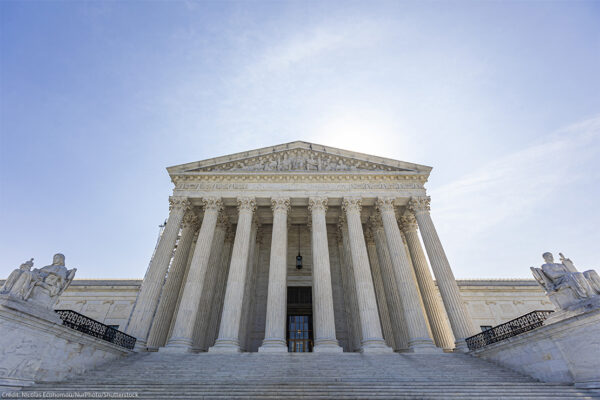
Captivating Texas Can Require Public Schools To Display The Ten Commandments In Classrooms, Us Appeals Court Rules Capture in 4K
Immerse yourself in the stunning details of this beautiful texas can require public schools to display the ten commandments in classrooms, us appeals court rules wallpaper, designed for a captivating visual experience.
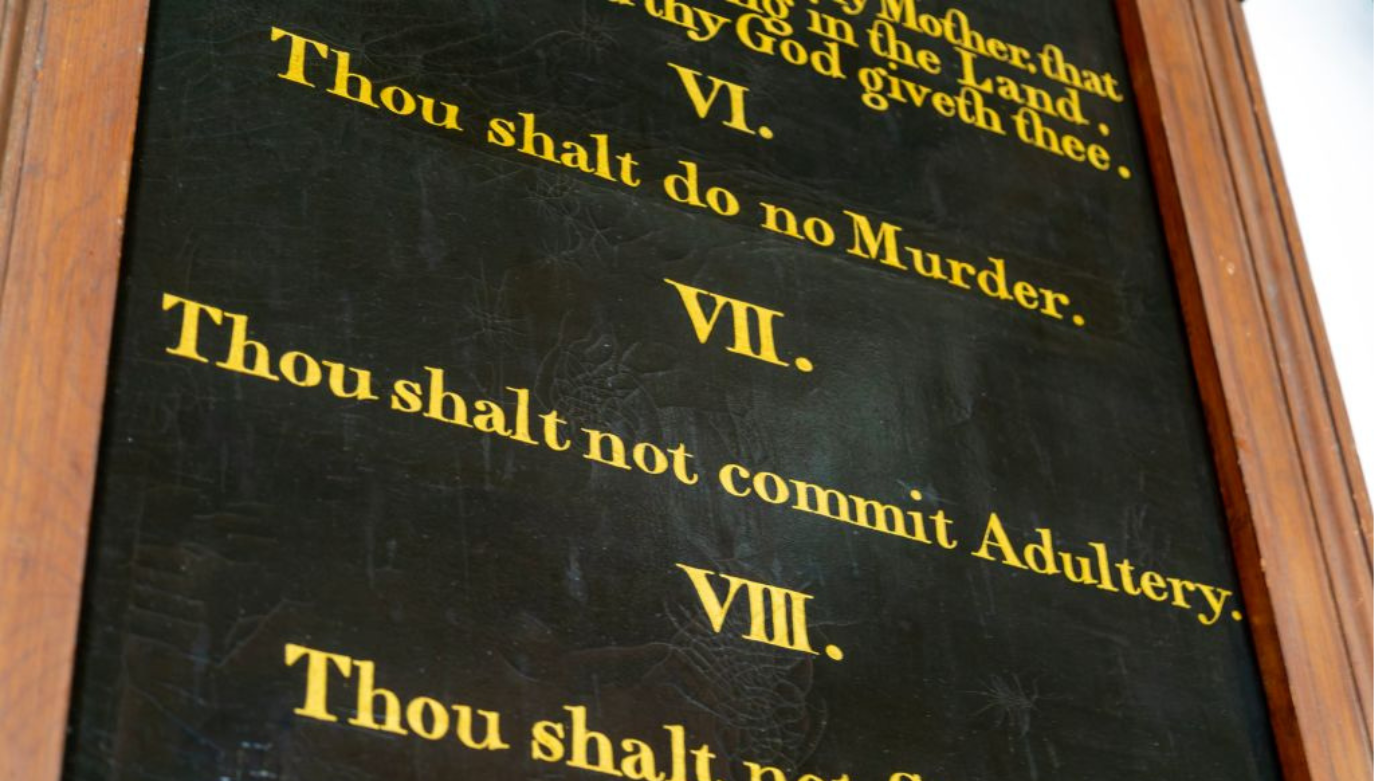
Spectacular Texas Can Require Public Schools To Display The Ten Commandments In Classrooms, Us Appeals Court Rules Scene Illustration
Find inspiration with this unique texas can require public schools to display the ten commandments in classrooms, us appeals court rules illustration, crafted to provide a fresh look for your background.
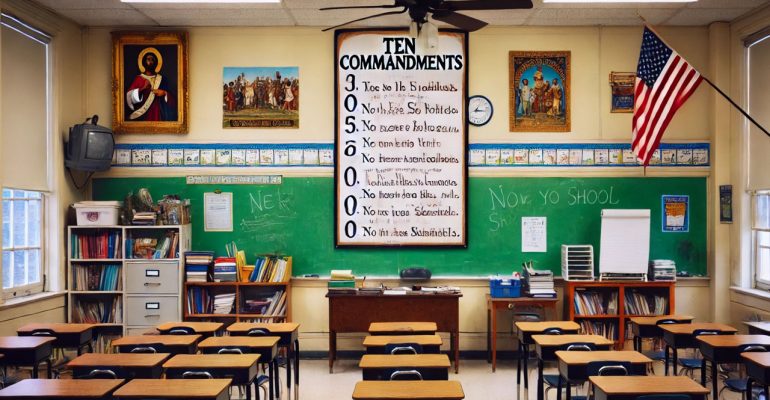
Spectacular Texas Can Require Public Schools To Display The Ten Commandments In Classrooms, Us Appeals Court Rules Landscape in 4K
Find inspiration with this unique texas can require public schools to display the ten commandments in classrooms, us appeals court rules illustration, crafted to provide a fresh look for your background.
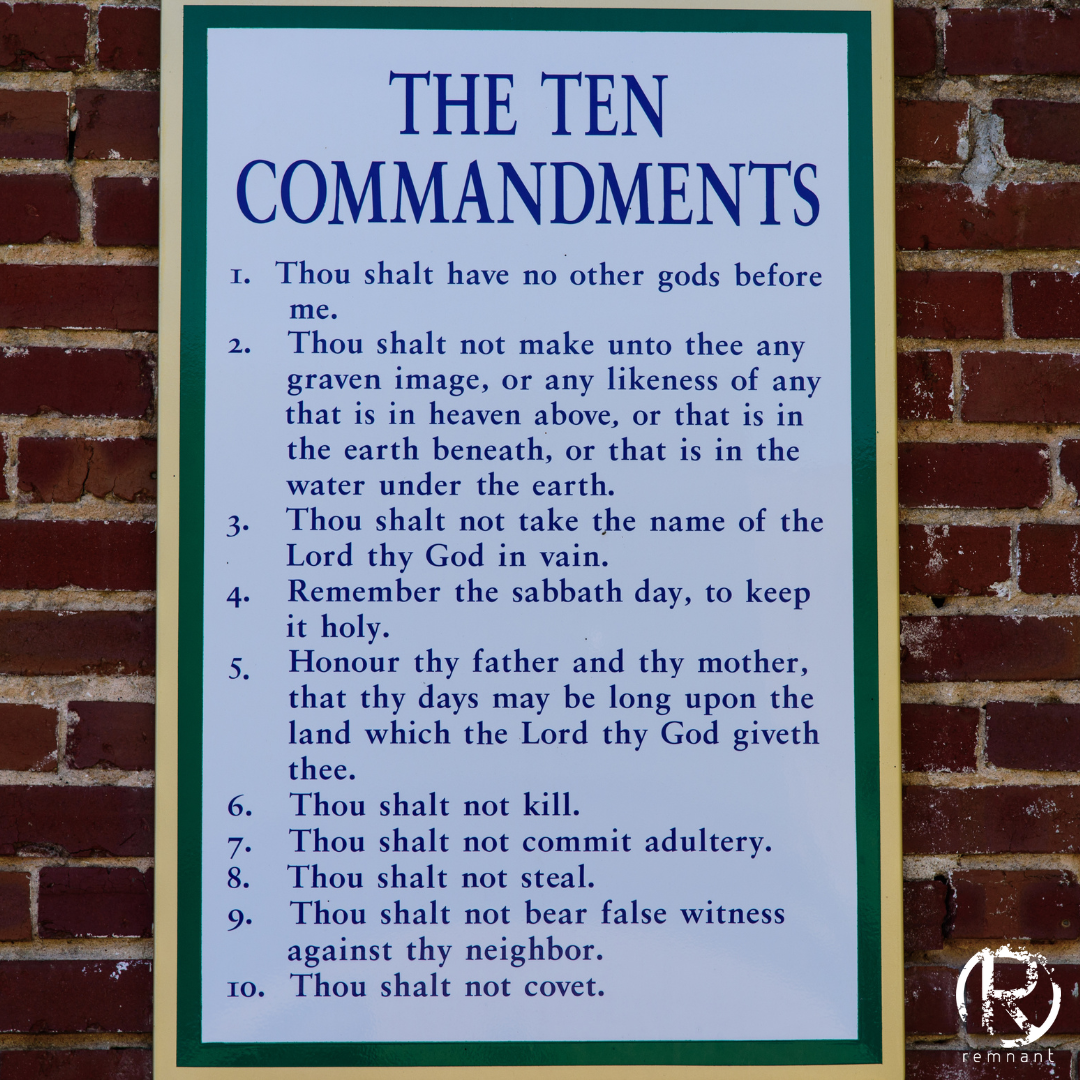
Crisp Texas Can Require Public Schools To Display The Ten Commandments In Classrooms, Us Appeals Court Rules Artwork Illustration
Immerse yourself in the stunning details of this beautiful texas can require public schools to display the ten commandments in classrooms, us appeals court rules wallpaper, designed for a captivating visual experience.
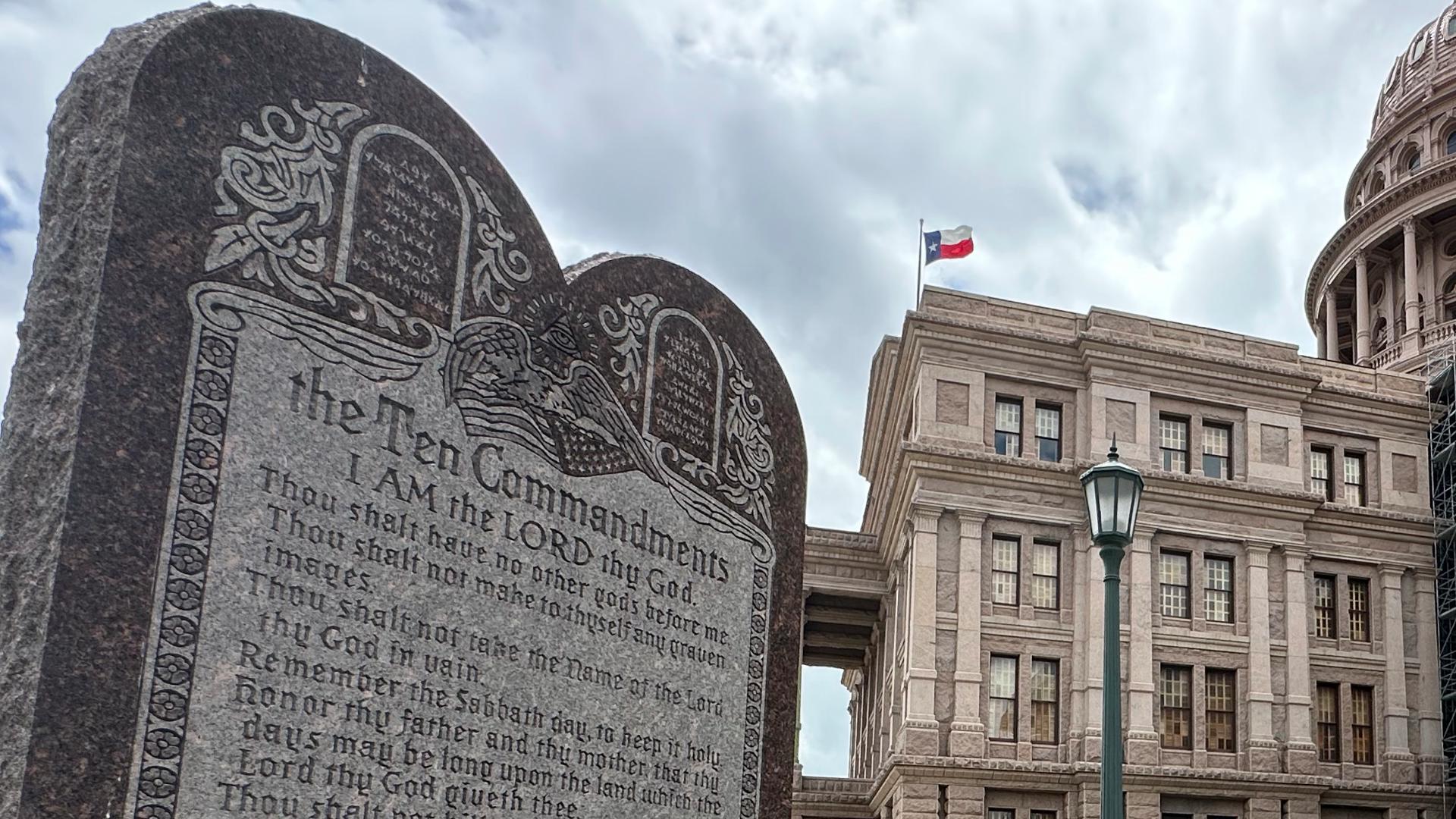
Detailed Texas Can Require Public Schools To Display The Ten Commandments In Classrooms, Us Appeals Court Rules Artwork Illustration
Discover an amazing texas can require public schools to display the ten commandments in classrooms, us appeals court rules background image, ideal for personalizing your devices with vibrant colors and intricate designs.
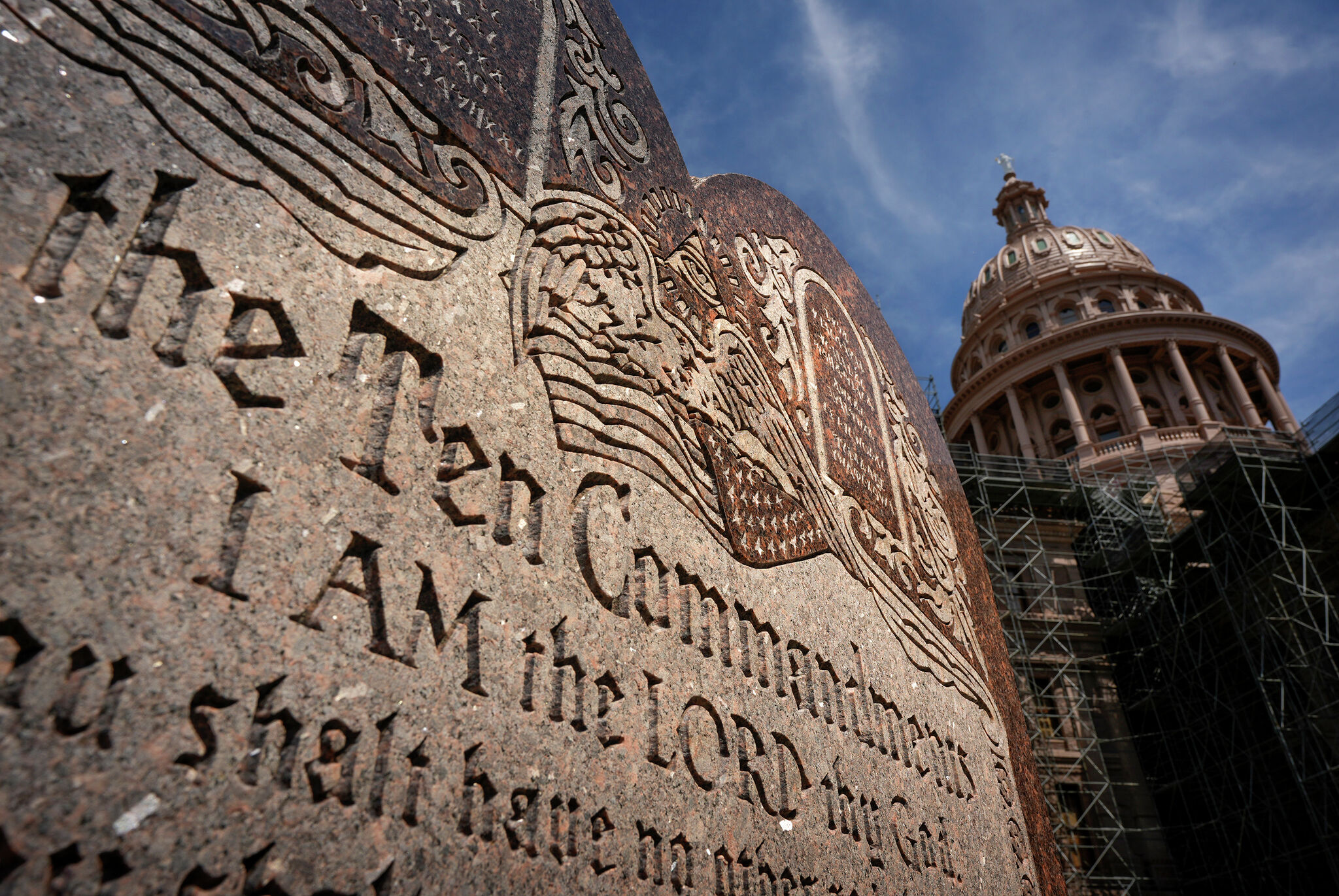
Lush Texas Can Require Public Schools To Display The Ten Commandments In Classrooms, Us Appeals Court Rules Design in 4K
Immerse yourself in the stunning details of this beautiful texas can require public schools to display the ten commandments in classrooms, us appeals court rules wallpaper, designed for a captivating visual experience.
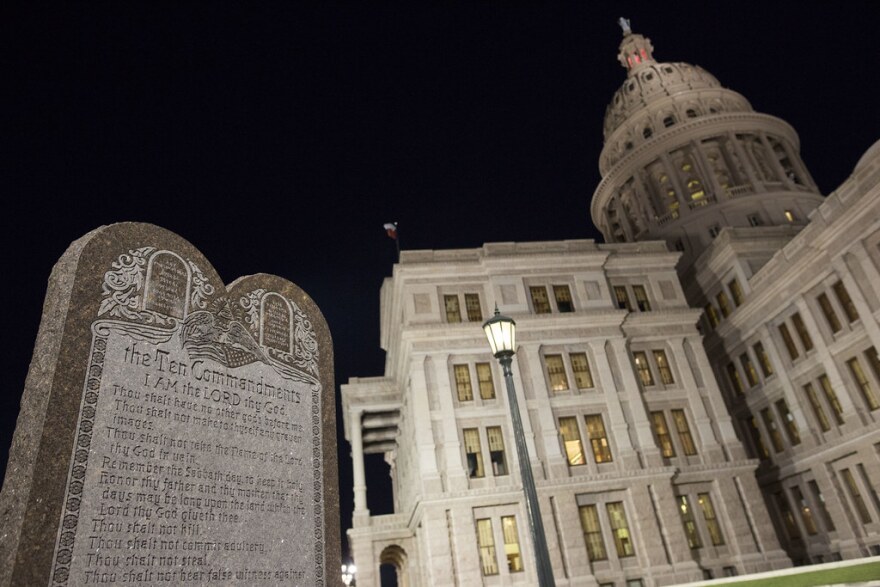
Beautiful Texas Can Require Public Schools To Display The Ten Commandments In Classrooms, Us Appeals Court Rules Artwork in 4K
Discover an amazing texas can require public schools to display the ten commandments in classrooms, us appeals court rules background image, ideal for personalizing your devices with vibrant colors and intricate designs.
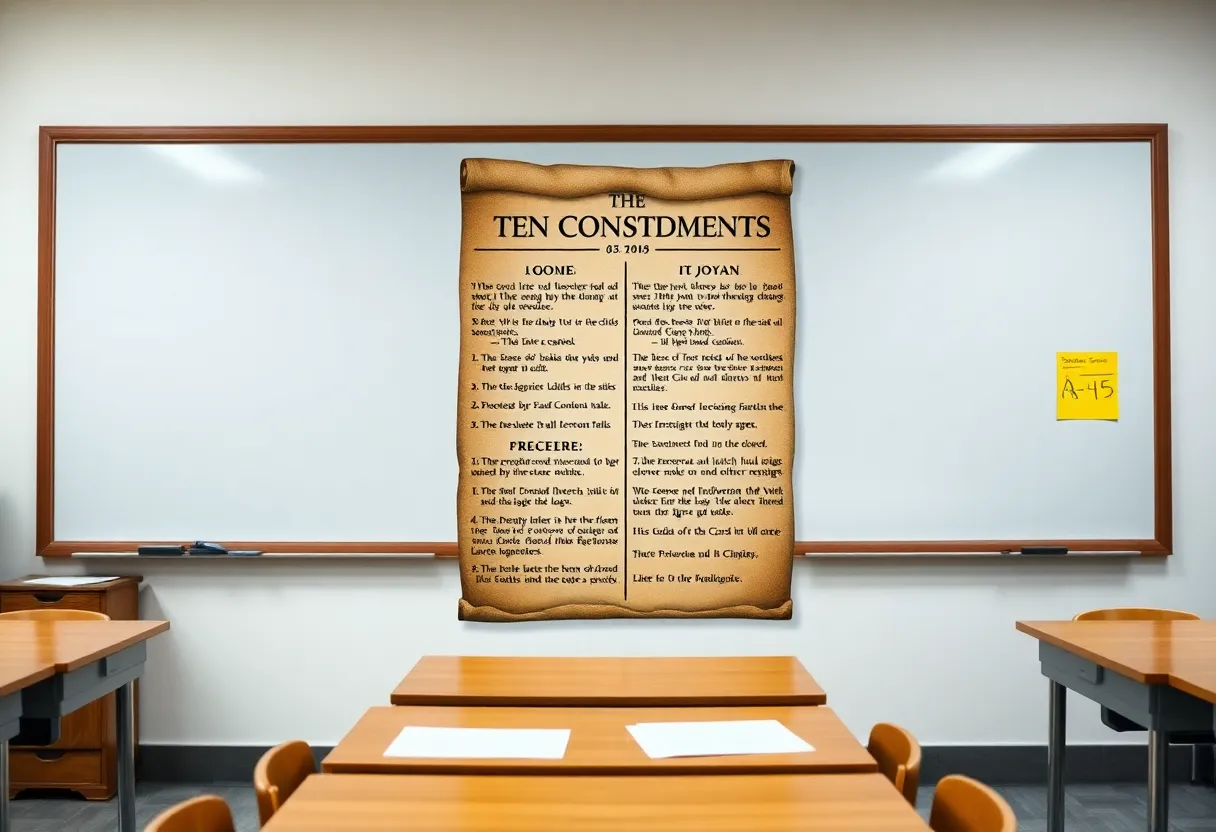
Vibrant Texas Can Require Public Schools To Display The Ten Commandments In Classrooms, Us Appeals Court Rules Image Photography
Explore this high-quality texas can require public schools to display the ten commandments in classrooms, us appeals court rules image, perfect for enhancing your desktop or mobile wallpaper.
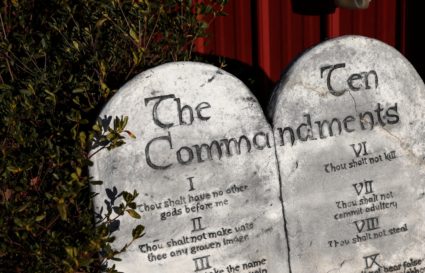
Artistic Texas Can Require Public Schools To Display The Ten Commandments In Classrooms, Us Appeals Court Rules Wallpaper Concept
A captivating texas can require public schools to display the ten commandments in classrooms, us appeals court rules scene that brings tranquility and beauty to any device.

Vivid Texas Can Require Public Schools To Display The Ten Commandments In Classrooms, Us Appeals Court Rules Image Art
Experience the crisp clarity of this stunning texas can require public schools to display the ten commandments in classrooms, us appeals court rules image, available in high resolution for all your screens.

Crisp Texas Can Require Public Schools To Display The Ten Commandments In Classrooms, Us Appeals Court Rules Photo Collection
A captivating texas can require public schools to display the ten commandments in classrooms, us appeals court rules scene that brings tranquility and beauty to any device.
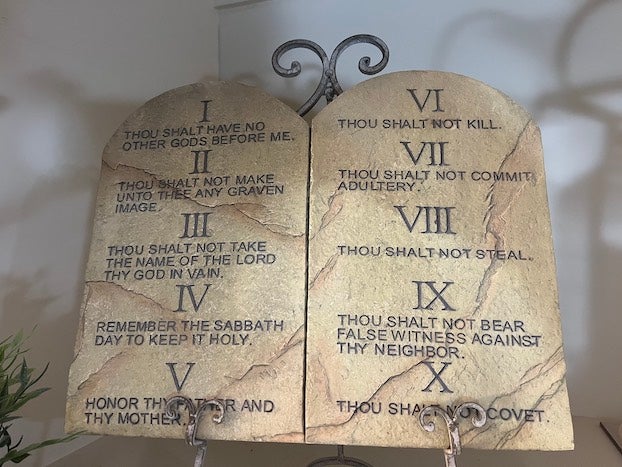
Spectacular Texas Can Require Public Schools To Display The Ten Commandments In Classrooms, Us Appeals Court Rules Wallpaper Digital Art
This gorgeous texas can require public schools to display the ten commandments in classrooms, us appeals court rules photo offers a breathtaking view, making it a perfect choice for your next wallpaper.

Gorgeous Texas Can Require Public Schools To Display The Ten Commandments In Classrooms, Us Appeals Court Rules Scene Collection
Find inspiration with this unique texas can require public schools to display the ten commandments in classrooms, us appeals court rules illustration, crafted to provide a fresh look for your background.
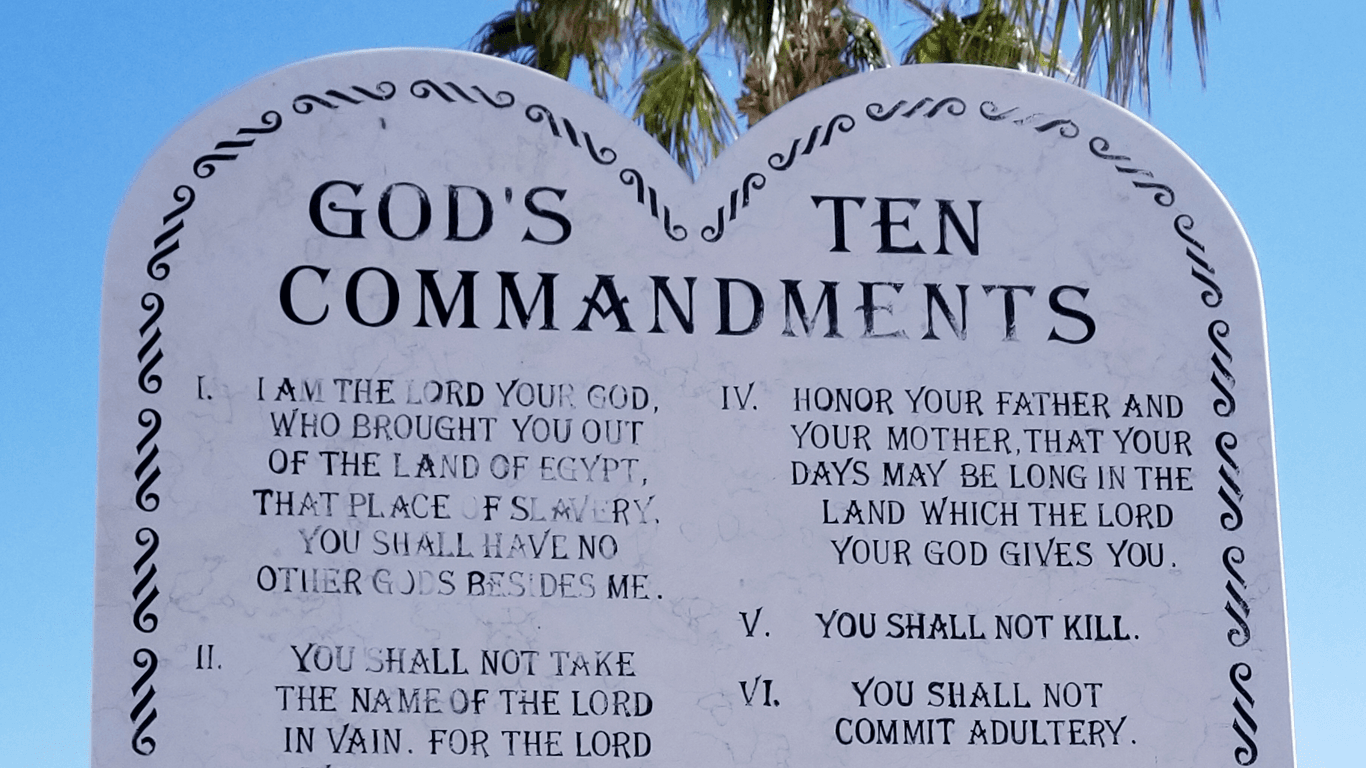
Gorgeous Texas Can Require Public Schools To Display The Ten Commandments In Classrooms, Us Appeals Court Rules Wallpaper for Mobile
A captivating texas can require public schools to display the ten commandments in classrooms, us appeals court rules scene that brings tranquility and beauty to any device.
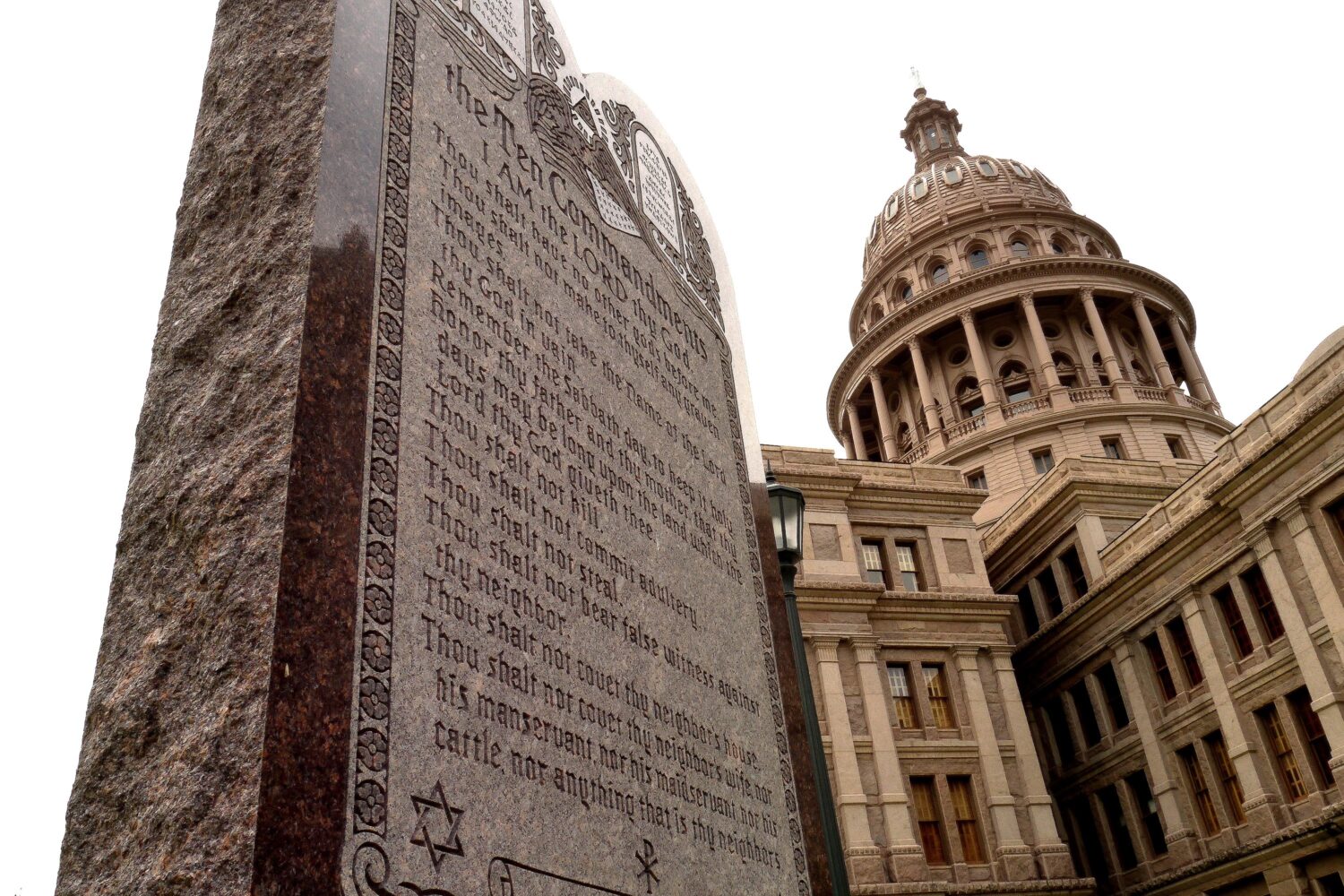
Stunning Texas Can Require Public Schools To Display The Ten Commandments In Classrooms, Us Appeals Court Rules Capture Nature
A captivating texas can require public schools to display the ten commandments in classrooms, us appeals court rules scene that brings tranquility and beauty to any device.
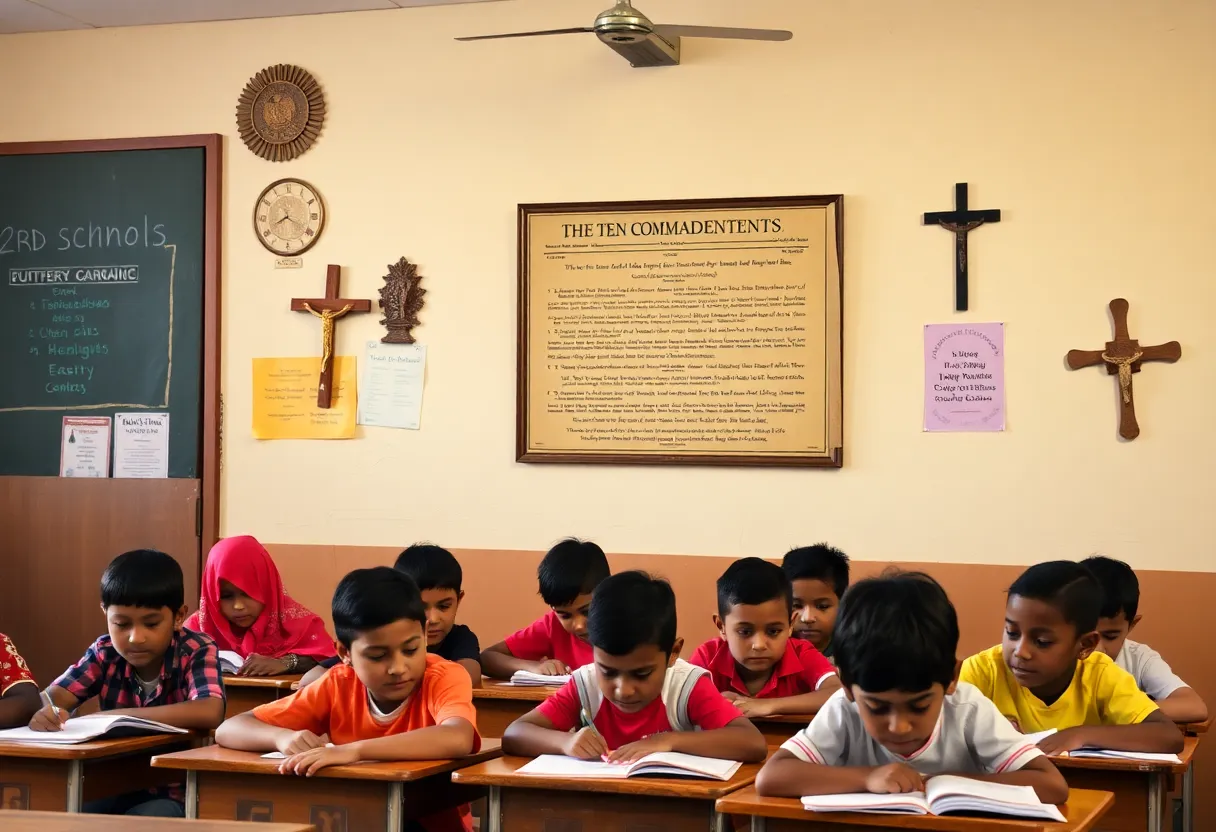
Detailed Texas Can Require Public Schools To Display The Ten Commandments In Classrooms, Us Appeals Court Rules Wallpaper Digital Art
Experience the crisp clarity of this stunning texas can require public schools to display the ten commandments in classrooms, us appeals court rules image, available in high resolution for all your screens.
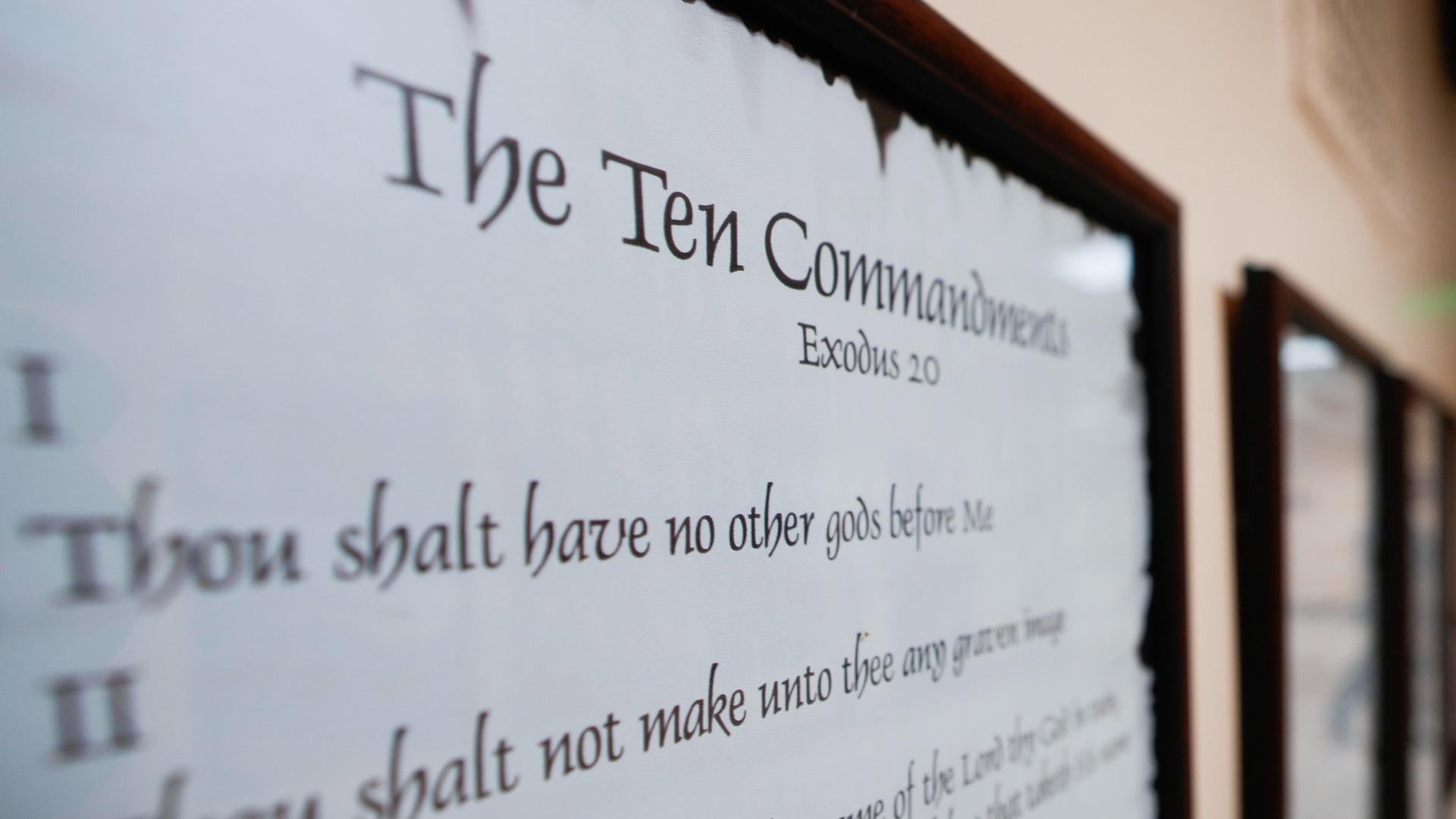
Lush Texas Can Require Public Schools To Display The Ten Commandments In Classrooms, Us Appeals Court Rules View Concept
This gorgeous texas can require public schools to display the ten commandments in classrooms, us appeals court rules photo offers a breathtaking view, making it a perfect choice for your next wallpaper.
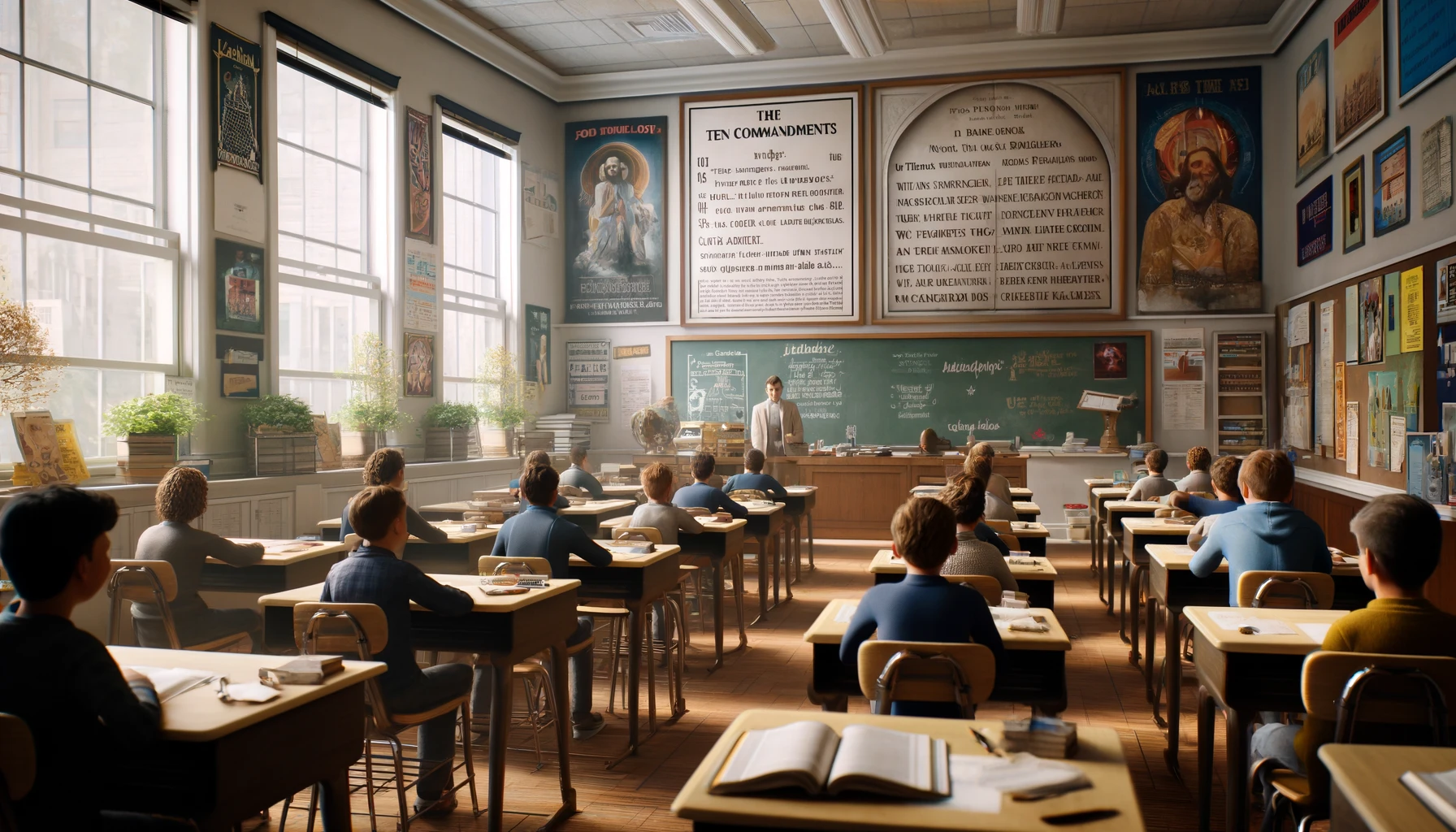
Amazing Texas Can Require Public Schools To Display The Ten Commandments In Classrooms, Us Appeals Court Rules Abstract Collection
Experience the crisp clarity of this stunning texas can require public schools to display the ten commandments in classrooms, us appeals court rules image, available in high resolution for all your screens.

Stunning Texas Can Require Public Schools To Display The Ten Commandments In Classrooms, Us Appeals Court Rules Photo Photography
This gorgeous texas can require public schools to display the ten commandments in classrooms, us appeals court rules photo offers a breathtaking view, making it a perfect choice for your next wallpaper.
Download these texas can require public schools to display the ten commandments in classrooms, us appeals court rules wallpapers for free and use them on your desktop or mobile devices.