Why do Earth's colors appear muted in new photos from Artemis II?
Why Do Earth's Colors Appear Muted in New Photos from Artemis II?
As humanity prepares to return to the lunar vicinity with the Artemis II mission, the world is buzzing with anticipation. However, as preliminary test images and data from the Artemis program—specifically those involving the Orion spacecraft—begin to circulate, a common question has emerged among the public: Why do Earth's colors appear muted in these new photos? Compared to the vibrant, high-saturation "Blue Marble" images we’ve grown accustomed to over decades of digital media and scientific visualization, the raw or minimally processed imagery from deep space can seem surprisingly desaturated, almost hazy.
The answer is not a single factor but a fascinating intersection of physics, camera technology, atmospheric science, and the philosophy of scientific imaging. In this deep dive, we explore why the Earth looks different through the eyes of Artemis II than it does on your smartphone or in a Hollywood blockbuster. We will examine the technical nuances of the Orion spacecraft's camera systems, the reality of light scattering in space, and the shift from analog film to advanced digital sensors.
The Physics of Light: Rayleigh Scattering and the Overview Effect
One of the primary reasons Earth appears "muted" in deep-space photography is the atmosphere itself. When we are on the ground, we look up through the atmosphere, and the blue sky seems incredibly vivid. When viewed from several hundred thousand miles away, however, we are looking at light reflected off the Earth's surface through that same thick layer of gas and moisture.
Rayleigh scattering is the phenomenon where shorter wavelengths of light (blue and violet) are scattered more easily than longer wavelengths. While this makes our sky blue, it also creates a "luminous veil" when viewed from space. From the perspective of Artemis II, the Earth is encased in a delicate, glowing shell of scattered light. This scattering adds a layer of "white" or "light blue" noise to the image, which naturally reduces the contrast and desaturates the greens of the forests and the deep blues of the oceans. To a camera sensor calibrated for accuracy, this looks like a "haze," resulting in colors that appear less "punchy" than we might expect.
The Distance Factor: 240,000 Miles of Separation
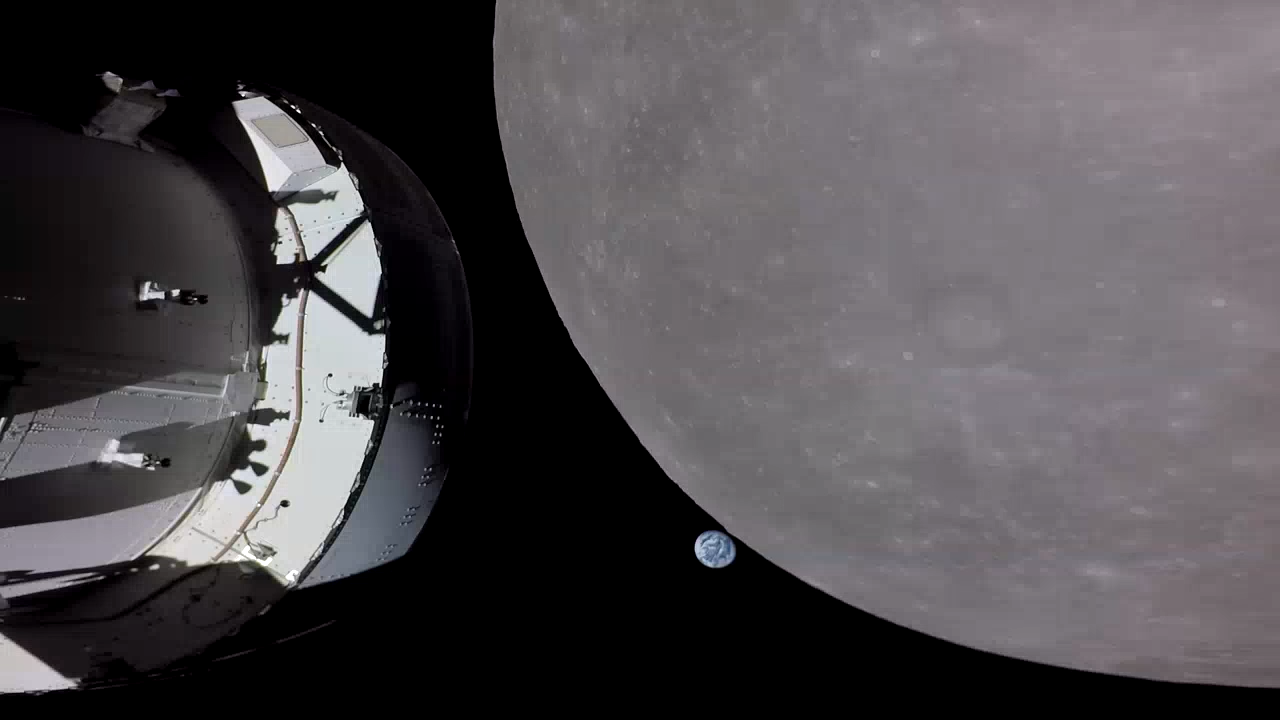
Most photos of Earth we see daily are taken by Low Earth Orbit (LEO) satellites, such as those that power Google Earth or the International Space Station (ISS). These cameras are only about 250 miles above the surface. At that range, the camera can resolve high-contrast details and cut through much of the atmospheric interference. Artemis II, however, is a lunar mission. As Orion travels toward the Moon, it reaches distances of over 240,000 miles. At this scale, the Earth is a small disk, and the sheer volume of space and the angle of the sun play massive roles in how color is perceived. The "muted" look is often a more honest representation of how Earth looks when viewed as a distant celestial body rather than a close-up map.
Digital Sensors vs. The Legacy of Apollo Film
When people think of "space photos," they often think of the iconic Apollo 17 "Blue Marble" or the "Earthrise" photos from Apollo 8. These images are incredibly vibrant, with deep blacks and rich, saturated blues. However, there is a fundamental technological difference between the 1960s and today: Film vs. Digital.
The Apollo astronauts used Hasselblad cameras loaded with 70mm Kodak Ektachrome color reversal film. Film has a non-linear response to light; it naturally enhances contrast and saturation during the chemical development process. Ektachrome, in particular, was famous for its vivid "professional" look. The images we remember from the 20th century were, in a sense, "naturally filtered" by the chemistry of the film.
Artemis II uses state-of-the-art CMOS digital sensors. These sensors are designed for high dynamic range (HDR) and scientific accuracy. Unlike film, which "clips" shadows and highlights to create a dramatic look, digital sensors in space missions are often set to capture as much data as possible. This results in a "flat" or "muted" RAW image. In the world of professional photography and cinematography, a "flat" image is a sign of high quality—it means no data was lost to extreme highlights or shadows, allowing scientists to adjust the image later for specific needs.
| Feature/Aspect | Technical Explanation |
|---|---|
| Sensor Type | High-performance CMOS sensors designed for extreme radiation environments. |
| Color Profile | Linear/Logarithmic profiles that prioritize data retention over aesthetic saturation. |
| Atmospheric Haze | Rayleigh scattering and Mie scattering create a soft-focus effect from deep space. |
| Radiation Shielding | Protective layers on lenses and sensors can subtly shift color balance. |
| Post-Processing | NASA often releases "natural color" images which lack the digital "pop" of consumer photos. |
The Role of Radiation and Camera Protection
Deep space is a hostile environment, not just for humans but for electronics. Outside the protection of Earth's Van Allen radiation belts, high-energy particles can "pepper" a camera sensor, creating white spots or "noise." To combat this, the cameras on Artemis II and the Orion capsule are heavily shielded.
The lenses are often coated with specialized materials to prevent radiation damage and to minimize the impact of solar flares. These coatings, while essential for the survival of the hardware, can slightly alter the transmission of light. Furthermore, the windows of the Orion spacecraft are made of multiple layers of high-strength glass and polycarbonate. Taking a photo through these layers is like taking a photo through a triple-paned, high-tech window; it can lead to subtle reflections and a reduction in the "crispness" of the colors, contributing to that muted aesthetic.
Scientific Calibration: Why Accuracy Trumps Beauty
For NASA, a photo is rarely just a photo—it is data. When the Artemis II cameras capture Earth or the Moon, the goal is often to measure specific phenomena, such as cloud patterns, surface composition, or light reflectance (albedo). If the camera were programmed to automatically "beautify" the image by cranking up the saturation, it would destroy the scientific value of the pixels.
Scientists need to know exactly how much light is hitting the sensor. Therefore, the images are often calibrated to "True Color" or "Neutral Color." True color is what the human eye would actually see if you were standing there. Interestingly, the human eye is not as good at seeing vibrant colors in high-contrast environments (like the blackness of space next to a bright planet) as we think. Our brains often "fill in" the colors. The "muted" images are actually a more honest representation of the desaturating effect of the vacuum and the distance.
HDR and the Challenge of Extreme Contrast
Space is a place of extreme lighting. You have the blinding brightness of the sun-lit Earth and the absolute, perfect blackness of the void. Most consumer cameras would either show the Earth as a white blob or the space as a noisy gray mess. The Artemis II cameras use High Dynamic Range (HDR) techniques to balance these two extremes.
By compressing the dynamic range so that both the bright clouds and the dark space are visible in the same frame, the overall "contrast" of the image is lowered. This is a common effect in photography: as you bring up the shadows and pull down the highlights to see everything, the "mid-tones" (where most of the color lives) can appear flatter. This is why the vibrant greens and blues appear more like pastels.
Conclusion: A New Era of Realism
While the "muted" colors of Earth in Artemis II photos might be surprising to those used to the hyper-saturated world of Instagram filters and high-definition TV, they represent a new era of space exploration. These images are not just postcards; they are high-fidelity records of our planet from a vantage point few will ever experience.
The combination of scientific calibration, digital sensor technology, atmospheric physics, and the necessity of radiation shielding all contribute to this unique look. As we move closer to the launch of Artemis II and eventually Artemis III, we should learn to appreciate these images for what they are: the most accurate, data-rich, and "real" views of our home planet ever captured from the depths of space. The Earth isn't losing its color; we are simply seeing it with more clarity and honesty than ever before.
Frequently Asked Questions (FAQ)
No, the Earth is not losing its color. The "muted" appearance is purely a result of the distance from which the photos are taken, the atmospheric scattering of light, and the way modern digital sensors record scientific data compared to old-fashioned film.
Yes. NASA often releases "public outreach" versions of images where the contrast and saturation are adjusted to make them more visually appealing to the general public. However, the raw scientific data remains muted to ensure accuracy.
The Apollo photos used Kodak Ektachrome film, which naturally boosted colors and contrast. The Artemis photos use digital sensors that capture a wider range of light but require post-processing to achieve that same "punchy" look. Additionally, Artemis cameras are often capturing images for navigation and engineering, not just photography.
Yes. Orion has thick, multi-paneled windows designed to withstand the heat of re-entry and the pressure of space. Taking photos through these thick layers can cause slight color shifts and a reduction in sharpness compared to a camera mounted outside the hull.
Why do Earth's colors appear muted in new photos from Artemis II?
Why do Earth's colors appear muted in new photos from Artemis II? Wallpapers
Collection of why do earth's colors appear muted in new photos from artemis ii? wallpapers for your desktop and mobile devices.

Exquisite Why Do Earth's Colors Appear Muted In New Photos From Artemis Ii? Background in 4K
This gorgeous why do earth's colors appear muted in new photos from artemis ii? photo offers a breathtaking view, making it a perfect choice for your next wallpaper.

Spectacular Why Do Earth's Colors Appear Muted In New Photos From Artemis Ii? Image Concept
This gorgeous why do earth's colors appear muted in new photos from artemis ii? photo offers a breathtaking view, making it a perfect choice for your next wallpaper.

Exquisite Why Do Earth's Colors Appear Muted In New Photos From Artemis Ii? View for Mobile
Find inspiration with this unique why do earth's colors appear muted in new photos from artemis ii? illustration, crafted to provide a fresh look for your background.

Stunning Why Do Earth's Colors Appear Muted In New Photos From Artemis Ii? Capture Photography
Immerse yourself in the stunning details of this beautiful why do earth's colors appear muted in new photos from artemis ii? wallpaper, designed for a captivating visual experience.
Beautiful Why Do Earth's Colors Appear Muted In New Photos From Artemis Ii? Background for Desktop
Experience the crisp clarity of this stunning why do earth's colors appear muted in new photos from artemis ii? image, available in high resolution for all your screens.

Crisp Why Do Earth's Colors Appear Muted In New Photos From Artemis Ii? View Digital Art
This gorgeous why do earth's colors appear muted in new photos from artemis ii? photo offers a breathtaking view, making it a perfect choice for your next wallpaper.

Stunning Why Do Earth's Colors Appear Muted In New Photos From Artemis Ii? Moment Nature
This gorgeous why do earth's colors appear muted in new photos from artemis ii? photo offers a breathtaking view, making it a perfect choice for your next wallpaper.
Artistic Why Do Earth's Colors Appear Muted In New Photos From Artemis Ii? Image Nature
Find inspiration with this unique why do earth's colors appear muted in new photos from artemis ii? illustration, crafted to provide a fresh look for your background.

Artistic Why Do Earth's Colors Appear Muted In New Photos From Artemis Ii? Capture Collection
This gorgeous why do earth's colors appear muted in new photos from artemis ii? photo offers a breathtaking view, making it a perfect choice for your next wallpaper.
Crisp Why Do Earth's Colors Appear Muted In New Photos From Artemis Ii? Abstract for Mobile
This gorgeous why do earth's colors appear muted in new photos from artemis ii? photo offers a breathtaking view, making it a perfect choice for your next wallpaper.

Spectacular Why Do Earth's Colors Appear Muted In New Photos From Artemis Ii? Background Digital Art
Find inspiration with this unique why do earth's colors appear muted in new photos from artemis ii? illustration, crafted to provide a fresh look for your background.

Beautiful Why Do Earth's Colors Appear Muted In New Photos From Artemis Ii? Artwork for Mobile
Explore this high-quality why do earth's colors appear muted in new photos from artemis ii? image, perfect for enhancing your desktop or mobile wallpaper.
Lush Why Do Earth's Colors Appear Muted In New Photos From Artemis Ii? View Digital Art
Find inspiration with this unique why do earth's colors appear muted in new photos from artemis ii? illustration, crafted to provide a fresh look for your background.
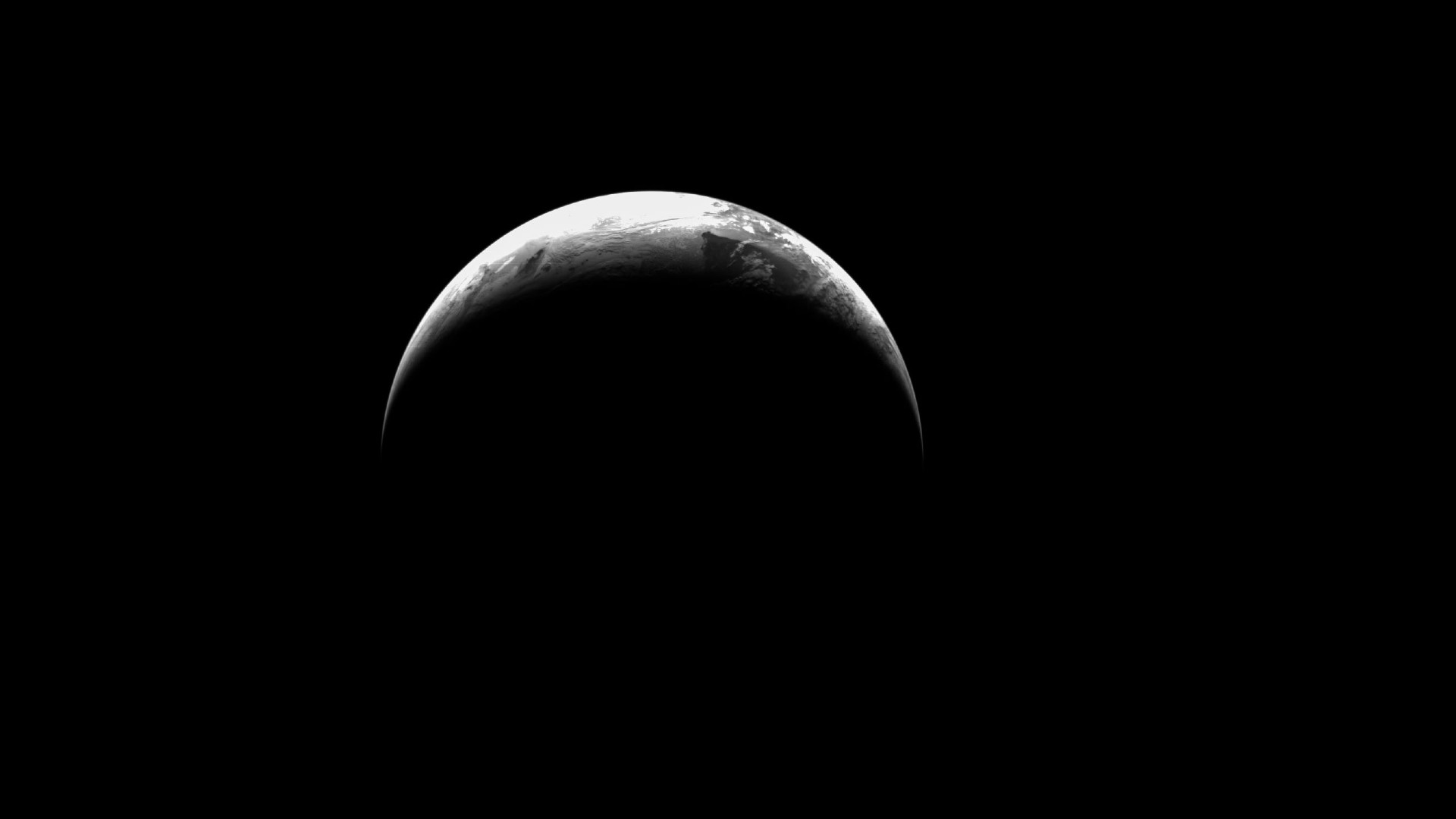
Stunning Why Do Earth's Colors Appear Muted In New Photos From Artemis Ii? Artwork Illustration
Find inspiration with this unique why do earth's colors appear muted in new photos from artemis ii? illustration, crafted to provide a fresh look for your background.

Mesmerizing Why Do Earth's Colors Appear Muted In New Photos From Artemis Ii? Picture for Mobile
Explore this high-quality why do earth's colors appear muted in new photos from artemis ii? image, perfect for enhancing your desktop or mobile wallpaper.

Beautiful Why Do Earth's Colors Appear Muted In New Photos From Artemis Ii? Abstract Digital Art
Discover an amazing why do earth's colors appear muted in new photos from artemis ii? background image, ideal for personalizing your devices with vibrant colors and intricate designs.

Beautiful Why Do Earth's Colors Appear Muted In New Photos From Artemis Ii? Background in HD
Experience the crisp clarity of this stunning why do earth's colors appear muted in new photos from artemis ii? image, available in high resolution for all your screens.

Mesmerizing Why Do Earth's Colors Appear Muted In New Photos From Artemis Ii? Capture for Mobile
Experience the crisp clarity of this stunning why do earth's colors appear muted in new photos from artemis ii? image, available in high resolution for all your screens.
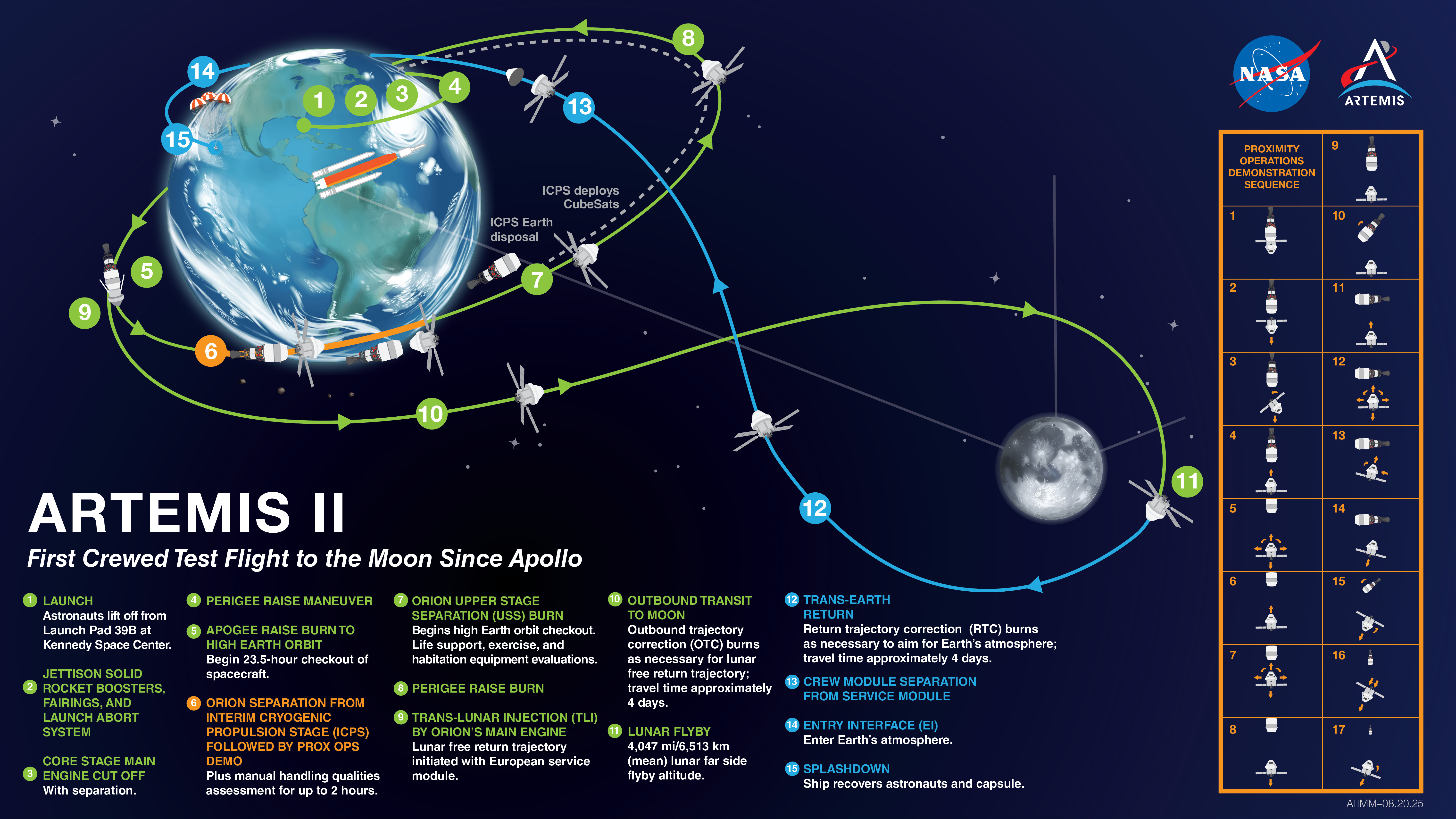
Amazing Why Do Earth's Colors Appear Muted In New Photos From Artemis Ii? Landscape Nature
Experience the crisp clarity of this stunning why do earth's colors appear muted in new photos from artemis ii? image, available in high resolution for all your screens.
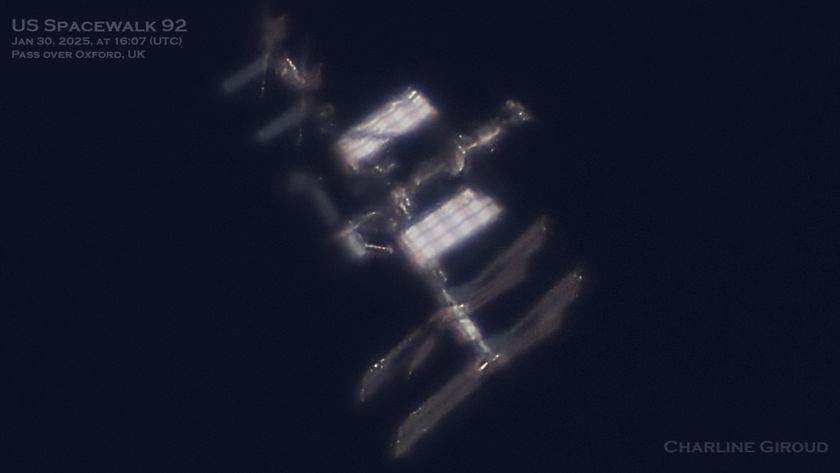
Dynamic Why Do Earth's Colors Appear Muted In New Photos From Artemis Ii? Artwork Illustration
Immerse yourself in the stunning details of this beautiful why do earth's colors appear muted in new photos from artemis ii? wallpaper, designed for a captivating visual experience.
Download these why do earth's colors appear muted in new photos from artemis ii? wallpapers for free and use them on your desktop or mobile devices.