Dominican Republic President Halts GoldQuest Mining Project After Massive Environmental Protests
Dominican Republic President Halts GoldQuest Mining Project After Massive Environmental Protests
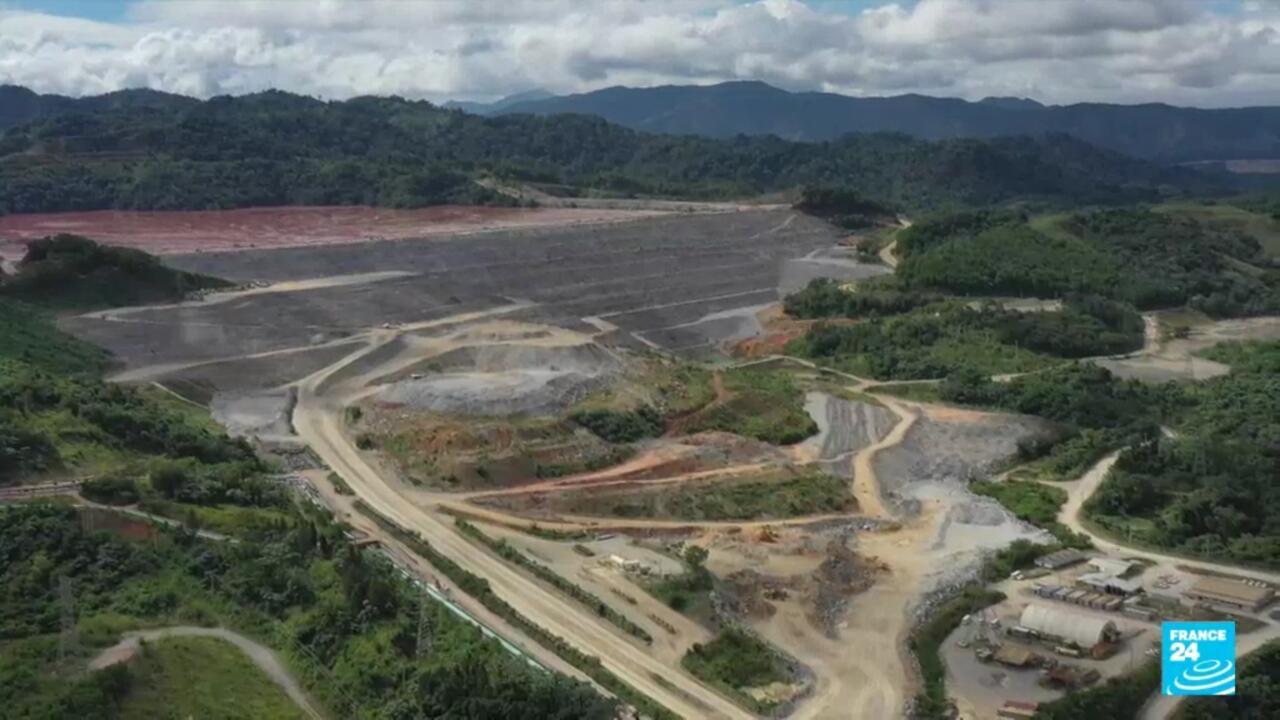
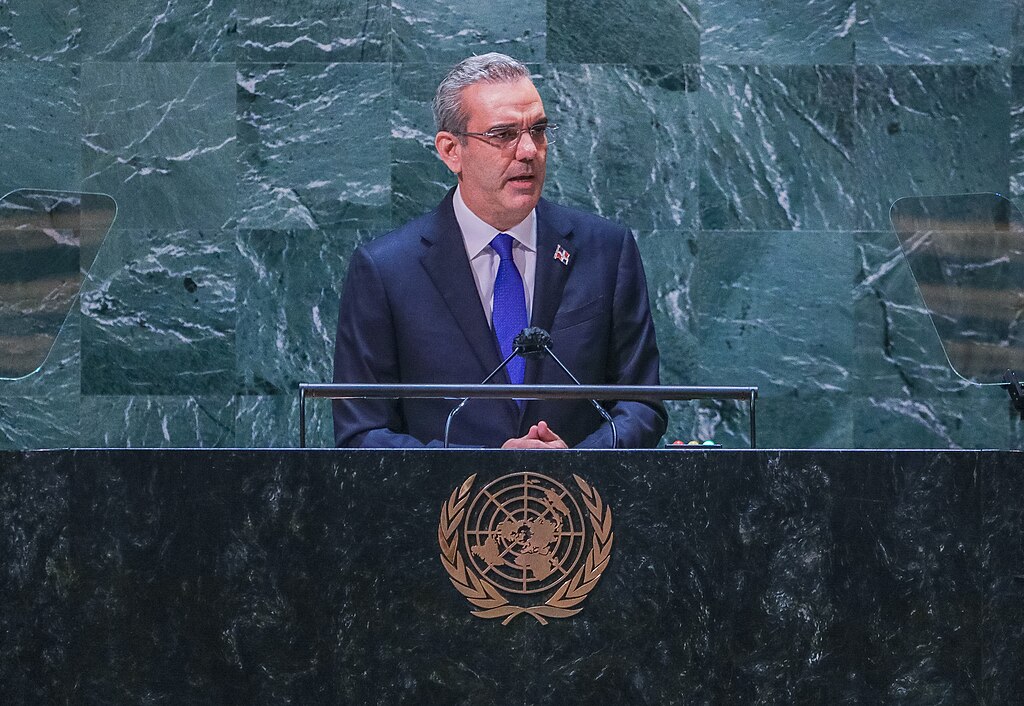
In a move that resonates across the international mining community and local environmental sectors, the President of the Dominican Republic, Luis Abinader, has officially halted the controversial GoldQuest Romero mining project. This decision follows years of mounting pressure from civil society, agricultural groups, and environmental activists who argue that the proposed gold and copper mine poses an existential threat to the water resources and ecological integrity of the San Juan province. The suspension marks a significant turning point in the nation’s debate over extractivism versus sustainable development, highlighting the administration's current priority: the preservation of water over mineral wealth.
The Romero Project: A Decade of Controversy in San Juan
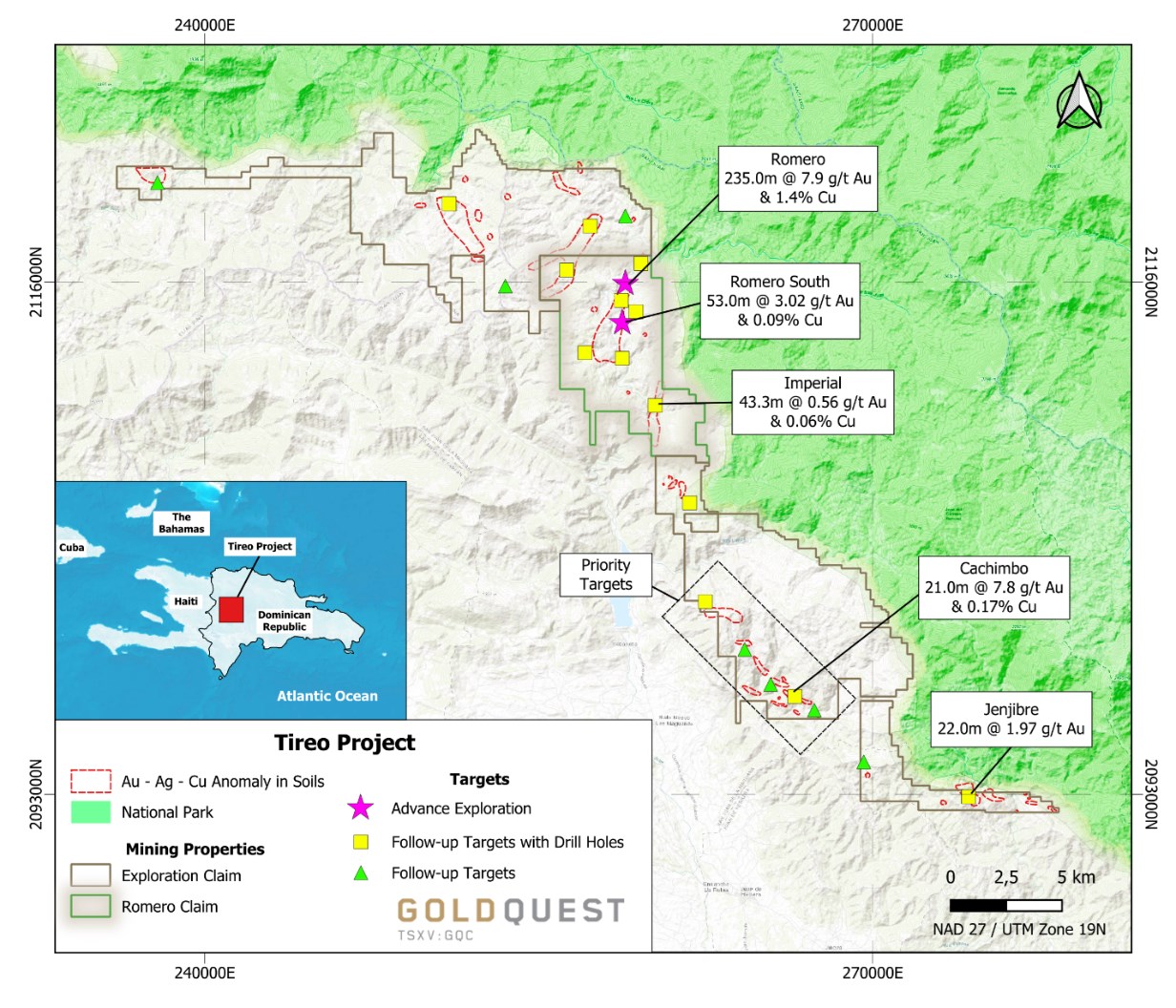
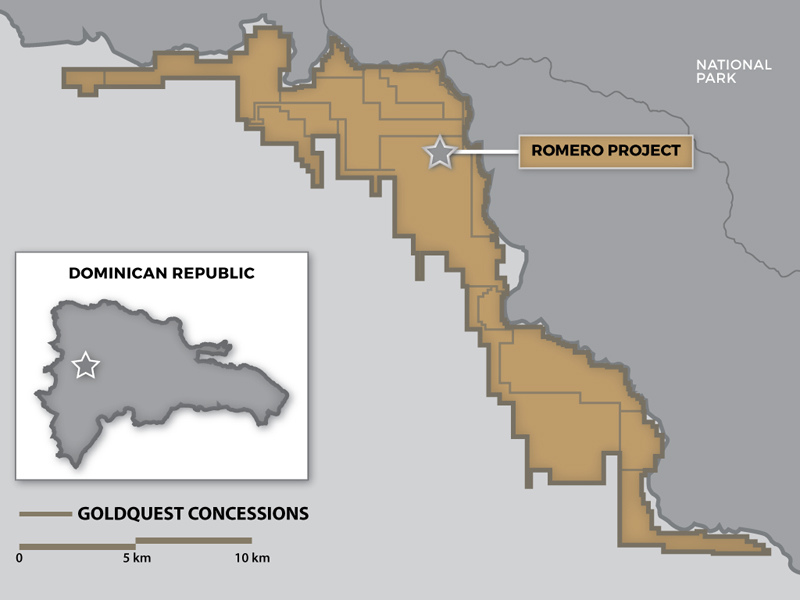
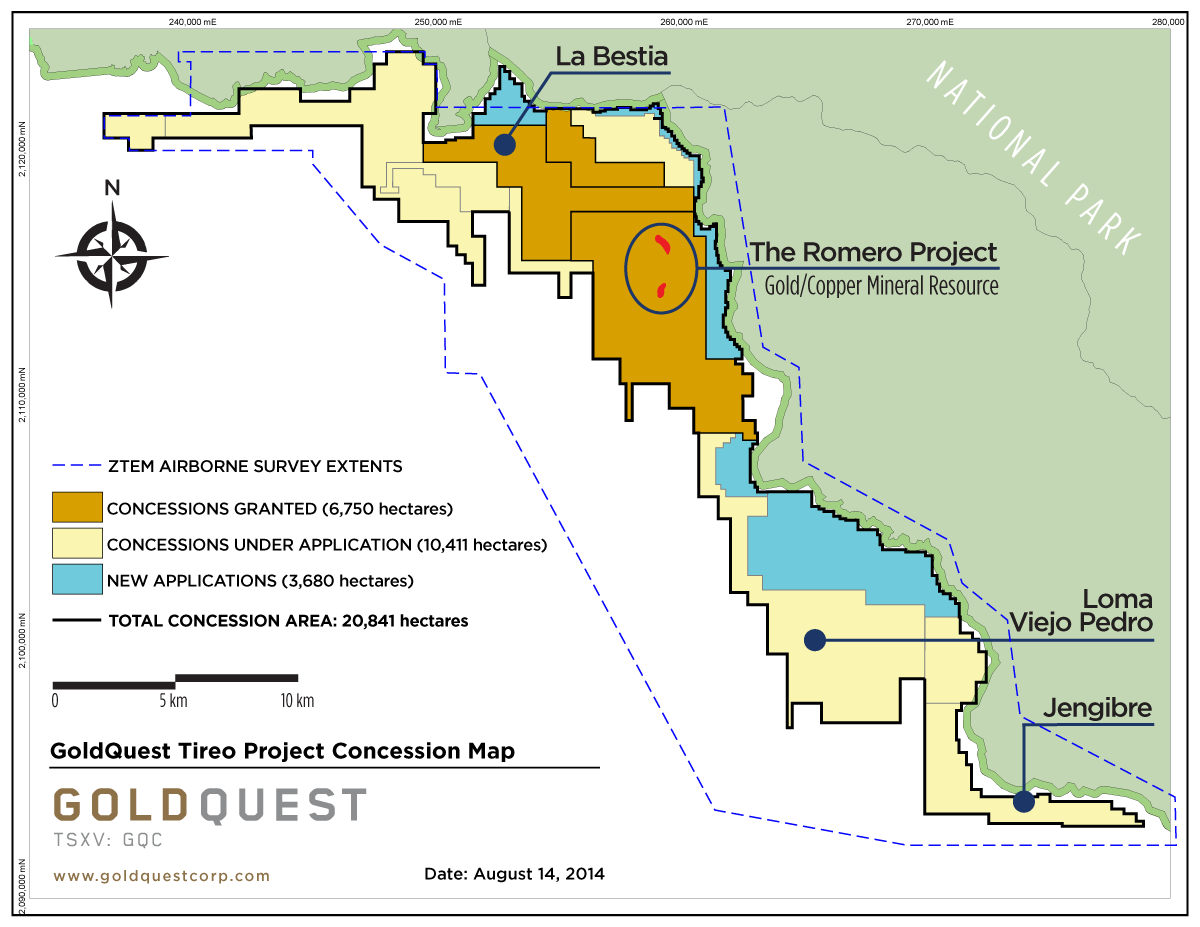
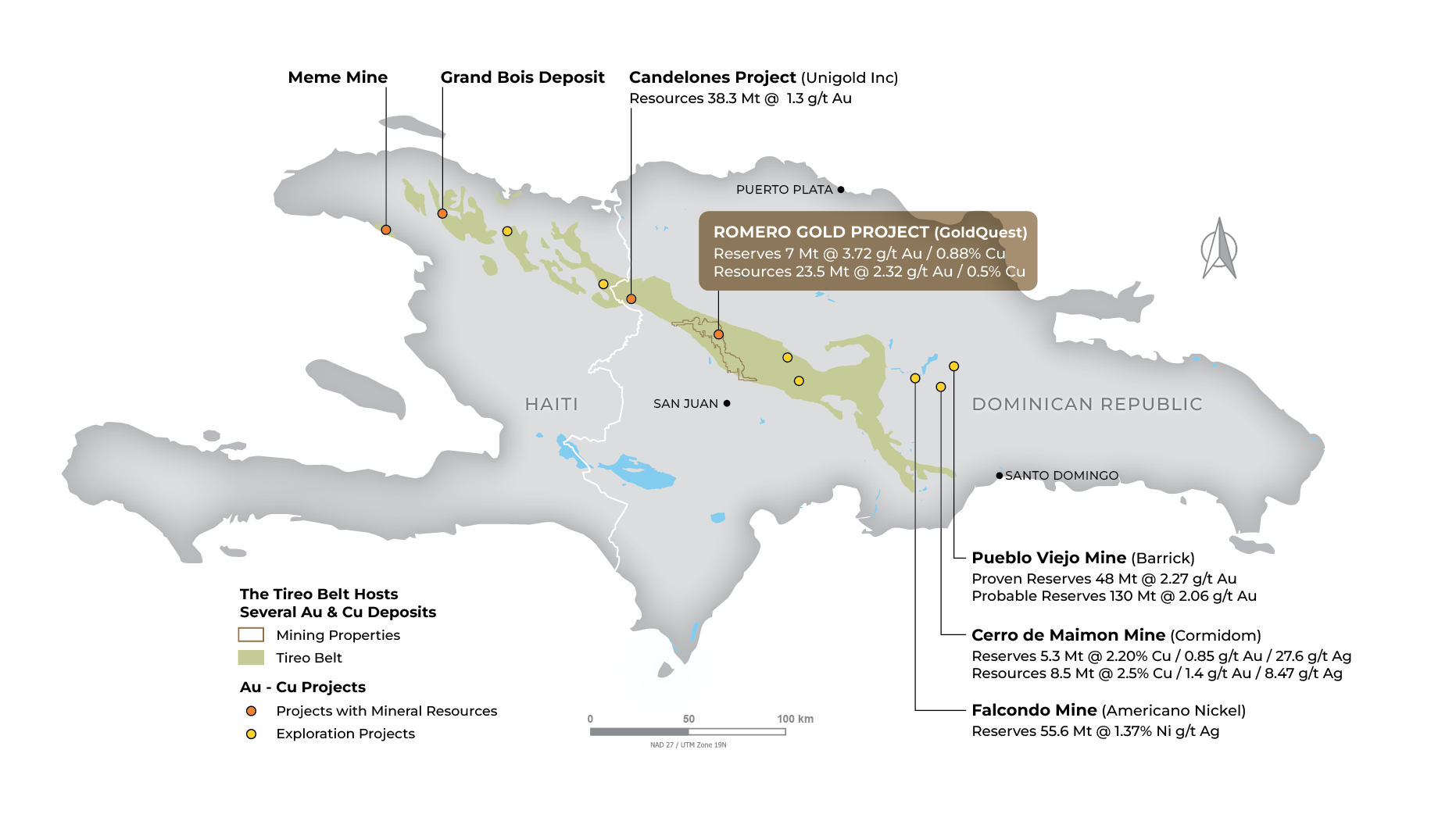
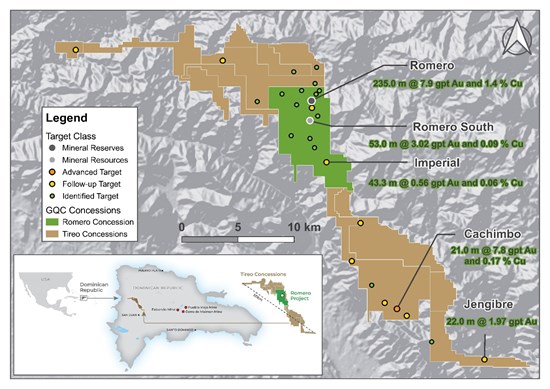
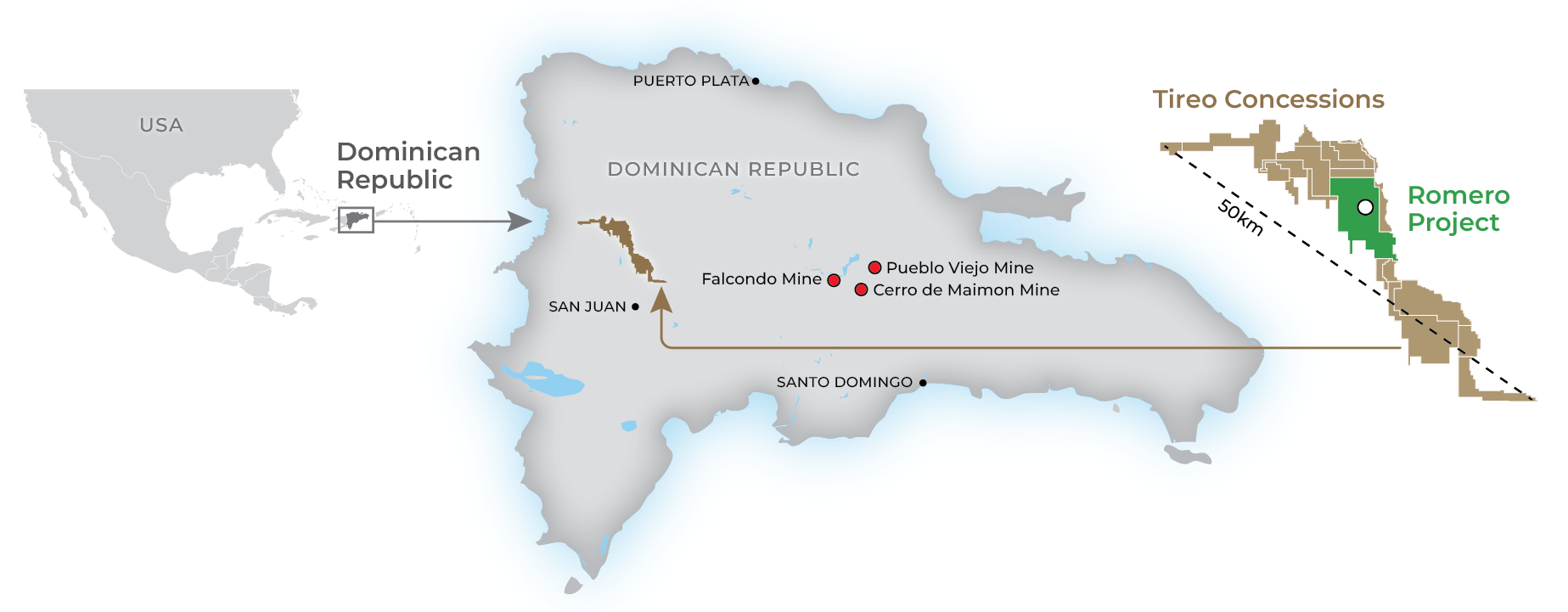
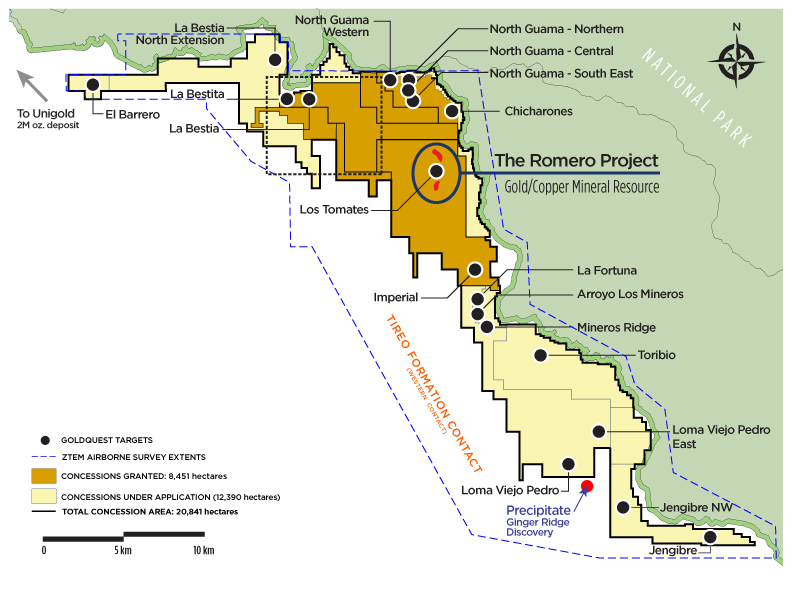
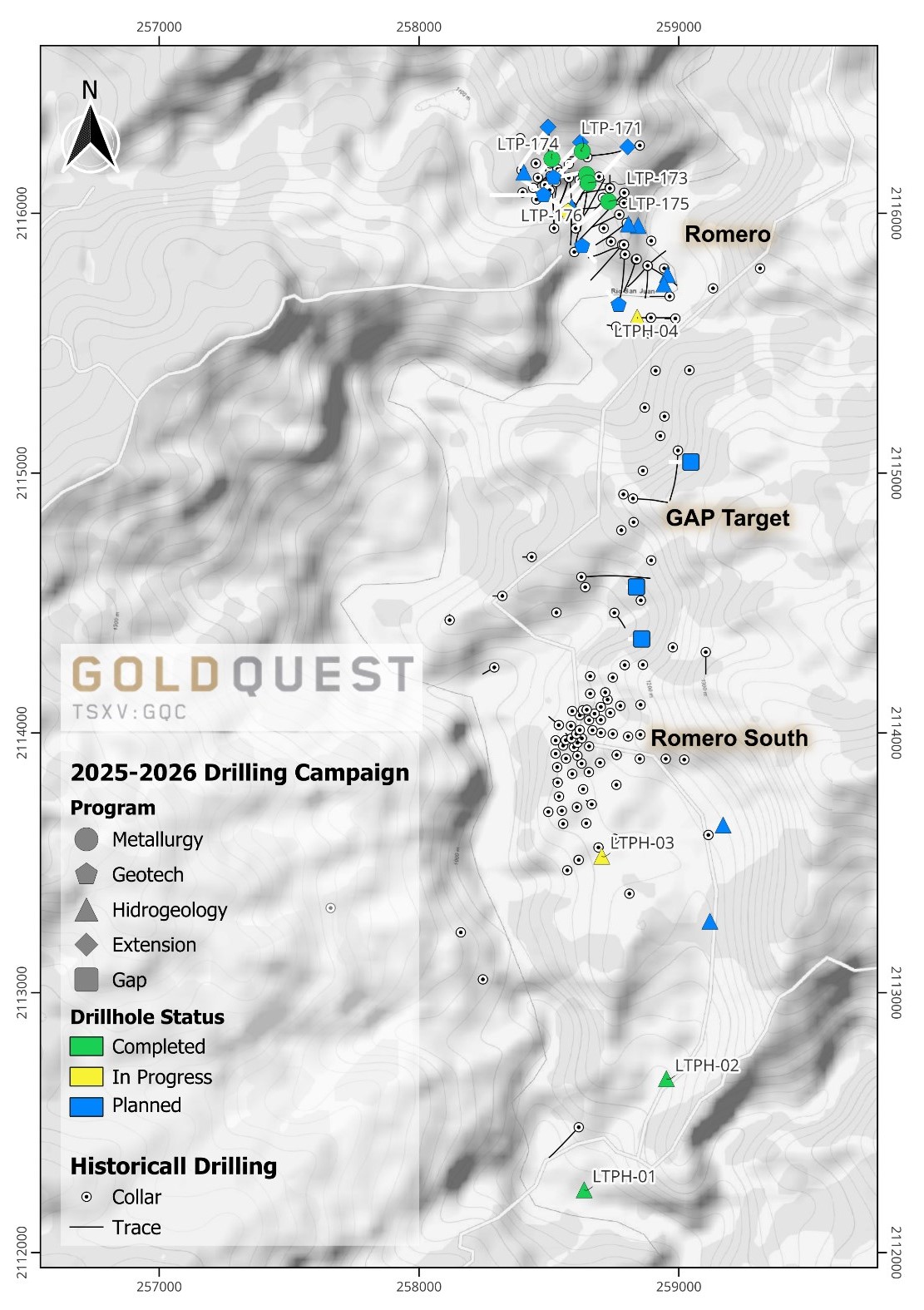
The GoldQuest mining project, specifically known as the Romero Project, was discovered in 2012 by the Canadian-based GoldQuest Mining Corp. Located in the San Juan de la Maguana region, the site is estimated to hold significant reserves of gold and copper. For over a decade, the company has sought the necessary exploitation permits to begin operations, promising billions of dollars in revenue for the Dominican state and thousands of jobs for the local population.
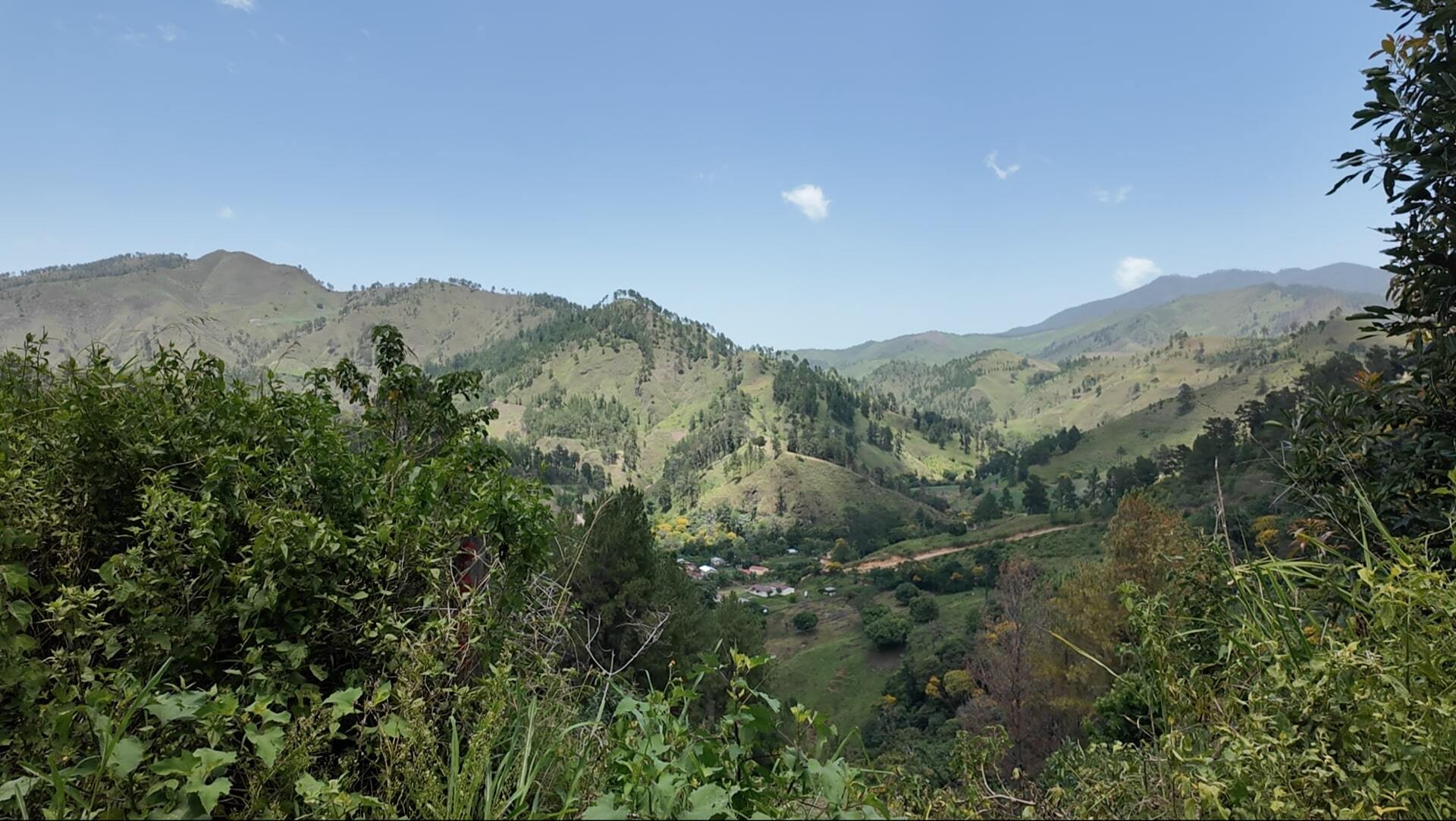
However, the project’s location has been its most contentious point. Situated in the upper basin of the San Juan River, the mine would sit directly above the primary water source for the entire San Juan Valley—one of the most productive agricultural regions in the Dominican Republic. Local residents, led by the "Suroeste Unido por el Agua" (Southwest United for Water) movement, have argued that any contamination or depletion of the aquifer would destroy the livelihoods of thousands of farmers and jeopardize the food security of the nation.
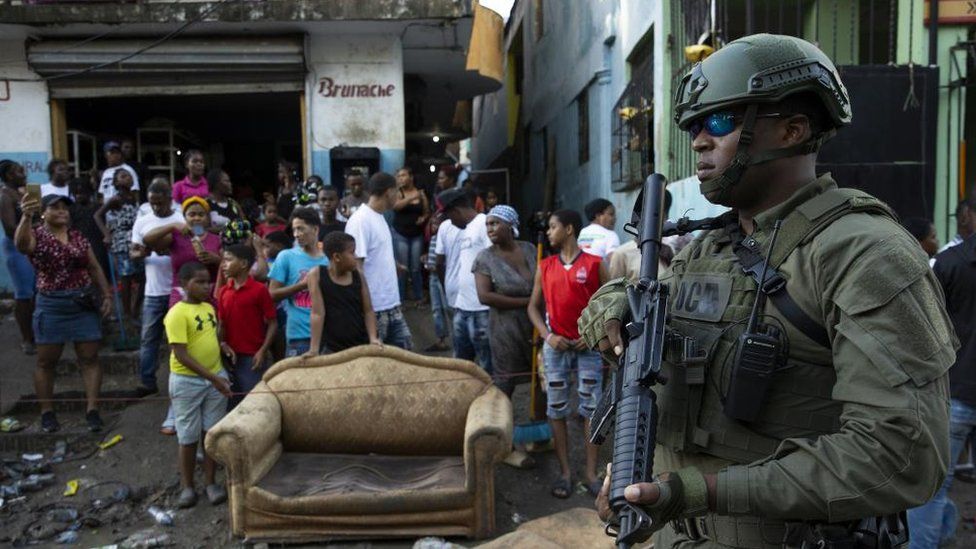
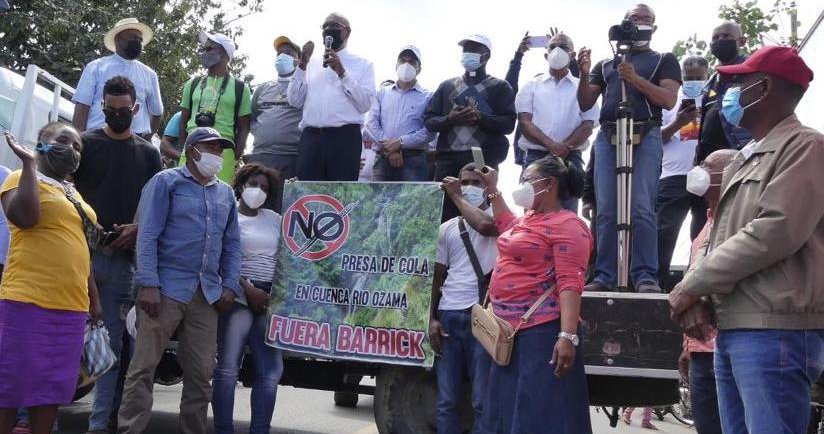
President Luis Abinader’s recent intervention comes after a series of large-scale protests that paralyzed parts of San Juan and drew national attention. In his statement, the President emphasized that while the government is not anti-mining, it must remain pro-water and pro-environment when projects conflict with essential natural resources.
Why the GoldQuest Mining Project Was Halted
The decision to halt the GoldQuest project was not based on a single factor but a culmination of technical, social, and political pressures. The primary reasons cited by the administration and environmental experts include:
1. Protection of the San Juan Watershed
The Romero project is located near the Sabaneta Dam, which provides irrigation for over 50,000 hectares of land and drinking water for hundreds of thousands of citizens. Environmental impact assessments from independent bodies, including the Academy of Sciences of the Dominican Republic, suggested that the high-altitude mining could lead to acid mine drainage, potentially contaminating the San Juan River with heavy metals like arsenic and lead.
2. Social License and Public Outcry
One of the most critical aspects of modern mining is the "social license to operate." In San Juan de la Maguana, this license was never granted by the people. The protests were characterized by a unified front of Catholic Church leaders, local farmers, business owners, and youth activists. The slogan "El agua vale más que el oro" (Water is worth more than gold) became a rallying cry that the Abinader administration could no longer ignore as the next election cycle approaches.
3. Scientific and Academic Opposition
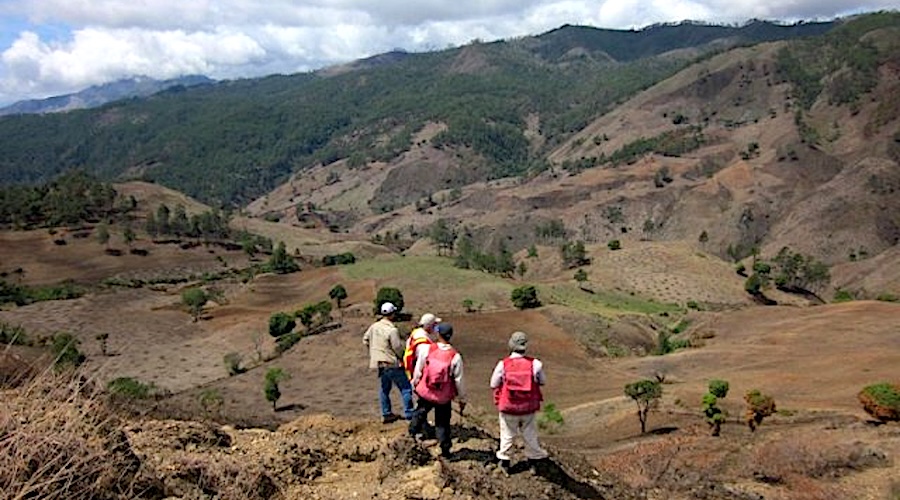
Unlike some other mining disputes that are purely emotional, the opposition to GoldQuest was backed by rigorous scientific debate. The Autonomous University of Santo Domingo (UASD) and various ecological foundations presented studies showing that the geological fragility of the Central Mountain Range (Cordillera Central) made large-scale underground mining too risky for the local ecosystem.
| Feature/Aspect of Romero Project | Detailed Description |
|---|---|
| Primary Minerals | Gold and Copper (with traces of Silver and Zinc). |
| Location | San Juan de la Maguana, Dominican Republic. |
| Operator | GoldQuest Mining Corp (Canadian Enterprise). |
| Proposed Investment | Approximately $1.2 billion USD over the life of the mine. |
| Main Risk Factor | Contamination of the San Juan River and Sabaneta Dam. |
| Government Status | Permit application halted/suspended by Executive Power. |
The Economic vs. Ecological Debate: A Nation Divided
The halting of the GoldQuest project has sparked a fierce debate among economists and environmentalists. On one side, proponents of the mine argue that the Dominican Republic is missing out on a golden opportunity to diversify its economy. GoldQuest had promised to implement "Green Mining" techniques, which supposedly involve zero use of cyanide on-site and a closed-loop water system that would not affect the local rivers.
Economists pointing to the success of the Pueblo Viejo mine (operated by Barrick Gold) argue that mining is a pillar of the Dominican GDP, contributing significantly to tax revenue and export earnings. They warn that halting such projects could send a negative signal to foreign investors, potentially slowing down the Foreign Direct Investment (FDI) that the country relies on for infrastructure development.
On the other hand, the ecological perspective suggests that the long-term cost of environmental degradation far outweighs the short-term economic gains. Agriculture in the San Juan Valley generates thousands of sustainable jobs that do not deplete the soil or water in the same way a 10-to-15-year mining cycle would. For the protesters, the "economy of life" (agriculture and water) must take precedence over the "economy of extraction."
The Political Implications for President Luis Abinader
President Abinader's decision is seen as a strategic political move. By siding with the environmentalists, he has solidified support in the southern region of the country, where San Juan is a key political battleground. However, this decision also places him in a delicate position with the Ministry of Energy and Mines, which has traditionally supported the exploration and exploitation of the country's mineral reserves as a path to prosperity.
The administration's stance reflects a broader global trend where governments are increasingly held accountable for their environmental footprints. With the rise of ESG (Environmental, Social, and Governance) standards, the Dominican Republic is attempting to rebrand itself as a leader in sustainable tourism and green energy, goals that often clash with traditional open-pit or large-scale underground mining.
What Lies Ahead for GoldQuest and San Juan?
While the project is currently halted, the legal and corporate battle is far from over. GoldQuest Mining Corp has expressed disappointment, maintaining that their technical plans are world-class and safe. There is a possibility that the company could seek international arbitration under trade agreements if they feel their investment rights have been violated without due process.
For the people of San Juan, the halt is a temporary victory. Many are now calling for the area to be declared a protected national park to prevent future mining applications. The government, meanwhile, has promised to increase investment in the agricultural sector of San Juan, providing better technology and irrigation systems to prove that the region can thrive without the gold mine.
Key Environmental Concerns Raised by Protesters:
- Acid Rock Drainage: Exposure of sulfide minerals to air and water creating sulfuric acid.
- Water Scarcity: The high volume of water required for mining processing.
- Endangered Species: The Cordillera Central is home to unique flora and fauna that could be displaced by industrial activity.
- Long-term Liability: Who pays for the cleanup once the mine is exhausted and the company leaves?
Frequently Asked Questions (FAQ)
1. Why did the Dominican President stop the GoldQuest project?
The project was halted primarily due to massive public protests and concerns over the potential contamination of the San Juan River and the Sabaneta Dam, which are vital for local agriculture and drinking water.
2. Is the GoldQuest mining project permanently cancelled?
Currently, the project is halted and the executive power has refused to grant the exploitation permit. While "halted" doesn't always mean permanently cancelled in legal terms, the current administration has made it clear that the project will not proceed under the current environmental risks.
3. What is the Romero Project?
The Romero Project is a proposed gold and copper mine in the San Juan province of the Dominican Republic, owned by the Canadian company GoldQuest. It is one of the largest undeveloped mineral deposits in the Caribbean.
4. How does this affect foreign investment in the Dominican Republic?
While it may cause some concern among mining investors, the government argues that prioritizing environmental sustainability and social stability actually creates a more predictable and secure long-term environment for other types of investment, such as tourism and renewable energy.
Conclusion
The decision by the Dominican Republic's president to halt the GoldQuest mining project is a landmark moment for environmental activism in the Caribbean. It serves as a powerful reminder that economic benefits can no longer be the sole metric for national progress, especially when they threaten the fundamental right to clean water. As the world moves toward a more sustainable future, the clash between mineral extraction and ecological preservation will only intensify. For now, the "Granero del Sur" (The Granary of the South) remains free of mining, as the people of San Juan celebrate a victory for their land and their legacy. The eyes of the global mining industry remain fixed on Santo Domingo, waiting to see if this decision marks a permanent shift in the nation's industrial policy or a temporary pause in the face of political pressure.
SEO Keywords: GoldQuest mining project, Dominican Republic mining news, President Luis Abinader, San Juan de la Maguana protests, Romero project gold, environmental impact mining, Dominican Republic water crisis, mining vs agriculture.