Composable Software
Stuck in Legacy Tech? How Composable Software Unlocks True Business Agility
If you've spent any time navigating the world of modern enterprise technology, you've likely heard the term "Composable Software." It's more than just a buzzword; it represents a fundamental shift in how businesses build and manage their digital capabilities. Think of it as moving from a rigid, monolithic skyscraper to a city built entirely of standardized, interchangeable Lego bricks.
We are currently living through an era where business requirements change weekly, not yearly. The static, integrated, all-in-one software suites (the monoliths) simply cannot keep up. This guide will dive deep into what **Composable Software** is, why it is essential for modern competitiveness, and how you can start building this flexible architecture today.
The Monolith Problem: Why We Need Composable Software
For decades, enterprise technology revolved around the monolithic application. A single, tightly coupled codebase where if one small feature required an update, the entire system had to be taken down, re-tested, and redeployed. This approach leads to slow innovation, high risk, and massive vendor lock-in.
The core issue is dependency. When every part of the system relies on every other part, speed grinds to a halt. When a competitor launches a new feature in three weeks, and your monolithic system takes six months just to deploy a small fix, you've lost the race.
Composable Software directly addresses this pain point. It mandates breaking down those massive structures into small, independent, specialized pieces that are easy to deploy, manage, and replace. For a foundational understanding of software architecture history, you might want to review the principles of decoupling on Wikipedia's entry on Decoupling.
The Core Principles of Composability
Composability isn't just about microservices; it's a design philosophy built on three critical pillars:
1. **Modularity:** Every piece of functionality is packaged as a business capability—a self-contained service that handles one specific task (e.g., product catalog management, payment processing, or customer authentication).
2. **Orchestration:** These individual capabilities must be managed and coordinated efficiently, often using APIs and low-code platforms, allowing them to communicate seamlessly without needing to know the internal workings of their counterparts.
3. **Autonomy:** Each module is autonomous. Teams can update, scale, or swap out a capability without affecting the functionality or stability of the other modules.
Understanding the Building Blocks: Components vs. Microservices
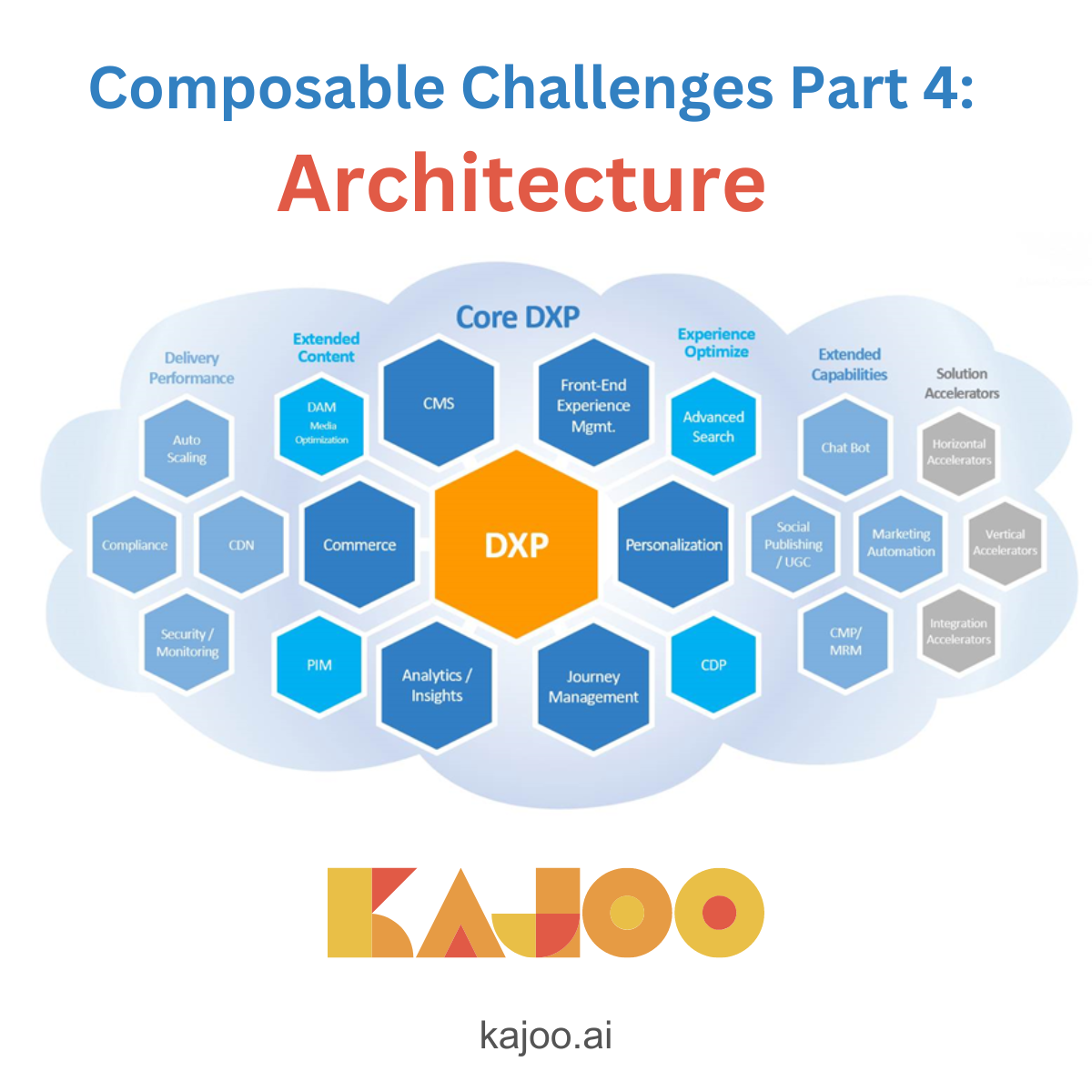
When discussing **Composable Software**, many people confuse the concept with microservices. While microservices are a critical *enabler* of composability, they are not the same thing. Think of it this way: microservices are the technical infrastructure, while composable components are the business-level functionality.
A single composable component might utilize several underlying microservices, but the component is defined by the clear business problem it solves. This focus on business capabilities is what truly differentiates composability from mere technical refactoring.
| Feature | Monolith | Microservices | Composable Architecture |
|---|---|---|---|
| Scope | All business functions combined | Technical services (e.g., database access) | Defined business capabilities (e.g., loyalty module) |
| Deployment Risk | High (entire system affected) | Moderate (inter-service dependency) | Low (isolated capability updates) |
| Integration Style | Tight Coupling | API-Driven | API-Driven and Orchestrated |
Key Benefits of Adopting a Composable Approach
The move to composability isn't just about cleaning up technical debt; it's about creating a business advantage that translates directly to the bottom line.
Flexibility and Rapid Iteration
Because capabilities are independent, innovation cycles shrink dramatically. Need to test a new payment gateway or integrate a cutting-edge AI recommendation engine? With composable architecture, you can swap out the old component with the new one without disrupting anything else. This accelerates your time-to-market significantly.
This flexibility also drastically reduces the dreaded vendor lock-in, a major concern that organizations like Gartner have highlighted as critical for modern business survival.
Superior Customer Experiences (CX)
In a monolithic world, every channel (web, mobile app, in-store kiosk) had to pull data from the same, often clunky backend. Composable components, however, expose their specific business capabilities via clean APIs.
This means you can provide highly personalized, context-aware experiences across every touchpoint, ensuring a seamless journey for the customer, regardless of where they interact with your brand.
This architectural shift is particularly vital when dealing with complex data streams. [Baca Juga: Data Stream Processing Best Practices]
Getting Started: A Practical Roadmap for Implementation
Transitioning to Composable Software is a strategic journey, not a single project. Ripping out a legacy system overnight is rarely feasible. Instead, adopt a gradual, iterative approach often referred to as the "Strangler Fig Pattern."
Here are the steps to begin your journey:
- **Audit and Identify:** Determine which business functions currently sit within your legacy system. Map out the high-value, high-change areas (e.g., checkout, promotions).
- **Define Boundaries:** Clearly define the scope of the first few independent components. A component must have a single, clear business purpose.
- **Decouple and Rebuild:** Select the first component and build it externally using modern microservices infrastructure. Connect it back to the monolith via APIs, allowing it to take over that specific function.
- **Rinse and Repeat:** Gradually "strangle" the monolith by migrating functionality component-by-component until the legacy system is reduced to just a data repository, or is fully retired.
Remember that successful implementation relies heavily on robust internal team alignment and a shift in mindset toward product ownership of specific components. For deeper insights into organizational structures that support distributed architecture, consulting academic publications on DevOps practices can be highly beneficial.
We highly recommend reviewing this detailed study on component-based software engineering and agile methodologies: ACM Digital Library: Component-Based Software Development.
Embracing a composable approach is also intimately tied to the rise of specialized SaaS platforms, often referred to as "Best-of-Breed" systems, which handle specific components extremely well, rather than relying on one large, mediocre suite. [Baca Juga: Headless Commerce Trends]
Conclusion
Composable Software is the unavoidable future of enterprise architecture. It moves IT from being a cost center focused on maintenance to a strategic asset focused on innovation and speed. By adopting modularity, prioritizing business capabilities over technical services, and implementing a careful migration roadmap, organizations can achieve the agility needed to thrive in a constantly shifting digital landscape. The power is no longer in having the biggest system, but the most flexible one.
Frequently Asked Questions (FAQ) About Composable Software
- Q: Is Composable Software only relevant for e-commerce?
A: Absolutely not. While it gained popularity in e-commerce (Composable Commerce), the principles of modularity and independence apply to any domain, including finance, healthcare, manufacturing, and government services. Any large organization struggling with slow iteration benefits from breaking down their systems.
- Q: How is composable architecture different from standard API integration?
A: API integration simply allows two existing systems to talk. Composability is about designing the systems from scratch to be interchangeable and focused on business capabilities. It's an architectural philosophy, not just a technical connection standard.
- Q: What is the main challenge in implementing composability?
A: The biggest challenges are organizational, not technical. Teams must move away from ownership of a single large application to distributed ownership of specific components. This requires significant changes in team structure, collaboration models, and governance.
Composable Software
Composable Software Wallpapers
Collection of composable software wallpapers for your desktop and mobile devices.

Beautiful Composable Software View for Mobile
Explore this high-quality composable software image, perfect for enhancing your desktop or mobile wallpaper.

Dynamic Composable Software Capture Photography
Immerse yourself in the stunning details of this beautiful composable software wallpaper, designed for a captivating visual experience.

Breathtaking Composable Software Scene Nature
Transform your screen with this vivid composable software artwork, a true masterpiece of digital design.

Breathtaking Composable Software Wallpaper Nature
Discover an amazing composable software background image, ideal for personalizing your devices with vibrant colors and intricate designs.

Spectacular Composable Software View Collection
This gorgeous composable software photo offers a breathtaking view, making it a perfect choice for your next wallpaper.

Serene Composable Software Design in HD
Explore this high-quality composable software image, perfect for enhancing your desktop or mobile wallpaper.
Artistic Composable Software Scene for Mobile
Immerse yourself in the stunning details of this beautiful composable software wallpaper, designed for a captivating visual experience.

Breathtaking Composable Software Wallpaper in 4K
Transform your screen with this vivid composable software artwork, a true masterpiece of digital design.

Stunning Composable Software Artwork Art
A captivating composable software scene that brings tranquility and beauty to any device.

Dynamic Composable Software Wallpaper Digital Art
A captivating composable software scene that brings tranquility and beauty to any device.

Detailed Composable Software View Photography
Discover an amazing composable software background image, ideal for personalizing your devices with vibrant colors and intricate designs.

Lush Composable Software Picture Digital Art
Immerse yourself in the stunning details of this beautiful composable software wallpaper, designed for a captivating visual experience.

Vivid Composable Software Wallpaper Illustration
Transform your screen with this vivid composable software artwork, a true masterpiece of digital design.

Breathtaking Composable Software Picture for Mobile
Explore this high-quality composable software image, perfect for enhancing your desktop or mobile wallpaper.

Captivating Composable Software Design Concept
Immerse yourself in the stunning details of this beautiful composable software wallpaper, designed for a captivating visual experience.
Mesmerizing Composable Software Abstract Digital Art
Explore this high-quality composable software image, perfect for enhancing your desktop or mobile wallpaper.

Vivid Composable Software View Collection
Transform your screen with this vivid composable software artwork, a true masterpiece of digital design.

Lush Composable Software Capture Digital Art
A captivating composable software scene that brings tranquility and beauty to any device.
Dynamic Composable Software Design Illustration
Immerse yourself in the stunning details of this beautiful composable software wallpaper, designed for a captivating visual experience.

Mesmerizing Composable Software Picture for Your Screen
Explore this high-quality composable software image, perfect for enhancing your desktop or mobile wallpaper.
Download these composable software wallpapers for free and use them on your desktop or mobile devices.
0 Response to "Composable Software"
Post a Comment