Ecommerce Integration Software
Stop Drowning in Data Entry: Choosing the Right Ecommerce Integration Software
If you run a growing online store, you know the feeling: spreadsheets everywhere, systems that don't talk to each other, and late nights spent manually inputting orders from Shopify into your accounting software. This operational chaos isn't just annoying; it actively throttles your growth.
The solution? Implementing robust Ecommerce Integration Software. This isn't just a technical fix; it's a foundational strategy shift that transforms chaotic, manual operations into smooth, automated workflows. But with so many options—from custom APIs to powerful Integration Platform as a Service (iPaaS)—how do you choose the right one? This guide breaks down exactly what you need to know to achieve true operational harmony.
Why Integration is No Longer Optional for Modern Ecommerce
In the early days of ecommerce, managing disparate systems was manageable. A small volume of orders could easily be handled with weekly data dumps. Today, speed and accuracy define customer expectations. If your inventory levels haven't synced from your Warehouse Management System (WMS) to your storefront in real-time, you risk selling products you don't have, leading to poor customer experiences and chargebacks.
The Pain of Disjointed Systems
Disconnected systems create operational bottlenecks that directly impact the customer journey. Think about the common data silos:
- Your CRM knows who the customer is, but your ERP doesn't have the current order status.
- Your Inventory system has the stock count, but your shipping platform requires manual address input.
These manual transfer points are where human error thrives. An effective integration solution acts as the central nervous system, ensuring every connected application works off the same, single source of truth.
The Cost of Inefficiency
Beyond customer satisfaction, inefficient data handling costs real money. Research shows that employees spend significant time validating and correcting data caused by manual entry. Furthermore, delayed fulfillment processes—often stemming from slow communication between ordering and warehousing platforms—increase warehousing costs and potentially breach Service Level Agreements (SLAs).
Understanding Ecommerce Integration Software: Core Functions and Types
At its heart, Ecommerce Integration Software facilitates the seamless transfer and translation of data between two or more applications. It defines the 'rules' for when data should move (triggers), where it should go, and how it should be formatted.
For example, when a shopper clicks 'Buy' on Shopify, the software automatically triggers four simultaneous actions: creating an invoice in QuickBooks, reducing stock count in the WMS, notifying the fulfillment center, and updating the customer status in HubSpot (CRM).
iPaaS vs. Custom API: What's the Difference?
The debate often boils down to building versus buying. Understanding these core models is crucial for planning your budget and internal resources.
| Feature | iPaaS (Integration Platform as a Service) | Custom API Development |
|---|---|---|
| Setup Speed | Fast (Low-code/No-code interfaces) | Slow (Requires development cycles) |
| Maintenance Burden | Low (Vendor handles updates/API changes) | High (Requires in-house developer support) |
| Flexibility/Control | Moderate (Limited by platform capabilities) | Maximum (100% tailored to unique needs) |
| Ideal Use Case | Standardized connections (Shopify, NetSuite, Salesforce) | Highly specialized, proprietary systems or complex rules. |
For most mid-sized and even large ecommerce operations, an iPaaS solution (like Zapier for simple tasks, or Boomi/MuleSoft for enterprise needs) offers the quickest ROI and significantly reduces the total cost of ownership compared to custom solutions.
Essential Features to Look for in an Integration Platform
When evaluating different providers of Ecommerce Integration Software, a checklist of non-negotiable features will guide you toward a successful long-term solution. Don't be seduced by low cost; focus on resilience and reliability.
Real-Time Sync and Two-Way Data Flow
Integration must be bi-directional. It's not enough for orders to go from the store to the ERP; the updated fulfillment status, tracking number, and adjusted inventory count must flow back to the storefront and the customer.
Real-time synchronization ensures data latency is minimized, meaning there is zero downtime between when an event occurs and when all relevant systems are updated. This is critical for managing perishable stock or high-volume flash sales.
To deepen your understanding of the technical infrastructure required for reliable data sharing, consider researching the principles outlined by organizations dedicated to data standards. Read more about the foundational concepts of Data Integration on Wikipedia.
Scalability and Future-Proofing
Your integration solution must be able to handle 10x your current peak volume without breaking. As your business expands into new markets, adds new sales channels (Amazon, eBay, physical stores), or upgrades its core platform (e.g., migrating from Magento to Salesforce Commerce Cloud), the integration platform should adapt easily without requiring a complete rebuild.
Look for vendors who offer robust error handling and monitoring dashboards. When an integration fails (and they inevitably do, due to API changes or system downtime), you need immediate alerts and clear visibility into the cause so you can address it quickly, maintaining high service standards. [Baca Juga: API Management Best Practices]
The E-E-A-T Factor: Expertise and Authority in Integration Selection
When selecting the right software, the complexity demands genuine expertise. This is where the E-E-A-T (Experience, Expertise, Authority, Trust) principle comes into play—both in the platform you choose and the partners you hire to implement it.
If you choose a solution, look at its track record. Does it have certified connectors for major platforms (like SAP, Oracle, or WooCommerce)? How long have they been in business, and what do existing users say about their reliability?
Furthermore, ensure the vendor provides comprehensive documentation and support. Integration is an ongoing relationship, not a one-time project. You must trust that the system will remain operational even as third-party APIs change their protocols—a common occurrence in the tech world. Understanding these technical nuances requires deep knowledge, which is why organizations often invest heavily in robust integration governance. The National Institute of Standards and Technology (NIST) provides detailed frameworks on System Security Engineering that can inform your integration governance approach.
Choosing an integration partner with deep experience in your specific vertical (e.g., B2B wholesale, perishable goods, or digital subscriptions) can be more valuable than simply picking the cheapest software. They bring the Authority required to map complex business processes into automated data flows. [Baca Juga: Choosing an Ecommerce ERP System]
Conclusion: The Path to Seamless Operations
The operational efficiency gained from the right Ecommerce Integration Software far outweighs the initial investment cost. By connecting your storefront, inventory, accounting, and fulfillment systems, you eliminate the friction that slows growth, improve data accuracy, and free up your team to focus on strategic tasks rather than manual maintenance.
Start by identifying your biggest pain points (is it inventory sync, or order-to-cash process?) and evaluate solutions based on scalability, real-time capability, and the vendor's proven expertise. Choose wisely, and you'll lay the foundation for truly future-proof ecommerce growth.
Frequently Asked Questions (FAQ) about Integration Software
What is the difference between an API and Integration Software?
An API (Application Programming Interface) is the set of rules or methods that allows systems to talk to each other. Integration Software (like iPaaS) is the actual platform or tool that manages, monitors, translates, and coordinates the flow of data using those APIs, often requiring little to no code.
How long does an ecommerce integration project usually take?
Simple, pre-built integrations (like Shopify to QuickBooks) can take a few days or weeks. Complex, enterprise-level projects involving customized ERPs and multiple touchpoints (WMS, CRM, POS) can take anywhere from 3 to 9 months, depending on data migration and mapping complexity.
Is integration software secure?
Reputable integration software vendors adhere to high security standards, often meeting compliance requirements like ISO 27001 and SOC 2. Data is encrypted both in transit and at rest. However, security is a shared responsibility; you must ensure your API keys and access permissions are managed securely within the platform.
Can I integrate legacy systems using modern software?
Yes, many enterprise-grade iPaaS platforms specialize in bridging modern cloud applications with legacy systems that might only expose older data transfer methods (like FTP or EDI). This often requires custom connectors built within the integration platform.
***
Ecommerce Integration Software
Ecommerce Integration Software Wallpapers
Collection of ecommerce integration software wallpapers for your desktop and mobile devices.

Vibrant Ecommerce Integration Software Picture for Desktop
Experience the crisp clarity of this stunning ecommerce integration software image, available in high resolution for all your screens.

Vibrant Ecommerce Integration Software Landscape for Desktop
Experience the crisp clarity of this stunning ecommerce integration software image, available in high resolution for all your screens.
Beautiful Ecommerce Integration Software Image in 4K
Discover an amazing ecommerce integration software background image, ideal for personalizing your devices with vibrant colors and intricate designs.
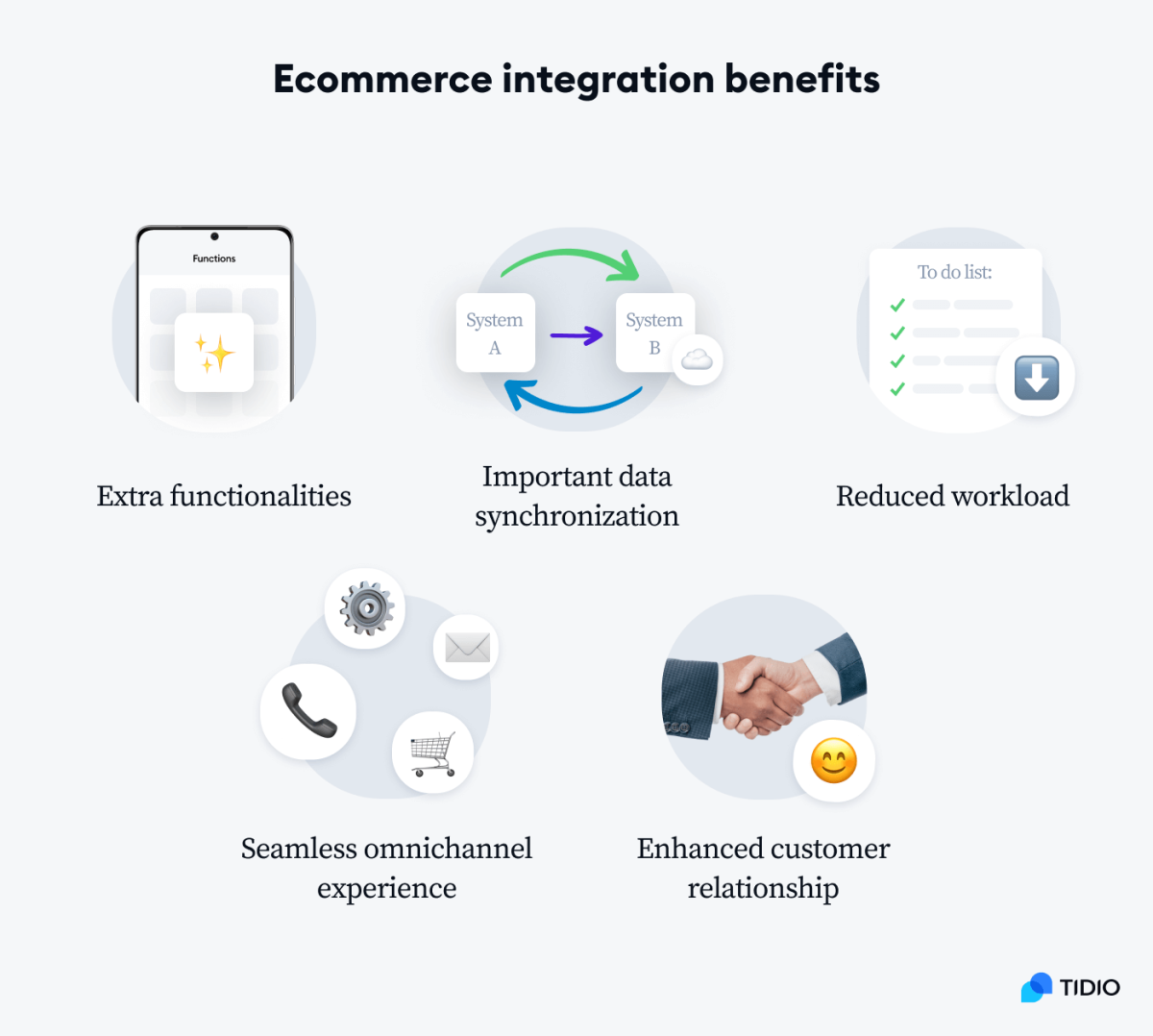
Breathtaking Ecommerce Integration Software Landscape Digital Art
Transform your screen with this vivid ecommerce integration software artwork, a true masterpiece of digital design.

Vibrant Ecommerce Integration Software Artwork Collection
Experience the crisp clarity of this stunning ecommerce integration software image, available in high resolution for all your screens.
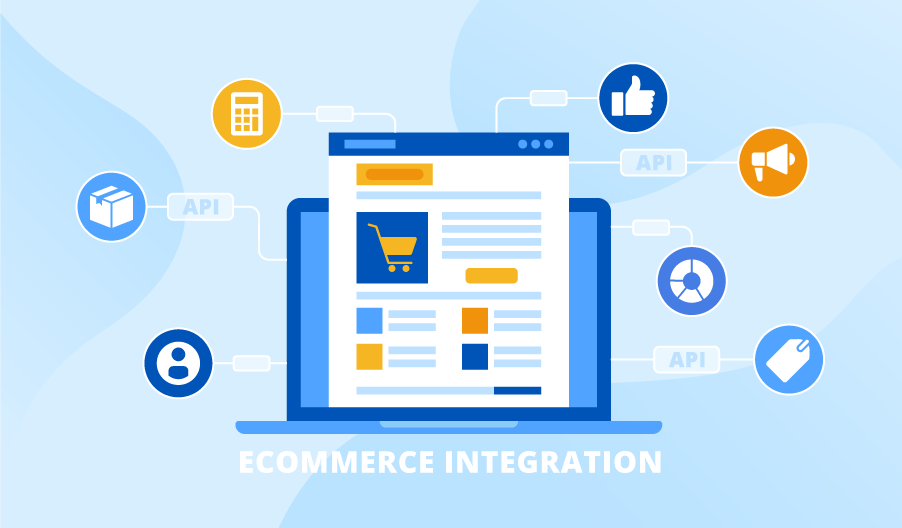
Beautiful Ecommerce Integration Software Artwork Concept
Transform your screen with this vivid ecommerce integration software artwork, a true masterpiece of digital design.
Detailed Ecommerce Integration Software Photo for Desktop
Explore this high-quality ecommerce integration software image, perfect for enhancing your desktop or mobile wallpaper.

Spectacular Ecommerce Integration Software Capture Nature
Immerse yourself in the stunning details of this beautiful ecommerce integration software wallpaper, designed for a captivating visual experience.

Dynamic Ecommerce Integration Software Abstract Digital Art
This gorgeous ecommerce integration software photo offers a breathtaking view, making it a perfect choice for your next wallpaper.
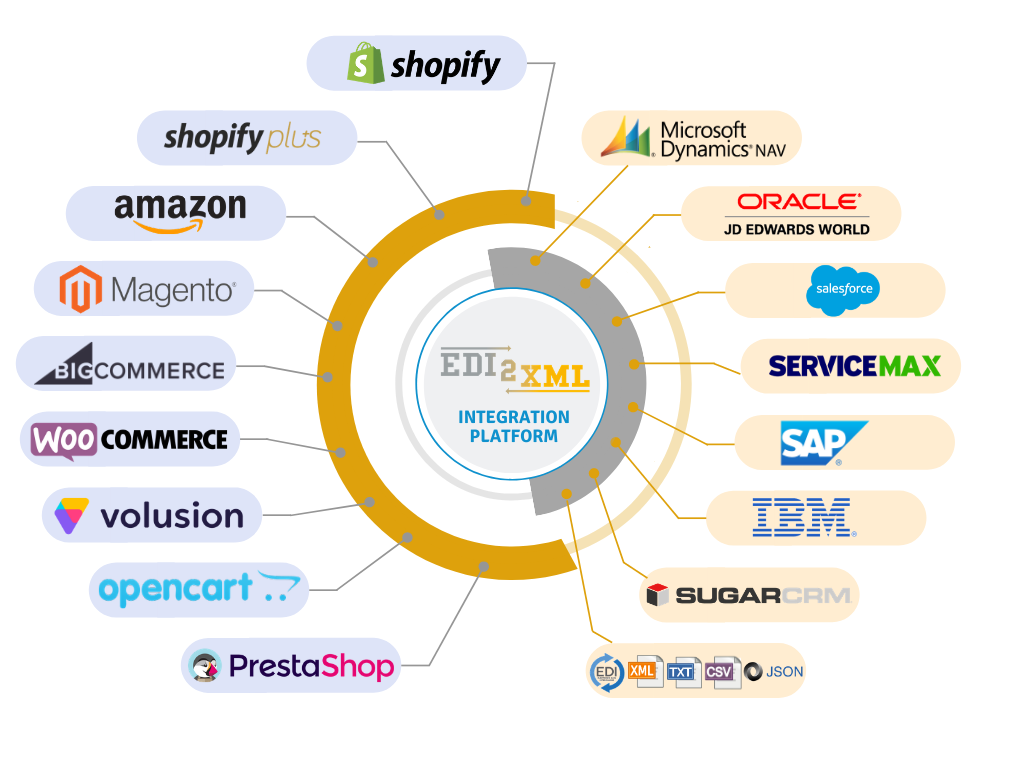
Spectacular Ecommerce Integration Software Photo Photography
A captivating ecommerce integration software scene that brings tranquility and beauty to any device.

Amazing Ecommerce Integration Software Artwork in 4K
Explore this high-quality ecommerce integration software image, perfect for enhancing your desktop or mobile wallpaper.
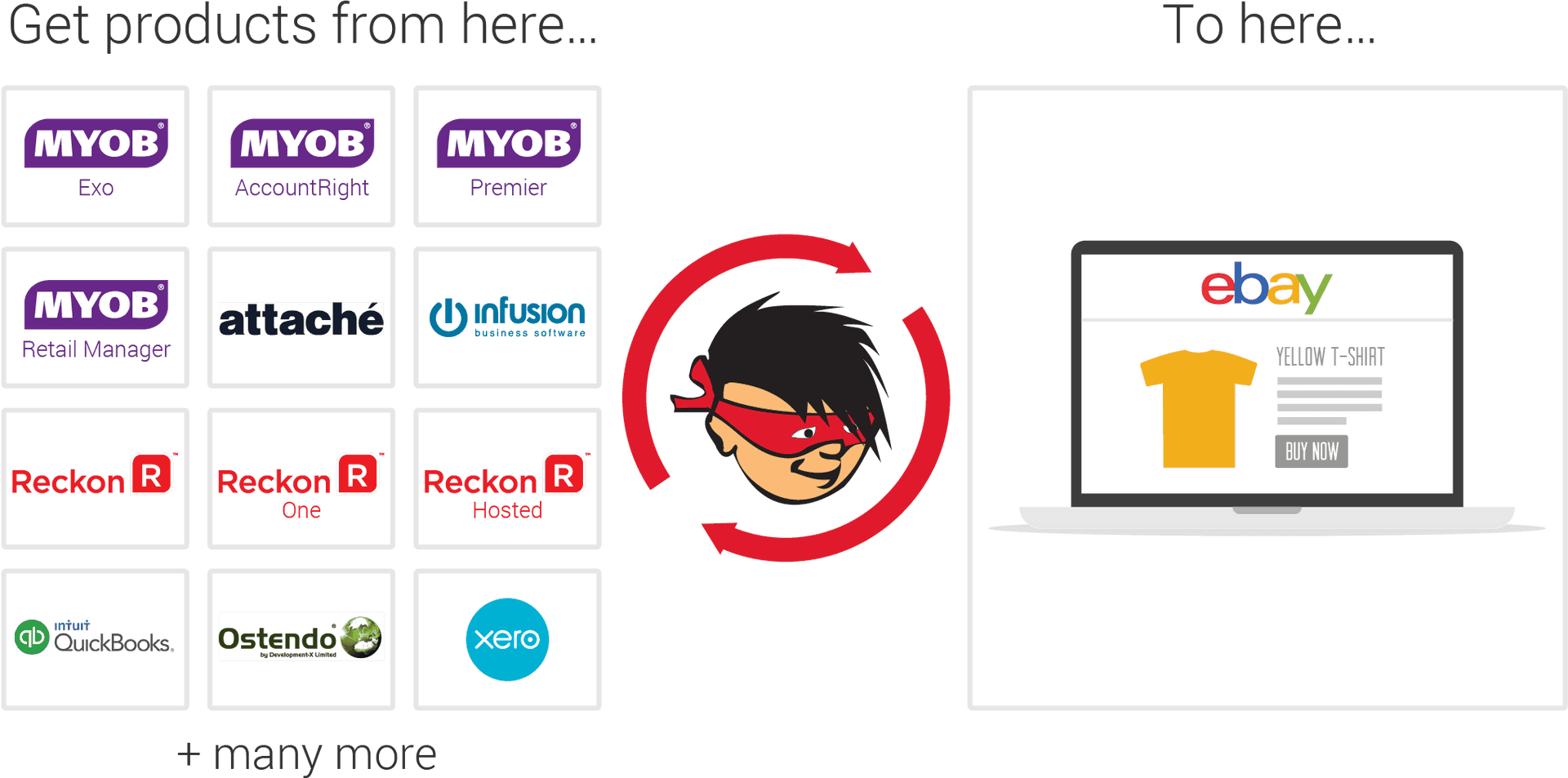
Gorgeous Ecommerce Integration Software Image for Desktop
Immerse yourself in the stunning details of this beautiful ecommerce integration software wallpaper, designed for a captivating visual experience.
Vivid Ecommerce Integration Software Photo Art
Discover an amazing ecommerce integration software background image, ideal for personalizing your devices with vibrant colors and intricate designs.
Dynamic Ecommerce Integration Software View Art
Find inspiration with this unique ecommerce integration software illustration, crafted to provide a fresh look for your background.
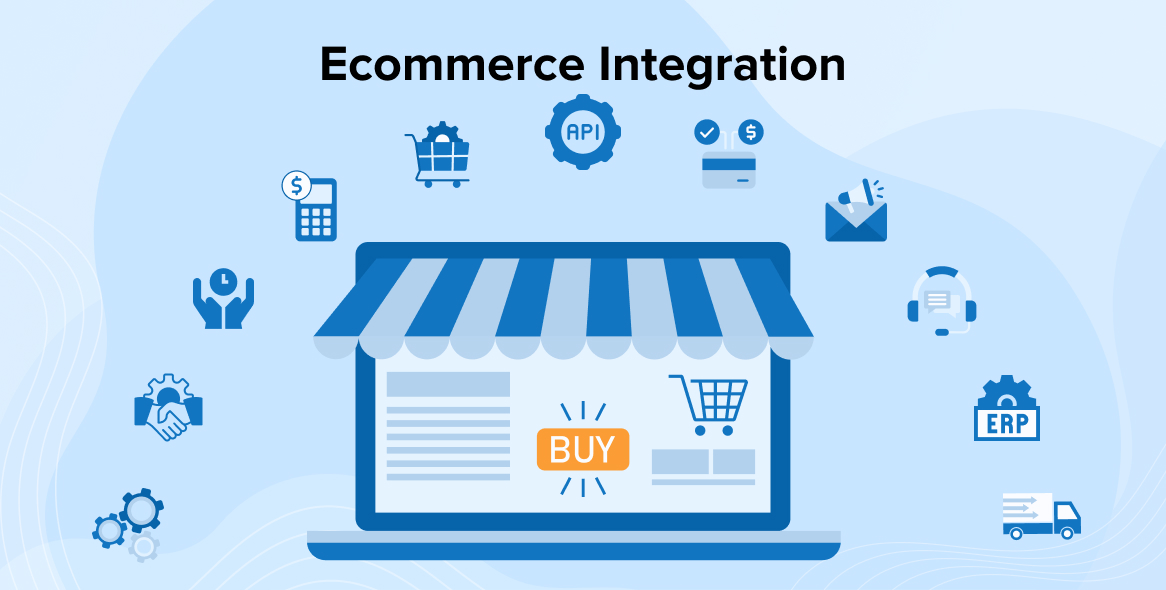
Vivid Ecommerce Integration Software Abstract in 4K
Discover an amazing ecommerce integration software background image, ideal for personalizing your devices with vibrant colors and intricate designs.
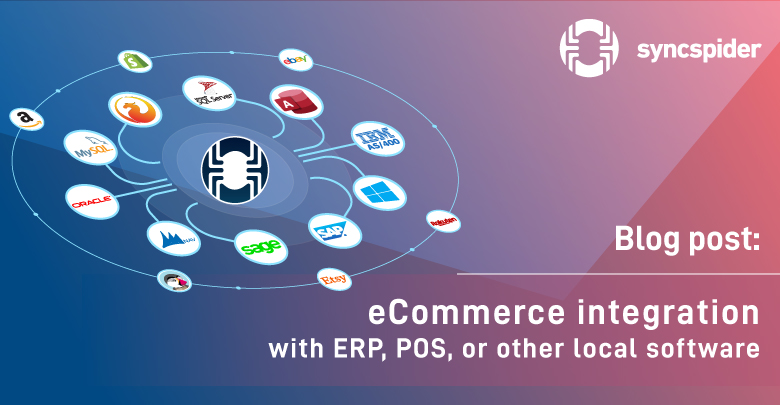
Vivid Ecommerce Integration Software Capture in 4K
Explore this high-quality ecommerce integration software image, perfect for enhancing your desktop or mobile wallpaper.
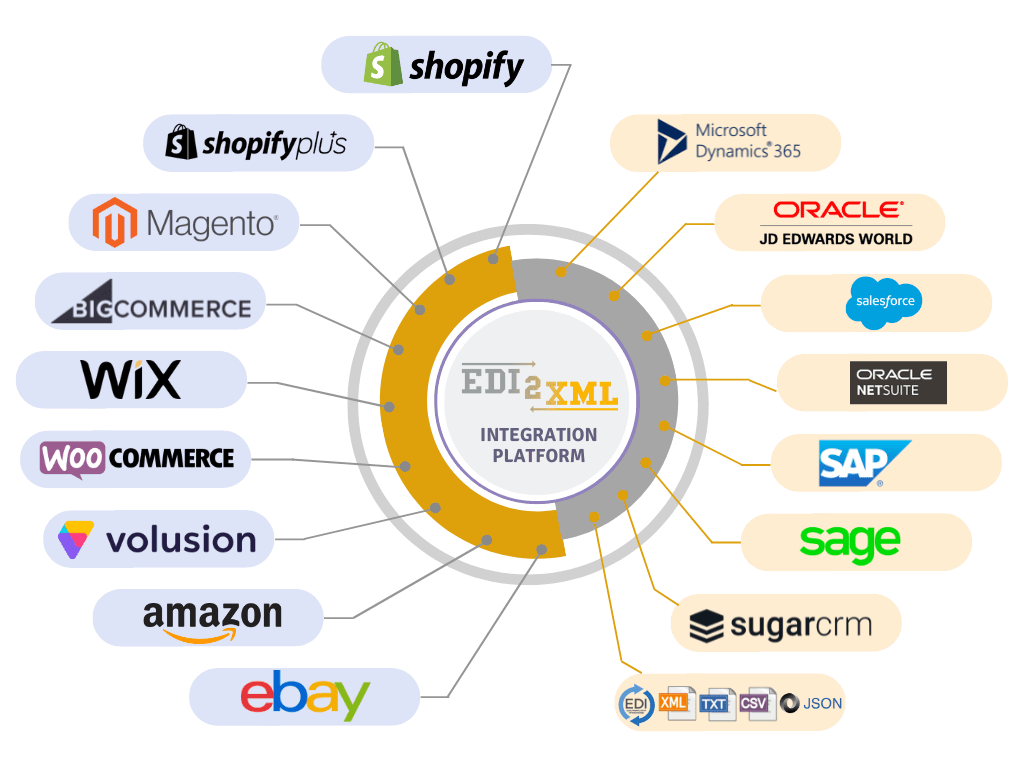
High-Quality Ecommerce Integration Software Design for Your Screen
Transform your screen with this vivid ecommerce integration software artwork, a true masterpiece of digital design.

Breathtaking Ecommerce Integration Software Wallpaper for Your Screen
Explore this high-quality ecommerce integration software image, perfect for enhancing your desktop or mobile wallpaper.
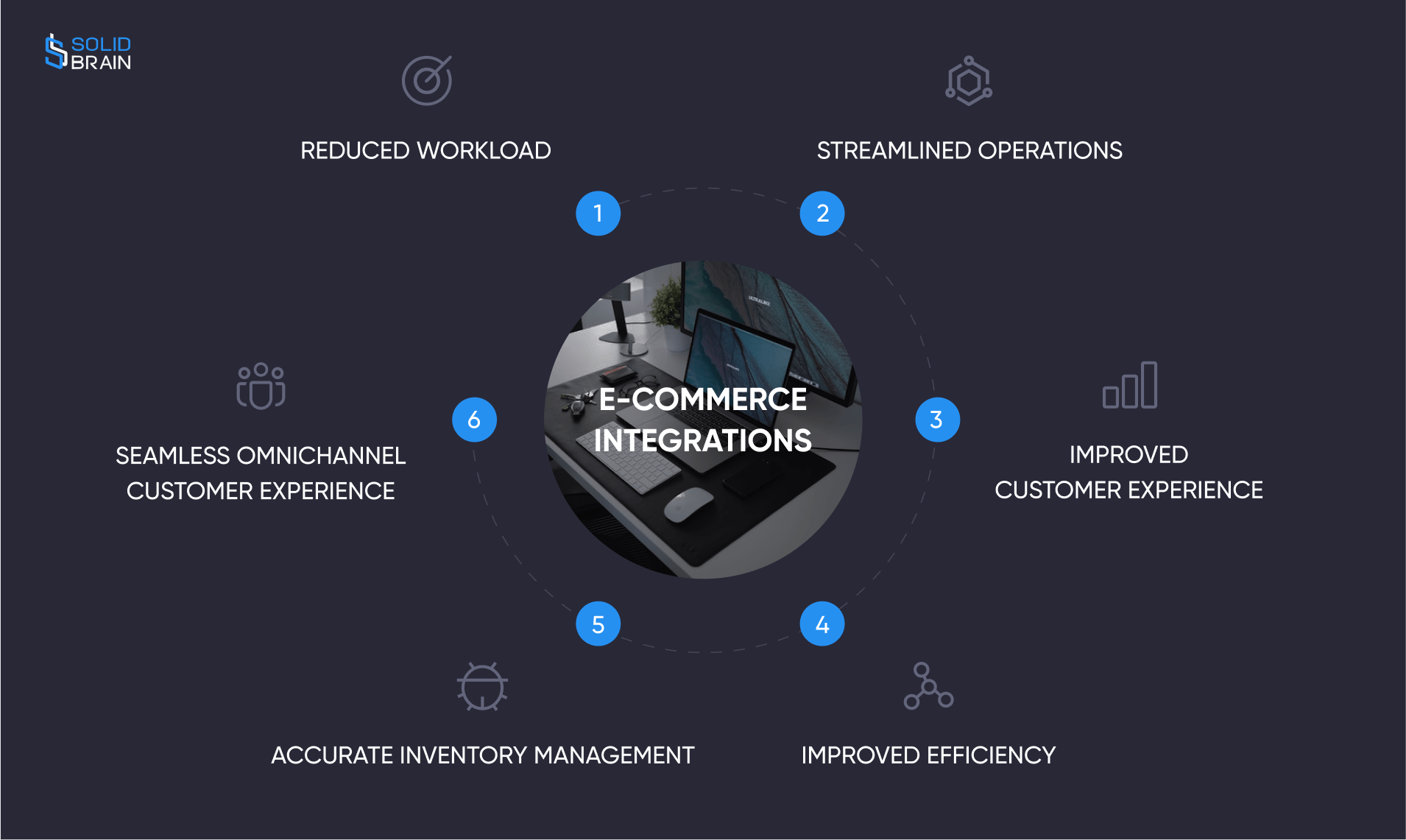
Crisp Ecommerce Integration Software View for Your Screen
This gorgeous ecommerce integration software photo offers a breathtaking view, making it a perfect choice for your next wallpaper.
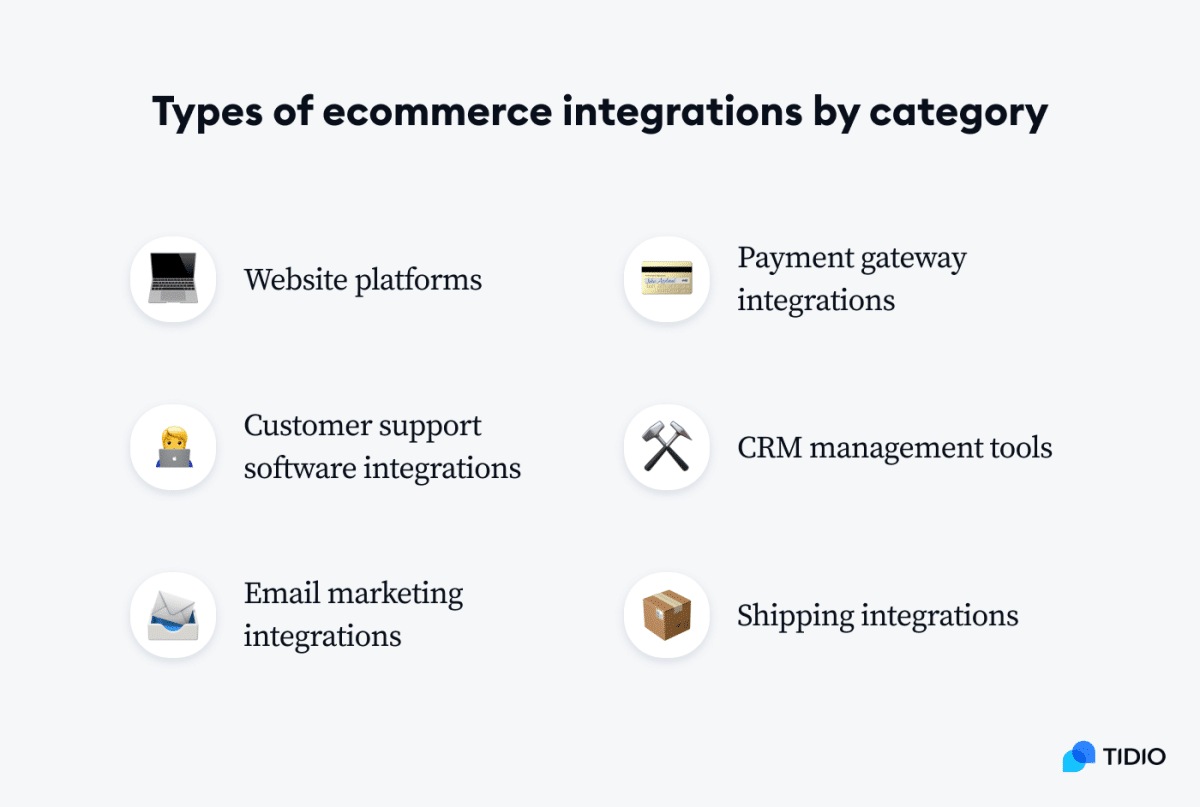
Dynamic Ecommerce Integration Software Capture in 4K
This gorgeous ecommerce integration software photo offers a breathtaking view, making it a perfect choice for your next wallpaper.
Download these ecommerce integration software wallpapers for free and use them on your desktop or mobile devices.