Elastic Software
Scaling Problems Solved: Why Elastic Software is the Backbone of Modern Computing
Let's be honest: in the digital age, traffic spikes and sudden data loads are the norm, not the exception. Trying to manage these unpredictable surges with fixed infrastructure is like trying to catch a waterfall in a teacup—it's inefficient, expensive, and ultimately fails.
This challenge is exactly why modern businesses are pivoting heavily towards **Elastic Software**. This isn't just a trendy buzzword; it represents a fundamental shift in how we design, deploy, and manage applications in the cloud era. It's about building systems that breathe, expanding automatically when demand is high and shrinking back down when things quieten down.
If you've ever wondered how streaming services handle peak prime-time viewing or how e-commerce sites survive Black Friday surges without crashing, the answer often lies in the brilliance of elastic architectures.
What Exactly is Elastic Software?
In simple terms, Elastic Software refers to systems designed to automatically adapt their processing power and resource capacity in response to real-time changes in workload demand. The core function is minimizing latency and maximizing cost efficiency by ensuring you only pay for the capacity you are actively using.
Think of it as adaptive resource allocation. When your user base jumps from 1,000 to 100,000 in minutes, the software architecture automatically provisions new servers, containers, or processing units. When the load drops, those resources are just as quickly de-provisioned and released back into the cloud pool.
This automated, seamless ability to expand and contract is the defining characteristic of true elasticity, setting it apart from older, more rigid scaling models.
The Crucial Difference Between Elasticity and Scalability
While often used interchangeably, these two concepts are distinct and understanding the difference is key to modern system design. Scalability means your system *can* handle increased load, usually through manual intervention or pre-planned scaling increments (like upgrading a server).
Elasticity, however, is the *automated* ability to manage that scalability. It's the mechanism that handles scaling events autonomously, instantaneously, and economically. True elastic systems are inherently scalable, but not all scalable systems are truly elastic.
For a deeper dive into modern cloud architecture principles, you might want to visit this authoritative resource: Cloud Computing Architecture (Wikipedia).
The Core Components Driving Elasticity
Building truly elastic software requires several critical layers to work together seamlessly. Without robust automation and observation tools, elasticity is impossible. Here are the mechanisms that make it possible:
Automated Resource Provisioning and Orchestration
The backbone of any elastic system is the orchestration layer—tools like Kubernetes (K8s) or serverless platforms (Lambda, Azure Functions). These tools constantly monitor predefined metrics (like CPU utilization, queue depth, or network latency). When a threshold is breached, the orchestrator triggers the immediate deployment of new containers or VMs to absorb the load.
This automation removes the human bottleneck. Instead of waiting for an engineer to manually spin up new resources, the software adapts instantly, often within seconds.
Monitoring and Feedback Loops
Elasticity is a continuous cycle. It relies heavily on powerful observability tools. These tools provide the real-time feedback loop necessary for the system to decide if it needs to scale up or scale down. Key metrics tracked include:
- Request queue length
- CPU and memory usage across the cluster
- Database connection pool utilization
Without high-quality, granular monitoring, the system would either over-provision (wasting money) or under-provision (causing crashes). [Baca Juga: Observability vs Monitoring]
Here is a quick comparison of traditional fixed infrastructure versus elastic architecture:
| Feature | Fixed Infrastructure | Elastic Software Architecture |
|---|---|---|
| Cost Model | Fixed upfront cost (CapEx); Pay for maximum potential load. | Pay-as-you-go (OpEx); Only pay for resources consumed. |
| Response to Load Spike | Slow, manual scaling; Risk of downtime during surge. | Automated, immediate scaling in/out; Zero perceived downtime. |
| Resource Utilization | Often low (idle resources wait for peak). | Optimized (resources are constantly adjusted to demand). |
Real-World Applications of Elastic Architecture
The ubiquity of high-demand, low-latency applications means elastic principles are now standard practice across several major industries:
High-Volume E-Commerce and Retail
The annual sales cycle (Black Friday, Cyber Monday, seasonal promotions) means demand can multiply tenfold in hours. E-commerce platforms leverage elasticity to handle massive transaction volumes without provisioning ten times the necessary hardware for the other 360 days of the year. This ensures user experience remains fast, even during critical sales windows.
Financial Services and Data Processing
In finance, massive batch jobs for risk analysis or end-of-day calculations require immense, temporary computing power. Elastic architecture allows these firms to quickly spin up thousands of processors to complete the calculation overnight, and then immediately shut them down, significantly reducing operational costs compared to owning the equivalent physical servers. Read more about distributed financial systems in parallel computing here.
IoT and Real-Time Data Streams
IoT deployments can see massive fluctuations in incoming sensor data. An oil field monitoring thousands of points might have routine data flow, but an emergency event or a large-scale firmware update can create sudden, overwhelming data streams. Elastic processing ensures that data queues don't back up, maintaining real-time reliability for critical operations.
Key Benefits of Adopting Elastic Software
Moving beyond technical descriptions, the actual value of embracing **Elastic Software** is demonstrated in its business impact:
1. Dramatic Cost Reduction
The most compelling argument for elasticity is financial efficiency. By paying only for consumption, companies avoid the massive capital expenditure (CapEx) required to purchase and maintain infrastructure sized for peak, infrequent load. This shift from CapEx to OpEx offers enormous flexibility, especially for startups and scaling enterprises.
2. Enhanced Reliability and Fault Tolerance
Elastic systems are inherently more resilient. Since resources are provisioned across multiple availability zones and instances are disposable, the failure of a single server doesn't cause a service disruption. The orchestrator simply replaces the failed component immediately and automatically, ensuring high availability (HA).
3. Faster Time-to-Market
When developers don't have to wait weeks for hardware procurement or manual scaling approval, they can deploy new features and applications faster. Elastic cloud environments provide infrastructure as code (IaC) capabilities, allowing teams to provision the necessary environments on demand for testing, staging, and production in minutes. Further reading on Infrastructure as Code (NIST SP 500-292).
This agility is crucial in competitive markets. [Baca Juga: DevOps Best Practices]
Conclusion: Embracing the Adaptive Future
The future of computing is not just about being powerful; it's about being responsive, efficient, and smart. **Elastic Software** provides the mechanism for modern systems to achieve true adaptability, enabling businesses to handle any scale, anytime, without breaking the bank or sacrificing user experience.
For any organization building applications in the cloud, understanding and implementing elastic principles is no longer optional—it is the foundational requirement for building a resilient, cost-effective, and future-proof digital platform.
Frequently Asked Questions (FAQ) about Elastic Software
Q: Is Elastic Software the same as Cloud Computing?
A: No, but they are intrinsically linked. Cloud computing provides the utility-based resources (servers, storage) necessary for elasticity. Elastic Software is the methodology and architectural design pattern (using tools like auto-scalers and orchestration) that maximizes the benefits of the cloud infrastructure.
Q: What is the biggest challenge in implementing elastic software?
A: The biggest challenge is often related to "stateful" applications (those that need to maintain session data or persistent connections). Designing stateful applications to scale horizontally and remain elastic requires careful planning and often involves moving state management to dedicated, external services like managed databases or in-memory caches (e.g., Redis).
Q: Does elasticity always save money?
A: Generally, yes, especially compared to over-provisioning private data centers. However, poorly configured elastic systems can sometimes lead to unexpected costs if scaling metrics are set too aggressively, causing frequent and unnecessary scaling events ("thrashing"). Optimization and precise monitoring are essential to realize true cost savings.
Q: What is "Elastic Stack"?
A: Elastic Stack (formerly ELK Stack) refers to a specific suite of open-source tools (Elasticsearch, Logstash, Kibana, and Beats) primarily used for search, logging, and data analytics. While its namesake is related to its ability to handle large, elastic volumes of data, it is a specific product suite, whereas "Elastic Software" refers to the broader architectural principle.
Elastic Software
Elastic Software Wallpapers
Collection of elastic software wallpapers for your desktop and mobile devices.
Amazing Elastic Software Landscape Concept
Transform your screen with this vivid elastic software artwork, a true masterpiece of digital design.

Detailed Elastic Software Wallpaper Nature
Experience the crisp clarity of this stunning elastic software image, available in high resolution for all your screens.
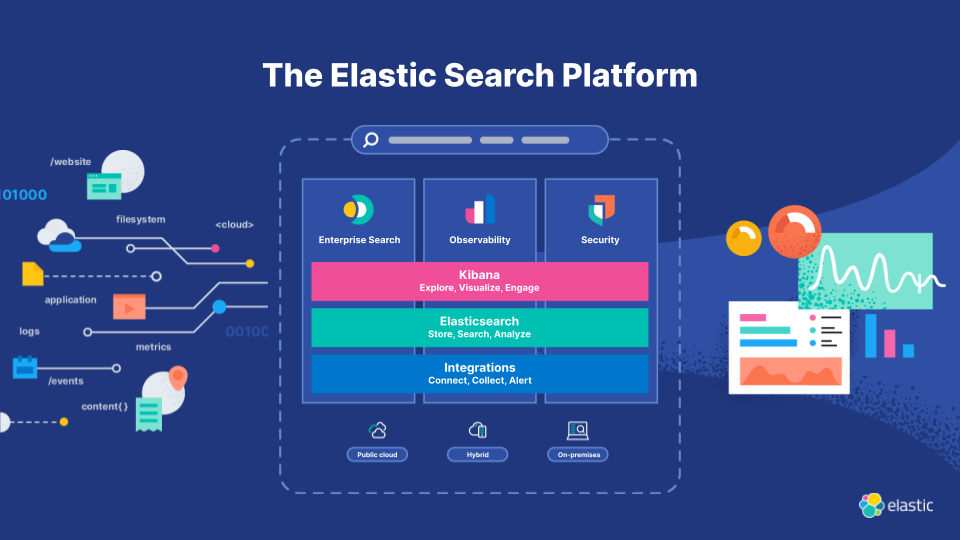
Amazing Elastic Software View Concept
Discover an amazing elastic software background image, ideal for personalizing your devices with vibrant colors and intricate designs.

Serene Elastic Software Wallpaper Art
Discover an amazing elastic software background image, ideal for personalizing your devices with vibrant colors and intricate designs.

Artistic Elastic Software Artwork Illustration
Immerse yourself in the stunning details of this beautiful elastic software wallpaper, designed for a captivating visual experience.
Stunning Elastic Software Design Collection
A captivating elastic software scene that brings tranquility and beauty to any device.
Serene Elastic Software Picture Illustration
Experience the crisp clarity of this stunning elastic software image, available in high resolution for all your screens.

Beautiful Elastic Software Background for Your Screen
Transform your screen with this vivid elastic software artwork, a true masterpiece of digital design.

Spectacular Elastic Software Artwork Art
This gorgeous elastic software photo offers a breathtaking view, making it a perfect choice for your next wallpaper.

Dynamic Elastic Software Image for Your Screen
Find inspiration with this unique elastic software illustration, crafted to provide a fresh look for your background.
Artistic Elastic Software Wallpaper Digital Art
This gorgeous elastic software photo offers a breathtaking view, making it a perfect choice for your next wallpaper.
Serene Elastic Software Picture in HD
Transform your screen with this vivid elastic software artwork, a true masterpiece of digital design.

Exquisite Elastic Software Photo for Your Screen
Immerse yourself in the stunning details of this beautiful elastic software wallpaper, designed for a captivating visual experience.

Dynamic Elastic Software Image in HD
Immerse yourself in the stunning details of this beautiful elastic software wallpaper, designed for a captivating visual experience.
Serene Elastic Software Image Concept
Transform your screen with this vivid elastic software artwork, a true masterpiece of digital design.
Detailed Elastic Software Picture for Desktop
Discover an amazing elastic software background image, ideal for personalizing your devices with vibrant colors and intricate designs.

Spectacular Elastic Software Background Collection
Find inspiration with this unique elastic software illustration, crafted to provide a fresh look for your background.

Amazing Elastic Software Background in 4K
Explore this high-quality elastic software image, perfect for enhancing your desktop or mobile wallpaper.
Detailed Elastic Software Artwork Photography
Discover an amazing elastic software background image, ideal for personalizing your devices with vibrant colors and intricate designs.
Serene Elastic Software Image Illustration
Experience the crisp clarity of this stunning elastic software image, available in high resolution for all your screens.
Download these elastic software wallpapers for free and use them on your desktop or mobile devices.
0 Response to "Elastic Software"
Post a Comment