Enterprise Resource Planning Software Definition
Tired of Siloed Data? The Complete Enterprise Resource Planning Software Definition
If you work in a business environment today, chances are you've heard the term ERP tossed around. But what exactly is ERP? And why does every major corporation, from manufacturing giants to global retailers, seem to depend on it?
The confusion often lies in the name itself. It sounds technical and complex. But at its core, Enterprise Resource Planning (ERP) software is simply the central nervous system of a modern business. This article will break down the precise Enterprise Resource Planning Software Definition, explain why it matters for growth, and reveal how this technology brings order to corporate chaos.
Ready to finally understand what makes ERP systems so vital? Let's dive in.
Breaking Down the Core Enterprise Resource Planning Software Definition
In simplest terms, the Enterprise Resource Planning Software Definition refers to a type of integrated software that organizations use to manage day-to-day business activities such as accounting, procurement, project management, risk management and compliance, and supply chain operations.
The key word here is **integrated**. Before ERP became mainstream, companies typically used disparate, standalone systems—one program for finance, another for inventory, and perhaps a third for HR. These systems didn't talk to each other, leading to data duplication, errors, and incredible operational inefficiency.
ERP solves this by gathering all those distinct functions into a single, unified database and application suite. This integration allows information to flow seamlessly across all departments, providing a single source of truth (SSOT) that managers can trust for real-time decision-making.
The Historical Context: Where Did ERP Come From?
While modern ERP is highly sophisticated, the concept dates back to the 1960s with inventory management and scheduling systems called Material Requirements Planning (MRP). This evolved into Manufacturing Resource Planning (MRP II) in the 1980s, which included other functions like finance and sales.
It wasn't until the 1990s that the term "ERP" was coined by Gartner to reflect the expansion beyond manufacturing into virtually every business function—hence the addition of "Enterprise."
For more detailed historical context on how ERP evolved from its manufacturing roots, you can refer to authoritative academic sources on the topic: Wikipedia: Enterprise Resource Planning.
Why ERP is More Than Just Software: The Integration Advantage
When implementing an ERP system, you aren't just installing an application; you are fundamentally changing your business processes. The true power of ERP lies in its ability to synchronize complex workflows that cross traditional departmental boundaries.
Consider a simple sales order. Without ERP, Sales enters the order, Finance manually checks credit, Inventory manually verifies stock, and Shipping manually generates labels. With ERP, when Sales inputs the order, the system instantly validates credit limits, allocates inventory in real-time, schedules production (if needed), and initiates the shipping paperwork—all automatically from one transaction.
Key Modules That Power ERP Systems
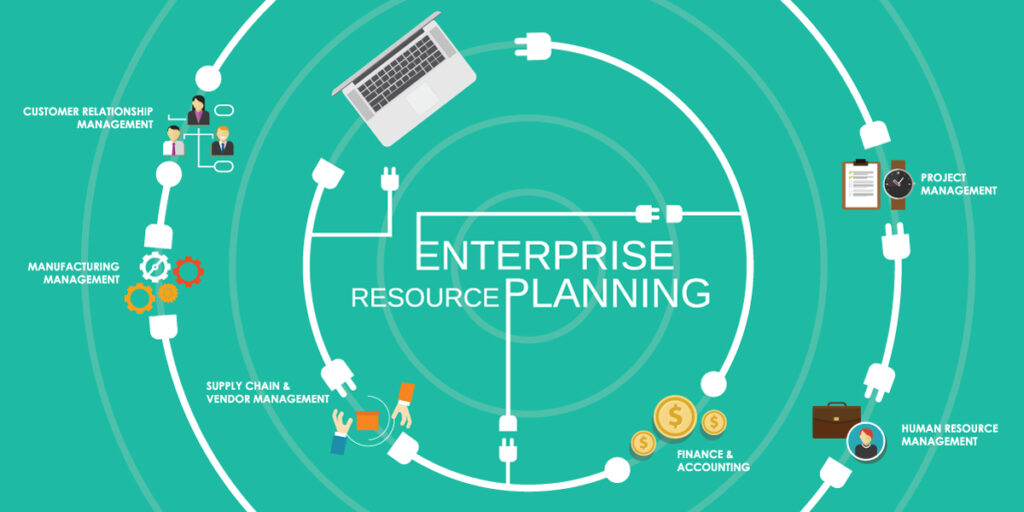
While every ERP vendor offers slightly different functionality, most robust systems include a core set of integrated modules necessary to manage the entire enterprise lifecycle.
Financial Management
This is arguably the most critical component. It handles the general ledger, accounts payable, accounts receivable, fixed assets, budgeting, and financial reporting. Modern ERP finance modules also include sophisticated features for regulatory compliance and tax management.
Supply Chain Management (SCM)
SCM modules manage the flow of goods from raw material acquisition to final delivery. This includes inventory management, warehousing, logistics, procurement, and supplier relationship management. SCM is essential for optimizing stock levels and reducing operational bottlenecks.
Human Resources Management (HRM)
This module manages all employee-related functions, including payroll, recruiting, training, benefits administration, and performance reviews. A strong HRM module ensures compliance and helps manage the company's most valuable asset: its people.
Other common modules include Customer Relationship Management (CRM), Manufacturing/Production Planning, and Project Management.
For readers interested in optimizing specific business functions, check out this related topic: [Baca Juga: Supply Chain Optimization Strategies].
The E-E-A-T Factor: Real-World Benefits of ERP Adoption
Adopting ERP is a significant investment, but the rewards—when implemented correctly—are substantial. The benefits touch upon efficiency, compliance, and strategic decision-making, which is why ERP is considered the backbone of large enterprises.
| Key Benefit Area | Impact Without ERP (Legacy/Siloed Systems) | Impact With Modern ERP |
|---|---|---|
| Data Accuracy & Visibility | High potential for redundant data, delayed reporting (hours/days), and conflicting metrics. | Single source of truth (SSOT). Real-time dashboards and instant, unified reporting. |
| Operational Efficiency | Many manual handoffs between departments, leading to slow order processing and high error rates. | Automated workflows, standardized processes, and reduced cycle times across the organization. |
| Regulatory Compliance | Audits are complex and time-consuming; difficulty tracking historical data changes. | Built-in compliance tracking, audit trails, and streamlined adherence to industry standards (e.g., SOX, GDPR). |
The move toward integrated systems is also driven by security concerns. Centralizing critical functions helps organizations align with established cybersecurity frameworks, as noted by national standards bodies: NIST Guidance on Cloud Computing.
Common ERP Deployment Models
The definition of ERP software is also evolving based on how it is hosted:
- **On-Premise:** The software is installed and run on computers located at the company's own facility. The company owns the software license and infrastructure.
- **Cloud/SaaS (Software as a Service):** The software is hosted on the ERP vendor's servers and accessed by the client via the internet. This model offers lower upfront costs, easier scalability, and reduced IT management burden. This is the dominant model today.
- **Hybrid:** A mix of both, where some mission-critical functions remain on-premise while others are moved to the cloud.
Before You Choose: Critical Factors in ERP Selection
Selecting the right ERP solution requires careful planning and alignment with strategic business goals. The complexity of the software means a successful implementation relies less on the technology itself and more on change management and customization choices.
When evaluating solutions, always prioritize the following:
- **Industry Fit (Vertical Focus):** Does the ERP system have pre-built functionality for your specific industry (e.g., discrete manufacturing, healthcare, professional services)? A tailor-made solution requires less costly customization.
- **Scalability:** Can the system easily handle projected growth in users, transactions, and geographic expansion over the next 5–10 years?
- **User Experience (UX):** A complex ERP system with poor UX will lead to low user adoption and reliance on shadow IT systems. Modern ERP interfaces must be intuitive and accessible, even on mobile devices.
Understanding the full scope of integration challenges is crucial for successful implementation. For insight into the technical aspects of integration, review specialized tech analyses: TechTarget on ERP Integration.
Conclusion
The Enterprise Resource Planning Software Definition is straightforward: it is integrated software that manages core business processes using a single database. However, the impact of ERP is far-reaching. It transforms siloed departments into a cohesive, data-driven enterprise.
If your goal is to reduce operational costs, gain real-time transparency into your business, and position your company for scalable growth, understanding and implementing the right ERP system is no longer optional—it is essential.
Frequently Asked Questions (FAQ) About ERP
- Q: Is ERP the same as CRM?
A: No, but they are often integrated. CRM (Customer Relationship Management) focuses exclusively on customer interactions (sales, marketing, service). ERP focuses on internal operational efficiency (finance, inventory, supply chain). Think of CRM as the front office and ERP as the back office.
- Q: How long does an ERP implementation typically take?
A: Implementation timelines vary greatly depending on the complexity of the organization, the number of modules deployed, and the need for customization. Simple cloud implementations might take 3 to 6 months, while highly complex, global deployments can take 1 to 3 years.
- Q: What is the biggest challenge in ERP adoption?
A: The biggest challenge is rarely technical; it's organizational. Resistance to change, poor data migration practices, and a failure to re-engineer business processes to match the software's best practices are the most common reasons projects fail.
- Q: Can small businesses use ERP software?
A: Absolutely. While ERP was traditionally aimed at large enterprises, the rise of affordable, scalable, cloud-based ERP solutions (often branded as mid-market or small business ERP) makes this technology accessible and beneficial for organizations of all sizes.
[Baca Juga: Top 5 Cloud ERP Providers 2024]
© 2024 [Your Company Name]. All Rights Reserved.
Enterprise Resource Planning Software Definition
Enterprise Resource Planning Software Definition Wallpapers
Collection of enterprise resource planning software definition wallpapers for your desktop and mobile devices.
Artistic Enterprise Resource Planning Software Definition Moment in HD
A captivating enterprise resource planning software definition scene that brings tranquility and beauty to any device.
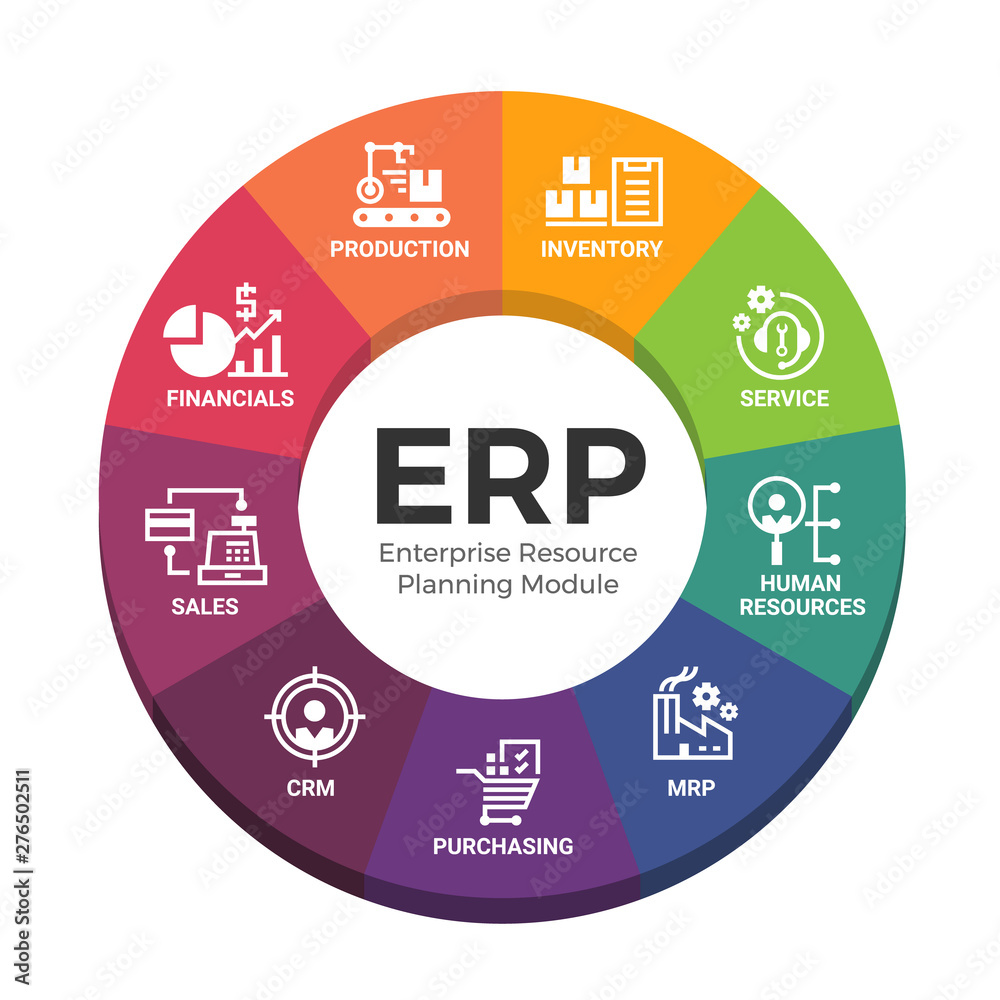
Lush Enterprise Resource Planning Software Definition Capture Digital Art
A captivating enterprise resource planning software definition scene that brings tranquility and beauty to any device.

Dynamic Enterprise Resource Planning Software Definition Wallpaper for Mobile
This gorgeous enterprise resource planning software definition photo offers a breathtaking view, making it a perfect choice for your next wallpaper.

Artistic Enterprise Resource Planning Software Definition Photo Photography
A captivating enterprise resource planning software definition scene that brings tranquility and beauty to any device.

High-Quality Enterprise Resource Planning Software Definition Scene in 4K
Discover an amazing enterprise resource planning software definition background image, ideal for personalizing your devices with vibrant colors and intricate designs.
Serene Enterprise Resource Planning Software Definition Wallpaper Nature
Explore this high-quality enterprise resource planning software definition image, perfect for enhancing your desktop or mobile wallpaper.

Crisp Enterprise Resource Planning Software Definition Capture Art
A captivating enterprise resource planning software definition scene that brings tranquility and beauty to any device.

Spectacular Enterprise Resource Planning Software Definition Moment in HD
This gorgeous enterprise resource planning software definition photo offers a breathtaking view, making it a perfect choice for your next wallpaper.
Stunning Enterprise Resource Planning Software Definition Background Illustration
Find inspiration with this unique enterprise resource planning software definition illustration, crafted to provide a fresh look for your background.
Exquisite Enterprise Resource Planning Software Definition Image in 4K
This gorgeous enterprise resource planning software definition photo offers a breathtaking view, making it a perfect choice for your next wallpaper.

Dynamic Enterprise Resource Planning Software Definition Abstract for Mobile
This gorgeous enterprise resource planning software definition photo offers a breathtaking view, making it a perfect choice for your next wallpaper.
Vibrant Enterprise Resource Planning Software Definition Scene Illustration
Transform your screen with this vivid enterprise resource planning software definition artwork, a true masterpiece of digital design.

Stunning Enterprise Resource Planning Software Definition View in 4K
This gorgeous enterprise resource planning software definition photo offers a breathtaking view, making it a perfect choice for your next wallpaper.

Captivating Enterprise Resource Planning Software Definition Moment for Mobile
A captivating enterprise resource planning software definition scene that brings tranquility and beauty to any device.
High-Quality Enterprise Resource Planning Software Definition Capture for Desktop
Transform your screen with this vivid enterprise resource planning software definition artwork, a true masterpiece of digital design.
High-Quality Enterprise Resource Planning Software Definition Design Digital Art
Experience the crisp clarity of this stunning enterprise resource planning software definition image, available in high resolution for all your screens.

Amazing Enterprise Resource Planning Software Definition Picture in 4K
Experience the crisp clarity of this stunning enterprise resource planning software definition image, available in high resolution for all your screens.
Crisp Enterprise Resource Planning Software Definition Moment Art
Find inspiration with this unique enterprise resource plan
0 Response to "Enterprise Resource Planning Software Definition"
Post a Comment