Erp Means In Software
Tired of Siloed Systems? Here's Exactly What ERP Means in Software and Why It Matters
If you work in any modern business, chances are you've heard the term "ERP." It pops up in finance meetings, supply chain discussions, and IT strategy sessions. But what exactly ERP means in software, and why is it considered the backbone of modern enterprise operations?
Simply put, Enterprise Resource Planning (ERP) is a type of software that organizations use to manage day-to-day business activities such as accounting, procurement, project management, risk management, compliance, and supply chain operations. It's the mission control center for your entire company.
For decades, different departments operated on separate systems—finance had one, HR had another, and inventory was managed on yet another spreadsheet. ERP software was created to solve this fragmentation, providing a single, unified system where every piece of data is instantly accessible across the organization.
Deconstructing the Acronym: What Does ERP Mean?
To truly understand the power of this technology, we need to break down the three fundamental components of Enterprise Resource Planning.
Enterprise: The Scope
This refers to the entire organization, regardless of size. While the term traditionally referred to large corporations, modern, scalable ERP solutions are now essential even for small and medium-sized businesses (SMBs). An enterprise perspective ensures that every function—from the warehouse floor to the CEO's office—is covered by the system.
Resource: The Assets Managed
Resources are anything a business uses to operate and succeed. This includes hard assets like inventory and machinery, but more importantly, it includes crucial intangible assets:
- Money (Financial capital)
- Materials (Raw inputs and finished goods)
- Time (Production schedules and project timelines)
- People (Human capital and workforce management)
ERP is designed to optimize the usage and tracking of all these resources.
Planning: The Objective
The ultimate goal of an ERP system is planning. By integrating real-time data from every department, the system provides accurate forecasting, demand planning, capacity planning, and financial modeling. Without accurate, centralized data, meaningful planning is impossible.
For more historical context on ERP systems and their evolution from Material Requirements Planning (MRP), you can visit Wikipedia's entry on ERP.
The Core Function of ERP: A Single Source of Truth
The defining characteristic of ERP software is its reliance on a unified database. This eliminates data silos and ensures that when a sales order is placed, it immediately updates inventory levels, triggers a financial transaction, and informs the production schedule.
This integration happens through various functional modules that talk to one another seamlessly. While system architecture varies between vendors (like SAP, Oracle, or Microsoft Dynamics), the core module structure remains consistent:
| Core ERP Module | Primary Function | Integration Point |
|---|---|---|
| Financial Accounting | General Ledger, Accounts Payable/Receivable, Budgeting. | Sales, Procurement, HR. |
| Supply Chain Management (SCM) | Inventory control, warehouse management, logistics. | Manufacturing, Finance (Cost of Goods Sold). |
| Human Resources (HRM) | Payroll, talent acquisition, time and attendance. | Finance (Labor costs), Project Management. |
| Manufacturing/Production | Bill of Materials (BOM), production scheduling, quality control. | SCM (Raw materials), Finance (Overhead costs). |
This level of integration is the answer to what ERP means in software development terms: it means creating a standardized workflow enforced by the technology itself, minimizing manual errors and delays.
If you are exploring the technical aspects of implementing these systems, you might be interested in [Baca Juga: ERP Implementation Challenges].
Why Bother? The Strategic Benefits of ERP Software
Implementing an ERP is a significant investment of time and capital. Companies don't do this just to digitize paper processes; they do it to gain a competitive edge. The benefits are typically categorized into operational, financial, and strategic gains.
Operational Efficiency and Cost Reduction
Automation is king. ERP systems automate repetitive tasks—like processing invoices, generating purchase orders, and managing payroll—freeing up human staff for higher-value work. This automation reduces human error, speeds up cycles, and drastically cuts operating costs.
Furthermore, centralized inventory management prevents duplicate purchases and reduces warehouse carrying costs. This efficiency translates directly to healthier margins.
Better Decision Making (Data Driven)
Because all data resides in one place, reporting is instantaneous and consistent. ERPs provide powerful analytical tools, allowing managers to view KPIs (Key Performance Indicators) in real-time. Need to know your profit margin per product line in the last 24 hours? An ERP can tell you.
This rapid access to accurate information means strategic decisions—like expanding production or cutting suppliers—are made based on facts, not guesswork. According to industry analysis by authoritative sources like Gartner, the shift to data-driven decision-making is the single biggest ROI from an effective ERP implementation.
Not All ERPs Are Created Equal: Types and Deployment
The market for Enterprise Resource Planning software is diverse. Choosing the right system often depends on the company size, industry complexity, and preferred method of data hosting.
Cloud-Based vs. On-Premise
This is the most critical deployment distinction today:
On-Premise ERP: The software is installed and run on computers located on the company's own premises, managed by the internal IT staff. This offers maximum control but requires high upfront capital expenditure (CAPEX) and significant ongoing maintenance costs.
Cloud (SaaS) ERP: The software is hosted on the vendor's servers and accessed by the client via the internet. This model drastically lowers the initial investment, shifts costs to an operating expenditure (OPEX) model, and eliminates the burden of maintenance and upgrades for the client. The shift to cloud ERP has been massive over the last decade.
Industry-Specific ERPs
While some ERPs are designed to be generic (or "horizontal"), many vendors offer systems tailored for specific needs. A manufacturing company's needs differ wildly from a professional services firm's needs. Specialized systems often include pre-configured modules for compliance (like FDA for pharmaceuticals) or specific scheduling challenges (like construction projects).
Choosing a vertical solution can reduce customization time and improve regulatory compliance, which is vital for maintaining integrity and trust in regulated industries. For instance, regulations in the European market often necessitate specific data handling compliance that generic systems may lack (EU Regulation Documentation).
Conclusion: The Future of ERP
So, what ERP means in software is more than just an accounting tool; it is the comprehensive digital skeleton that supports every operational process of a modern business. It allows businesses to consolidate data, automate transactions, and make informed strategic decisions based on a unified source of truth.
As technology evolves, modern ERP systems are increasingly integrating AI, Machine Learning, and IoT (Internet of Things) capabilities, moving beyond simple planning to predictive insights. Investing in the right ERP is no longer optional—it is a mandatory step for any enterprise seeking sustainable growth and efficiency in the competitive global market.
Frequently Asked Questions (FAQ) About ERP Software
Is ERP the same as CRM?
No, they are different but often integrated. CRM (Customer Relationship Management) focuses specifically on sales, marketing, and customer service interactions. ERP focuses on the internal back-office functions like finance and manufacturing. ERP systems typically include a CRM module, or they integrate tightly with external CRM software.
What are the main risks of implementing ERP software?
The primary risks include high initial costs, scope creep, resistance from employees (due to changes in workflow), and failure to allocate adequate resources for training and data migration. Successful implementation requires strong executive sponsorship and detailed process mapping.
How long does an ERP implementation take?
Implementation time varies greatly based on company size, complexity, and customization needs. A small, cloud-based ERP might take 3 to 6 months. A large, complex, multi-national on-premise system can take 1 to 3 years.
[Baca Juga: Top ERP Vendors 2024]
Erp Means In Software
Erp Means In Software Wallpapers
Collection of erp means in software wallpapers for your desktop and mobile devices.
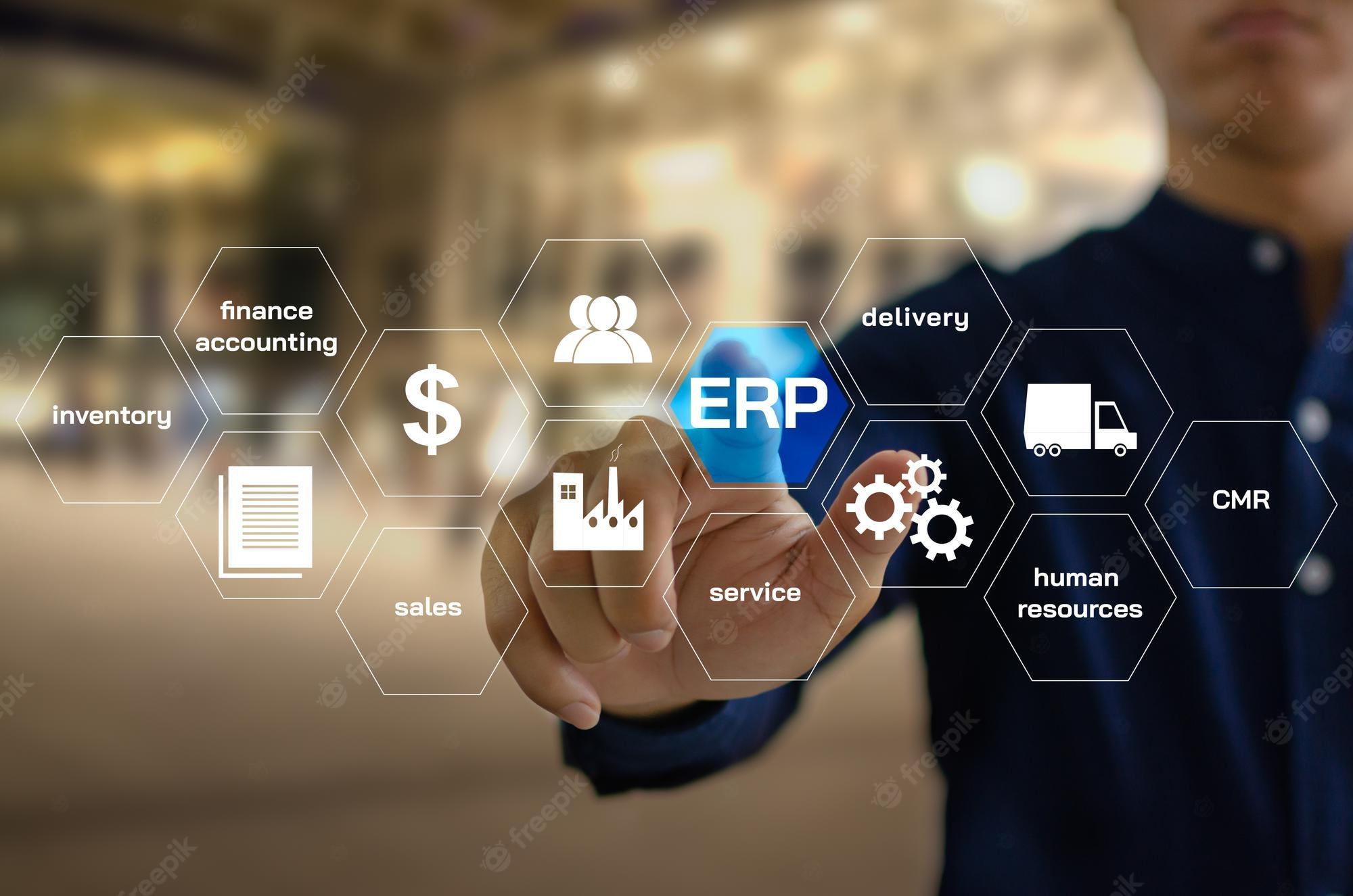
High-Quality Erp Means In Software Design Digital Art
Experience the crisp clarity of this stunning erp means in software image, available in high resolution for all your screens.
Detailed Erp Means In Software Image Art
Transform your screen with this vivid erp means in software artwork, a true masterpiece of digital design.
Vibrant Erp Means In Software View for Your Screen
Explore this high-quality erp means in software image, perfect for enhancing your desktop or mobile wallpaper.
Artistic Erp Means In Software Landscape in 4K
Immerse yourself in the stunning details of this beautiful erp means in software wallpaper, designed for a captivating visual experience.
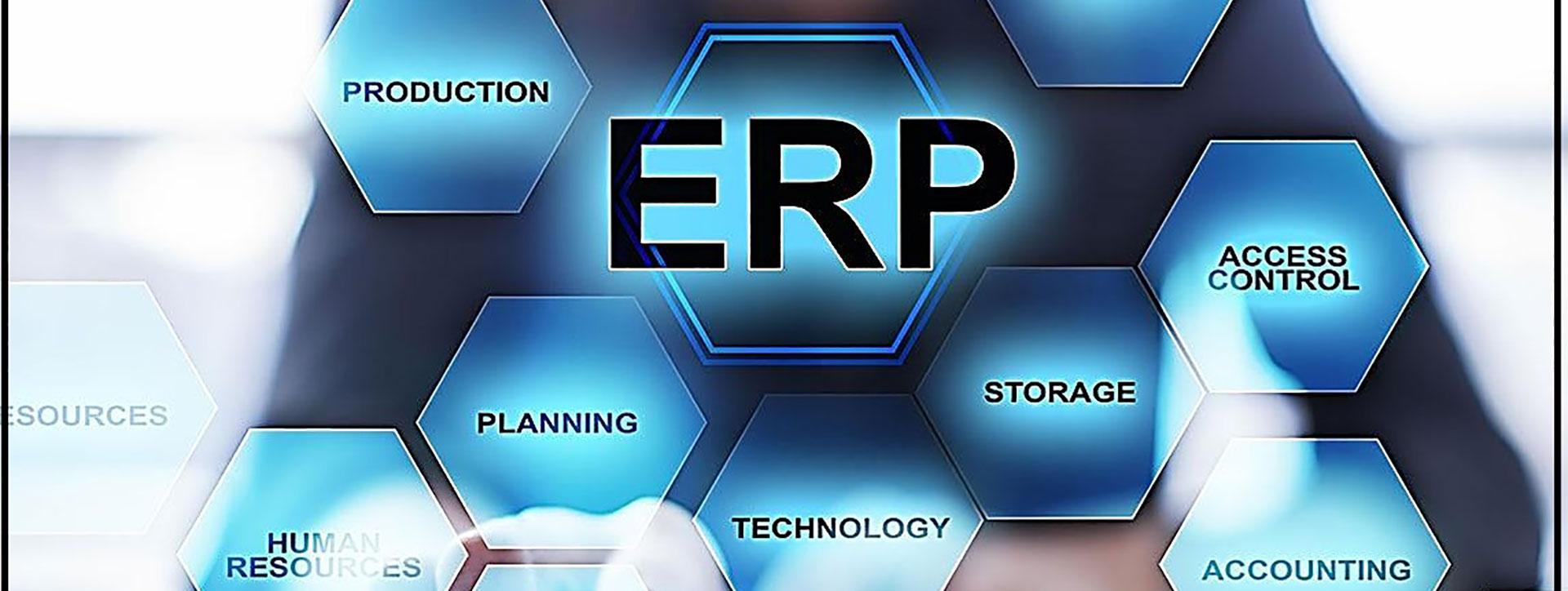
Spectacular Erp Means In Software Wallpaper Art
A captivating erp means in software scene that brings tranquility and beauty to any device.
Vibrant Erp Means In Software Abstract in HD
Transform your screen with this vivid erp means in software artwork, a true masterpiece of digital design.
Exquisite Erp Means In Software Background Art
This gorgeous erp means in software photo offers a breathtaking view, making it a perfect choice for your next wallpaper.
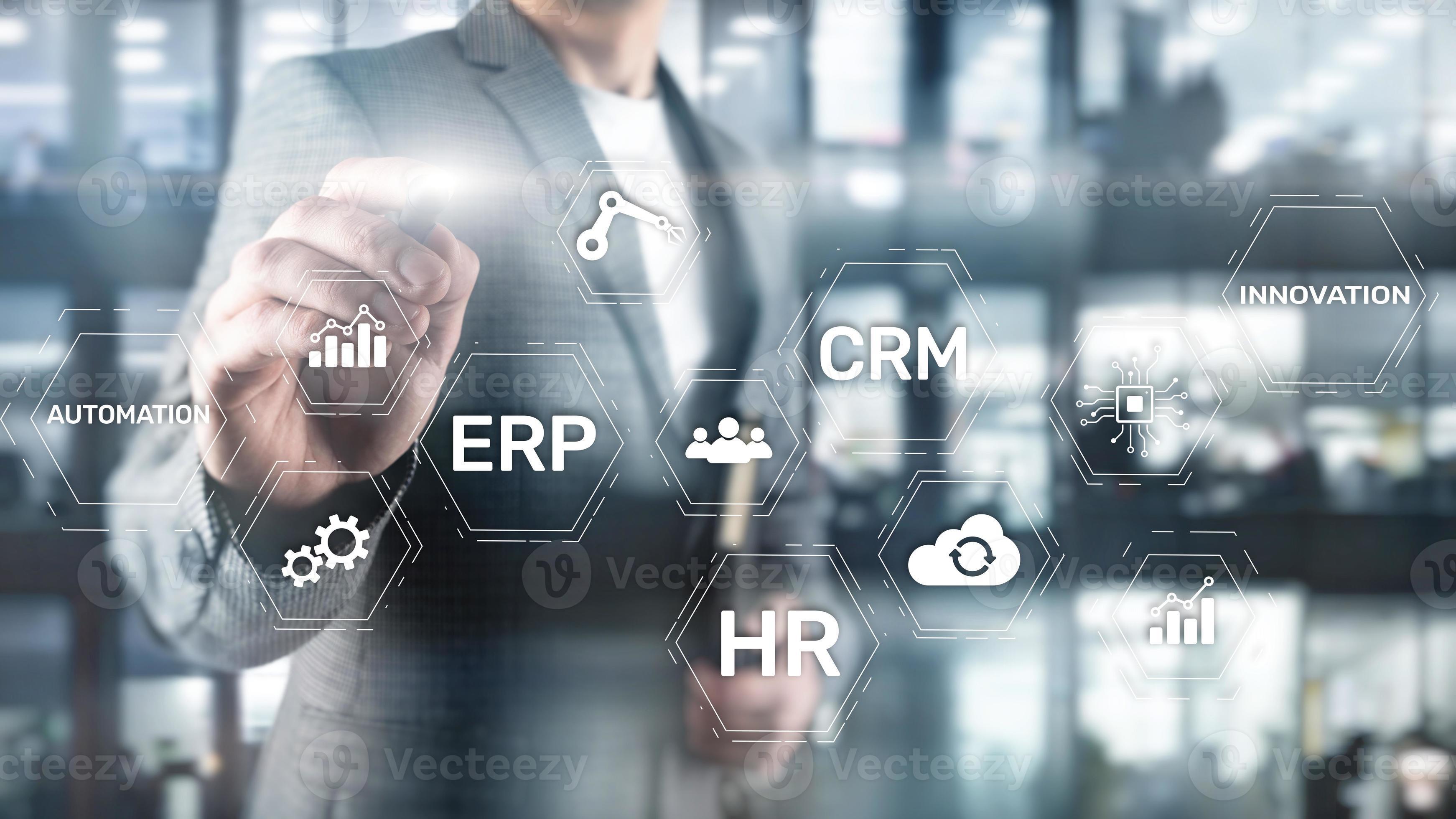
Dynamic Erp Means In Software Artwork for Your Screen
Find inspiration with this unique erp means in software illustration, crafted to provide a fresh look for your background.
Artistic Erp Means In Software Capture for Mobile
Immerse yourself in the stunning details of this beautiful erp means in software wallpaper, designed for a captivating visual experience.
High-Quality Erp Means In Software Landscape in 4K
Discover an amazing erp means in software background image, ideal for personalizing your devices with vibrant colors and intricate designs.
Vivid Erp Means In Software Photo Art
Experience the crisp clarity of this stunning erp means in software image, available in high resolution for all your screens.
Artistic Erp Means In Software Moment in HD
A captivating erp means in software scene that brings tranquility and beauty to any device.
Vibrant Erp Means In Software Photo Art
Transform your screen with this vivid erp means in software artwork, a true masterpiece of digital design.

Amazing Erp Means In Software View Nature
Explore this high-quality erp means in software image, perfect for enhancing your desktop or mobile wallpaper.
Exquisite Erp Means In Software Scene Photography
Find inspiration with this unique erp means in software illustration, crafted to provide a fresh look for your background.
Artistic Erp Means In Software Picture Photography
Find inspiration with this unique erp means in software illustration, crafted to provide a fresh look for your background.
Vivid Erp Means In Software Landscape in 4K
Explore this high-quality erp means in software image, perfect for enhancing your desktop or mobile wallpaper.
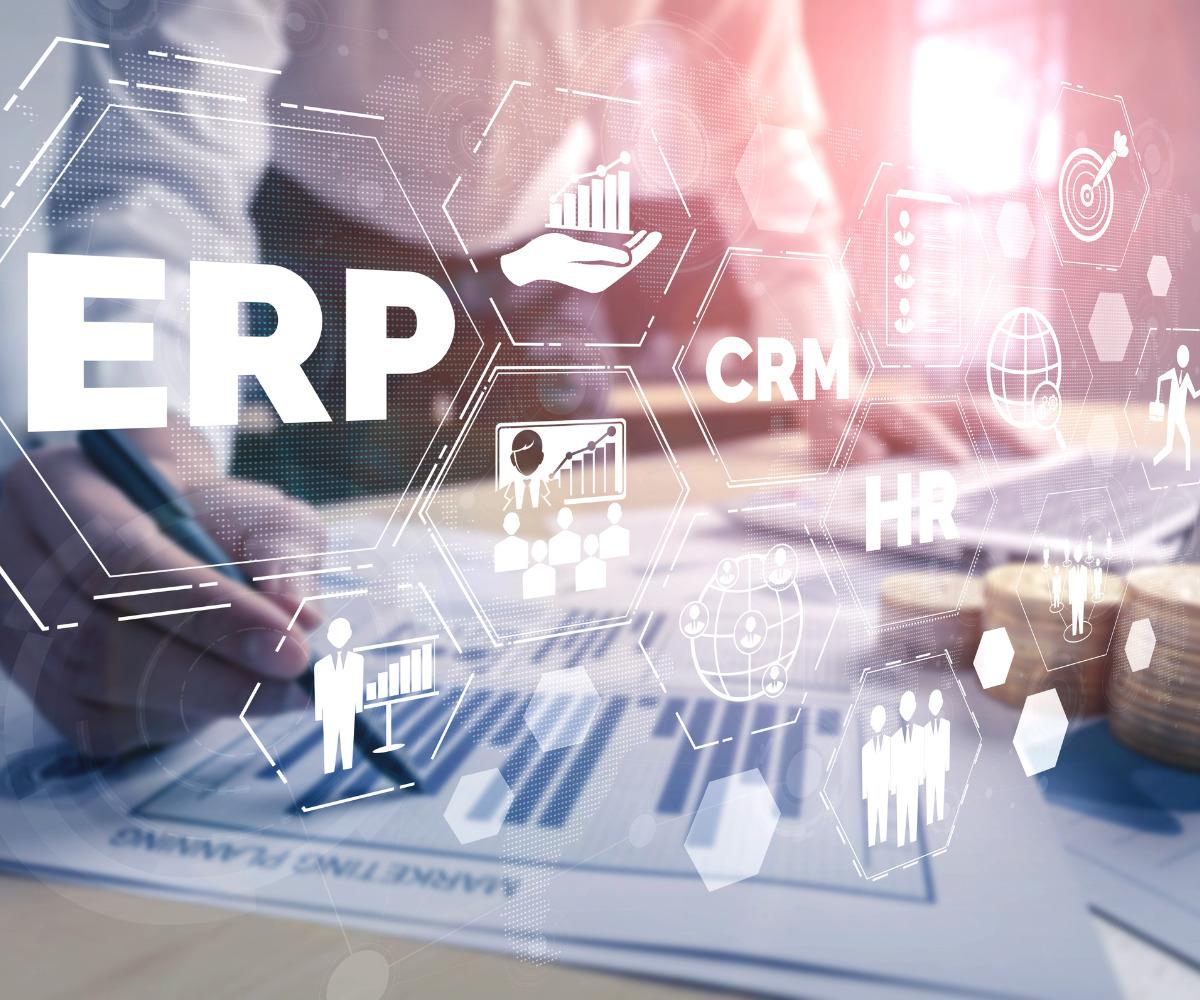
Mesmerizing Erp Means In Software Abstract in 4K
Transform your screen with this vivid erp means in software artwork, a true masterpiece of digital design.
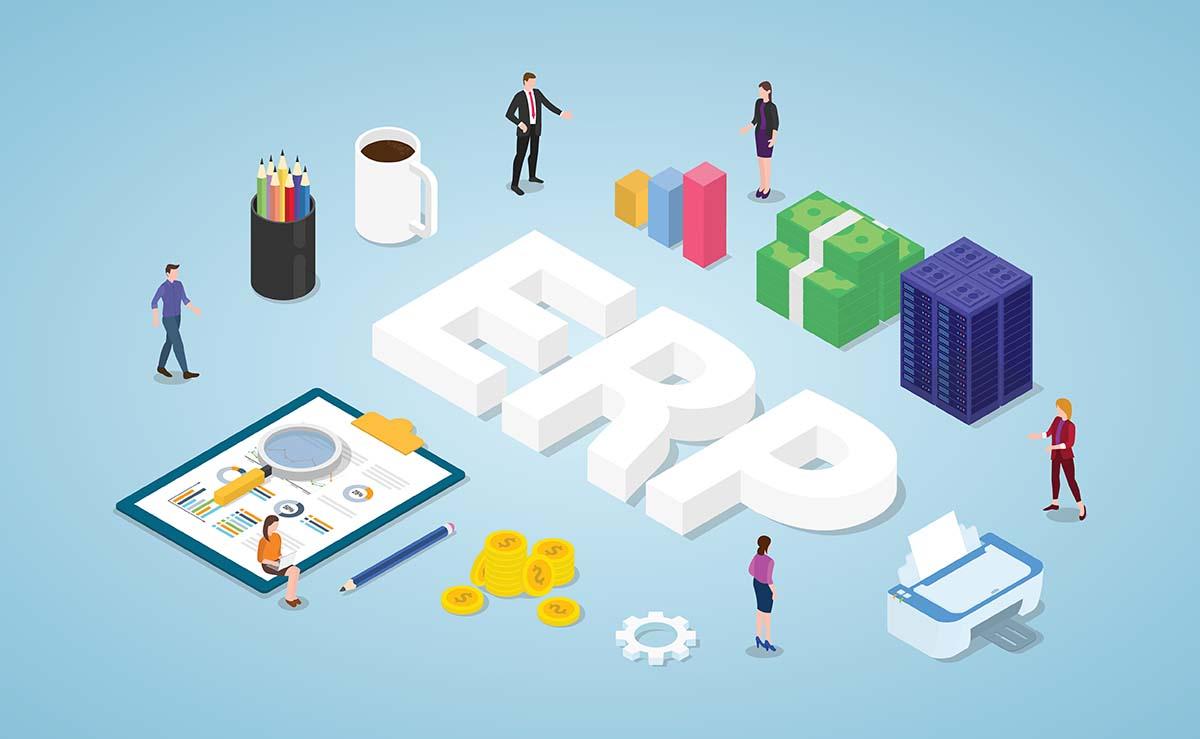
Exquisite Erp Means In Software Artwork for Your Screen
Immerse yourself in the stunning details of this beautiful erp means in software wallpaper, designed for a captivating visual experience.
Breathtaking Erp Means In Software Photo Art
Experience the crisp clarity of this stunning erp means in software image, available in high resolution for all your screens.
Download these erp means in software wallpapers for free and use them on your desktop or mobile devices.
0 Response to "Erp Means In Software"
Post a Comment