Hvac Software Design
Stop Guessing: Mastering HVAC Software Design for Flawless System Performance
If you work in mechanical engineering or building services, you know the drill: designing an HVAC system used to involve stacks of paper, complex psychrometric charts, and a fair amount of educated guesswork. Those days are thankfully behind us. Today, sophisticated HVAC software design tools are not just a luxury—they are the backbone of efficient, compliant, and cost-effective building systems.
But choosing and utilizing the right software is often overwhelming. How do you ensure your digital design workflow aligns with real-world performance? This deep dive will guide you through the principles, tools, and best practices necessary to master modern HVAC software design, ensuring your systems perform flawlessly from day one.
Why Modern HVAC Software Design is Non-Negotiable
The complexity of modern building envelopes—driven by stricter energy codes and architectural innovation—demands precision far beyond manual capabilities. Relying on outdated methods introduces significant risk, leading to oversized equipment, high utility costs, and client dissatisfaction. Software addresses these challenges head-on.
The Need for Precision: Load Calculations
The most critical function of design software is accurately performing heating and cooling load calculations. Software automates the tedious, error-prone calculations required by industry standards like ACCA Manual J (Residential) and ASHRAE (Commercial). It processes thousands of data points—from wall U-values and infiltration rates to internal gains—in seconds.
This precision directly translates to correctly sized equipment. An undersized unit fails to cool; an oversized unit short-cycles, wasting energy and failing to dehumidify effectively.
Compliance and Documentation
Regulatory compliance is a massive hurdle in modern construction. Design software ensures that your specifications meet local and international energy codes (e.g., IECC or ASHRAE 90.1). Furthermore, the robust documentation generated by these tools—including detailed calculations, reports, and schematics—is essential for permitting, peer review, and establishing a professional record of design intent.
We highly recommend consulting authoritative industry bodies to stay updated on the latest standards:
ASHRAE Standards: Keeping Up with the Latest Energy Codes.
The Core Pillars of Successful HVAC Software Design
Modern HVAC software design is no longer siloed. It must integrate seamlessly into the broader construction process. Three pillars define a truly successful digital workflow.
Building Information Modeling (BIM) Integration
BIM is arguably the biggest game-changer. Rather than simply drawing 2D lines, BIM software allows engineers to model the HVAC system using intelligent 3D components. This enables clash detection—identifying where ductwork conflicts with structural beams or plumbing—before construction even begins. This capability drastically reduces costly field rework and scheduling delays.
Duct and Piping Sizing Automation
Manual sizing of ducts and pipes based on static pressure or velocity is time-consuming. Advanced software automates this process, ensuring optimal airflow and minimizing fan energy usage. The best tools allow engineers to adjust parameters instantly and see the resulting impact on the system's overall performance curve, adhering to fluid dynamics principles.
Energy Modeling and Simulation
Beyond simple load calculation, true E-E-A-T (Expertise, Authoritativeness, Trustworthiness) in design means proving long-term performance. Energy modeling tools simulate the building's thermal behavior over an entire year, factoring in local weather data, occupancy schedules, and system controls.
This allows designers to test different scenarios—such as changing glazing types or optimizing ventilation strategies—and accurately predict operational costs and environmental impact, leading to superior, validated designs.
Understanding the Role of Energy Modeling in Sustainable Design (Wikipedia)
Key Features to Look for in HVAC Design Tools
When evaluating solutions for your specific firm, it's crucial to understand the functional differences between specialized calculation engines and full-suite drafting tools. Here is a simplified comparison of three major categories:
| Software Type | Primary Function | Best For | Key Output |
|---|---|---|---|
| Load Calculation Engines | Accurate thermal load determination (Manual J/S/T compliance). | Small to mid-size residential/commercial projects needing quick sizing verification. | Detailed compliance reports, equipment specifications. |
| BIM/CAD Platforms (e.g., Revit MEP) | 3D spatial modeling, clash detection, documentation. | Large commercial/institutional projects requiring full coordination. | 3D Models, construction drawings, quantity take-offs. |
| Simulation & Optimization Tools | Year-round energy consumption simulation and system tuning. | Green buildings, LEED projects, energy retrofits. | Energy cost forecasts, performance benchmarking. |
When integrating these tools, always prioritize open data standards (like IFC) to ensure smooth collaboration between architects, structural engineers, and mechanical teams.
[Baca Juga: BIM Workflow Optimization for MEP Firms]
Addressing Common Pitfalls in HVAC Software Design
The most advanced software in the world is only as good as the user operating it. While software eliminates calculation errors, it does not eliminate human judgment errors, particularly concerning input data and assumptions.
Data Input: Garbage In, Garbage Out
The biggest design error in the digital age is often relying on default settings or inaccurate input data. If the software is fed incorrect data on insulation values, internal heat gains, or outdoor design temperatures, the resulting calculation will be fundamentally flawed, regardless of the software's sophistication.
Experienced engineers must rigorously verify architectural inputs and use region-specific climatic data rather than relying on generic figures. This expertise is what differentiates true professionals from automated users.
Research on Data Integrity in Engineering Software (Science Direct)
Training and User Expertise
Adopting new HVAC software design platforms requires a significant commitment to training. Often, firms purchase expensive software but only utilize 30–40% of its capabilities because engineers lack comprehensive training on advanced features like custom report generation or advanced simulation settings.
Investing in ongoing professional development ensures that your team maximizes the return on your software investment and maintains the necessary E-E-A-T credentials in a competitive market.
[Baca Juga: HVAC Modeling Best Practices for New Users]
Conclusion
The trajectory of HVAC design is clear: it is digital, integrated, and highly precise. Mastering HVAC software design is no longer just about calculating loads; it's about utilizing BIM, performing energy simulations, and generating comprehensive documentation that streamlines construction and guarantees long-term efficiency.
By prioritizing accurate input data, investing in robust tools, and committing to continuous learning, engineers can transform their design process from a risk-laden chore into a cornerstone of professional excellence.
Frequently Asked Questions (FAQ)
- What is the primary difference between a CAD and a BIM HVAC design tool?
CAD (Computer-Aided Design) typically produces 2D drawings or 3D geometry without inherent data. BIM (Building Information Modeling) creates intelligent models where every component (duct, chiller, diffuser) is linked to crucial information, allowing for automatic clash detection, load calculations, and quantity take-offs.
- How important is ASHRAE compliance in HVAC software?
It is paramount. Most reputable HVAC software design tools base their calculation algorithms directly on ASHRAE standards (like ASHRAE 90.1 for energy and ASHRAE 62.1 for ventilation). Compliance ensures energy efficiency, proper sizing, and regulatory approval.
- Can HVAC design software eliminate the need for an experienced engineer?
Absolutely not. Software is a powerful tool for computation and drafting, but it cannot replace the critical judgment, assumption verification, and interpretation of results that only an experienced engineer can provide. The software follows instructions; the engineer provides the expertise.
- What is "diversity factor" and how does software handle it?
Diversity factor relates to the probability that all building zones or pieces of equipment will experience peak load simultaneously. Sophisticated software allows the engineer to input appropriate diversity factors (e.g., in a residential setting, not all bedrooms are occupied at 3 AM), preventing the oversizing of central equipment and saving energy.
***
Disclaimer: This article provides informational guidance on HVAC software design principles and does not endorse specific software products. Always perform due diligence when selecting tools for professional use.
Hvac Software Design
Hvac Software Design Wallpapers
Collection of hvac software design wallpapers for your desktop and mobile devices.
Dynamic Hvac Software Design Wallpaper Collection
This gorgeous hvac software design photo offers a breathtaking view, making it a perfect choice for your next wallpaper.
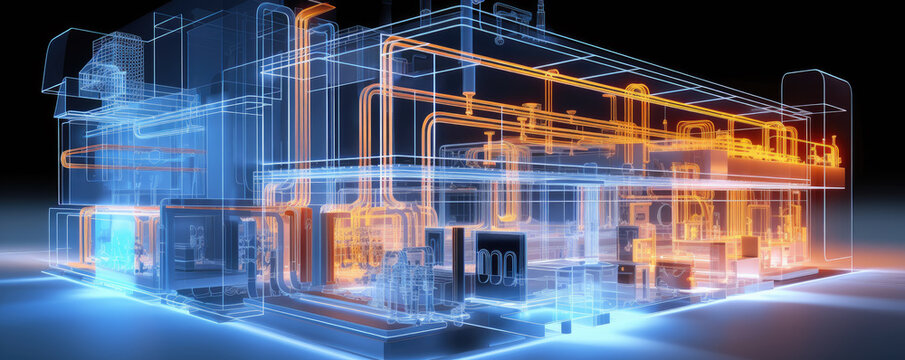
Spectacular Hvac Software Design Capture in HD
This gorgeous hvac software design photo offers a breathtaking view, making it a perfect choice for your next wallpaper.
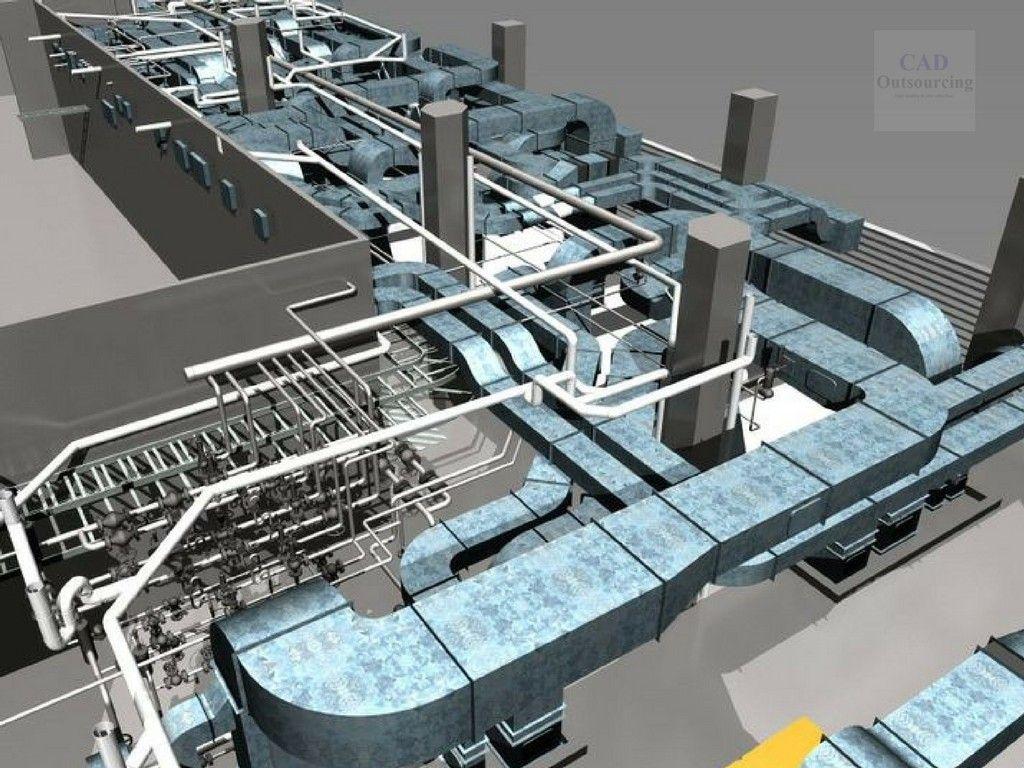
Breathtaking Hvac Software Design Artwork Digital Art
Transform your screen with this vivid hvac software design artwork, a true masterpiece of digital design.
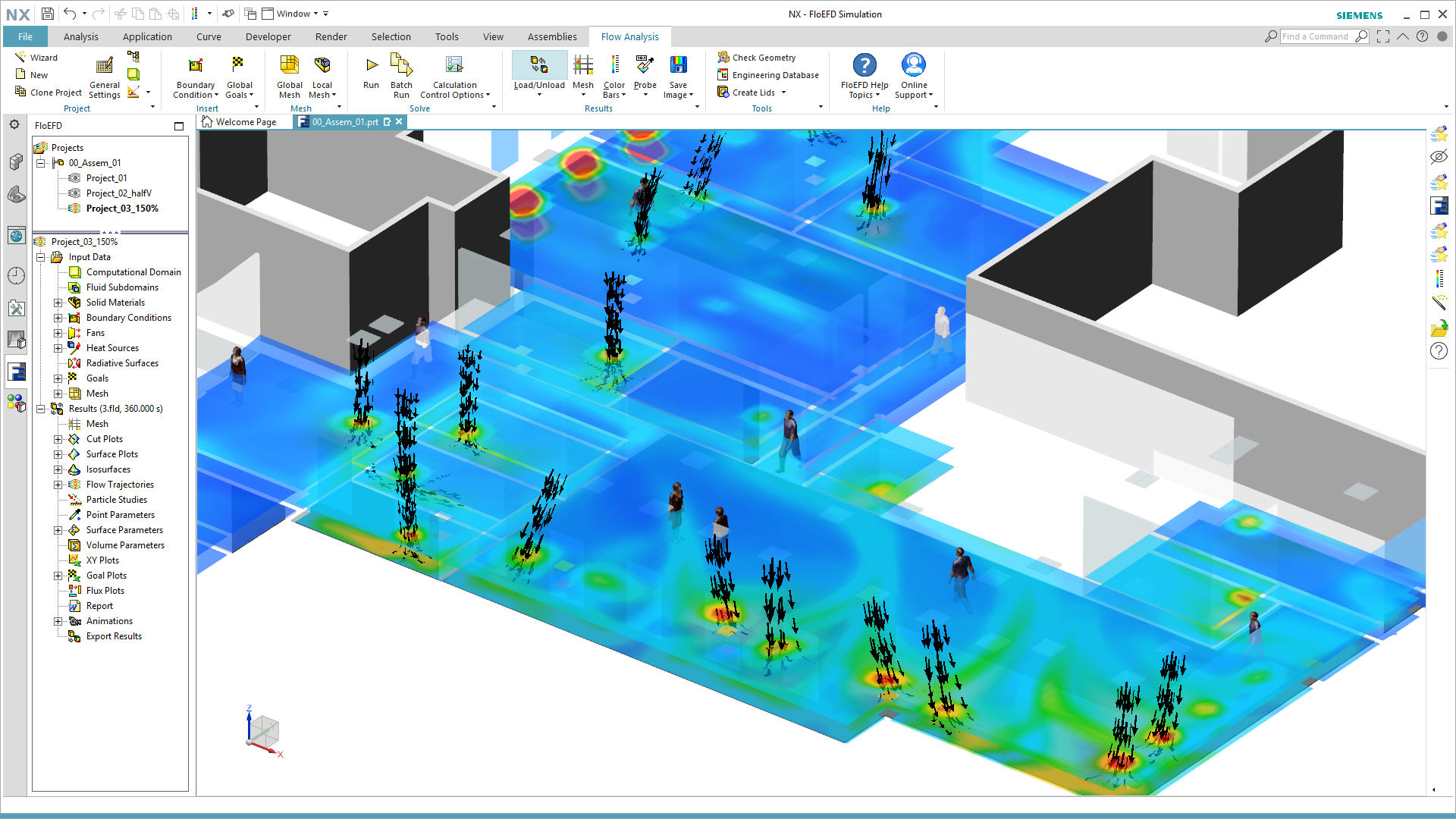
Amazing Hvac Software Design Artwork in HD
Transform your screen with this vivid hvac software design artwork, a true masterpiece of digital design.
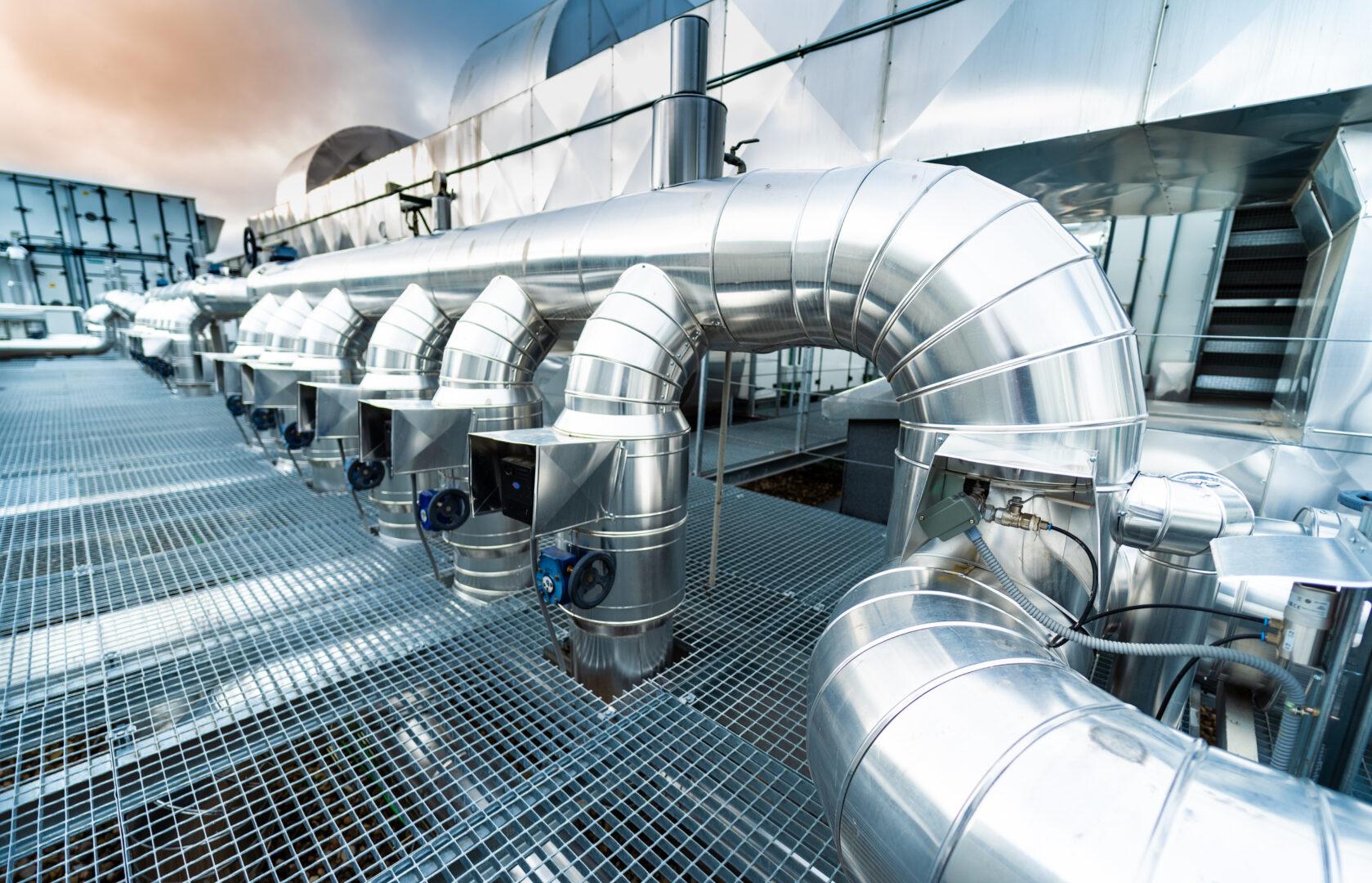
Breathtaking Hvac Software Design Abstract in 4K
Explore this high-quality hvac software design image, perfect for enhancing your desktop or mobile wallpaper.
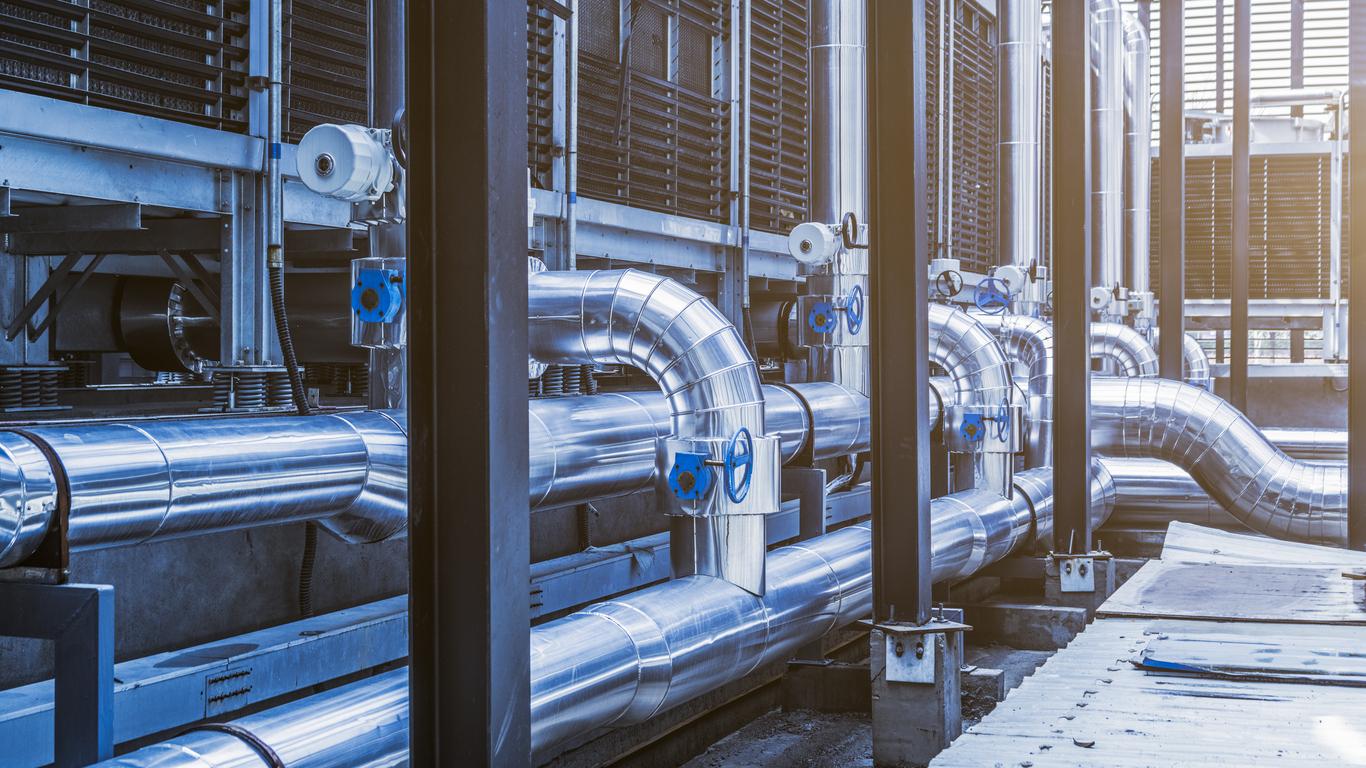
Mesmerizing Hvac Software Design Landscape Illustration
Experience the crisp clarity of this stunning hvac software design image, available in high resolution for all your screens.
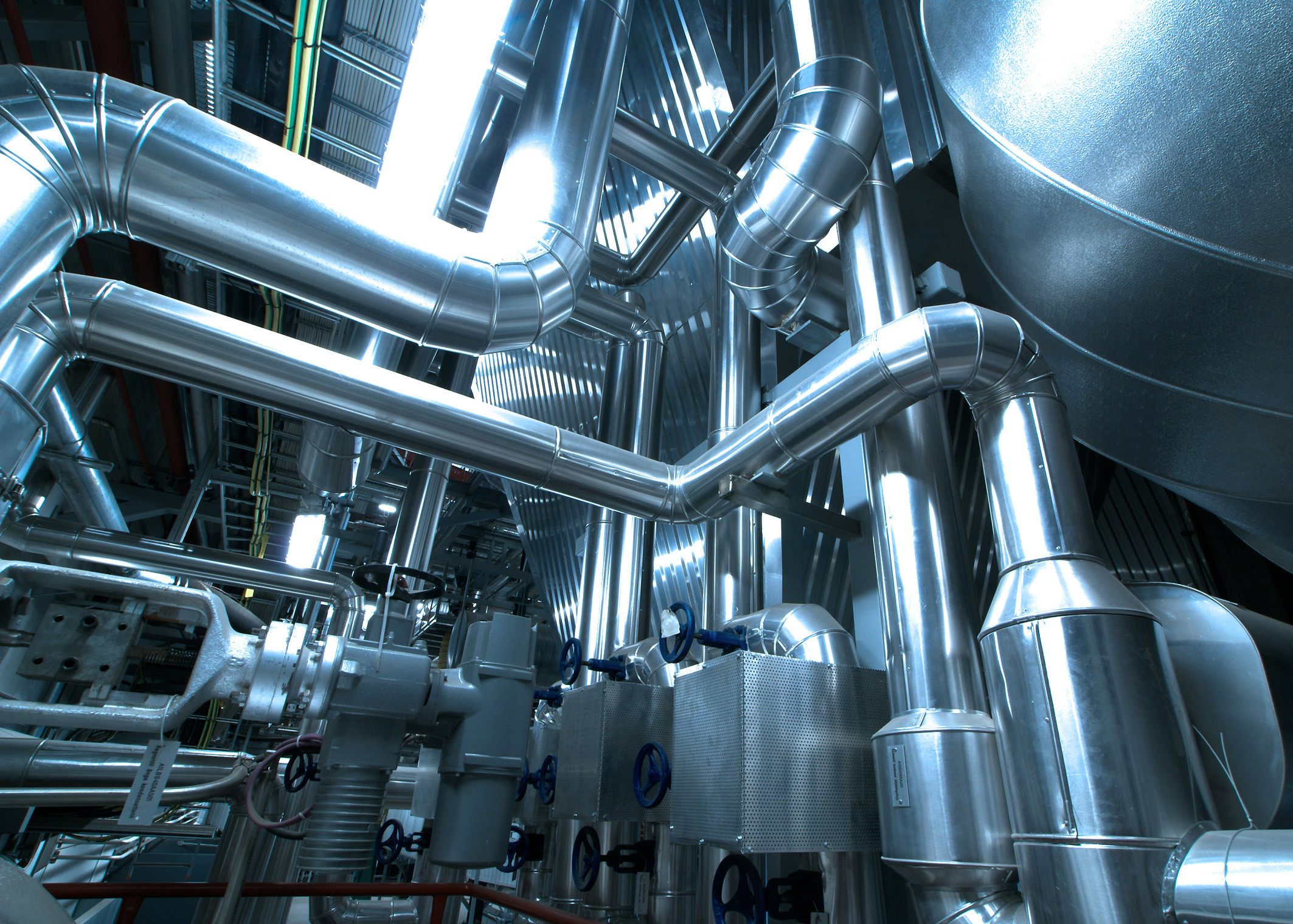
Mesmerizing Hvac Software Design Design Collection
Explore this high-quality hvac software design image, perfect for enhancing your desktop or mobile wallpaper.
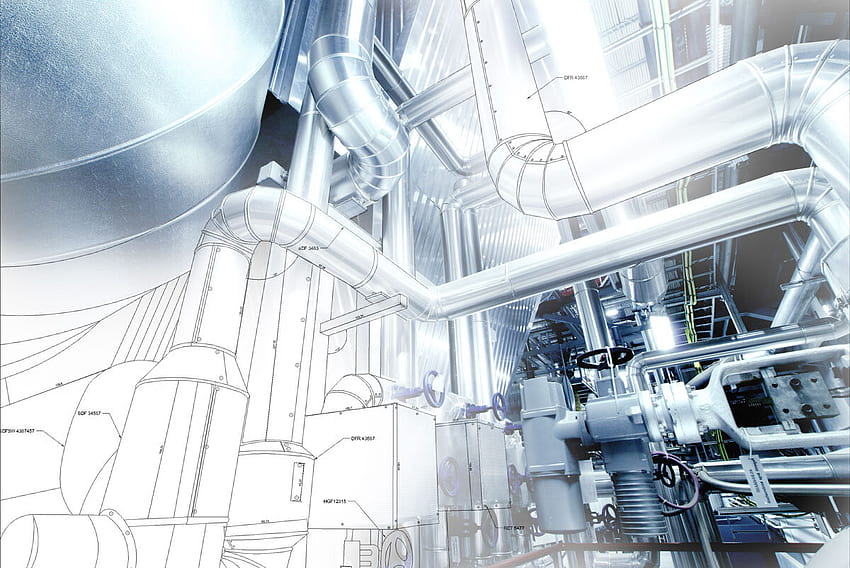
Detailed Hvac Software Design Design in HD
Explore this high-quality hvac software design image, perfect for enhancing your desktop or mobile wallpaper.
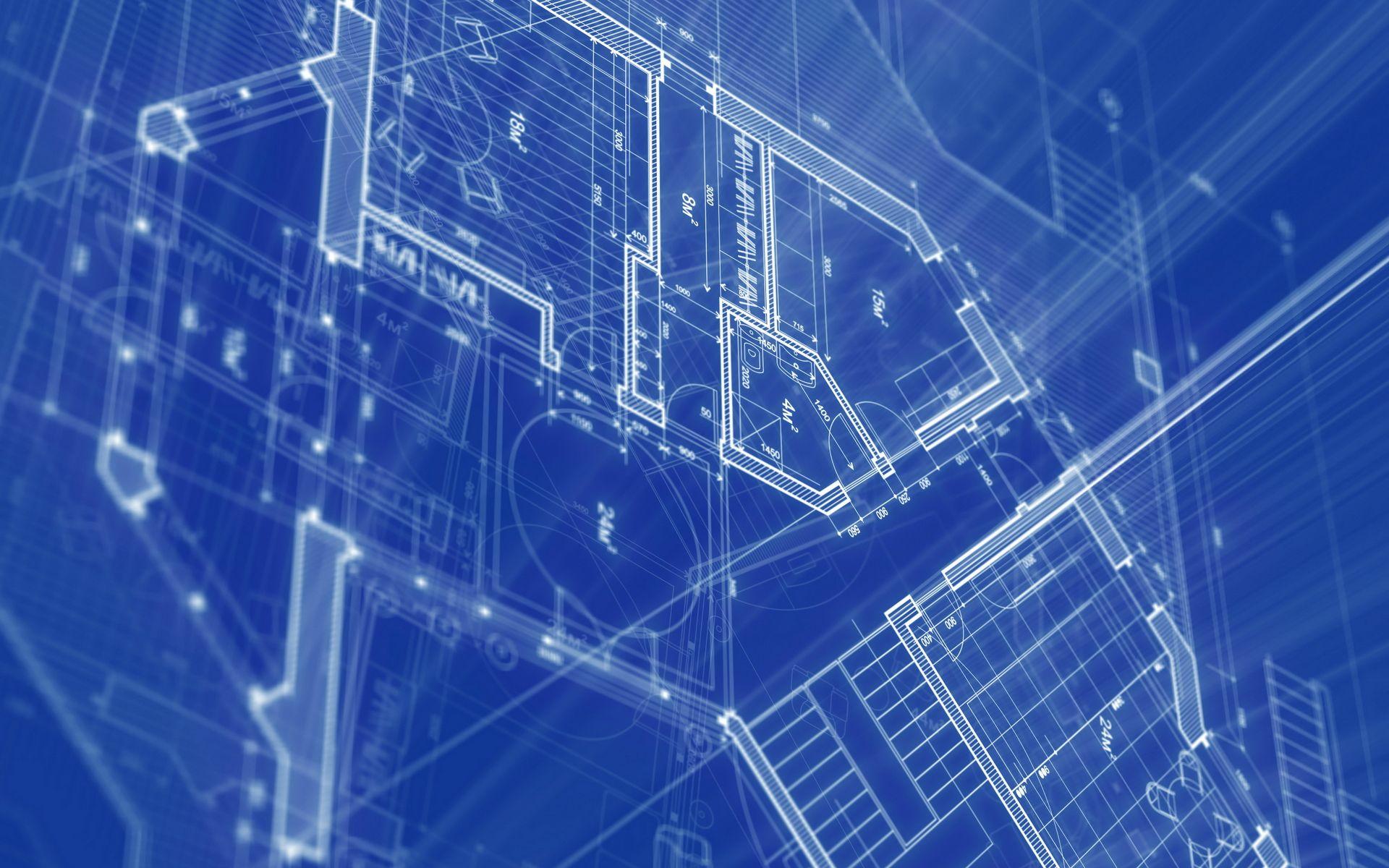
Gorgeous Hvac Software Design Moment for Mobile
A captivating hvac software design scene that brings tranquility and beauty to any device.
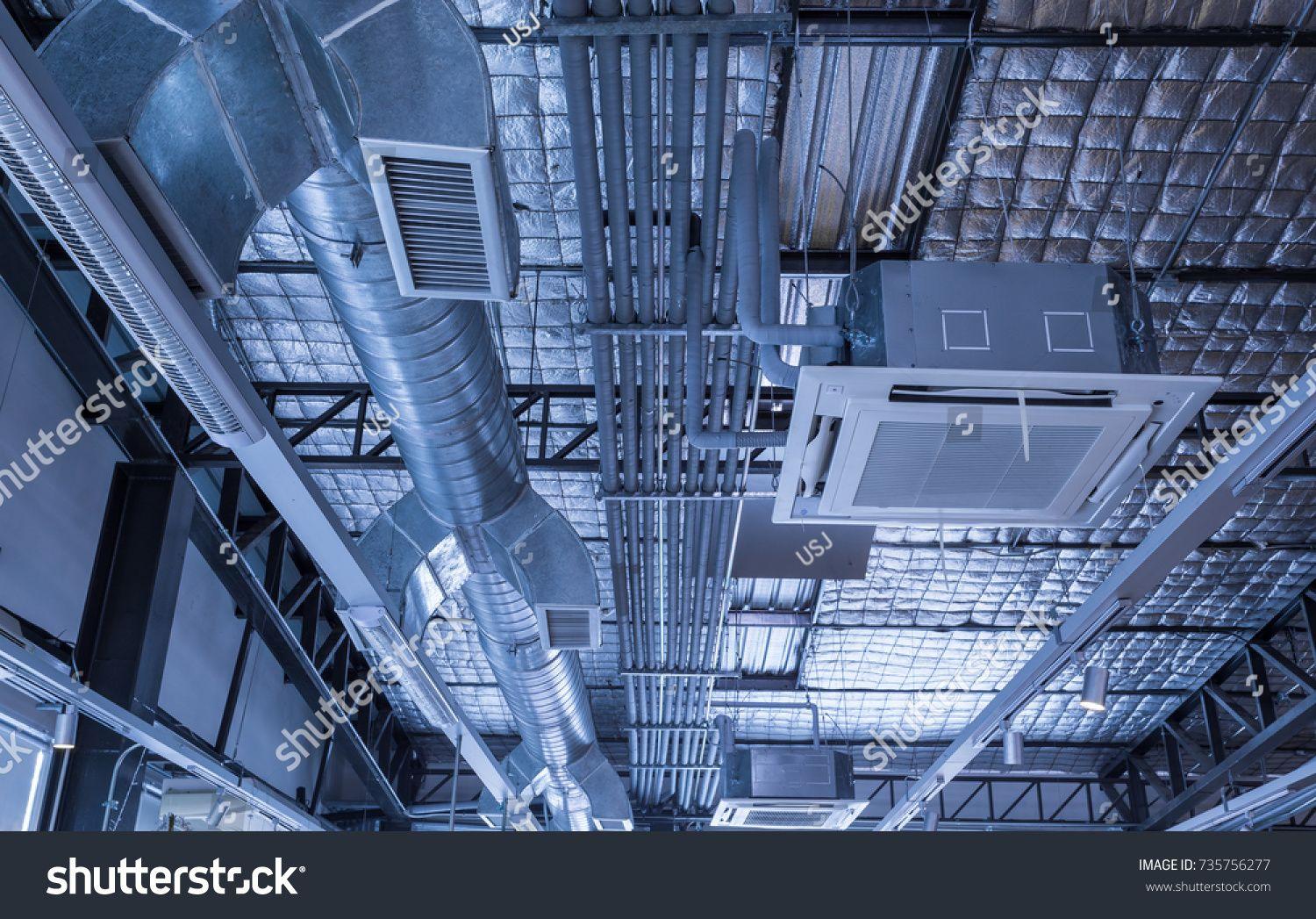
Serene Hvac Software Design Moment for Desktop
Transform your screen with this vivid hvac software design artwork, a true masterpiece of digital design.
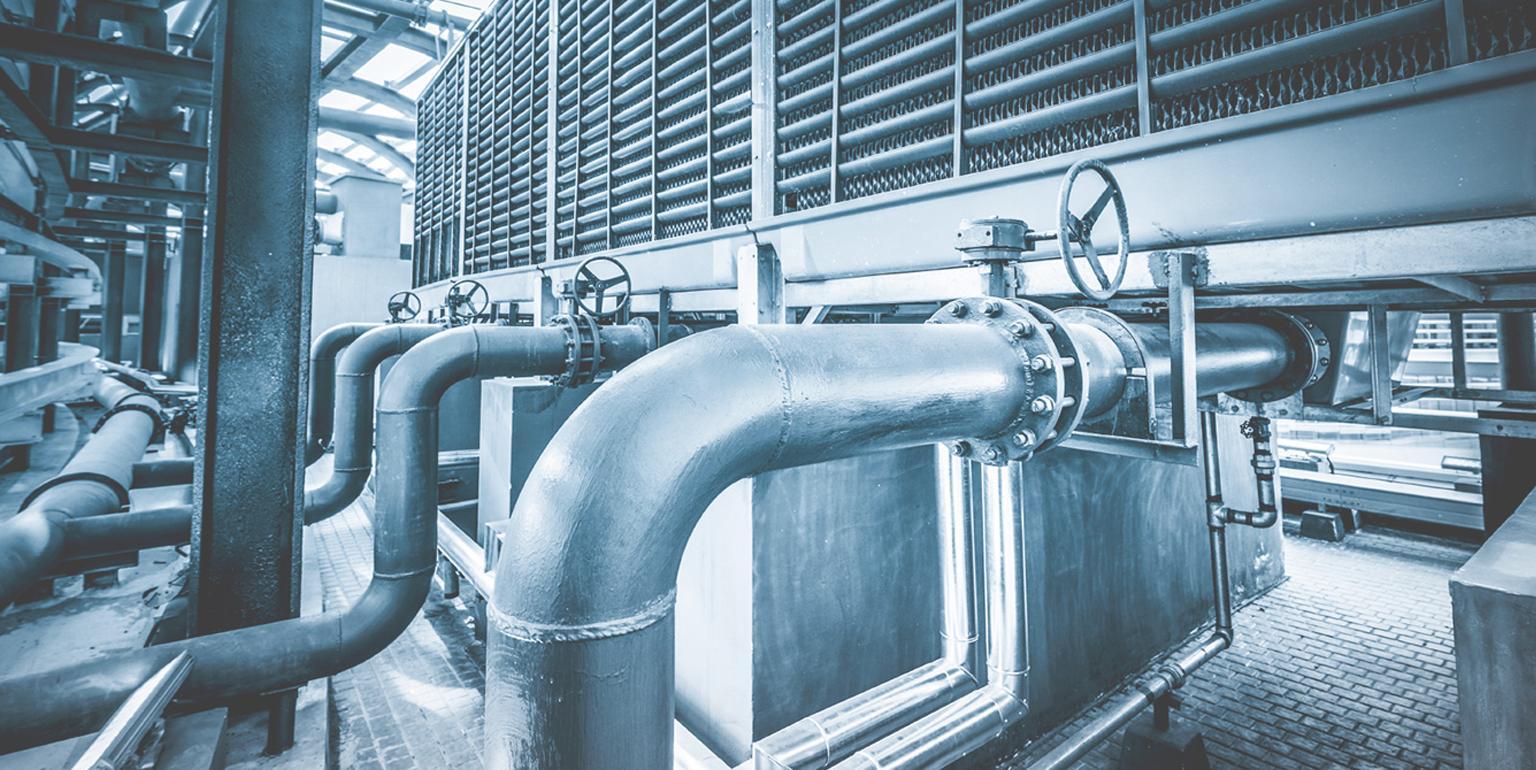
Stunning Hvac Software Design Capture for Your Screen
Find inspiration with this unique hvac software design illustration, crafted to provide a fresh look for your background.
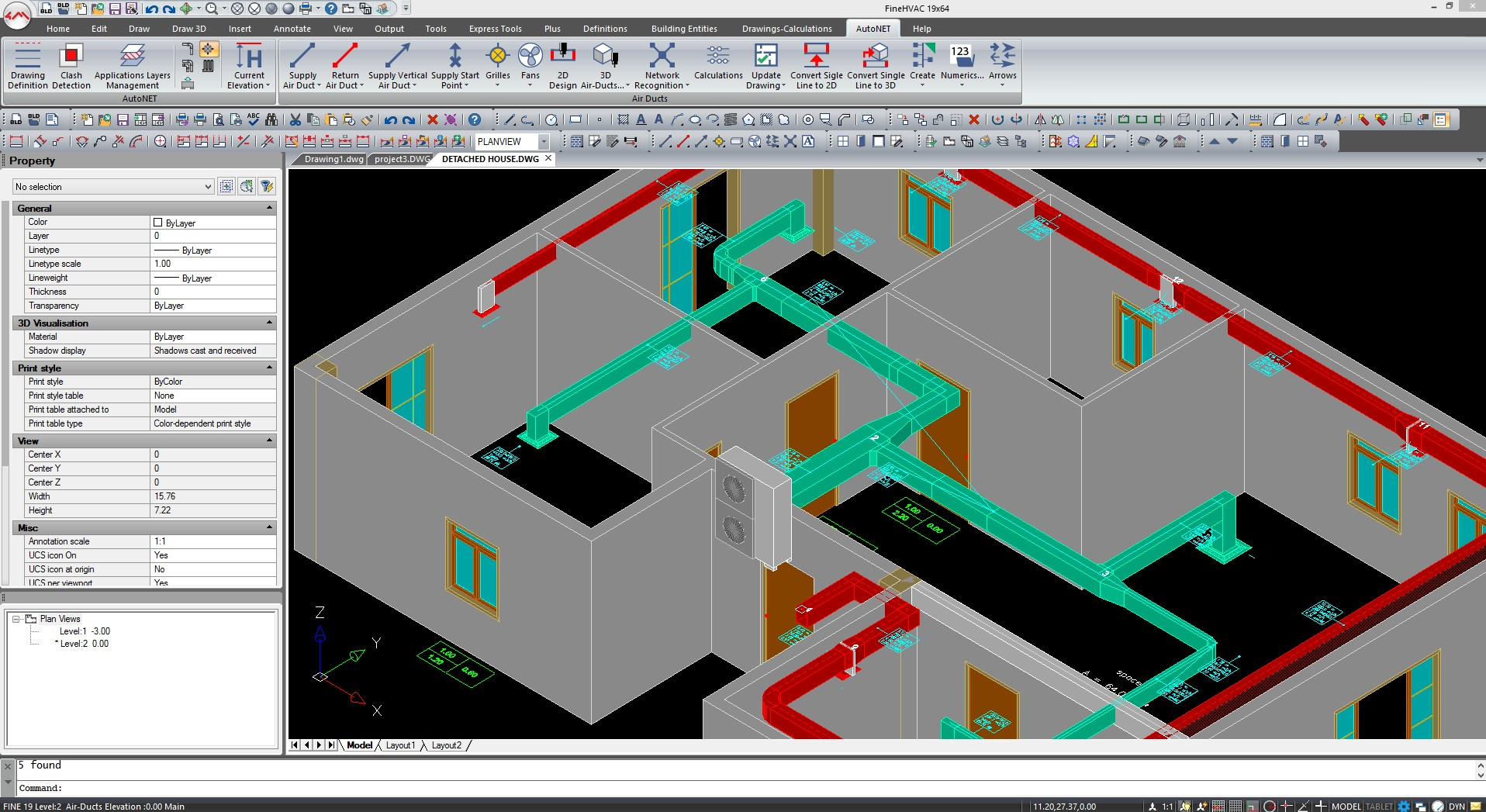
Breathtaking Hvac Software Design Landscape for Desktop
Experience the crisp clarity of this stunning hvac software design image, available in high resolution for all your screens.
Detailed Hvac Software Design Image Digital Art
Experience the crisp clarity of this stunning hvac software design image, available in high resolution for all your screens.
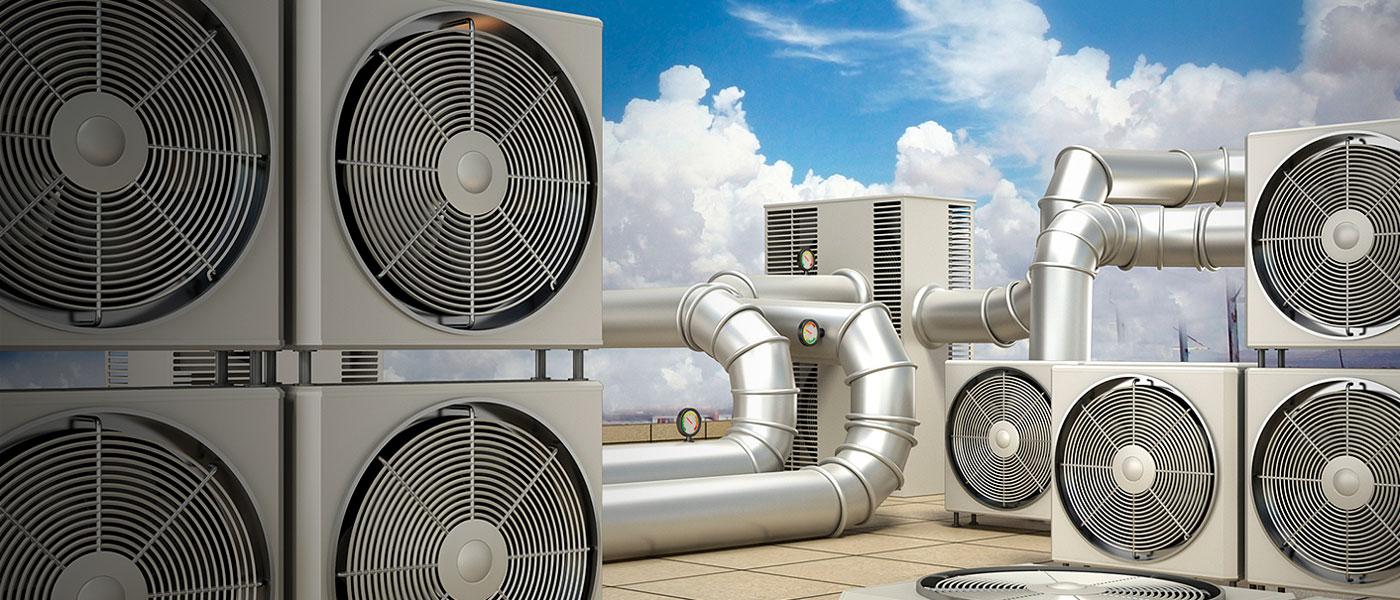
Lush Hvac Software Design Scene in HD
Find inspiration with this unique hvac software design illustration, crafted to provide a fresh look for your background.

Detailed Hvac Software Design Picture Concept
Transform your screen with this vivid hvac software design artwork, a true masterpiece of digital design.
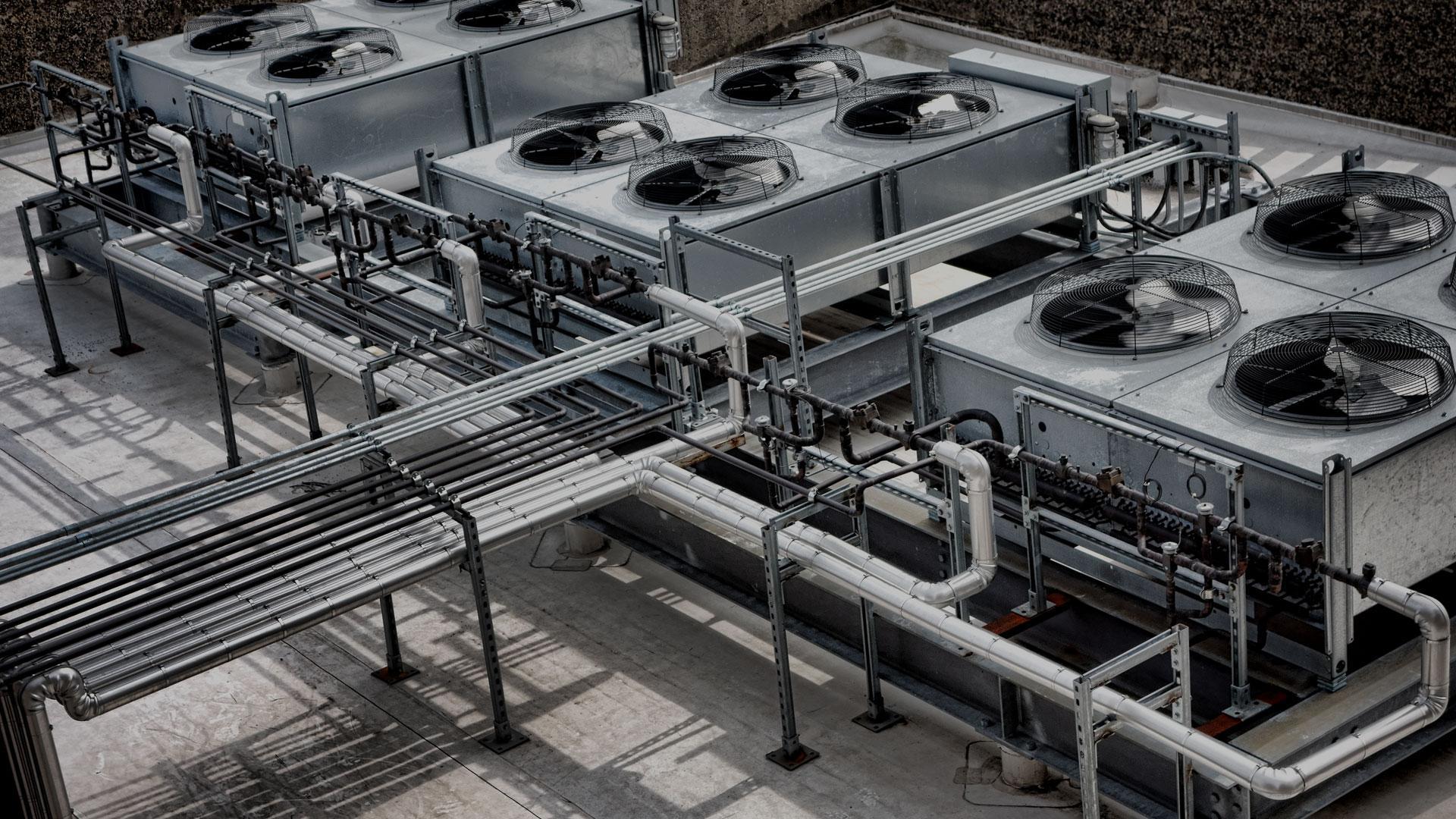
Vibrant Hvac Software Design Picture Concept
Explore this high-quality hvac software design image, perfect for enhancing your desktop or mobile wallpaper.
Artistic Hvac Software Design Abstract Collection
Find inspiration with this unique hvac software design illustration, crafted to provide a fresh look for your background.
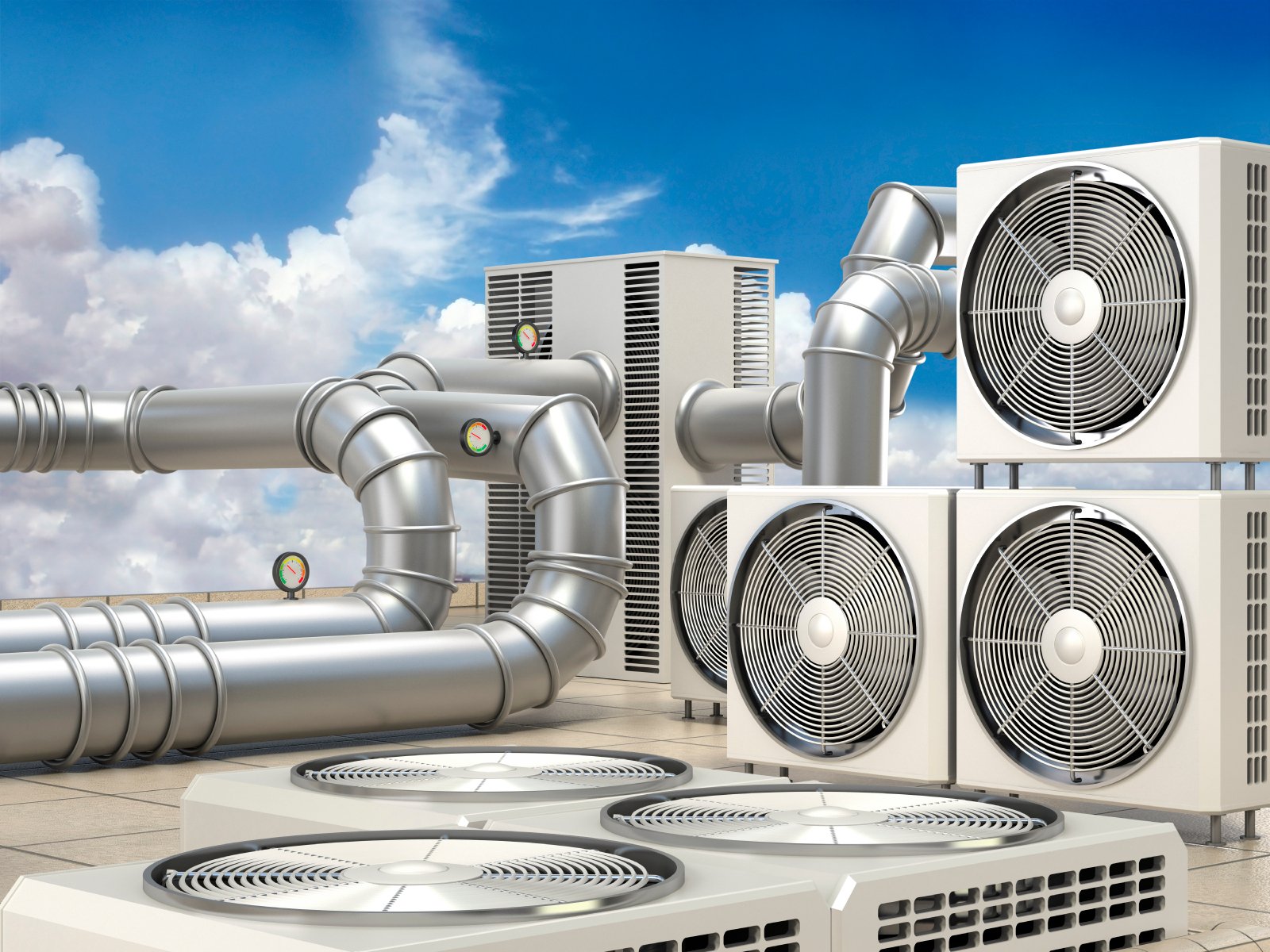
High-Quality Hvac Software Design Moment Nature
Discover an amazing hvac software design background image, ideal for personalizing your devices with vibrant colors and intricate designs.
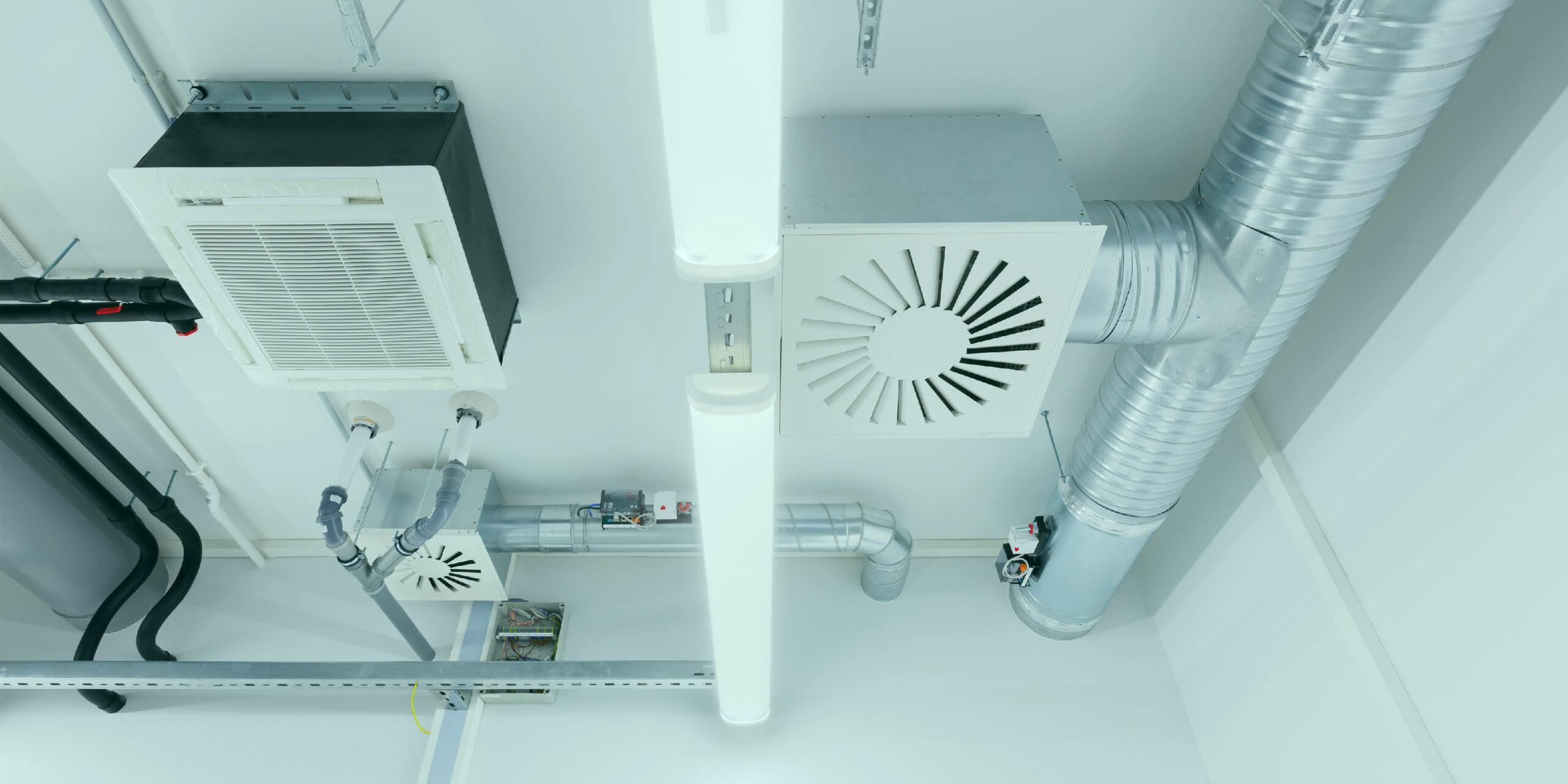
Mesmerizing Hvac Software Design Capture for Desktop
Discover an amazing hvac software design background image, ideal for personalizing your devices with vibrant colors and intricate designs.

Serene Hvac Software Design Wallpaper Illustration
Discover an amazing hvac software design background image, ideal for personalizing your devices with vibrant colors and intricate designs.
Download these hvac software design wallpapers for free and use them on your desktop or mobile devices.
0 Response to "Hvac Software Design"
Post a Comment