How To Get Chi Square
How To Get Chi Square: Your Simple Step-by-Step Guide
Are you tackling statistics and suddenly hit a roadblock called the Chi-Square Test? Don't worry, you're definitely not alone! This statistical method, often written as $\chi^2$, is incredibly useful for determining if there is a significant relationship between two categorical variables.
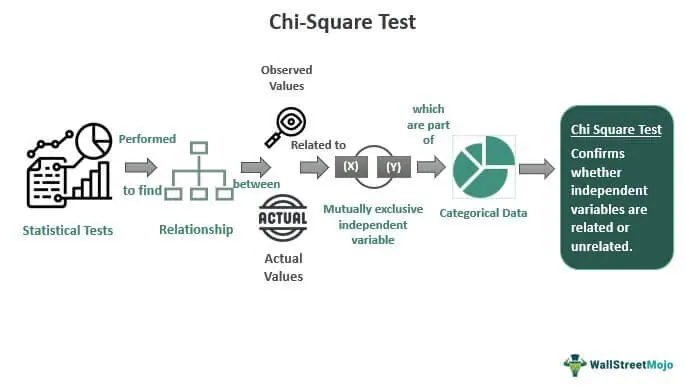
Understanding how to get Chi Square might seem intimidating at first because of the formulas, but the core concept is straightforward. Essentially, the test compares what you actually observed in your data versus what you would expect to observe if there were absolutely no relationship between those variables.
This comprehensive guide will break down the process step-by-step, providing you with the clarity you need to confidently calculate and interpret your Chi-Square results. Let's dive right in and unlock this essential statistical skill!
Understanding the Basics: What Exactly Is Chi-Square?
The Chi-Square Test of Independence is a non-parametric test. This means it doesn't assume that your data follows a normal distribution, making it perfect for working with nominal or ordinal data, such as counts and categories.
The primary goal is to assess whether knowing the value of one variable helps you predict the value of another variable. For example, does gender (Variable 1) influence preference for soft drinks (Variable 2)? If the variables are truly independent, then knowing someone's gender shouldn't change the probability of them preferring cola.
The resulting $\chi^2$ value itself is a measure of the discrepancy between your observed data and the expected data under the assumption of independence. A larger Chi-Square value suggests a greater difference, which often translates to a significant relationship.
When Should You Use the Chi-Square Test?
Before you commit to calculating Chi-Square, ensure your data meets a few key criteria. Using the wrong test can lead to completely invalid conclusions, so this step is crucial.
- Categorical Data: Both variables must be categorical (e.g., Yes/No, Male/Female, City A/B/C).
- Independence: Each observation must be independent of all others. For instance, one person's survey response cannot influence another person's response.
- Sufficient Sample Size: Expected frequencies should generally be 5 or greater in at least 80% of the cells, and no cell should have an expected count of zero. This ensures the statistical approximation is reliable.
If your data meets these requirements, you are ready to learn exactly how to get Chi Square calculated accurately.
The Four Steps of Calculating Chi Square
The calculation process for the Chi-Square test is highly standardized. Following these four steps will guide you from raw data collection to the final test statistic.
Step 1: Formulating Hypotheses and Setting Up the Data
Every statistical test begins with setting up the hypotheses. We always start by assuming the null hypothesis ($\text{H}_0$), which represents no effect or no relationship.
- Null Hypothesis ($\text{H}_0$): The two categorical variables are independent (i.e., there is no relationship between them).
- Alternative Hypothesis ($\text{H}_a$): The two categorical variables are dependent (i.e., there is a statistically significant relationship).
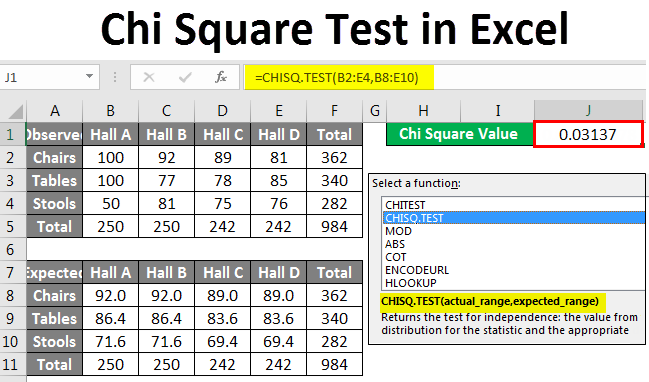
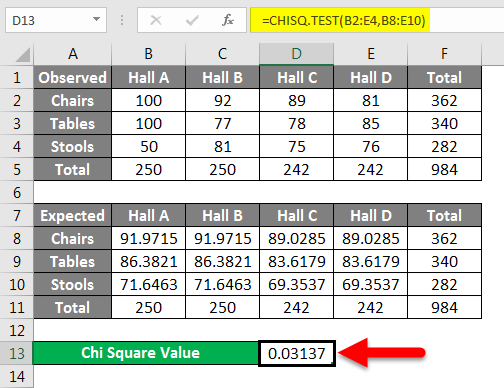
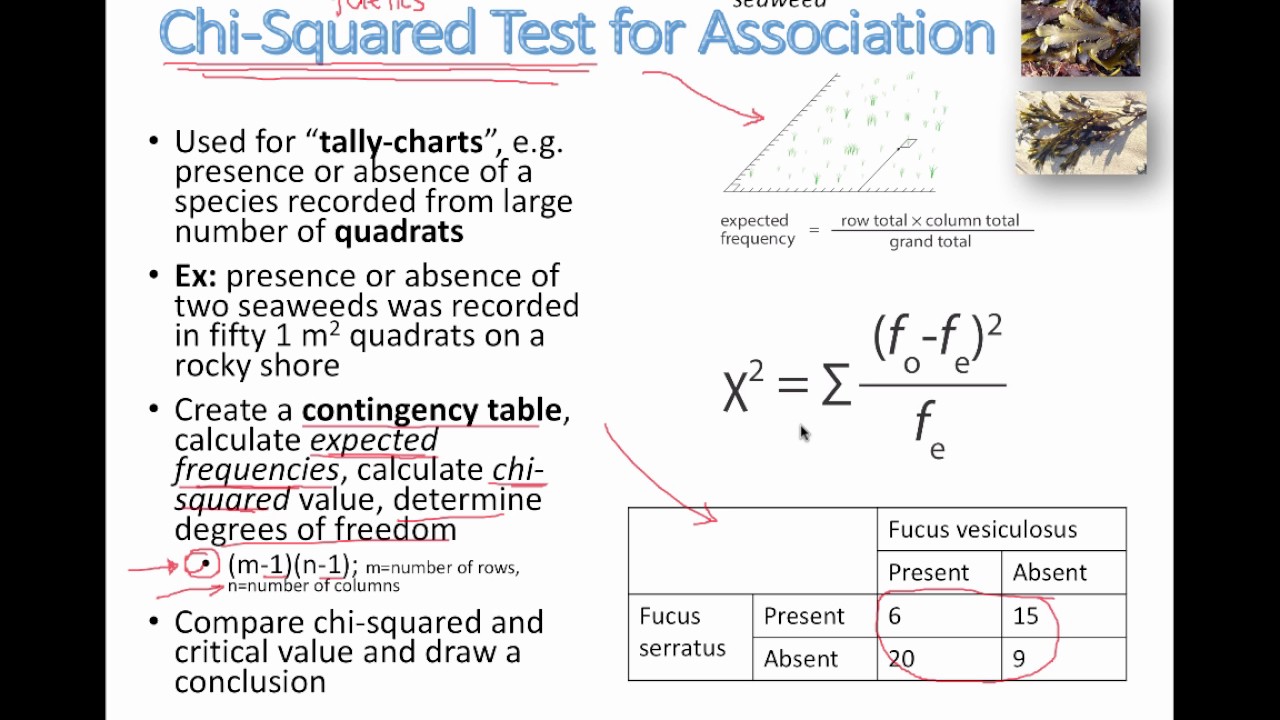
Next, you organize your raw counts into a contingency table. This table shows the actual counts for each combination of categories—these are your Observed Frequencies (O).
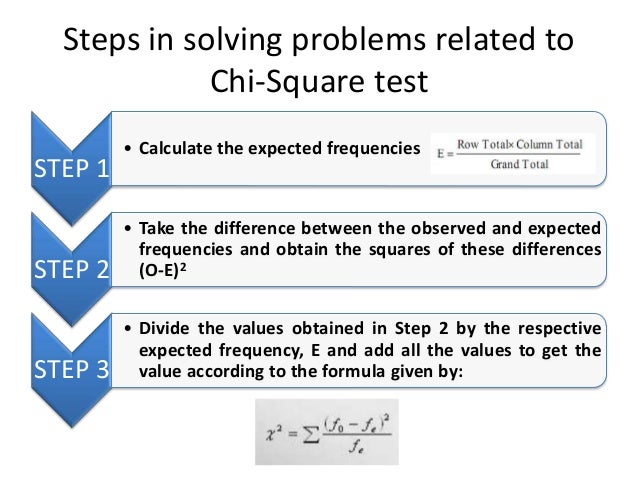
Step 2: Calculating Expected Frequencies (E)
The expected frequency is the count you would anticipate seeing in each cell if the null hypothesis ($\text{H}_0$) were true. We calculate this for every cell in your contingency table.
The formula for the Expected Frequency (E) in a specific cell is:
$$ E = \frac{(\text{Row Total}) \times (\text{Column Total})}{\text{Grand Total}} $$
You must calculate E for every single cell. This step ensures that we have a standard baseline to compare our actual observations against.
Step 3: Applying the Chi-Square Formula
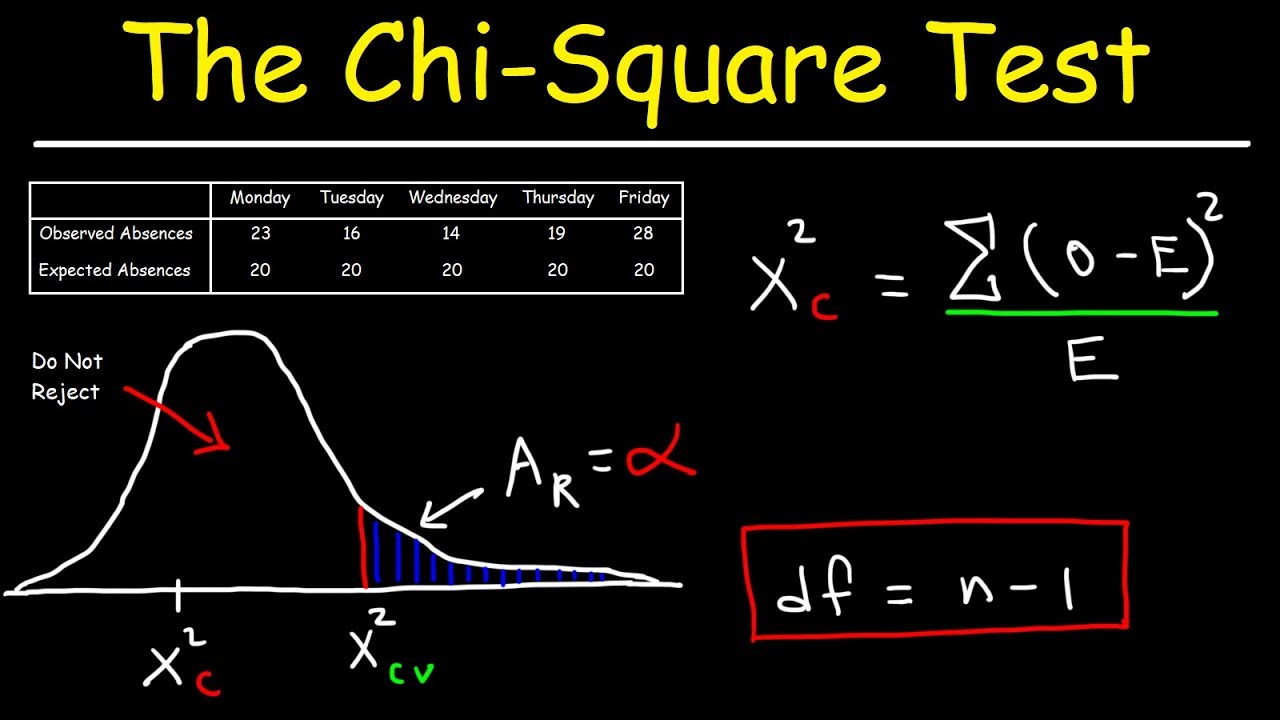
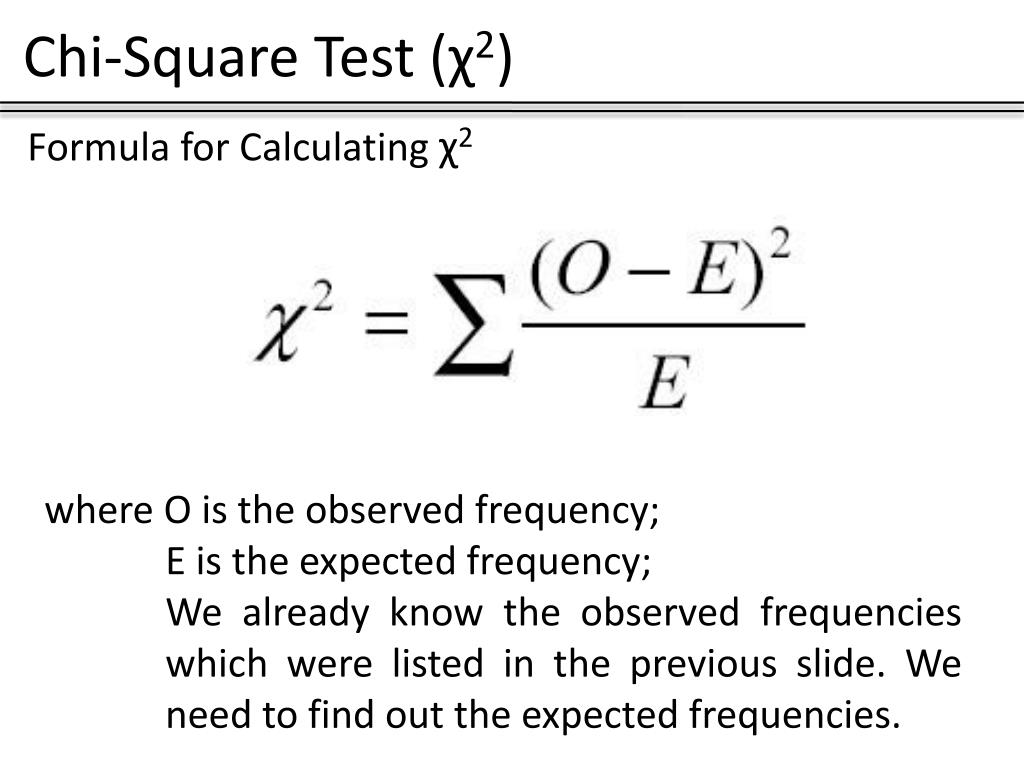
Now comes the heart of the matter—the actual formula to get Chi Square. We compare the difference between observed and expected values, square that difference (to eliminate negative values), and divide by the expected value.
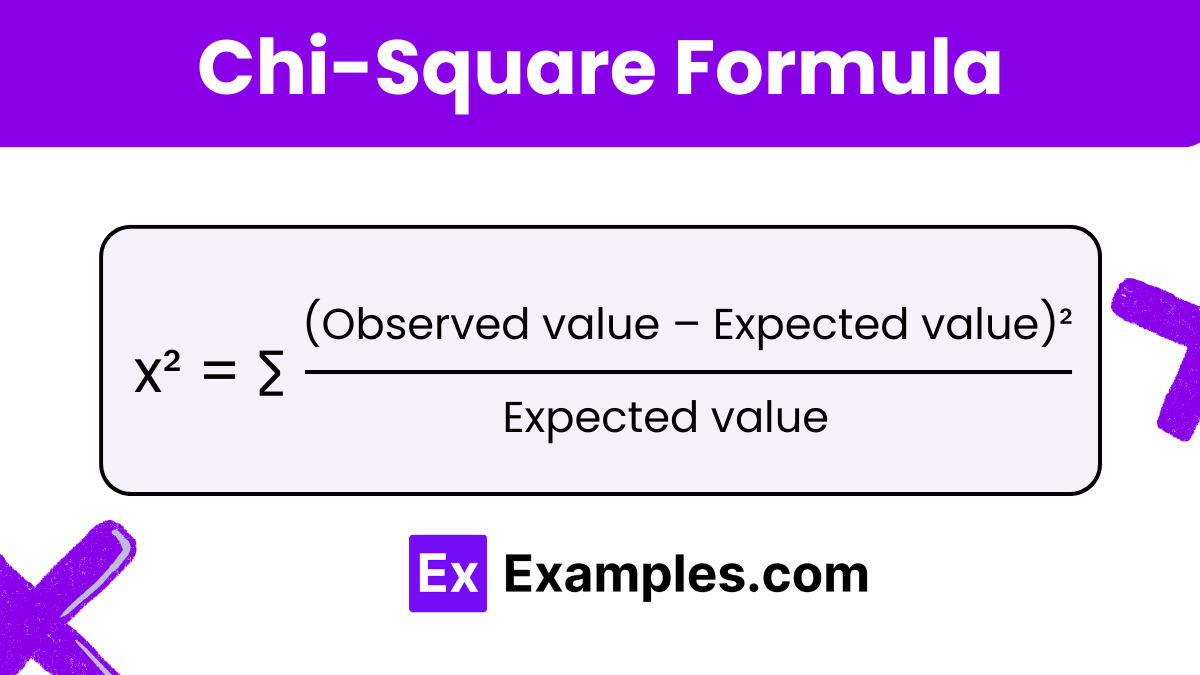
The formula is: $$\chi^2 = \sum \frac{(O - E)^2}{E}$$
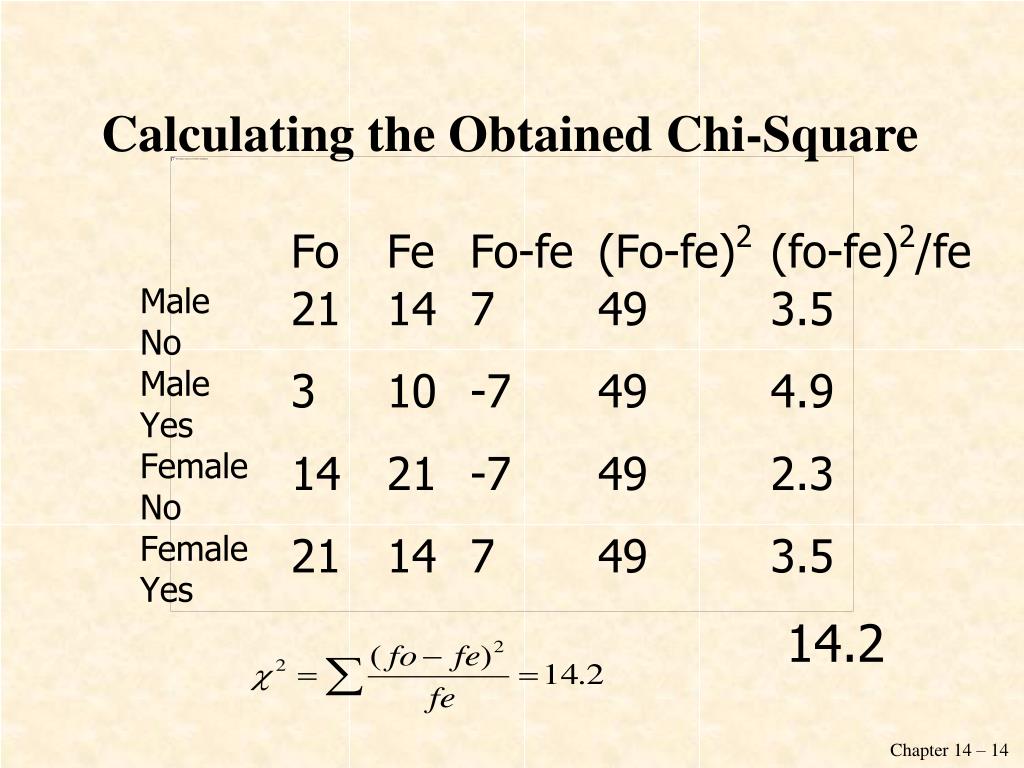
You calculate the $(O-E)^2/E$ term for every cell in your table. Once you have this value for every cell, you sum them all together. The resulting single number is your test statistic, the calculated Chi-Square value.
Breaking Down the Chi-Square Formula Components
To ensure clarity when you perform the calculation, let's look closely at what each part of the formula represents:
- $\sum$: This means "the sum of." You must perform the calculation below it for every single cell and then add all those results up.
- O (Observed Frequency): The actual count in the cell from your real-world data.
- E (Expected Frequency): The count calculated under the assumption of independence (from Step 2).
- $(O - E)^2$: This measures the difference between your real results and the results expected if there was no relationship. Squaring it ensures positive results and heavily weights large deviations.
- Dividing by E: This standardizes the difference relative to the size of the expected frequency, ensuring that small deviations in large samples don't look as significant as they would in small samples.
Interpreting Your Chi-Square Result
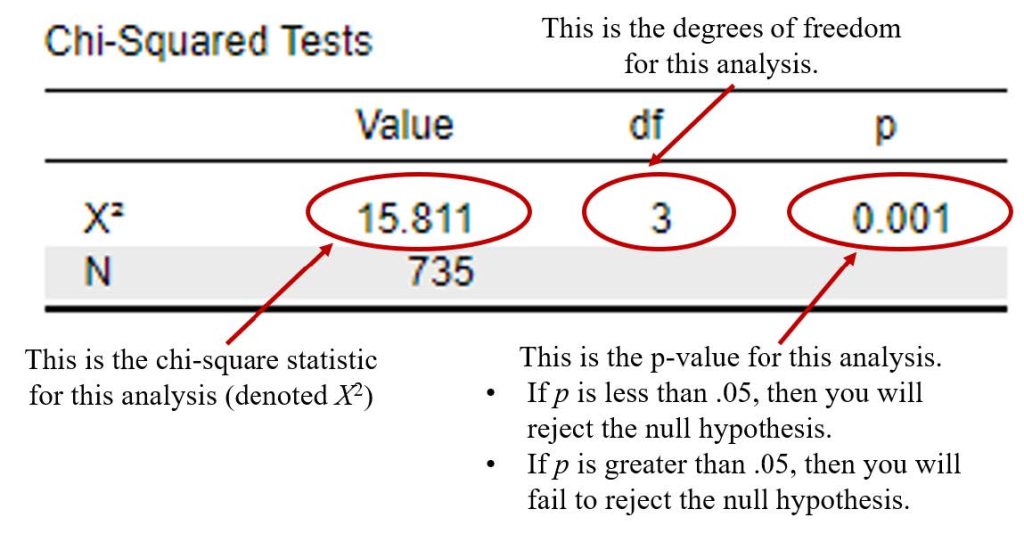
Now that you know how to get Chi Square, you have a single test statistic. But what does that number actually tell you? This is where degrees of freedom and the p-value come into play.
Calculating Degrees of Freedom (df)
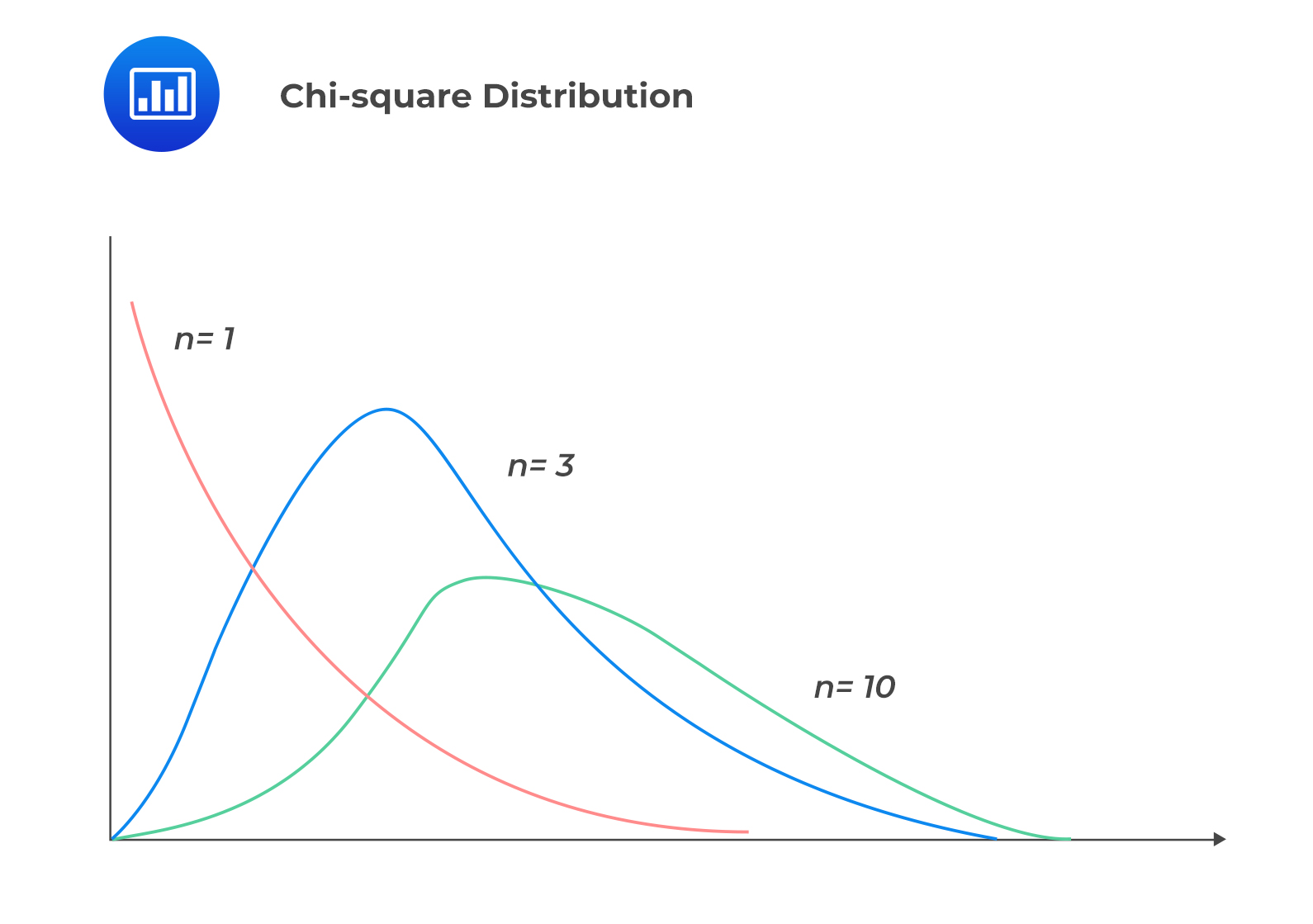
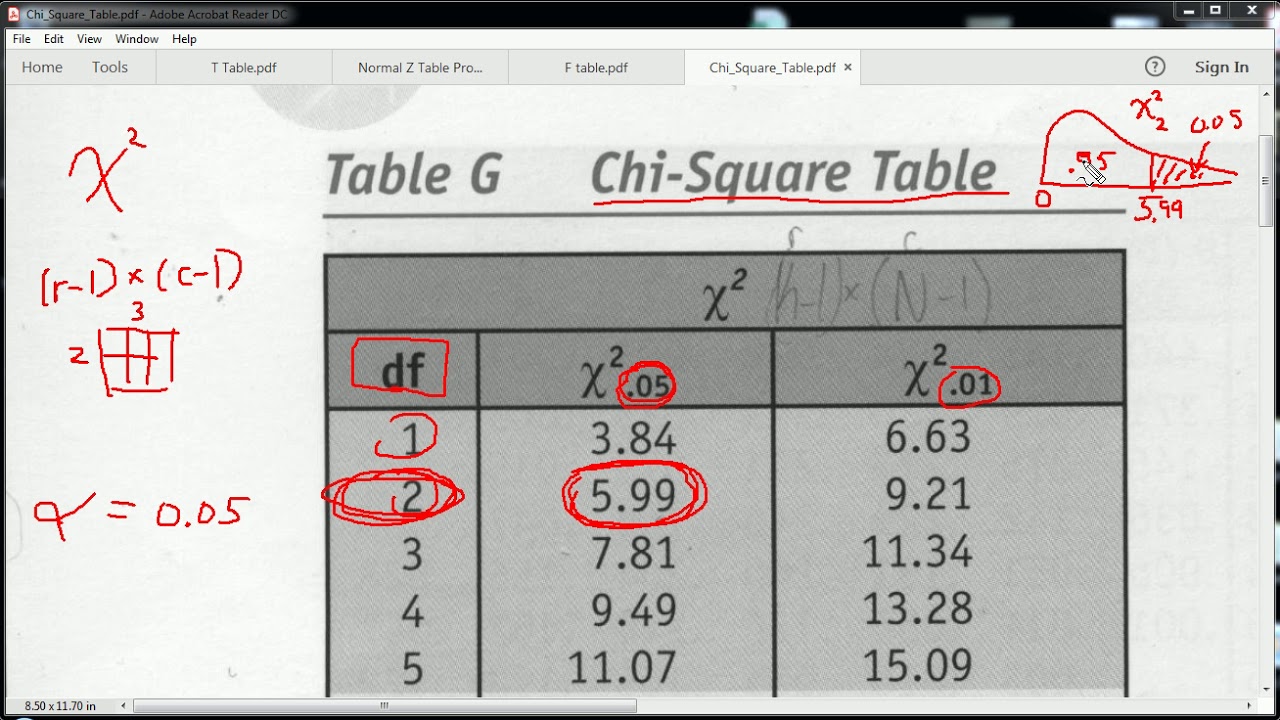
Degrees of freedom (df) define the specific shape of the theoretical Chi-Square distribution your test statistic is compared against. It depends on the size of your contingency table.
$$\text{df} = (\text{Number of Rows} - 1) \times (\text{Number of Columns} - 1)$$
For example, in a 2x3 table (2 rows, 3 columns), your df would be $(2-1) \times (3-1) = 2$.
Comparing the Calculated $\chi^2$ and Determining Significance
There are two main ways to conclude your test:
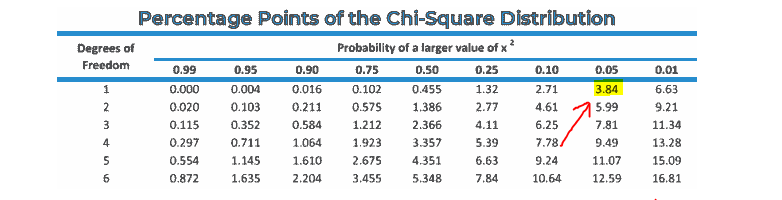
- Using the Critical Value: You look up the critical $\chi^2$ value in a Chi-Square distribution table using your calculated degrees of freedom (df) and your chosen significance level (usually $\alpha = 0.05$). If your calculated Chi-Square value is larger than the critical value, you reject the null hypothesis.
- Using the P-value: Modern statistical software (or calculators) usually provide a p-value. This is the probability of observing your data (or something more extreme) if the null hypothesis were actually true. If the p-value is less than your significance level (e.g., $p < 0.05$), you reject $\text{H}_0$, concluding there is a statistically significant relationship between the variables.
Remember, rejecting the null hypothesis means you have evidence that the two variables are associated or dependent.
Conclusion
Learning how to get Chi Square is a fundamental skill for anyone analyzing categorical data. While the formula may look daunting, the process is logical and manageable when broken into stages: setting up hypotheses, calculating expected counts, computing the test statistic, and interpreting the result using degrees of freedom.
By following these steps, you can move beyond simple descriptive statistics and determine whether observed associations are statistically significant or merely due to random chance. Congratulations—you've mastered the basics of the Chi-Square test!
Frequently Asked Questions (FAQ) About How To Get Chi Square
- What is the main difference between Observed (O) and Expected (E) counts?
- The Observed counts (O) are the actual data collected from your sample. The Expected counts (E) are the theoretical values you would expect to see in each cell if there were zero relationship (complete independence) between the two variables.
- Is a high Chi-Square value good or bad?
- A high Chi-Square value is neither inherently good nor bad; it simply means there is a large difference between your Observed and Expected data. If this value is high enough to result in a low p-value (typically $p < 0.05$), it indicates a statistically significant relationship exists between the variables.
- Can I use the Chi-Square test for continuous data?
- No. The Chi-Square Test of Independence is strictly for categorical or nominal data (counts). If you have continuous data, you would need to use tests like the t-test or ANOVA, or potentially convert the continuous data into categories (though this is often not recommended).
- What does "Degrees of Freedom" mean in the context of Chi-Square?
- Degrees of Freedom (df) represent the number of independent values that can vary in your data calculation. In a contingency table, it determines how many cell values you can freely set before the remaining values are fixed by the row and column totals. It is essential for determining the correct critical value for the test.
How To Get Chi Square
How To Get Chi Square Wallpapers
Collection of how to get chi square wallpapers for your desktop and mobile devices.
Lush How To Get Chi Square Picture Photography
A captivating how to get chi square scene that brings tranquility and beauty to any device.
Breathtaking How To Get Chi Square Photo for Mobile
Explore this high-quality how to get chi square image, perfect for enhancing your desktop or mobile wallpaper.

Stunning How To Get Chi Square Design Nature
A captivating how to get chi square scene that brings tranquility and beauty to any device.

Spectacular How To Get Chi Square Abstract for Mobile
Immerse yourself in the stunning details of this beautiful how to get chi square wallpaper, designed for a captivating visual experience.
Gorgeous How To Get Chi Square Wallpaper in 4K
A captivating how to get chi square scene that brings tranquility and beauty to any device.

Detailed How To Get Chi Square Moment in 4K
Experience the crisp clarity of this stunning how to get chi square image, available in high resolution for all your screens.
Vibrant How To Get Chi Square Picture Concept
Experience the crisp clarity of this stunning how to get chi square image, available in high resolution for all your screens.
Spectacular How To Get Chi Square Picture for Mobile
A captivating how to get chi square scene that brings tranquility and beauty to any device.

Beautiful How To Get Chi Square Capture Photography
Transform your screen with this vivid how to get chi square artwork, a true masterpiece of digital design.
Amazing How To Get Chi Square View Digital Art
Transform your screen with this vivid how to get chi square artwork, a true masterpiece of digital design.
Stunning How To Get Chi Square Photo in HD
A captivating how to get chi square scene that brings tranquility and beauty to any device.

Stunning How To Get Chi Square Design for Mobile
Find inspiration with this unique how to get chi square illustration, crafted to provide a fresh look for your background.

Captivating How To Get Chi Square Artwork Collection
Immerse yourself in the stunning details of this beautiful how to get chi square wallpaper, designed for a captivating visual experience.
Mesmerizing How To Get Chi Square Scene for Your Screen
Explore this high-quality how to get chi square image, perfect for enhancing your desktop or mobile wallpaper.
Breathtaking How To Get Chi Square Design in HD
Discover an amazing how to get chi square background image, ideal for personalizing your devices with vibrant colors and intricate designs.
Artistic How To Get Chi Square Abstract in 4K
This gorgeous how to get chi square photo offers a breathtaking view, making it a perfect choice for your next wallpaper.
Vivid How To Get Chi Square Landscape in 4K
Discover an amazing how to get chi square background image, ideal for personalizing your devices with vibrant colors and intricate designs.
Dynamic How To Get Chi Square Picture Digital Art
A captivating how to get chi square scene that brings tranquility and beauty to any device.
Captivating How To Get Chi Square Moment Nature
Find inspiration with this unique how to get chi square illustration, crafted to provide a fresh look for your background.
Lush How To Get Chi Square Design Concept
Find inspiration with this unique how to get chi square illustration, crafted to provide a fresh look for your background.
Download these how to get chi square wallpapers for free and use them on your desktop or mobile devices.