How To Get Someone Mental Help When They Refuse
How To Get Someone Mental Help When They Refuse: A Compassionate Guide
It is one of the most painful and frustrating experiences: watching a loved one struggle intensely with their mental health, knowing they need professional help, but hearing them adamantly refuse it. You feel stuck, worried, and possibly helpless.
If you are searching for answers on How To Get Someone Mental Help When They Refuse, know that you are not alone. This situation requires a balance of empathy, strategic communication, and, sometimes, knowing when to activate emergency resources. We are here to guide you through the difficult steps.
Understanding Why They Refuse Help
Before jumping into action, it is vital to understand the root causes of their resistance. Often, the refusal is not a rejection of you, but a symptom of the illness itself or deep-seated fear. Empathy is your strongest tool in these early stages.
People who are struggling may lack "insight," meaning their illness prevents them from seeing the severity of their condition. This is particularly common in conditions like bipolar disorder, schizophrenia, and severe depression. They may genuinely believe they are fine, or that the problem is external to them.
The Role of Stigma and Denial
Denial is a powerful defense mechanism. Many people fear the implications of a mental health diagnosis—the stigma, the medications, the loss of control, and the potential impact on their career or relationships.
Common reasons someone might be refusing essential mental health support include:
- Fear of being judged, institutionalized, or "crazy."
- Belief that therapy or medication will change their personality.
- Financial concerns regarding the cost of treatment.
- The idea that their struggles are a sign of weakness, not illness.
- Lack of trust in the medical system or previous negative experiences with providers.
Initial Steps: Communication and Connection
Direct confrontation rarely works when someone is refusing help. Instead, focus on building a bridge of trust. The goal is to motivate them toward seeking help voluntarily, rather than forcing the issue immediately.
Focus your conversations not on "getting better," but on addressing specific problems the illness is causing in their life that they recognize, such as difficulty sleeping, problems at work, or relationship conflicts. This shift in focus can lower their defenses considerably.
Choosing the Right Moment and Approach
Timing is everything. Never try to discuss sensitive topics when they are under the influence of drugs or alcohol, actively having a manic episode, or extremely irritable. Wait for a moment of relative calm and clarity.
When you initiate the conversation, use "I" statements to express your concern without sounding accusatory. This approach emphasizes how their struggles affect you, which is often easier for them to hear than accusations about their behavior.
Follow these guidelines for a supportive discussion:
- Express love and commitment first: Start by affirming your relationship and dedication.
- Describe observable behaviors, not labels: Say, "I notice you haven't slept in three days," instead of, "You're acting crazy."
- Offer options, not demands: Suggest a gentle first step, like talking to their primary care physician (PCP) or attending a single support group meeting.
- Remove barriers: Offer to call the therapist, drive them to appointments, or handle the insurance paperwork.
- Listen more than you speak: Validate their fears and frustrations, even if they seem irrational to you.
Setting Realistic Boundaries
While compassion is crucial, you must also protect your own well-being. Trying to help someone who refuses care can lead to burnout and enable destructive behavior.
Establish clear, non-negotiable boundaries concerning behaviors you cannot tolerate. For example, you might state: "I will not lend you money if you are using it for drugs," or, "I cannot stay in the room if you become physically threatening." Setting boundaries reinforces that their behavior has consequences, which can sometimes motivate them to seek help.
When the Situation Escalates: Crisis Intervention
Sometimes, communication and persuasion simply aren't enough. When a loved one poses an imminent risk to themselves or others, the situation moves beyond voluntary treatment and into crisis intervention. This is where you must seriously consider How To Get Someone Mental Help When They Refuse through emergency measures.
Assessing Immediate Danger (Safety First)
A mental health crisis requires immediate action. Danger is typically defined by specific, verifiable signs. If you observe any of the following, call emergency services (911 or local equivalent) immediately:
- Active threats of self-harm or suicide (e.g., they state a plan or have acquired means).
- Aggressive, violent, or destructive behavior directed at others or property.
- Severe impairment that leaves them unable to care for basic needs (e.g., refusing to eat, major dehydration, wandering away).
- Psychosis that leads to dangerous delusions or paranoia.
Exploring Legal and Emergency Options (Involuntary Help)
The decision to seek involuntary treatment is agonizing, but it is sometimes the only option to save a life. Laws vary widely by location, but the core principle is usually the same: the person must be deemed a danger to themselves or others, or "gravely disabled."
Utilizing Crisis Hotlines and Mobile Teams
Before calling the police, try reaching out to local specialized services. Many areas have Mobile Crisis Teams (MCTs) staffed by mental health professionals and social workers.
These teams can often assess the situation on-site and facilitate transportation to a treatment center without involving law enforcement, making the experience less traumatic for your loved one. Always call a national or local crisis hotline first; they can often direct you to these specialized resources.
Understanding Involuntary Commitment Laws
Involuntary commitment (often called a "hold" or "emergency detention") is temporary and legally binding. Typically, it involves a 24- to 72-hour assessment period in a safe psychiatric facility. During this time, professionals stabilize the person and determine if longer-term care is warranted.
To initiate this process, you usually need to contact local law enforcement (requesting a CIT-trained officer if possible) or a psychiatric emergency room. Be prepared to clearly articulate specific, recent behaviors that illustrate the danger they pose.
Long-Term Support and Self-Care for Caregivers
Taking care of a loved one who refuses help is emotionally exhausting. You cannot pour from an empty cup, and your mental health matters too. You need to establish your own support network.
Joining support groups like NAMI (National Alliance on Mental Illness) or attending family therapy can provide you with coping strategies, validation, and practical advice from others who truly understand your unique challenges. Remember, seeking help for yourself is not selfish—it is necessary for you to continue being a stable presence in their life.
If they eventually agree to treatment, focus on slow, consistent progress rather than expecting an immediate cure. Recovery is a journey with many steps backward and forward.
Conclusion
Dealing with a loved one who refuses mental health help is deeply challenging, forcing you to navigate difficult ethical and emotional territory. The primary takeaway is this: prioritize safety above all else.
Start with empathetic communication, focusing on problems they acknowledge. If that fails, escalate to professional intervention. Knowing How To Get Someone Mental Help When They Refuse often means utilizing crisis hotlines, mobile teams, or, in the most critical situations, involuntary commitment procedures. Remember to lean on caregiver support systems; you deserve support too.
Frequently Asked Questions (FAQ)
- Can I legally force an adult into therapy if they are not dangerous?
- No. Generally, involuntary commitment is only legal if the person poses an imminent danger to themselves or others, or is gravely disabled (unable to care for basic needs). If they are functional but simply struggling or resistant, legal options are extremely limited.
- What is a CIT officer?
- CIT stands for Crisis Intervention Team. These are specialized police officers who have received extensive training in de-escalation techniques and understanding mental illness. If you must call 911 during a crisis, always ask for a CIT-trained officer.
- Should I threaten consequences if they continue to refuse treatment?
- Threats are generally counterproductive. Instead of threats, use consistent, calmly stated boundaries (e.g., "If you break household rules, you cannot live here"). Consequences should address behavior, not the illness itself, and must be boundaries you are prepared to uphold.
- What if they agree to see a doctor but lie about their symptoms?
- This is common. If you have concerns, write a brief, objective letter detailing your observations (e.g., lack of sleep, paranoia, medication refusal) and ask the doctor to review it privately before the appointment. While doctors cannot breach confidentiality with the patient, this information can help them ask more targeted questions.
How To Get Someone Mental Help When They Refuse
How To Get Someone Mental Help When They Refuse Wallpapers
Collection of how to get someone mental help when they refuse wallpapers for your desktop and mobile devices.

Mesmerizing How To Get Someone Mental Help When They Refuse Scene for Your Screen
Explore this high-quality how to get someone mental help when they refuse image, perfect for enhancing your desktop or mobile wallpaper.
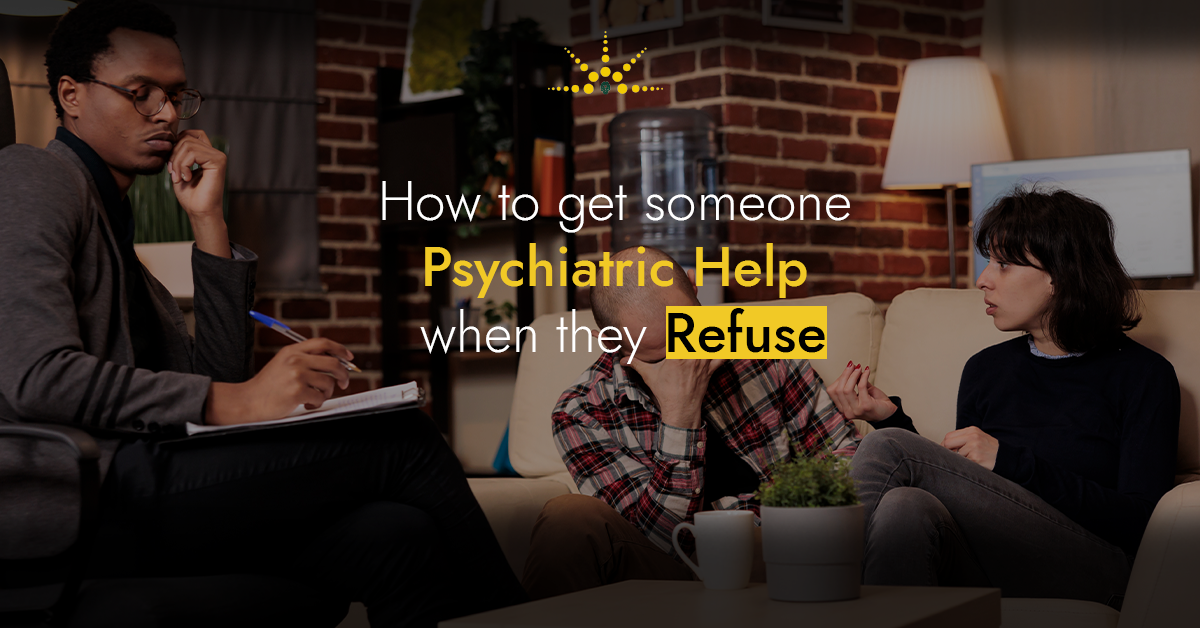
Dynamic How To Get Someone Mental Help When They Refuse Capture Art
A captivating how to get someone mental help when they refuse scene that brings tranquility and beauty to any device.

Amazing How To Get Someone Mental Help When They Refuse Background Concept
Discover an amazing how to get someone mental help when they refuse background image, ideal for personalizing your devices with vibrant colors and intricate designs.

Captivating How To Get Someone Mental Help When They Refuse Picture Concept
This gorgeous how to get someone mental help when they refuse photo offers a breathtaking view, making it a perfect choice for your next wallpaper.

Captivating How To Get Someone Mental Help When They Refuse Landscape in HD
Find inspiration with this unique how to get someone mental help when they refuse illustration, crafted to provide a fresh look for your background.

Lush How To Get Someone Mental Help When They Refuse Abstract Concept
This gorgeous how to get someone mental help when they refuse photo offers a breathtaking view, making it a perfect choice for your next wallpaper.

Gorgeous How To Get Someone Mental Help When They Refuse Scene Art
This gorgeous how to get someone mental help when they refuse photo offers a breathtaking view, making it a perfect choice for your next wallpaper.

Captivating How To Get Someone Mental Help When They Refuse Landscape Nature
Immerse yourself in the stunning details of this beautiful how to get someone mental help when they refuse wallpaper, designed for a captivating visual experience.
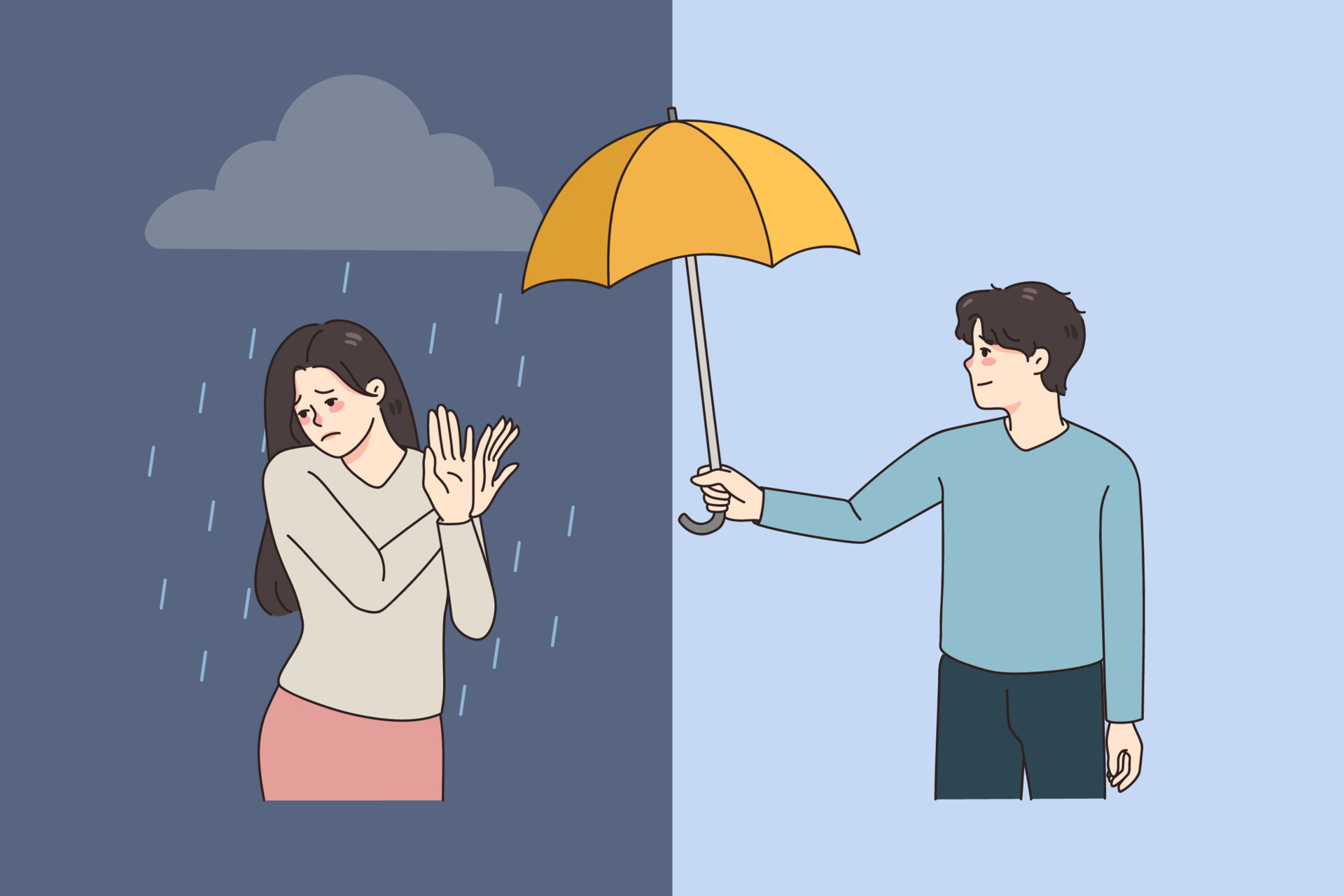
Beautiful How To Get Someone Mental Help When They Refuse Design Digital Art
Experience the crisp clarity of this stunning how to get someone mental help when they refuse image, available in high resolution for all your screens.

Captivating How To Get Someone Mental Help When They Refuse Scene Nature
A captivating how to get someone mental help when they refuse scene that brings tranquility and beauty to any device.

Dynamic How To Get Someone Mental Help When They Refuse Capture Art
Immerse yourself in the stunning details of this beautiful how to get someone mental help when they refuse wallpaper, designed for a captivating visual experience.
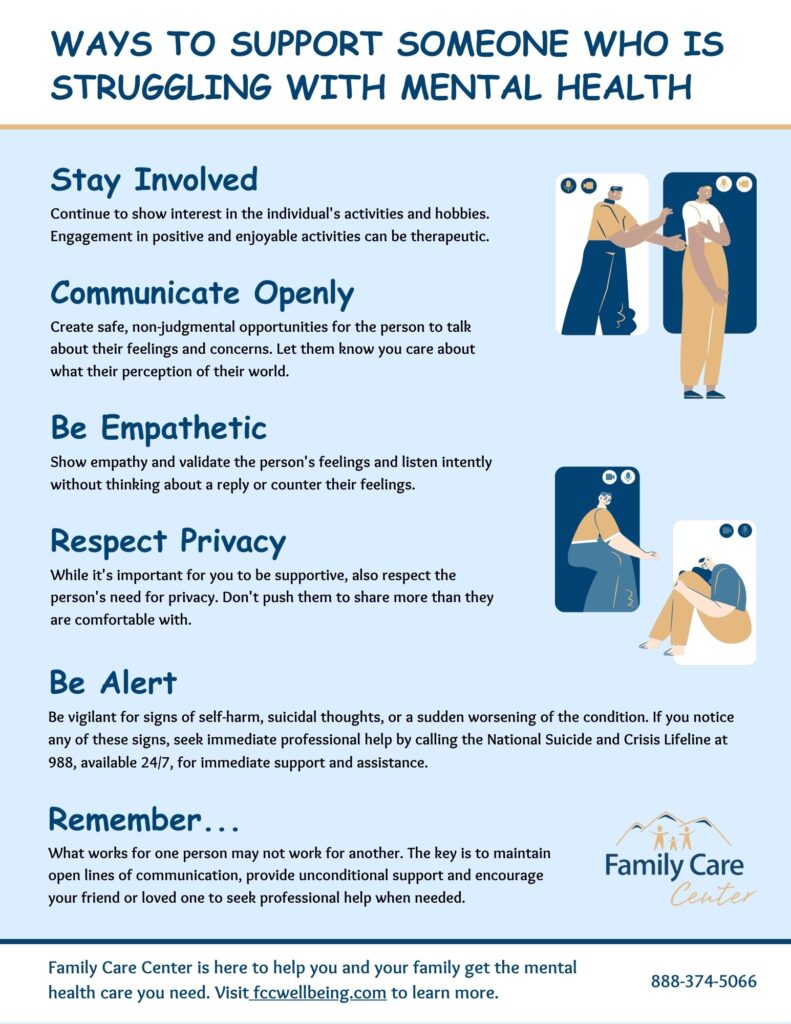
Detailed How To Get Someone Mental Help When They Refuse Design for Desktop
Explore this high-quality how to get someone mental help when they refuse image, perfect for enhancing your desktop or mobile wallpaper.

Stunning How To Get Someone Mental Help When They Refuse Scene Digital Art
This gorgeous how to get someone mental help when they refuse photo offers a breathtaking view, making it a perfect choice for your next wallpaper.
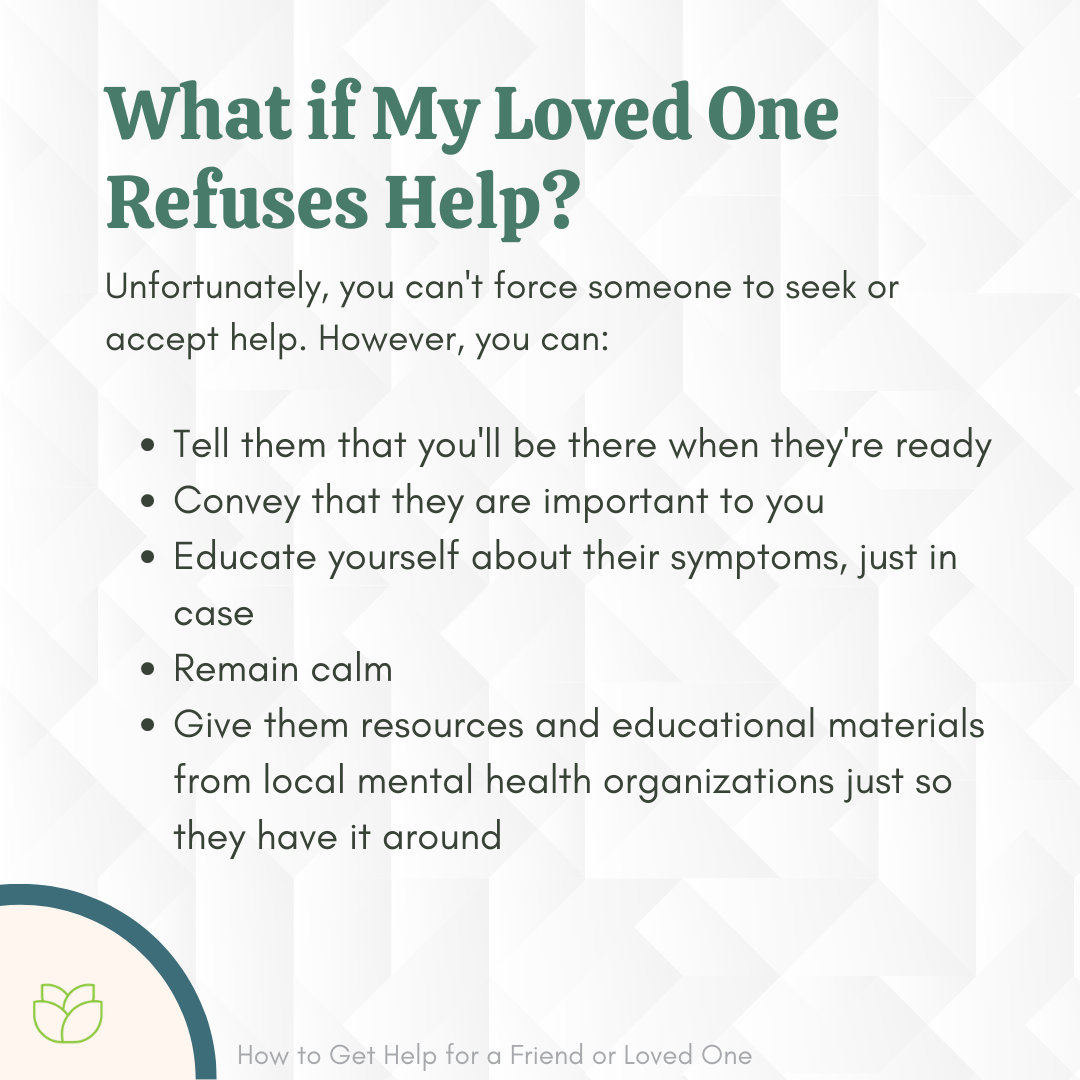
Gorgeous How To Get Someone Mental Help When They Refuse Landscape Concept
Find inspiration with this unique how to get someone mental help when they refuse illustration, crafted to provide a fresh look for your background.

Beautiful How To Get Someone Mental Help When They Refuse Moment for Your Screen
Discover an amazing how to get someone mental help when they refuse background image, ideal for personalizing your devices with vibrant colors and intricate designs.

Serene How To Get Someone Mental Help When They Refuse Photo in HD
Discover an amazing how to get someone mental help when they refuse background image, ideal for personalizing your devices with vibrant colors and intricate designs.

Amazing How To Get Someone Mental Help When They Refuse Background Photography
Experience the crisp clarity of this stunning how to get someone mental help when they refuse image, available in high resolution for all your screens.
